The Night I Learned Delivery Food Can Be a Tiny Travel Adventure
#I used to think food delivery abroad was sort of cheating. Like, if I’m in Bangkok or Lisbon or Mexico City, shouldn’t I be out there sweating at a market stall, pointing badly at menus, getting lost, eating something wrapped in paper while standing next to a scooter? That was my very romantic, slightly snobby opinion. Then I landed in Seoul during a rainstorm so rude it felt personal, with wet socks, a dead phone battery, and the kind of hunger that makes you consider eating the airplane snack you saved “just in case.” So yeah, I ordered delivery. And honestly? It was glorious.
A hot bowl of kimchi jjigae showed up at my guesthouse door, still bubbling in its container, with rice, banchan, and this little packet of seaweed I almost threw away because I didn’t realize it was, you know, important. I sat on the floor by the tiny heated table and ate like I’d been rescued. That meal changed my mind about delivery while traveling. It can be local, comforting, exciting, and weirdly intimate. But it can also go wrong fast if you’re not paying attention. Not dramatic wrong, necessarily. More like “why did I eat room-temperature chicken at midnight in a country where I don’t know how to ask for stomach medicine” wrong.
So this is the stuff I’ve learned the delicious way, the stupid way, and occasionally the sweaty-forehead-at-3am way. Food delivery safety while traveling abroad isn’t about being scared of food. Please don’t be scared of food. Food is half the reason I keep buying flights I can’t really justify. It’s more about reading the room, reading the app, trusting your senses, and knowing when that gorgeous leftover kebab needs to be eaten now or respectfully sent to the bin.
Why Delivery Hits Different When You’re Far From Home
#At home, I order delivery when I’m tired or lazy or pretending I’m “supporting local restaurants” when really I just want noodles. Abroad, it feels different. You’re using an unfamiliar app, maybe in a language you only half understand, choosing from restaurants you’ve never seen, and relying on a courier who may be navigating streets older than your entire country. It’s kind of amazing it works at all, actually.
In Istanbul, I once ordered lahmacun and lentil soup to a tiny hotel near Karaköy because I’d walked 28,000 steps that day and my knees were done with me. The soup arrived wrapped like it was precious cargo. The lahmacun was thin, lemony, a little smoky, and still warm enough that the herbs smelled alive. I remember thinking, this is not a compromise meal. This is travel food too. It just came to me instead of me going to it.
But that same trip, I made a less cute choice. I saved a lamb wrap in the hotel mini fridge, which was one of those mini fridges that makes noise but doesn’t seem to actually chill anything. The next morning I sniffed it, debated with myself, and ate half anyway because I hate wasting food. Bad idea. Not catastrophic, but my stomach definately filed a complaint. Since then, I’ve become a little bossy about leftovers, especially meat, rice, seafood, creamy sauces, and anything that’s been riding around on a motorbike in hot weather.
The First Rule: Order Food That Wants to Travel
#Some dishes are born for delivery. Others are basically doomed the second the lid goes on. This matters for taste, sure, but also for safety. Hot brothy things usually hold heat better. Fried foods can get soggy, but if they arrive properly hot they’re usually less suspicious than, say, a lukewarm seafood salad with mayo and mystery herbs. I love raw dishes when I can see the place and trust the turnover. Delivered raw dishes in a new city? I’m more careful.
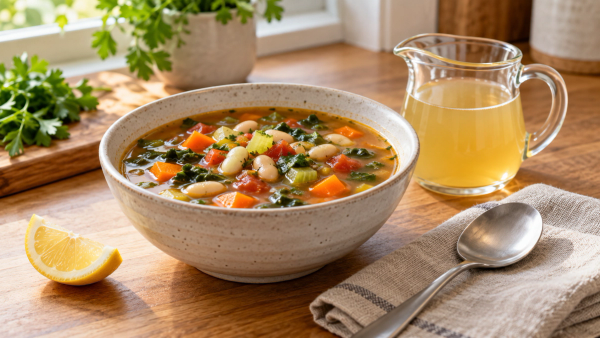
My safe-ish delivery favorites abroad are stews, soups, curries, grilled meats that arrive hot, rice bowls with cooked toppings, dumplings, noodles, and baked things. In Bangkok, I’ll happily order pad kra pao or tom yum if the restaurant looks busy and the delivery time is reasonable. In Mexico City, pozole or tacos al pastor from a well-reviewed spot can be beautiful, although tacos can get a little sad in transit. In Lisbon, caldo verde and roast chicken travel better than delicate seafood plates. And in Seoul, jjigae, gimbap from a high-turnover shop, or fried chicken that’s properly sealed? Yes please.
- Soups and stews are my comfort pick because they tend to stay hot longer, especially if packed well.
- Rice and noodles are fine, but I don’t keep rice leftovers casually anymore. Cooked rice can be risky if it sits warm too long.
- Raw seafood, creamy salads, and dairy-heavy desserts are “only if I really trust it” foods when delivered.
- Anything that arrives barely warm and should be hot makes me suspicious, even if it smells good. Actually, especially if it smells good and I’m hungry.
How I Judge a Delivery Restaurant When I Can’t Visit It
#This is where I become a detective, but a hungry detective with bad Wi-Fi. I look at the restaurant rating, sure, but I don’t worship ratings. A place can have 4.8 stars because the fries are huge, not because the kitchen is clean. I read recent reviews if the app translates them. I look for comments about late delivery, cold food, missing seals, upset stomachs, or “smelled strange.” If multiple people mention food arriving cold, I move on. One cranky review doesn’t scare me. A pattern does.
I also check distance. This is underrated. If I’m in a humid city in July, I’m not ordering fish soup from 8 km away just because the photos look sexy. Delivery time matters. Public health agencies generally warn about keeping perishable foods out of the temperature danger zone for too long, and the common travel-friendly rule I use is: if hot food has been sitting around for more than about two hours, or one hour in serious heat, don’t gamble with it. Obviously I don’t know exactly how long the restaurant had it packed, which is why short delivery windows make me feel better.
Photos can help, but they lie. Menus help more. If a place sells sushi, burgers, pizza, Thai curry, pancakes, and “international breakfast,” I get nervous. Not always, but often. When a restaurant has a tighter menu, especially one built around a local speciality, I trust it more. The tiny shop that only does chicken rice? Probably turning that chicken over all day. The place doing 47 cuisines from one kitchen? Maybe fine, maybe chaos.
The little app clues I actually care about
#- Recent reviews matter more than ancient praise from two years ago.
- Shorter delivery distance usually wins, even if the famous place farther away looks better.
- Clear menu descriptions help when allergies or spice levels matter.
- Tamper-evident packaging is a good sign, though not a magic shield.
- If the app shows a restaurant as extremely busy, I like that for turnover, but I also expect delays. So I order foods that can survive a wait.
The Handoff: Lobby, Street Corner, Scooter, Chaos
#People talk a lot about the restaurant, but the handoff is its own little safety moment. I’ve recieved food in hotel lobbies, apartment stairwells, outside train stations, and once through a hostel window in Vietnam because the front door was locked. Not my most elegant moment. When I’m traveling solo, especially at night, I use the lobby or a well-lit entrance. I don’t invite random couriers up to my room, not because most people are dangerous, but because I like boring safety. Boring safety is good.
I always check the bag before the courier disappears. Not in a rude way, just quick. Is it my name or order number? Is the seal broken? Is something leaking? Does the food feel hot if it’s supposed to be hot? Cold if it’s supposed to be cold? A cold drink next to a hot curry in the same plastic bag annoys me more than it should, but it also makes me wonder about packing. In Singapore once, a delivery order came with the hot laksa and iced tea separated into different bags. I nearly applauded in the hallway.
If the seal is broken, I don’t automatically panic. Sometimes sauce leaks, sometimes the courier checks the order, sometimes packaging is flimsy. But if the seal is broken and the food looks disturbed or the container is open, I contact the app and don’t eat it. It’s not worth turning your vacation into a pharmacy tour.
Temperature Is Boring Until It Saves Your Trip
#I know, temperature talk sounds like something your aunt says while packing potato salad for a picnic. But it’s the thing. Hot food should arrive hot enough that you can feel heat through the container. Cold food should arrive cold, not “air-conditioned room temperature.” If I order grilled chicken in Athens or biryani in Kuala Lumpur and it shows up lukewarm, I reheat it properly if I can. If I can’t, I don’t eat much of it, or I toss it. Painful? Yes. Cheaper than losing two days of a trip? Also yes.
Hotel microwaves are funny little machines. Some are powerful enough to turn soup into lava on the edges and leave the center cold. Some are decorative boxes that hum. If you’re reheating delivered food in a hotel room, stir it, rotate it, and make sure it’s steaming throughout. Also check the container before microwaving because not every delivery tub is microwave-safe, and melted plastic is not a seasoning. I wrote a whole ranty guide about this kind of thing here: Hotel Microwave Meals While Traveling: Safe Reheating Guide. It’s the sort of unglamorous travel knowledge nobody brags about, but everyone needs eventually.
And please, don’t leave delivery sitting on the desk while you shower, call home, unpack, scroll, and suddenly it’s midnight. I have done this. A gorgeous butter chicken in Delhi became a questionable butter chicken because I “just needed five minutes.” Five minutes became ninety. I reheated it and ate it anyway because I am, apparently, both food passionate and foolish. My stomach was fine that time, but I don’t count luck as a system anymore.
Leftovers: The Great Hotel Mini Fridge Gamble
#Travel leftovers are emotionally complicated. You paid for that food. It was delicious. The portion was huge. You imagine yourself eating it tomorrow after a museum. Very sensible. But then you remember the mini fridge is stuffed with minibar cans, the room key turns off the power when you leave, and the container has been sitting out since the courier got lost in the lobby. This is where I try to be honest with myself.
If I’m staying somewhere with a proper fridge, I cool leftovers quickly and refrigerate them within about two hours, sooner in hot places. I don’t keep seafood leftovers long. I don’t keep creamy sauces long. I’m careful with poultry. Delivered roast chicken, grilled chicken, chicken shawarma, chicken anything really, can be wonderful and also unforgiving if mishandled. If chicken is part of your travel routine, this guide on Rotisserie Chicken While Traveling: Fridge & Reheat Safety has the same kind of practical “should I keep it or bin it?” energy I wish I’d had years ago.
My personal leftover rule is a bit harsh now: if I can’t chill it properly, I don’t save it. If I’m not sure how long it sat out, I don’t save it. If the fridge feels like a polite breeze instead of cold storage, I don’t save it. And if I wake up and can’t remember when I put it away, that’s not a leftover, that’s a science project.
Allergies, Spice, and the Translation Trap
#Delivery apps are convenient until you need to explain something important in another language. I don’t have a severe food allergy, but I travel with friends who do, and watching them order abroad has made me much more aware of how messy translation can be. “No peanuts” is not always enough. Peanut oil, crushed peanuts, peanut sauce, shared fryers, garnish... it gets complicated quickly.
If you have allergies or medical dietary needs, save translated phrases in the local language before you travel. Not just one phrase. A clear one. Something like “I have a severe allergy to peanuts. Food cooked with peanuts, peanut oil, or peanut sauce can make me very sick.” Use a reputable translation app, and if possible have a native speaker or hotel staff check it. Then put it in the delivery notes and message the restaurant if the app allows. If you cannot communicate clearly, choose simpler foods from places that list ingredients well, or skip delivery for that meal.
Spice is another funny one. In Thailand, “medium spicy” once taught me humility. In Mexico, I learned that salsa on the side is both a gift and a warning. With delivery, I usually order spice one level lower than I think I can handle, because if it’s too hot and I’m alone in a hotel room with only a tiny bottle of water, I start bargaining with the universe. Also, stomachs get weird with jet lag. Mine acts brave at lunch and dramatic at 2am.
When Delivery Is Safer Than Street Food, and When It Isn’t
#People love to say street food is dangerous and restaurants are safe. That’s way too simple. Some of the safest meals I’ve eaten were from street vendors with huge turnover, sizzling pans, and lines of locals. Some of the dodgiest were from nice-looking restaurants where food sat around too long. Delivery adds another layer because you can’t see the kitchen, the queue, the cook, or the pot bubbling away.
At a night market, I can watch. Is the food cooked fresh? Are the skewers hot? Is the seafood on ice? Are sauces sitting in the sun? Are locals lining up? With delivery, I’m trusting the app and other people’s reviews. That’s why I compare the same basic clues: heat, turnover, distance, packaging, and ingredients. If you’re a market wanderer like me, the safety habits overlap a lot with this Night Market Food Safety: Traveler’s Hot-Food Checklist, especially the bits about hot food, sauces, and seafood.
Sometimes delivery is the safer choice. If it’s late, you’re tired, you don’t know the neighborhood, or you’ve had a glass of wine and your map skills have gone soft, ordering from a reputable nearby place is smart. Other times, walking two blocks to a busy stall and eating food fresh off the grill is better than waiting 55 minutes for something delicate to arrive lukewarm. There’s no perfect rule. Annoying, I know.
My Destination Notes: What I Order, What I Avoid
#Every city has its own delivery personality. In Bangkok, I love ordering simple hot dishes: pad see ew, green curry, basil pork, rice soups. I’m careful with raw papaya salad if I don’t know the place, mostly because sauces, seafood add-ins, and handling can vary. In Tokyo, convenience store food honestly competes with delivery for me, but when I do order, curry rice and ramen from a nearby shop are hard to beat. Ramen delivery can be brilliant when broth and noodles are packed separately. When they’re not, it becomes salty noodle pudding. Still edible, but emotionally confusing.
In Mexico City, delivery is dangerous in the best way because there’s so much good food. I’ve had cochinita pibil tortas that made me silent, which is rare. I stick with busy taquerias, soups, roasted meats, and places with lots of recent orders. I’m more cautious with ceviche delivered to a hotel unless I know the restaurant has a serious reputation and the delivery is quick. Ceviche is one of my favorite things on earth, but it deserves respect.
In Istanbul, soups and grilled meats are my comfort zone. Mercimek çorbası, pide, kebab, lahmacun. They travel well if the place is close. In Lisbon, I’m happier ordering roast chicken, soups, or hearty plates than delicate grilled sardines, which are better eaten near the smoke and noise. In Paris, I once ordered onion soup and a slice of tarte tatin after a freezing walk along the Seine, and it felt deeply correct. But I wouldn’t save the leftover soup creaminess forever. Eat it, enjoy it, move on.
And in India, where delivery apps are incredibly convenient in many cities, I order from places with strong local reputations and lots of reviews. Dal, biryani, thali components, kebabs, dosa if it’s close enough. I’m careful with chutneys that arrive warm instead of cold, and I eat yogurt-based sides right away. This is not me being fussy. This is me wanting to wake up ready for breakfast, not ready for regret.
The Hotel Room Eating Setup Nobody Talks About
#There is an art to eating delivery in a hotel room without turning the place into a crime scene. First, clear a surface. Not the bed if you can avoid it, because one chili oil spill and your security deposit, or your dignity, is gone. Use the desk, a towel, a tray, anything stable. Wash your hands before eating, even if you’re starving. Especially if you’ve been touching subway poles, cash, door handles, and your phone all day. Phones are basically pocket cutting boards, and I say that with love.
I travel with a tiny kit now: hand sanitizer, a reusable spoon, a few napkins, oral rehydration salts, and sometimes a foldable food container if I’m staying longer. This sounds intense until you’re in a hotel at midnight trying to eat soup with a coffee stirrer. Been there. I also keep bottled water or properly filtered water around, because spicy delivery plus uncertain tap water is not the time to experiment.
Check utensils and condiments too. If a sauce packet is puffed up, leaking, smells fermented when it shouldn’t, or looks like it spent a week under a scooter seat, skip it. I adore sauces. I’m the person who saves tiny chili packets like treasure. But sauces are often where delivery gets messy: mayo-based dips, dairy sauces, seafood sauces, cut fruit with chili sauce. If it needs to be cold and it is not cold, it doesn’t get eaten.
What To Do If Something Seems Off
#Trust your senses, but don’t make them do all the work. Food can contain harmful bacteria and still smell normal, which is irritating because sniff tests feel so satisfying. Still, if food smells sour, rotten, chemical, or just wrong, don’t talk yourself into it. If the texture is slimy when it shouldn’t be, nope. If the container is bloated, leaking badly, or the food arrives at a weird temperature, nope again.
Take photos before tossing it if you plan to report it to the app. Most platforms are better at helping when you show the broken seal, spilled soup, missing item, or questionable packaging. Don’t get dramatic with the courier unless they truly caused the issue. A lot of the time they’re just the person carrying the chaos from point A to point B. I’ve met couriers who were unbelievably kind, especially when I was lost or staying somewhere impossible to find.
If you do get sick, hydrate. Oral rehydration salts are cheap, light, and worth packing. Seek medical help if symptoms are severe, there’s blood, high fever, signs of dehydration, or it doesn’t improve. That’s not sexy travel-blog advice, but it’s real. Food travel is joy, but your body is not a garbage disposal with a passport.
My Not-Perfect Checklist Before I Take the First Bite
#I don’t run through a clipboard every time, because that would be insufferable. But in my head, especially when I’m tired and more likely to make dumb choices, I ask a few quick questions. Did it come from nearby? Is it the right order? Is the packaging intact enough? Is hot food hot, cold food cold? Does it look like the menu photo’s honest cousin, not a completely different species? Can I eat it now, or am I pretending I’ll save it safely when I know I won’t?
- If I’m too tired to think, I order boring-safe food: soup, stew, rice with cooked toppings, grilled meat from a busy place.
- If delivery will take ages, I avoid seafood, creamy stuff, raw dishes, and anything delicate.
- If I don’t have a fridge I trust, I order only what I can finish.
- If something feels off, I stop. Hunger makes terrible legal arguments.
And yes, sometimes I break my own rules a little. I’m human. I’ve eaten questionable pizza in a train station hotel in Milan and survived. I’ve also tossed perfectly good-looking noodles in Kuala Lumpur because they arrived cold and my gut said no. Travel teaches you that rules are useful, but instincts matter too. The trick is knowing when your instinct is wisdom and when it’s just greed wearing a hat.
The Joy Is Still Worth It
#I don’t want any of this to make delivery abroad sound scary. It’s not. Some of my sweetest travel memories came in takeaway containers. Eating hot pho in a Hanoi guesthouse while rain hammered the balcony. Sharing fried chicken in Seoul with two Australians I’d met that morning. A late-night falafel wrap in Berlin after missing the last museum slot and feeling sorry for myself. Churros delivered in Madrid, still warm, with chocolate so thick it felt like pudding with ambition.
Food delivery can show you a city’s everyday cravings. What people order after work. What families get on Sunday nights. Which dishes survive traffic and rain and scooter turns. It’s not a replacement for markets, bakeries, cafes, and messy counters with plastic stools. But it belongs in the food travel story now. Apps have changed how travelers eat, and honestly, I’m mostly grateful. I just pack a little caution with my appetite.
So order the soup. Try the local chicken place. Get the dumplings from the shop with 900 recent reviews and a delivery radius that doesn’t require a heroic journey. Eat it hot, store it smart, toss what feels wrong, and don’t let one bad container ruin your curiosity. The world is too delicious for that. And if you like these slightly obsessive, food-loving travel rambles, I’d poke around AllBlogs.in sometime. There’s always another meal, another city, and another lesson hiding in the sauce.