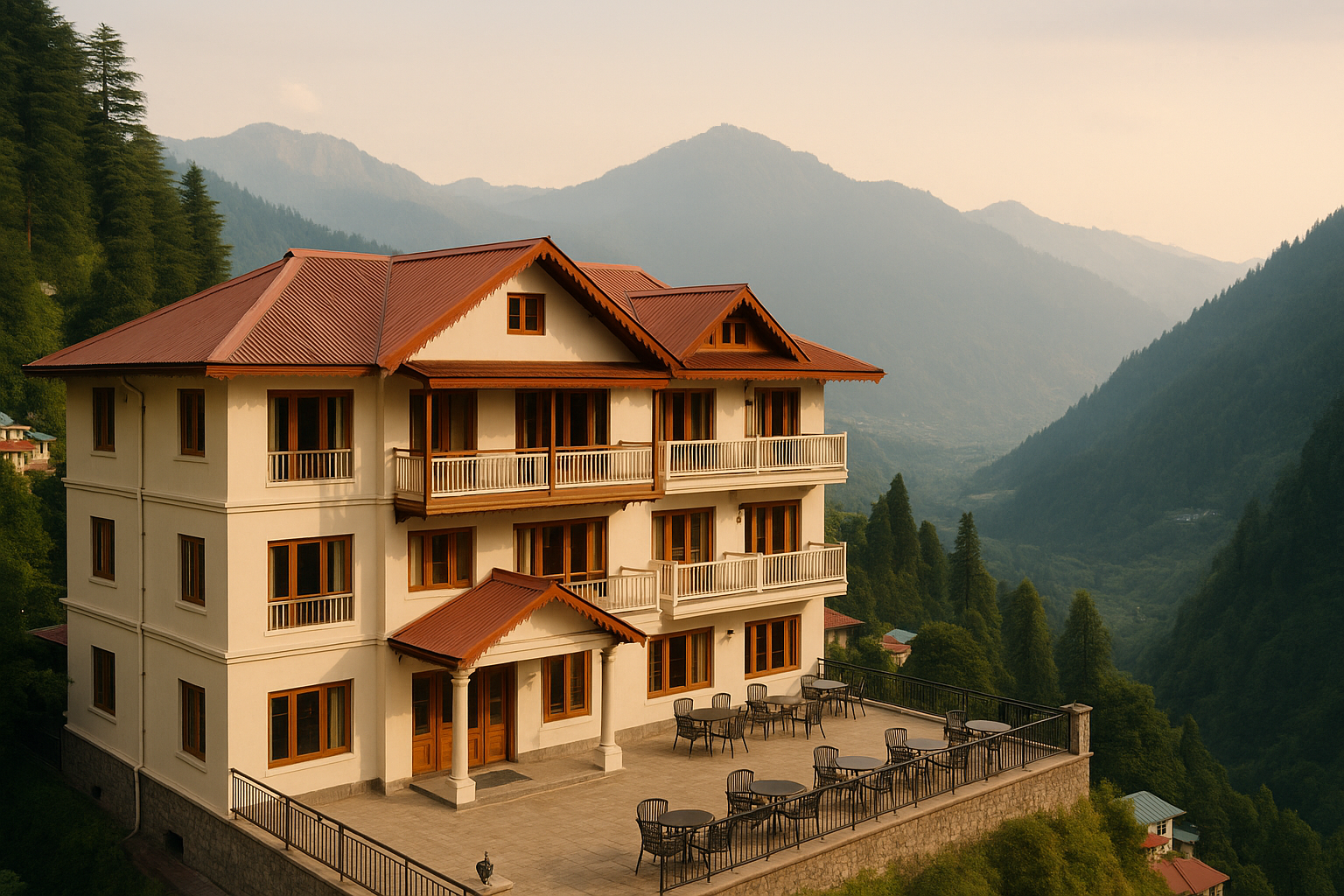
If you live anywhere around Delhi NCR, Chandigarh, Punjab, Haryana, even Jaipur side, you’ve probably had this same thought on a random office day: bas yaar, pahad jaana hai. Not a fancy luxury trip, not one of those ₹25,000 “quick getaways” that somehow cost more than a proper vacation... just a solid 3-day hill station trip where you can breathe cold air, eat maggi with chai, stare at mountains and come back without your bank account crying. I’ve done quite a few of these budget hill runs, mostly with friends, once solo, once with cousins who packed like they were shifting homes. And honestly, North India is full of places where ₹10,000 is enough for 3 days if you don’t go overboard with cabs and luxury hotels.
This post is for that kind of traveller. The very Indian kind. The one checking train availability at 1 am, comparing hotel rates on 4 apps, asking “shared cab mil jayegi kya?”, and still wanting a nice view room if possible. I’m keeping this practical but real. So not just pretty names. I’m talking budget, transport, food, crowd scene, safety, what’s actually fun, and where I personally felt the trip was paisa vasool. Also yeah, prices can shift a bit during long weekends and snowfall season, so take the ranges as realistic averages, not some fixed law of the universe.
First things first... can you really do a hill station trip under ₹10,000?
#Short answer, yes. Very much yes. But with one condition: you need to choose destinations that are reasonably connected by bus, train, or shared taxi, and you should stay in budget hotels, hostels, or guesthouses. If you book 5 days before New Year and want a balcony room on Mall Road, then no chance boss. But for a normal weekend or weekday trip, ₹10,000 is pretty comfortable for one person for 3 days in a lot of North Indian hill stations.
- Budget stay: ₹700 to ₹1,800 per night for hostels, homestays, budget hotels
- Food: ₹250 to ₹700 per day depending on where you eat
- Local transport and sightseeing: ₹500 to ₹2,000 total if you plan smart
- Volvo or bus from Delhi/Chandigarh side: usually ₹500 to ₹1,800 one way depending on route and season
The cheapest trips are the ones where the hill station is direct-bus friendly. The moment you start taking private cabs everywhere, your “budget trip” becomes a dumb financial decision. Learned that the hard way in Himachal once. One spontaneous taxi and half my food budget was gone... painful.
1) Kasol - still a good budget trip if you do it right
#Kasol gets called overrated every few months online, but I’ll say this clearly: for a 3-day budget mountain trip, Kasol still works. Especially if you want that chill Parvati Valley vibe without planning too much. I went in shoulder season, not peak holiday rush, and the whole trip stayed under budget pretty easily. The trick is don’t keep hopping around too much. Stay in Kasol or Chalal, maybe do a short hike, maybe go till Manikaran, and just enjoy the pace.
Accommodation here ranges a lot. You’ll find hostel beds around ₹500-₹800 in off-season, and simple private rooms from ₹1,000-₹1,800. Cafes can be slightly pricey compared to regular North Indian dhabas, that’s true, but if you mix one nice cafe meal with local food, you’re sorted. Bus from Delhi to Bhuntar side, then local ride to Kasol, usually keeps things manageable. What I liked most was not even the famous cafes, actually. It was the early morning walk by the river, cold air, almost no noise except water and dogs barking somewhere in the distance.
Best months? March to June for easy weather, then September to November if you want clearer skies and less chaos. Monsoon is green and beautiful but landslides and road delays are not uncommon in Himachal, so keep buffer time. Recent travel updates usually matter here because roads in the Kullu-Parvati belt can get affected after heavy rain. Always check local road status before leaving. Safety-wise, Kasol is generally okay for budget travellers, including solo travellers, but like anywhere popular, don’t get too casual late at night and avoid isolated trails after dark.
Kasol under budget works best when you treat it like a slow mountain break, not a checklist trip. If you start chasing every village in the valley in 48 hours, money bhi jayega, mood bhi.
2) McLeod Ganj and Dharamkot - maybe the best value hill trip in North India, no kidding
#If someone asks me for one hill station trip under ₹10,000 from Delhi that gives the most value, I usually say McLeod Ganj. Or more accurately, McLeod Ganj plus Dharamkot. This side of Dharamshala just has a lot going on for budget travellers. Good buses, tons of stay options, food for every budget, easy short treks, cute cafes, monasteries, mountain views, and enough activity that you won’t get bored even if it rains for a few hours.
I did this trip on a semi-sleeper overnight bus and reached in the morning half-dead but very excited. Found a room uphill in Dharamkot after bargaining a little, dumped my bag, had chai with paratha, and then walked around without any plan. That’s kind of the beauty here. You can do Bhagsu, waterfall, Namgyal Monastery, Dalai Lama temple area, Naddi for sunset, and even Triund if your stamina isn’t fake like mine was that one time. Hostel beds often start around ₹400-₹700, decent rooms around ₹1,000-₹1,700. Food can be super affordable if you eat at local Tibetan spots and dhabas instead of only fancy cafes with aesthetic lamps and ₹240 coffee.
One more useful thing. This area has become more organized for remote workers and backpackers now, so Wi-Fi and work-friendly cafes are easier to find than before. That also means weekends can get crowded, especially around Bhagsu and the main market. If you want peace, stay in upper Dharamkot or somewhere a little away from the center. March to June is nice, September to early December also really good. Deep winter can be magical but very cold, and some budget stays don’t insulate rooms properly at all... like at all. I’ve slept in one such room and I’m still emotionally recovering.
3) Mussoorie - yes, it can still be done cheap despite the touristy rep
#A lot of people assume Mussoorie is expensive now, and okay, some parts of it are. But if you avoid peak long weekends and don’t insist on a colonial-style fancy hotel with valley-facing breakfast, Mussoorie can still fit a ₹10,000 budget for 3 days. It helps that buses to Dehradun are frequent from many North Indian cities, and from Dehradun you can get shared taxis or local buses uphill without spending too much.
My own Mussoorie trip was a bit chaotic. Reached during light fog, got into an argument with an auto guy in Dehradun, missed one bus, then somehow landed in a guesthouse near Library Chowk that looked average outside but had a killer view from the terrace. That’s the thing with Mussoorie, some of the best moments are not in the big “must visit” list. Just walking Camel’s Back Road in the evening, bun omelette in hand, clouds moving across the valley... solid scene. Kempty Falls is famous but crowded. I personally liked Landour side much more, though food there can get expensive unless you plan well.
Budget stays in Mussoorie usually begin around ₹900-₹1,600 for simple rooms if booked a bit early. Shared dorms are less common than Himachal but available in some hostels and backpacker stays. Food budget can stay moderate if you eat local thalis, momos, maggi, bread-omelette, chai, and the occasional cafe stop. Best time is April to June or September to November. During monsoon, roads can be slippery and foggy, though the greenery is honestly gorgeous. Also, traffic has become a real issue during peak seasons, so walking-friendly planning is smarter than trying to cab your way through every point.
4) Nainital - touristy, yes, but still a very practical budget hill station
#Nainital is one of those places many of us visited as kids, then ignored for years thinking it’s too mainstream. But if you want a convenient short hill trip, especially from Delhi, Bareilly, Moradabad, or even Lucknow side, Nainital still makes sense. Trains till Kathgodam keep the journey budget-friendly, and from there shared taxis/buses are easy enough. It’s not a hidden gem, not at all. But for 3 days, it works.
The key here is staying slightly away from the most expensive lake-facing stretch. The closer you are to prime Mall Road views, the more you pay. Walk a bit uphill or stay in nearby quieter areas and rates drop fast. I found a family-run guesthouse once that charged around ₹1,200 a night, gave hot water, extra blanket, and the aunty there fed us aloo paratha that was honestly better than most restaurants. Boating on Naini Lake, ropeway if it’s operating smoothly, Snow View Point, Tiffin Top, local market strolls, momo stalls, hot gulab jamun in cold weather... simple joys, but nice ones.
Summer is busy, obviously. October is lovely. Winter is cold but charming if you like that older hill-town vibe. During heavy holiday rush, hotel prices jump sharply, so booking ahead matters more in Nainital than some backpacker-heavy places. Safety-wise it’s generally family-friendly and easy to navigate, though steep roads can be tiring for elders. Also, with increasing traffic controls on crowded dates, be mentally prepared to walk more than you expected. Not always a bad thing, unless you packed three unnecessary jackets like me.
5) Jibhi - for people who want a quieter Himachal trip without burning cash
#Jibhi became popular pretty fast, and yes Instagram did its thing, but it still has that softer, calmer feel compared to the bigger names. It’s one of my fav budget hill options when I want forest vibes, wooden homestays, riverside sound, and less market madness. The route usually goes via Aut or Banjar side, and shared transport can take a bit of coordination, but it’s doable. If you’re splitting local cab cost with friends, even better.
Stays here range from hostel dorms around ₹600-₹900 to cozy rooms around ₹1,200-₹2,000, depending on view and season. You can keep the total budget under control by choosing one main sightseeing day and one relaxed day. Jibhi Waterfall is easy, Jalori Pass is beautiful if weather is clear, and Serolsar Lake trek is worth it if you don’t mind a moderate walk. What I loved was how evenings feel here. No huge commercial noise, just the occasional bonfire setup, local dogs, river sound, and that mountain quiet that somehow resets your brain a bit.
One thing though, because this is a smaller destination, ATMs and network reliability can be patchy in some stretches. Carry some cash. Check weather before going, especially in winter, because road conditions near Jalori can change. Food is mostly cafe-style plus basic local fare, and while not dirt cheap everywhere, it’s manageable if you don’t order like you’re on a honeymoon package. Best seasons are March to June and post-monsoon autumn. During heavy rain, road disruptions in Himachal are a real thing, so don’t ignore local advisories.
6) Lansdowne - the easiest low-drama budget hill getaway
#Now if you want a hill trip that is simple, calm, not too exhausting, and very doable under budget, Lansdowne is honestly underrated. It doesn’t have the “big trip” feel of Himachal maybe, but for a quick 3-day reset, it’s lovely. Cleaner, quieter, cantonment discipline, fewer chaotic crowds, and easy enough for couples, solo travellers, families, even people travelling with parents.
What keeps Lansdowne affordable is that sightseeing is not too spread out. Bhulla Tal, Tip n Top, St. Mary’s Church area, local market, simple viewpoints, and slow walks through pine-covered roads... that’s kind of the charm. You don’t need to spend a bomb on vehicles. Budget hotels and guesthouses often sit around ₹1,000-₹1,800, and food is pretty reasonable compared to trendier hill places. I went expecting it to be “too sleepy” and maybe boring, but ended up liking that exact thing. Some trips don’t need adrenaline, yaar. Sometimes you just need clean air and less WhatsApp.
Best for: people coming from Delhi, Meerut, Haridwar, Kotdwar side who don’t want a super long journey. Best months are almost year-round except intense monsoon days when road travel can be messy. It’s also one of the safer and more manageable options for first-time hill travellers. Not a party place at all, so if that’s your priority, skip it.
How to actually keep the total under ₹10,000 without feeling kanjoos
#This part matters more than destination choice, honestly. I’ve seen people spend ₹6,500 in Kasol and others spend ₹14,000 in the same place because one planned and one just winged everything. Winging it sounds cool till you’re paying surge prices in the mountains.
- Travel overnight by bus or train where possible, saves one hotel night and daytime travel hours
- Book stay first, not last. Budget rooms disappear fast on weekends
- Choose 1-2 paid activities max. You don’t need to do every viewpoint, ropeway, cafe and taxi tour
- Eat local for at least two meals a day. Hill station momos, rajma chawal, thali, maggi, chai are your budget’s best friends
- Share cabs whenever possible, or stay in walkable areas to reduce local transport cost
A realistic 3-day budget can look something like this: transport ₹1,500-₹3,500, stay ₹2,000-₹4,500, food ₹1,000-₹2,000, local travel and entry fees ₹800-₹2,000. That still keeps you inside ₹10,000 in most of the places above. If you’re travelling as a pair or a group and splitting room costs, it gets even better.
Quick truth bomb on safety, seasons, and what people usually ignore
#Hill station travel looks easy on reels, but a few practical things really matter. During monsoon, Himachal and Uttarakhand roads can face landslides, delays, and occasional closures. In winter, black ice and fog can create driving issues. So please don’t plan return journeys too tightly if you have office the very next morning. Keep buffer. For solo women travellers, McLeod Ganj, Nainital, Mussoorie, and Lansdowne generally feel easier logistically because they’re more established and have better stay density. Kasol and Jibhi are also manageable, but choose well-reviewed accommodation and avoid reaching too late at night if possible.
Another thing people ignore is altitude plus exhaustion. You don’t need to trek hard, party hard, and wake up at 5 am for sunrise all in one trip. You’ll just return sick and dramatic. Pack one proper warm layer even in summer because nights can still surprise you. Keep offline maps downloaded, carry cash, and don’t fully depend on UPI in smaller areas. Most places do accept it now, yeah, but networks can be moody. Very moody.
So... which one would I pick personally?
#If I had to choose just one for overall value, I’d probably say McLeod Ganj-Dharamkot. It’s the most balanced. Good vibe, budget-friendly, scenic, enough to do, and not too complicated. If I wanted peace, Jibhi. If I wanted easy planning and family comfort, Nainital or Lansdowne. If I wanted a slightly more youthful, lazy mountain mood, Kasol. And if I wanted old-school hill station feels with easy access, then Mussoorie still has its place, crowd and all.
End of the day, the best hill station under ₹10,000 isn’t just about cost. It’s about what kind of break you need. Loud cafe trip with friends? Quiet forest stay? Temple-town plus mountain mix? Walkable market and family scenes? Figure that out first. Otherwise you’ll copy someone else’s itinerary and spend half the trip wondering why it doesn’t feel right. Been there, done that, wasted money on a “popular spot” that just wasn’t my thing.
Anyway, if you’ve been postponing a mountain trip because budget tight hai, trust me, you probably don’t need a huge amount. Just a decent plan, one backpack, and the willingness to take that overnight bus even if your spine complains a little. North India still has enough hill stations where 3 days can feel like a proper reset without crossing ₹10,000. And that’s kind of beautiful, honestly. For more such grounded travel reads, check out AllBlogs.in.