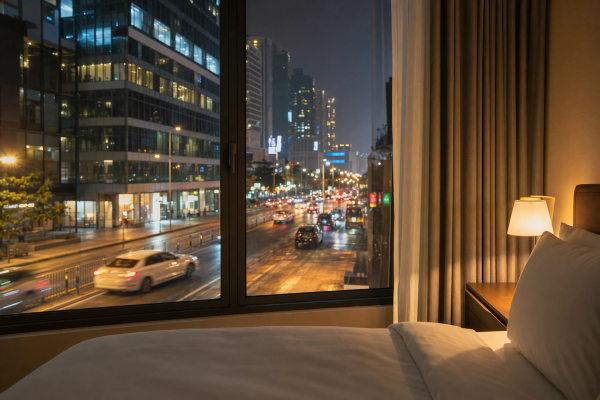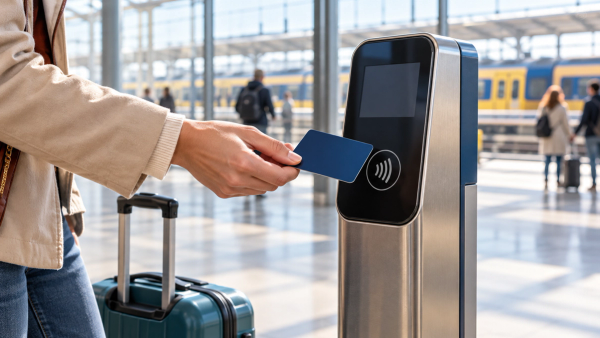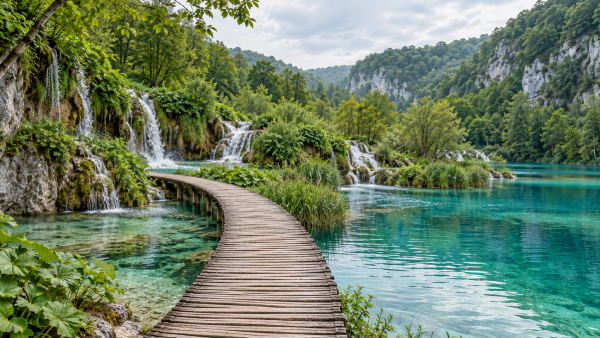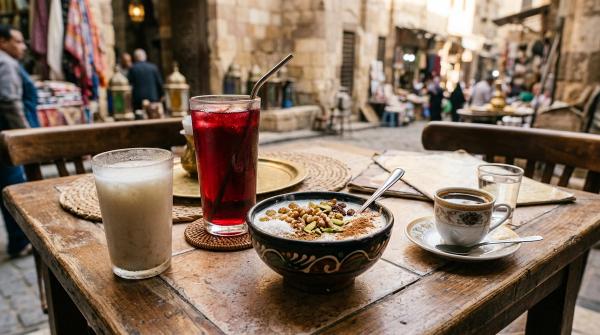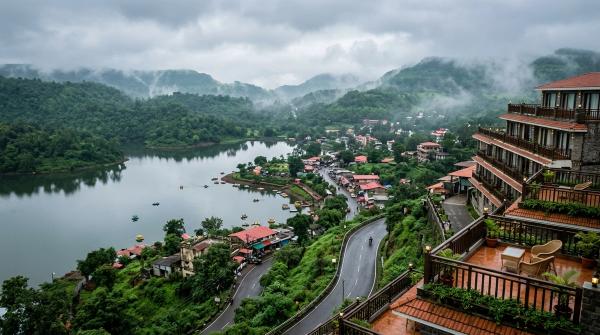
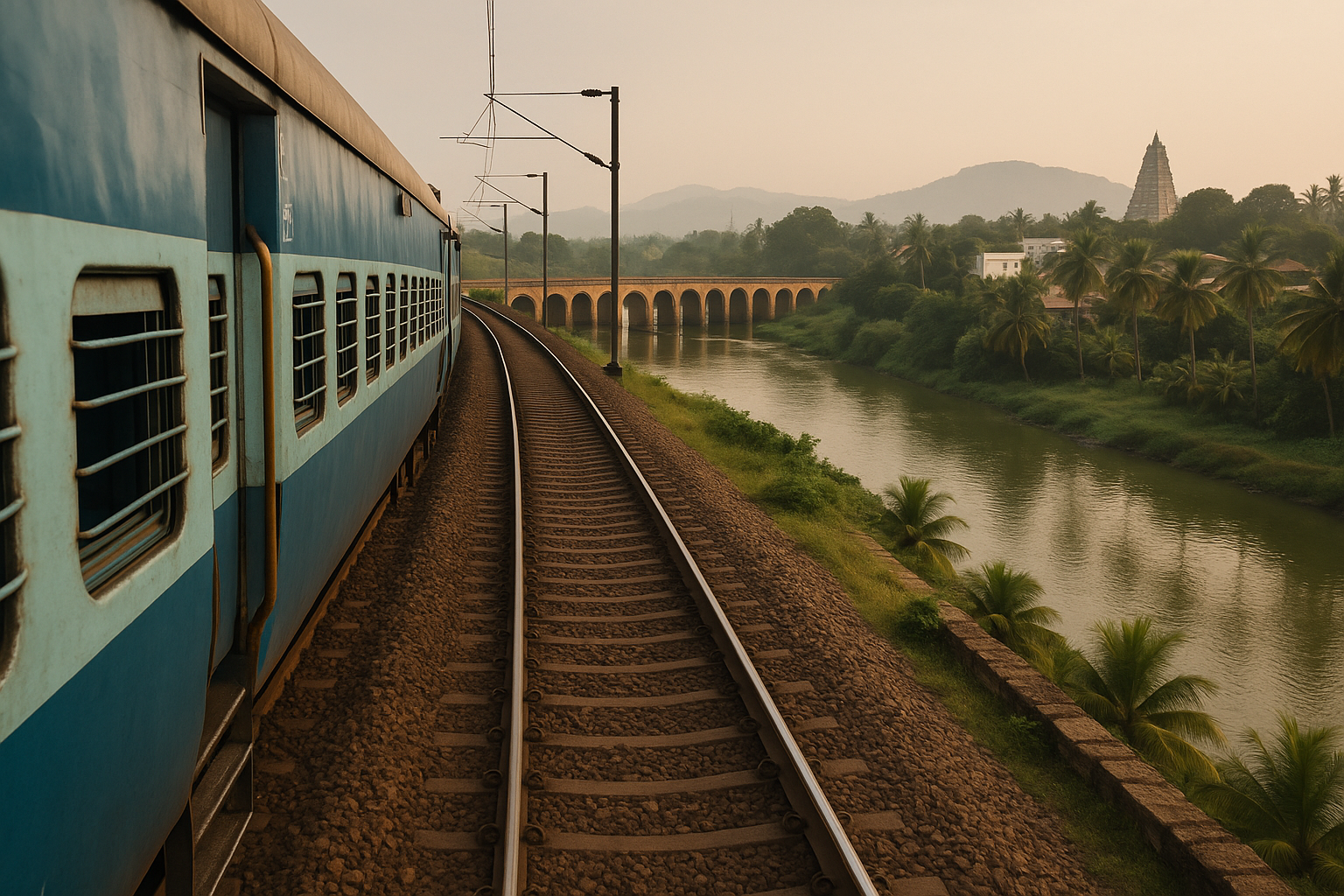
There’s a very specific kind of peace you only get on an overnight train in India. Not airport peace, because airports are basically fluorescent chaos with overpriced coffee. Not highway peace either, because buses can be... well, neck-breaking on bad roads. I mean that old-school train peace where you board in the evening, stuff your bag under the berth, hear the chai guy one last time, and then wake up somewhere completely different. For me, overnight trains have always felt like travel without the drama. You move while sleeping. You save a hotel night. And if you pick the right route, the journey itself becomes half the reason to go.
This post is for people who want scenic overnight train routes in India but also low-stress ones. Big difference. Not every famous route is relaxing. Some are iconic, sure, but too crowded, too delayed, too hectic unless you’re mentally prepared. So I’m not just listing random trains with nice views. I’m talking about routes that actually feel manageable, especially for solo travelers, couples, families, even older parents who don’t want too much running around. These are routes I’ve taken fully or partly, or done enough railway hopping around those sectors to know what works in real life, not just on paper.
Why overnight trains still make so much sense in India
#Honestly, even now, overnight trains are one of the smartest ways to travel across India. Railway connectivity is huge, fares are still way more reasonable than last-minute flights, and on many routes the train drops you right near the heart of the city instead of some airport 40 km away. Plus Indian Railways has gotten more digital and easier to deal with than before. E-catering, live train tracking, UTS for some unreserved bookings, better station displays, more CCTV at major stations, Rail Madad for complaints, all that stuff does help. Is it perfect? Nah. But it’s better than people who haven’t traveled recently think.
A small thing I’ve learnt the hard way: if your goal is low-stress travel, don’t blindly chase the fastest train. Pick the route with a sane departure time, decent punctuality record, and a station that won’t make you fight ten thousand people with three suitcases and a confused auntie. Also, for sleep, 2AC is worth the extra money if your budget allows. 3AC is still the sweet spot for most people. Sleeper can be lovely in winter and on less crowded routes, but in peak season it gets tiring if you just want calm.
1) Konkan Railway stretch by night and morning: Mumbai to Goa
#If someone asks me for one overnight train route in India that feels cinematic without being too complicated, I almost always say Mumbai to Goa. Not because it’s some hidden gem, it’s not, but because it delivers. You leave Mumbai after the city has worn you out, sleep through part of Maharashtra, and then wake up to that Konkan magic... red earth, tunnels, coconut trees, little bridges, mist in the monsoon, sudden flashes of rivers and backwaters. In the rains this route is ridiculously beautiful. Like, unfairly beautiful.
The practical bit. Trains on this corridor include options like the Mandovi Express and Jan Shatabdi in daytime, but if you specifically want overnight, look at trains connecting Mumbai with Madgaon or Vasco that arrive in the morning. Availability can get tight around Christmas-New Year, long weekends, and peak December beach season, so book early. During monsoon, delays can happen because the Konkan section is weather-sensitive, though safety monitoring on the route is pretty serious nowadays. If you’re a nervous traveler, post-monsoon is maybe the sweet spot: lush scenery, less disruption, still green everywhere.
- Best months: October to February for comfort, June to September for peak scenery if you don’t mind possible delays
- Good class choice: 2AC for couples or light sleepers, 3AC if you want balance
- On arrival stay options in Goa: hostels from around ₹500 to ₹1,200, decent guesthouses ₹1,500 to ₹3,000, mid-range hotels ₹3,500 and up depending on area
Madgaon is more practical than people assume. From there, cabs and app taxis may be available depending on time and area, and pre-paid or local taxi systems still matter. If you want a calmer Goa, head south. If you want cafés and nightlife, yes, North Goa is easier. Btw, if your train reaches early and hotel check-in is late, book the previous night only if you really need sleep badly. Otherwise just freshen up at station retiring rooms or use a day-use stay nearby. Saves money.
2) Delhi to Udaipur: the easiest royal-feel overnight run
#This one is so under-rated for stress-free travel. Delhi to Udaipur by overnight train is one of my favourite practical routes because the contrast is lovely. You leave NCR madness in the evening and wake up in Rajasthan, where even the air somehow feels slower. The approach into Udaipur isn’t dramatic in a Himalayan way, but the landscape shift is beautiful in a dry, understated style. Low hills, open stretches, pale light in the morning, little stations with that chai-and-kachori energy. It eases you into the city nicely.
What makes this route good for normal travelers, not just train nerds, is that Udaipur is compact enough to enjoy without overplanning. From the station, autos and cabs are easy. Hotels exist in every budget. You can do lakes, old city walks, rooftop dinners, maybe Sajjangarh for sunset, and not feel exhausted. I’ve done this route when I wanted a break but not a full expedition, and it genuinely worked.
- Typical stay range in Udaipur: backpacker hostels ₹400 to ₹900, heritage guesthouses ₹1,200 to ₹3,500, nicer lake-facing stays ₹4,000+ and can shoot up a lot in season
- Best months: October to March
- Food tip: try dal baati churma, gatte ki sabzi, and if you want simpler stuff after train travel, poha and masala chai near the old city rarely fail
One warning though, if your train reaches too late in the morning and you planned same-day sightseeing, don’t overstuff the day. Udaipur looks romantic on Instagram, but the lanes can be tiring with bags and traffic. Keep day one light. Boat ride, café, maybe City Palace. Bas.
3) Howrah/Kolkata to New Jalpaiguri: gateway train for the hills
#Anybody from eastern India already knows this route’s importance. Kolkata to NJP is not just a train ride, it’s practically a ritual before Darjeeling, Kalimpong, Kurseong, Dooars, Gangtok side trips, all of that. And as overnight routes go, it’s one of the most useful in the entire country. You sleep in the plains and wake up close to tea country and hill weather. The scenery right before arrival can be really soothing, especially in winter mornings when there’s mist sitting low over the fields.
This route is low-stress because it connects well onward. From NJP, shared cabs, reserved taxis, and buses fan out toward the hills. But yeah, NJP can get crowded and a little messy, not gonna lie. Keep your hotel booked in advance if you are arriving in peak holiday season. If you’re heading to Darjeeling or Gangtok, arrange pickup when possible. Bargaining with drivers after a night journey when you’ve barely had tea is not a spiritual experince I reccomend.
- Best months: October to December for clear mountain chances, March to May for pleasant weather
- Avoid expecting perfect hill views in heavy monsoon months because landslides and road closures can affect onward travel
- Budget stays near NJP/Siliguri: around ₹800 to ₹2,000, with better branded options from ₹2,500 upward
A trick a lot of regulars use: don’t rush straight up to the hills if you’re tired. Sleep one night in Siliguri, eat properly, then continue next morning. It sounds boring, but for low-stress travel it’s honestly smarter than pretending you’re in some adventure montage.
4) Chennai to Madurai or Tirunelveli: temple route, gentle pace, very South Indian comfort
#South India does overnight trains in a very comforting way, I don’t know how else to explain it. Maybe it’s the food, maybe the station rhythm, maybe I just associate it with filter coffee at dawn. Chennai to Madurai is one of those routes I’d suggest to anyone who wants an easy overnight with culture waiting at the other end. The route itself isn’t all epic mountain drama, but the morning arrival feeling is excellent. Warm light, temple town buzz starting up, idli-vada breakfast, autos honking softly, not the full-volume panic of some bigger junctions.
Madurai works brilliantly for a short trip. Meenakshi Amman Temple is obviously the anchor, but there’s also old markets, banana chips, jigarthanda, and that deep lived-in Tamil city vibe that no polished tourist district can fake. If you continue onward to Tirunelveli or even Nagercoil side, the train journey starts becoming more of a southern corridor experience with changing landscape and fewer North India style rushes. I mean rush exists everywhere in India, let’s not lie, but the texture is different.
- Stay costs in Madurai: simple lodges from ₹700, decent AC rooms ₹1,500 to ₹3,000, business hotels ₹3,500+
- Best months: November to February, because summer here can drain your soul a bit
- Must-eat after arrival: idli, kari dosa if you eat non-veg, and jigarthanda in the evening
If temple visits are your focus, dress modestly and keep some cash for small purchases, lockers, and offerings. Digital payments are common in cities now, yes, but India still runs partly on loose change and QR codes that randomly fail when your network disappears.
5) Bengaluru to Hospet for Hampi: one of the best low-effort high-reward train trips
#This route is such a win. Bengaluru to Hospet overnight, then Hampi the next morning? Fantastic. You leave after work if you want, sleep, reach, and suddenly the world turns from tech-park urgency into boulders, ruins, banana plantations and a kind of silence that feels ancient. The route itself isn’t always sold as scenic in the classic sense, but the whole overnight-to-landscape transition is very satisfying. And Hampi is one of those places where arriving by train somehow feels more right than flying to some far airport and driving forever.
For low-stress travelers, the key is staying either near Hosapete station for one night or going straight to Hampi depending on arrival time. Auto and taxi transfers are available, and many homestays can help arrange pickup. Accommodation in Hampi area ranges a lot because the setup has changed over time and regulations have affected some zones, so always verify exact location before booking. Don’t just see a pretty photo and assume it’s walkable to the ruins. Many are not.
- Typical budget: hostels/guesthouses ₹600 to ₹1,500, homestays ₹1,500 to ₹3,500, boutique stays can go much higher
- Best season: October to February
- What makes it low-stress: manageable rail timing, easy onward transfer, and once you’re there you can explore slowly by cycle, scooter, auto, or on foot
And please, start early in Hampi. Midday heat can make even beautiful stone architecture feel like punishment. Sunrise at Matanga Hill side, coracle ride areas, Virupaksha surroundings, quiet ruins in the morning... that’s the good stuff.
6) Delhi to Kathgodam: overnight into the Kumaon hills
#This is one route I recommend all the time to friends who want the hills without the total travel meltdown. The overnight train to Kathgodam is such a practical entry point for Nainital, Bhimtal, Mukteshwar, Almora, Ranikhet, even further Kumaon stays. You board in Delhi, sleep, arrive early, and continue by taxi as the hills wake up. The route itself is not like some panoramic mountain railway, because the real hill scenery starts after Kathgodam, but as a low-stress overnight connector it’s brilliant.
The reason this deserves a spot on a scenic list is what comes after. Your morning road ride from Kathgodam often gives you that first proper hill feeling without needing to do the entire all-night road trip from Delhi. Trust me, avoiding that overnight hill drive in peak traffic is a blessing. I’ve done both and train-plus-morning-taxi wins unless you love suffering for charactar development.
- Best months: March to June for summer escape, September to November for clearer skies
- Peak holiday warning: long weekends and school vacation periods fill up fast, both train berths and hill hotels
- Stay budgets in Nainital/Bhimtal region: ₹1,200 basic stays, ₹2,500 to ₹5,000 solid mid-range, premium lake or mountain properties much higher
For families, this route is especially nice. Less airport hassle, easier luggage handling, and grandparents usually prefer a train berth to budget airline circus. Just carry a light shawl even in warmer months because AC coaches can get weirdly cold at 3 am.
7) Mumbai to Udaipur or Jaipur side via overnight rail: if you want slow romance without too much effort
#I’m sneaking this in because western India has some really satisfying overnight links that people ignore while chasing flights. Mumbai to Rajasthan by overnight train can be a surprisingly calm way to shift gears. The landscape transitions gradually, station food changes, language mix changes, and by morning you feel mentally far from the coast. Jaipur itself can be hectic, so for pure low-stress I still prefer Udaipur. But both work if you plan arrival properly and don’t schedule your whole life for the first afternoon.
Jaipur has the better big-city infrastructure, wider hotel range, and easier local transport options including metro on some stretches plus app cabs. Udaipur has softer energy. So choose based on what you need. If you’re doing a couple trip, honestly Udaipur by overnight train is a bit underrated-romantic. If you’re doing shopping and forts, Jaipur wins. Simple.
Stuff that actually makes an overnight train trip low-stress, not just scenic
#A lot of train discomfort in India doesn’t come from the train. It comes from bad planning. Harsh but true. If you want easy travel, board at the originating station when possible. Download your ticket screenshot because network can vanish at exactly the wrong time. Carry a chain lock for luggage in Sleeper and 3AC if you’re uneasy. Keep slippers for the washroom run. Use a small pouch for phone, power bank, Aadhaar copy, wallet. And for the love of god, don’t pack your toothbrush in the deepest philosophical corner of your suitcase.
- Choose LB or UB if you want fewer berth negotiations with strangers
- Take your own light bedsheet or stole if you’re fussy, even in AC where linen is usually provided
- E-catering is useful on many routes, but keep backup snacks because station delivery can miss occasionally
- At major stations, retiring rooms and dorms can be surprisingly helpful for freshening up after arrival
Safety wise, I’d say Indian trains on major routes are generally fine if you use normal common sense. Stay aware at stations, avoid flashing gadgets, don’t leave bags unattended, and be careful with unsolicited food from strangers. Solo women travelers I know often prefer 2AC or 3AC and upper berths for a bit more comfort. Families should keep one adult awake during odd-hour station stops if luggage is near the door. Basic things, but they matter.
Best season overall, and when not to force the trip
#If your priority is scenic plus comfortable overnight rail travel in India, October to March is the broad sweet spot for most routes. The weather is kinder, delays are usually less dramatic than peak monsoon sectors, and you don’t arrive already exhausted from heat. That said, some routes are worth doing specifically in monsoon, especially Konkan. You just have to accept that lush beauty and strict punctuality are not always best friends. Summer can still work for hill gateways like Kathgodam or NJP, but for plains-and-heritage routes I’d avoid peak May unless you’re very heat-tolerant.
One more recent trend worth noting: premium and semi-premium trains get attention, but regular mail/express overnight routes are still the real backbone for practical travel. Dynamic pricing can make some classes expensive on busy dates, so compare trains instead of fixating on one famous option. And if a route has multiple stations in a city, double-check departure and arrival points. I once nearly landed at the wrong Bengaluru station for an early train and, uh, that was not my finest logistical moment.
My honest shortlist if you just want the easiest good trip
#If you’re confused and want me to simplify the whole thing, here’s my personal shortlist. For best scenery, Mumbai to Goa. For easiest heritage escape, Delhi to Udaipur. For hill access, Delhi to Kathgodam and Kolkata to NJP. For food-plus-culture comfort, Chennai to Madurai. For that wow payoff after one night’s sleep, Bengaluru to Hospet for Hampi. None of these are obscure, I know. But that’s partly why they work. Good overnight train routes don’t need to be secret. They need to be reliable enough, beautiful enough, and easy enough that you arrive wanting to travel more, not less.
That’s really my thing with trains in India. They can still surprise you in the best way. A steel tumbler of chai at dawn, someone snoring like a diesel engine, the blue berth curtain half-open, green fields sliding past, your phone full of half-sleepy photos you probably won’t post... and somehow the trip already feels rich before the destination has even begun. If you’re planning one soon, start with one of these routes and keep it simple. You’ll figure out your own favorites after that. And yeah, if you like reading travel pieces written in this sort of practical-heartfelt mess, go browse AllBlogs.in.