I used to think theme park food was just, you know, a survival thing. A paper tray of fries, a soda sweating in the sun, maybe a sad burger eaten while standing beside a stroller. Then I started traveling with kids, cousins, aunties, grandparents, the whole moving circus, and I realised theme park food timing is basically a sport. A delicious, chaotic, sometimes sticky sport. If you get the timing right, the day feels smooth. If you get it wrong, suddenly someone is crying near a roller coaster entrance because they ate nachos five minutes before a spinning ride. Been there. Not proud.
This post is about that sweet spot between snacks and rides, because theme parks are not normal travel days. You can’t eat like you’re wandering a slow European old town, and you can’t snack like you’re on a road trip either. Parks have queues, heat, excitement, motion sickness, mobile ordering windows, character meals, popcorn smells attacking you from all sides, and children who insist they are not hungry until the exact second you are locked into a 70-minute line. So yeah, food timing matters. A lot.
The First Rule I Learned the Hard Way: Breakfast Is Not Optional
#My biggest theme park mistake happened years ago at Universal Orlando, on one of those humid Florida mornings where your hair gives up before 9 AM. We rushed in because we wanted to hit the Harry Potter rides early, and I thought, foolishly, that we’d grab something after the first ride. Just one ride. Except one ride became two, then the queue got longer, then my niece turned pale, and my brother said he was “fine” in that very dangerous dad voice that means he is absolutely not fine.
By the time we sat down near Three Broomsticks, everyone was too hungry to make decisions. That’s when theme park menus become stressful. Do we share? Does the kid want pancakes? Is butterbeer breakfast? Not officially, but emotionally, yes. Anyway, I learned: feed the family before the gates, or immediately after entering if you must. Not a giant oily feast, but something steady. Eggs, toast, fruit, idli if you packed from home or stayed somewhere with Indian breakfast, a bagel, yogurt, coffee for the adults because honestly we deserve it.
I love a destination breakfast, even outside theme parks. It sets the whole mood of the travel day. Same logic as eating properly before wet-road sightseeing in Coorg, which I wrote about in Coorg Coffee Estate Breakfast in Monsoon: Before Wet Roads. Before a theme park, breakfast is your seatbelt. Not glamorous, maybe, but you’ll miss it when it’s not there.
The Ride-and-Snack Clock I Actually Follow
#Ok so here’s my loose timing thing. Not perfect, because kids and weather and ride closures don’t care about your plans. But it works more often than not. Before fast rides, keep food light. After intense rides, wait a little before heavy snacks. Use mid-morning for the fun treat, not just afternoon. Lunch early or late, never exactly when every other family in the park is also trying to eat. And hydration is not a side quest. It is the main quest disguised as boring water.
| Time-ish | What I usually do | Why it works |
|---|---|---|
| Before park opening | Real breakfast plus water | Nobody starts the day hangry, and the first rides are easier |
| 9:30-10:30 AM | Dry snack or fruit if needed | Keeps kids stable without ruining lunch |
| 10:30-11:30 AM | First iconic treat | Shorter food lines, better moods, better photos too |
| 11:15 AM or after 1:30 PM | Lunch | Avoids the worst restaurant crush |
| Mid-afternoon | Cold drink, salty snack, shade | This is when families melt down, literally and emotionally |
| Before spinning/coaster rides | Small sips, no creamy/heavy food | Your stomach will thank you |
| Dinner | Either early inside park or outside after leaving | Depends on fireworks, tiredness, and budget |
I know some people will say, “But we paid so much, we must maximize rides!” And yeah, I get it. Tickets are not cheap. But a ten-minute snack break can save an hour of bad moods later. Food is not wasted time in a theme park. Food is maintenance. Food is comfort. Food is also part of the travel memory, especially if you choose the right things instead of panic-buying the closest beige item.
What to Eat Before Roller Coasters, Spinning Rides, and Those Sneaky 3D Ones
#Nobody talks enough about the 3D rides. Everyone warns you about roller coasters, but those simulator rides can mess with your stomach in a very personal way. I can eat a full lunch and do a gentle boat ride, no problem. But give me a screen-based ride after a creamy milkshake and suddenly I’m questioning every life choice. For families, especially with smaller kids or grandparents, I keep the pre-ride food simple: crackers, banana, pretzel, plain popcorn, maybe a small sandwich. Not too much spice, not too much dairy, and definitely not that massive loaded fries thing before a ride that spins.
- Before coasters: water, dry snacks, maybe a banana, nothing too greasy.
- Before spinning rides: keep it very light. I don’t care how brave your 8-year-old says they are.
- Before water rides: don’t eat anything messy unless you enjoy wearing sauce on wet clothes.
- Before long slow rides: this is where churros, popcorn, or a bakery snack can work nicely, if rules allow you to finish before boarding.
On one trip to Disneyland, we made the beautiful mistake of getting Bengal Barbecue skewers before a bunch of Fantasyland rides. The skewers were great, honestly one of the more practical savory snacks in the park because you can share and they don’t feel like a brick in your stomach. But then one kid got sauce on his shirt, another decided the smell was “too smoky,” and we spent fifteen minutes doing wet-wipe surgery on a bench. Still worth it? Maybe. Actually yes, I’d do it again, just not right before a ride queue.
The Best Theme Park Snack Is the One You Eat Before Everyone Is Desperate
#This is my snack philosophy now: snack early, snack small, snack intentionally. The worst time to buy food is when everyone is already cranky. You make bad decisions then. You overpay for things nobody really wants. You stand in a queue just because it’s there. I’ve done this with popcorn buckets, cinnamon rolls, pretzels, and once a strange neon drink that tasted like melted candy and regret.
My favorite snack timing is around 10:30 or 11 in the morning. The lunch rush hasn’t fully started, kids are usually proud of themselves for doing a few rides, and adults are still optimistic. This is when I’ll go for the park-famous item: a Dole Whip at Disney, churros at Disneyland, butterbeer at Universal, popcorn at Tokyo Disney Resort, or something seasonal if the park is running a food festival. Epcot in Walt Disney World is especially dangerous in the best way, because the festival booths turn snacks into a whole travel itinerary. You can taste your way through little global plates, which sounds elegant until a child drops a fork and someone wants mac and cheese from three countries ago.
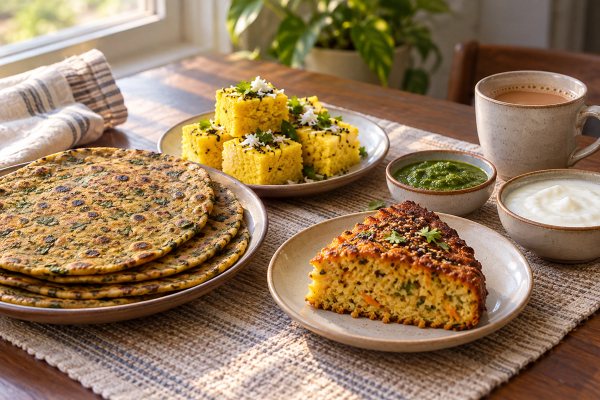
Also, if you’re traveling with Indian family members, don’t underestimate the emotional value of carrying familiar dry snacks. Thepla, khakhra, roasted makhana, chikki, small packs of namkeen, even plain biscuits. Not to replace the park food, because I’m absolutely here for theme park eating, but to bridge gaps. It’s the same logic I use for museums and long sightseeing days, and the snack debate is real there too. I talked about that in Museum Cafe Meals While Traveling: Eat or Pack Snacks?, and honestly theme parks are just museums with more screaming and better ice cream.
Lunch: Go Early, Go Late, or Prepare for Battle
#Theme park lunch at noon is where dreams go to stand in line. I’m exaggerating, but only slightly. If you eat at 12:30, you’re joining every family that also got hungry after the morning ride sprint. Tables vanish. Mobile order pickup windows stretch out. Kids change their minds. Someone wants pizza, someone wants rice, someone wants nothing but then eats your fries. It’s a scene.
I try to eat lunch around 11:15 if we started early, or after 1:30 if we had a big breakfast and snacks. Early lunch feels weird the first time, like you’re a retiree on a cruise schedule, but it works. The food counters are calmer, the staff seems less frazzled, and you can actually sit. At Disney parks, mobile ordering through the official app is a huge help when it’s available, but don’t wait until everyone is starving to open the app. Look at the windows while you’re still in a ride queue or during a bathroom break. Universal’s app has dining info too, and many big parks now push mobile tools for menus, wait times, show times, and orders. It’s not glamorous travel writing, I know, but your phone can save lunch.
Restaurant-wise, I like places with indoor seating for lunch, especially in hot destinations like Orlando, Anaheim in summer, Singapore, or Dubai. A shaded outdoor table is cute until everyone’s napkin blows away and the toddler is red-faced from heat. At Disney’s Animal Kingdom, for example, I’ve had good family luck with bowls and grilled items because they feel more like real food. At Universal, Leaky Cauldron or Three Broomsticks can be fun for the atmosphere, though the queues can be intense. In Tokyo DisneySea, I still think about the snacks more than the meals, but even there, sitting down with something warm and savory can reset your whole day.
Food as a Travel Memory, Not Just Fuel
#This is the part where I get a bit sentimental, sorry. The thing about theme park food is that it gets tangled with place. A churro in a parking lot is just a churro. A churro eaten while the castle is glowing and your kid is wearing mouse ears slightly crooked? That thing becomes family folklore. Butterbeer tastes different when you’re standing under the crooked rooftops of Hogsmeade. A Mickey-shaped waffle is not the best waffle in the world, let’s be honest, but breakfast with that shape makes people smile. Even the popcorn in Japan, with all the wild flavors and cute buckets, becomes a souvenir before you even finish eating it.
I remember walking through Epcot during a food festival and trying a small plate from a booth while my nephew, who was maybe six, asked why we were “eating countries.” That’s still one of my favorite descriptions of culinary travel. Eating countries. Theme parks can be artificial, sure, and food festival versions of cuisines are simplified. But for families, they can also be entry points. A kid tries bao because it looks cute. Someone tastes plantains for the first time. A grandparent discovers they like a lemony dessert from a booth they would never choose in a normal restaurant. Is it the same as eating in the actual country? No. Obviously not. But it can spark curiosity, and that counts.
Hydration: Boring Until It Saves Your Day
#Water is the least exciting theme park “food” topic and probably the most important. Hot parks drain you. Walking drains you. Standing in queues drains you. Salty snacks drain you. And kids often don’t notice thirst until they’re already cranky or headache-y. I don’t rely only on sugary drinks, though I love a ridiculous frozen lemonade now and then. We carry refillable bottles when park rules allow, and I set little water moments: after every big ride, before lunch, before parade waiting, before evening shows.
If you’re traveling internationally, be sensible with water. In most major theme parks the food safety standards are structured, but your body may still react to new routines, heat, dairy, spice, or just the shock of walking 20,000 steps. For broader travel days, especially trains or stations or places where you’re less sure about handling, I tend to be more cautious, and this practical guide on Train Station Food Safety for Travelers: Eat or Avoid fits that mindset nicely. In theme parks, I’m not paranoid, but I do watch for freshness, crowd turnover, and whether cold items are actually cold.
The Afternoon Slump Is Real, and It Tastes Like Fries
#Somewhere around 2:30 or 3:00 PM, almost every theme park day gets wobbly. The morning excitement is gone, lunch is digesting, feet hurt, and the sun starts acting personal. This is when many families make the mistake of forcing more rides. I’ve done it. “Just one more ride before we rest.” Famous last words. The better move is shade, salt, cold drink, and maybe a low-pressure snack.
My afternoon favorites are popcorn, pretzels, fruit cups, ice cream if we’re sitting down, or something shareable like fries. I know fries are not exactly culinary genius, but in a theme park they can be a peace treaty. If the park has local flavors, I’ll chase those. In Asian parks, I’m more excited by savory buns, flavored popcorn, rice snacks, or noodles. In Europe, I’ve had surprisingly good sausages, pastries, and coffee in parks, especially where the food leans into regional habits instead of only generic fast food. Europa-Park in Germany, for instance, has country-themed areas and you can find more variety than you’d expect, though like any park, timing is everything.
This is also when I say yes to splitting. Not every adult and kid has to eat the same thing at the same time. One parent can take the snack runners while another sits with the stroller or saves a table. Older kids can choose between two nearby options. The goal is not a perfect family meal with everyone smiling at once. That almost never happens. The goal is stable blood sugar and nobody crying into a souvenir map.
Packing Snacks Without Becoming That Family With a Grocery Store Backpack
#There is a delicate art to packing snacks for a theme park. Too little and you suffer. Too much and you are hauling a pantry through security. I’ve been both people. My current rule: pack snacks that are light, clean, heat-tolerant, and emotionally reliable. No chocolate unless you enjoy backpack fondue. No very crumbly things unless your stroller needs a biscuit sandstorm. No strong-smelling food for indoor queues. Please, for the love of everyone trapped near you.
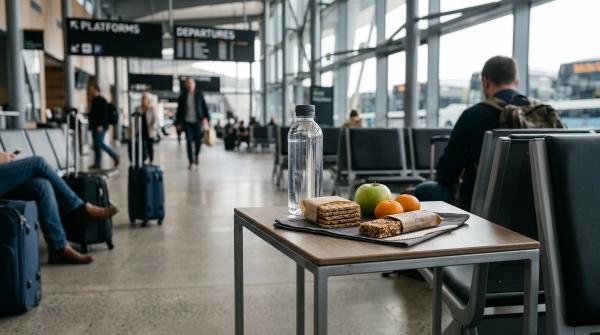
- Good picks: granola bars, roasted nuts if allergies aren’t an issue, dry fruit, crackers, thepla rolls, makhana, bananas, small biscuits, electrolyte sachets.
- Risky picks: chocolate, yogurt, mayo sandwiches, cut fruit sitting too long in heat, anything with too much sauce.
- For babies and toddlers: familiar pouches or snacks are worth their weight in gold, but check park rules before you go.
Many major theme parks allow some outside food, especially for dietary needs, babies, or small snacks, but rules vary a lot and can change. Always check the official park website before packing. Some places are strict about glass containers, alcohol, coolers, loose ice, or large meal setups. I once watched a family at security reorganize their entire bag because of a glass jar. Not a great start to a magical day.
Dinner Depends on Fireworks, Budget, and How Tired Your People Are
#Dinner is where I have conflicting opinions, and I’m fine with that. Part of me loves a sit-down dinner inside the park. It feels like a proper travel meal, especially if the restaurant has strong theming. You sit, breathe, order something warm, maybe have dessert, and suddenly everyone becomes human again. But another part of me thinks dinner inside a theme park can be overpriced and too slow when everyone is exhausted. Sometimes the best dinner is leaving the park, going back to the hotel, and eating noodles in pajamas. That is also luxury.
If you’re staying for fireworks or night shows, eat early. Like 5:00 or 5:30 PM early. Then you’re free to find a viewing spot, get a small dessert later, and avoid the post-show food stampede. If you’re skipping fireworks, consider leaving before the final rush and eating outside the park. Around Disneyland in Anaheim, the surrounding area has plenty of casual options. Around Universal Orlando, CityWalk makes dinner easy if you still have energy. At Walt Disney World, resort dining can be a nice break, though transportation time matters more than people admit.
For families with picky eaters, I don’t gamble at dinner. Lunch can be adventurous. Snacks can be playful. Dinner needs at least one safe dish per person. Rice, pasta, fries, plain chicken, dal if you’re somewhere offering Indian food, whatever works. Travel food should stretch you, yes, but not every meal needs to be a lesson. Sometimes you need the kid to eat and sleep. That’s it.
Queues, Mobile Orders, and the Tiny Joy of Eating While Waiting Smartly
#Theme parks have two kinds of waiting: dumb waiting and useful waiting. Dumb waiting is standing hungry in a food line at peak lunch because nobody planned. Useful waiting is checking menus while in a ride queue, placing a mobile order for a later pickup, or sending one adult to grab coffees while the others finish a bathroom stop. I sound bossy, but it works.
The most useful family habit is choosing food before you arrive at the counter. I ask the kids while we’re still walking: “Pizza or nuggets? Rice bowl or sandwich? Ice cream now or after the next ride?” Give choices, but limited ones. Open-ended questions create chaos. Also, if your family has allergies, vegetarian needs, Jain food preferences, halal needs, or gluten-free requirements, research before the trip. Big parks usually publish menus and allergen information, and many table-service restaurants can help, but you don’t want to discover your options while everyone behind you is sighing.
One thing I really appreciate now is how theme park food has become more than burgers and fries. There are still plenty of those, obviously, but travelers expect better food, and parks know it. You see more plant-based dishes, more international snacks, more seasonal festival booths, more Instagram-friendly desserts, and more regional nods. Sometimes it’s delicious. Sometimes it looks better than it tastes. That’s travel too, isn’t it?
My Favorite Family Food Timing Plan for a Full Park Day
#If I had to build a full-day food plan, the kind I’d actually use with my own family, it would go something like this. Breakfast before leaving the hotel, proper but not heavy. Reach the park early and do two or three priority rides while everyone is fresh. Around 10:30, get the iconic snack, preferably something easy to share and not too messy. Lunch at 11:30, indoors if possible. After lunch, choose calmer attractions, shows, or shaded areas. Save intense rides for later once stomachs settle. Around 3:00, do cold drinks and a salty snack. Dinner early if staying late, or leave and eat outside if people are fading.
And yes, this plan will fall apart. A ride will close. A kid will suddenly need the bathroom. Someone will spot a snack you didn’t budget for. The parade route will block your path. It’s okay. The point of having a rhythm is not to control the day like a military operation. It’s to make better decisions when things get messy, because they will. Theme parks are expensive chaos with music, and I mean that lovingly.
The best theme park food timing trick is simple: feed people before they become emergencies. Everything else is just sauce.
Final Crumbs: Snacks Are Part of the Trip
#After all these park days, the thing I believe most is this: theme park food is not just fuel, and it’s not just overpriced fun either. It’s part of how families remember the trip. The first Dole Whip. The butterbeer moustache. The fries shared on a hot bench. The emergency biscuits that saved a queue. The fancy dinner that was almost worth the price. The popcorn bucket that somehow came home as a family member.
So plan your snacks around rides, not against them. Eat before the rush. Drink more water than you think. Don’t put creamy desserts before spinning rides unless you enjoy drama. Carry a few familiar bites, but leave room for the park’s own food personality. And when the day gets messy, because it will, sit down somewhere shady and share something salty. Usually that fixes more than you’d expect. For more food-and-travel ramblings, practical guides, and the kind of tips people learn after making mistakes first, I’d say wander through AllBlogs.in sometime.