Best Time for NRIs to Visit India: A Month-by-Month Guide From Someone Who Keeps Doing This Trip
#If you’re an NRI planning that big India trip, trust me, timing matters more than we admit. Everyone says “come anytime, India is home only”, which is sweet and also slightly dangerous advice. Because India in May afternoon and India in December wedding season are basically two different countries. I’ve done the airport-to-family-house run in Delhi fog, Mumbai humidity, Kerala rain, Rajasthan winter, and that classic December chaos where every cousin is getting married. So this is my honest monthly guide on the best time for NRIs to visit India, with a bit of practical stuff mixed in. Weather, flight prices, festivals, pollution, hotel costs, family expectations... all the real things.
Quick Answer: When Is the Best Time for NRIs to Visit India?
#For most NRIs, October to March is the best time to visit India. The weather is nicer in most regions, festivals are in full swing, weddings happen everywhere, and it’s easier to travel with kids or elderly parents. November to February is especially good for North India, Rajasthan, Gujarat, Goa, Maharashtra, and most city trips. But if you’re planning Kerala, Kashmir, Ladakh, or the Northeast, the “best” month changes a lot. India doesn’t follow one travel season, honestly. It does its own thing.
My personal rule now: if the trip is for family, weddings, shopping, and food, choose Nov-Feb. If it’s for mountains, choose Apr-Jun or Sep-Oct. If it’s for budget travel and slow stays, monsoon can be lovely, but plan properly.
January: Cool Weather, Weddings, Fog, and Republic Day Vibes
#January is one of the most comfortable months for NRIs visiting India, especially if you’re coming from the US, UK, Canada, Middle East, Singapore, or Australia and don’t want that heat shock on day one. Delhi, Jaipur, Agra, Amritsar, Ahmedabad, Mumbai, Goa, and Hyderabad are all doable. North India can be properly cold in the mornings, not “cute cold”, actual cold. Delhi airport fog delays also happen, so keep buffer time if you have a domestic connection.
Hotel prices are high in January, especially Goa, Jaipur, Udaipur, Kerala, and hill resorts. Budget hotels in big cities may start around ₹1,800-₹3,500 per night, decent mid-range stays are more like ₹4,000-₹8,000, and heritage or luxury resorts can easily go ₹15,000+ during peak dates. Republic Day week in Delhi is interesting, but security restrictions and road closures can be annoying if you’re just trying to reach Chawri Bazaar for chaat.
February: Probably the Sweet Spot for Comfortable Travel
#February is underrated. Weather is still nice, the crazy December-January rush has settled a bit, and it’s a lovely month for Rajasthan, Varanasi, Delhi, Mumbai, Goa, Hampi, Kochi, and even city-hopping. If someone asks me the best month for NRIs to visit India with children, I usually say February. Less sweating, fewer fog issues than January, and you can actually walk outside after breakfast without regretting life choices.
This is also a good time for cultural festivals. Rajasthan often has music, literature, desert, and local fairs around this season. In Kerala, backwaters feel peaceful. In Gujarat, Kutch is beautiful till around Feb, depending on festival dates. Flights are not always cheap, but they’re usually less painful than peak Christmas week. Book international tickets at least 2-4 months ahead if possible, especially if you’re travelling around school holidays.
March: Holi, Spring Travel, and That Slowly Rising Heat
#March is fun, colourful, and slightly unpredictable. Holi is a big reason many NRIs plan India trips in March. If you haven’t celebrated Holi in India for years, it hits differently. The smell of gulal, gujiya at home, random neighbours shouting “Holi hai!”... it’s emotional, not gonna lie. But choose where you celebrate. Mathura-Vrindavan is iconic but extremely crowded. Jaipur, Udaipur, Delhi farmhouses, Shantiniketan, and smaller hometown celebrations can be more manageable.
By late March, places like Mumbai, Chennai, Hyderabad, and parts of Gujarat start feeling hot. Still okay, but you’ll notice it. Carry light cottons, sunscreen, ORS sachets, and don’t be heroic with street food on day one. For NRIs, stomach adjustment is real. I know people hate hearing it, but give your body two days before going full pani puri, kulfi, kebab, everything in one evening.
April to June: Summer, School Holidays, and Mountain Escape Season
#April, May, and June are not the easiest months for a general India trip. The plains get hot. Very hot. Delhi, Rajasthan, UP, MP, Telangana, and interior Maharashtra can cross 40°C, sometimes more. If you are coming from cooler countries, please don’t underestimate it. Afternoon sightseeing becomes a punishment. Do early mornings, long lunch breaks, and evenings only.
But this is a great season for hill destinations. Kashmir, Himachal, Uttarakhand, Sikkim, Darjeeling, Shillong, Coorg, Ooty, Kodaikanal, Wayanad, and parts of Ladakh start becoming popular. Ladakh’s full road access depends on snow clearance, but flights to Leh operate. Hill hotels get expensive during Indian school holidays. A simple homestay may be ₹2,500-₹5,000, boutique stays ₹6,000-₹12,000, and good family resorts go much higher. Also, mountain roads are busy, so don’t plan like Google Maps is your best friend. It lies in the hills. Sorry, but it does.
July and August: Monsoon India Is Beautiful, But Not for Everyone
#Monsoon in India is emotional cinema. The smell of wet mitti, chai-pakora scenes, green hills, waterfalls everywhere. I genuinely love it. But for NRIs planning a packed family trip, July-August can be tricky. Flights may be cheaper than winter, hotels in some places give better deals, but heavy rain can spoil road plans. Mumbai gets waterlogging some days. Himachal and Uttarakhand can face landslides. Kerala and Goa are lush, but beach swimming may be restricted because the sea gets rough.
If you travel in monsoon, choose slower trips. Kerala Ayurveda stays, Goa cafes and heritage walks, Maharashtra forts if weather is safe, Meghalaya waterfalls, Coorg coffee estates, Udaipur in rain, or a quiet hometown visit. Keep flexible bookings. Check state weather alerts, especially for hill states. And please don’t drive into flooded roads just because locals are doing it. Locals know which pothole has become a mini swimming pool, you don’t.
September and October: My Favourite Shoulder Season
#September and October are excellent if you want a balance of good weather, lower crowds, and festival energy. After monsoon, many places look fresh. The Northeast is gorgeous, Kerala is green, Rajasthan starts becoming bearable, and North India slowly cools down. October brings Navratri, Durga Puja, Dussehra, and sometimes Diwali depending on the calendar. For NRIs, this is a beautiful time because you get culture without the full winter rush.
Garba nights in Gujarat are something else. Kolkata during Durga Puja is crowded, yes, but the pandals and food walks are worth it if you plan well. Mysuru Dussehra is also a proper experience, with lights, processions, and that old-world royal feel. In 2026 and other upcoming years, festival dates shift according to the Hindu calendar, so check before booking flights. Don’t assume Diwali is always in the same week.
November and December: Peak NRI Season, Diwali, Weddings, and Full Family Drama
#November and December are peak time for NRIs visiting India. Weather is great in most places, wedding season is on, Diwali often falls around Oct-Nov, and everyone from abroad seems to land with two suitcases and one emotional WhatsApp family group. It’s also the most expensive period. Flights from London, Toronto, New York, Dubai, Singapore, and Sydney can jump badly around Christmas and New Year. Domestic flights to Goa, Jaipur, Udaipur, Kochi, Varanasi, and Dehradun also get pricey.
Book early. Like, seriously. Hotels in wedding cities and tourist spots sell out. A decent Goa stay that is ₹4,000 in September can become ₹9,000-₹15,000 in late December. Rajasthan heritage hotels go mad during destination wedding season. On the plus side, this is the easiest time to travel comfortably across India. Just watch AQI in Delhi-NCR and parts of North India after Diwali and during winter. If you have asthma, kids, or elderly parents, carry masks and medicines, and maybe don’t plan too many outdoor days in polluted cities.
Month-by-Month India Travel Snapshot for NRIs
#| Month | Best For | Watch Out For |
|---|---|---|
| January | Rajasthan, Delhi, Agra, Goa, Kerala, weddings | Fog delays in North India, high hotel rates |
| February | Family trips, city travel, cultural festivals | Popular places still need advance booking |
| March | Holi, spring weather, Rajasthan, Varanasi | Heat starts rising, Holi crowds |
| April | Hill stations, Kashmir, Sikkim, early Ladakh flights | Hot plains, school holiday prices |
| May | Mountains, family holidays, hill resorts | Extreme heat in many states |
| June | Himachal, Uttarakhand, Kashmir, Ladakh | Crowded hills, early monsoon in some regions |
| July | Monsoon stays, Kerala, Goa offbeat, Coorg | Landslides, flooding, rough seas |
| August | Green landscapes, Independence Day trips, Ayurveda retreats | Rain disruptions, humidity |
| September | Shoulder season, Northeast, Kerala, Rajasthan slowly opening | Some monsoon leftovers |
| October | Navratri, Durga Puja, Dussehra, pleasant weather | Festival crowds, rising prices |
| November | Diwali season, weddings, North and West India | Pollution in some cities, peak fares |
| December | Cool weather, Goa, Rajasthan, Kerala, family reunions | Most expensive month, heavy tourist rush |
Latest Travel Stuff NRIs Should Know Before Booking
#India travel has become easier in some ways and more digital in others. DigiYatra is active at many major airports, though not every traveller uses it. UPI is everywhere now, from big malls to tiny chai stalls, but NRIs sometimes struggle with setup if they don’t have an Indian mobile number or supported bank account. Some international cards work, some randomly don’t. Keep cash for autos, temples, tips, and smaller towns. For documents, OCI holders usually have the smoothest entry, while e-visa rules depend on nationality and passport type. Always check the official Indian visa portal before travel, not random Facebook uncle advice.
Safety-wise, India is generally fine for family travel if you use normal common sense. Use app cabs at night in big cities, avoid isolated beaches after dark, don’t flash expensive jewellery in crowded markets, and keep copies of passport and OCI or visa. Women travellers should be a little extra careful with late-night transport, especially in unfamiliar areas. Not trying to scare anyone, just saying what we all already know.
Transport: Flights, Trains, Cabs, and the Real India Logistics
#Domestic flights are best if you’re covering long distances, but leave enough time between connections. Indian airports are busy, and during festivals it becomes full mela. Trains are still amazing for certain routes, especially Vande Bharat services on popular city pairs like Delhi-Jaipur, Delhi-Varanasi, Mumbai-Ahmedabad, Chennai-Bengaluru-Mysuru and others. Book AC Chair Car, Executive Chair Car, 2AC, or 3AC if comfort matters. For families with luggage, hiring a car with driver can be worth it for Rajasthan, Kerala, Himachal, Uttarakhand, and temple circuits.
Metro systems in Delhi, Mumbai, Bengaluru, Hyderabad, Chennai, Kochi, Ahmedabad and other cities are improving a lot. Honestly, sometimes metro is better than sitting in traffic and having everyone discuss politics in the cab. For local rides, Ola, Uber, Rapido in some cities, prepaid taxis, and auto apps are common. Still, always confirm destination and fare mode before starting. That one small habit saves arguments.
Where to Stay: From Family Homes to Fancy Resorts
#NRIs usually mix stays. A few nights at relatives’ homes, then a hotel because everyone needs breathing space, then maybe a resort trip with cousins. No shame in that. In metros, good business hotels usually start around ₹5,000-₹10,000 per night. Clean budget hotels can be ₹1,500-₹3,500, but check recent reviews carefully. Homestays and boutique guesthouses are popular in Kerala, Goa, Himachal, Coorg, Rajasthan and the Northeast, often ₹2,500-₹8,000 depending on season. Luxury resorts can go from ₹15,000 to ₹50,000+ during peak dates.
If you’re travelling with kids or elderly parents, choose location over aesthetics. Being near metro, hospital, market, or family function venue matters more than having a bathtub with rose petals. Also ask about lift access, parking, breakfast timing, heating in winter, and power backup. Small things, but they become big things when jet lag hits at 4 am.
Food, Festivals, and the Stuff You Actually Come Back For
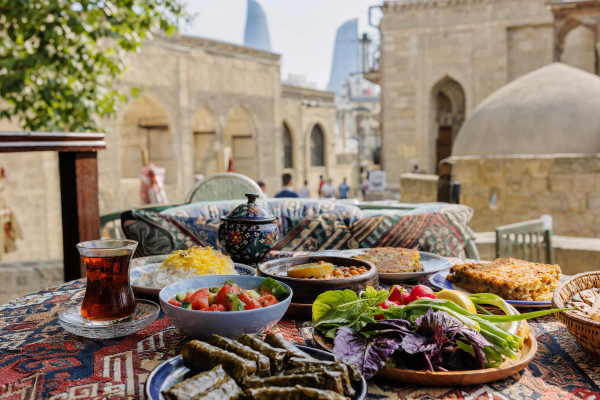
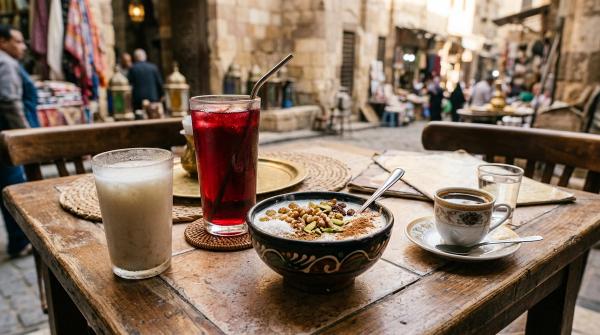
#Let’s be honest, many NRIs plan India trips around food. Chole bhature in Delhi, vada pav in Mumbai, filter coffee in Bengaluru or Chennai, kathi rolls in Kolkata, poha-jalebi in Indore, biryani in Hyderabad, seafood in Goa and Kerala, thalis in Gujarat and Rajasthan. Start slow if you’ve been away for long. Drink bottled or filtered water, avoid cut fruits from roadside stalls in the first few days, and carry basic meds. Then enjoy properly.
Beyond the famous places, try adding smaller experiences. Old Delhi breakfast walks, Chettinad food trails in Tamil Nadu, village stays in Kutch, Theyyam season in North Kerala, Sufi music nights in Delhi, stepwells near Ahmedabad, lesser-known forts around Maharashtra, Majuli in Assam, or a quiet ghats walk in Maheshwar. India’s popular tourist circuit is great, but the real charm is often two lanes away from the famous spot.
So, When Should You Finally Book?
#If this is your first India trip after many years, pick November to February. It’s the safest bet for weather, family events, sightseeing, shopping, and food. If budget matters, try September, early October, February, or early March. If you want mountains, look at April-June or September-October. If you want slow, rainy, green India, monsoon is beautiful, but don’t overpack the itinerary.
My final advice? Don’t plan India like Europe with 9 cities in 10 days. India needs buffer. It needs chai breaks, traffic time, random relatives dropping in, tailor delays, stomach rest days, and that one evening where you just sit on the terrace and feel weirdly emotional. That’s also part of the trip. For more grounded travel ideas and India guides, I’d say keep browsing AllBlogs.in, there’s always something useful there for planning the next visit home.