The floor you choose can honestly make or break your hotel stay
#I used to think hotel floor choice was one of those fancy traveller things, like asking for a pillow menu or saying “I prefer a north-facing room” with full confidence. Me, I was happy if the AC worked, bathroom was clean, and there was chai somewhere nearby. But after enough trips across India, plus a few outside, I’ve realised the floor you stay on can decide whether you sleep like a baby or spend the night listening to honking, lift ding-dong, wedding DJ, kitchen exhaust, or that one uncle shouting on video call in the corridor at 1 am.
And trust me, this is not just for luxury hotels. Even in a ₹1,200 lodge near a railway station or a ₹14,000 business hotel in Mumbai, the floor matters. Sometimes more in budget hotels actually, because soundproofing is, um, how to say politely... not always their strongest department. I’ve stayed on ground floors where every scooter passing outside felt like it was entering my room, and I’ve stayed on high floors where the view was amazing but the lift was so slow I started calculating my life choices.
So this is my practical, slightly opinionated hotel floor guide. Not theory only. This is from late check-ins, family trips, solo work stays, Goa humidity, Jaipur wedding noise, airport hotel fatigue, and those “sir only smoking room available” situations that make you question booking apps. If you’re wondering what is the best hotel floor to stay on, the short answer is: usually somewhere in the middle. But the smarter answer depends on why you’re travelling, who you’re with, the hotel type, the city, the season, and how much patience you have for elevators.
My default pick: middle floors, but not blindly
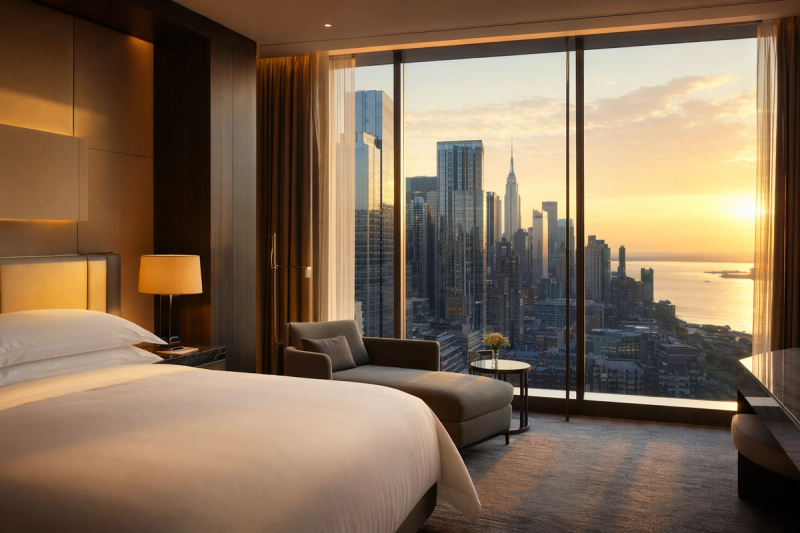
#If I’m booking a normal city hotel, my first preference is usually between the 3rd and 6th floor in a mid-sized hotel, or somewhere around the middle section in a tall hotel. Not too low, not too high. Proper Goldilocks situation. Lower floors get street noise, lobby noise, restaurant smells, banquet sound, and sometimes mosquitoes if the property has garden areas. Very high floors give better views, yes, but they can be annoying if lifts are crowded, power backup is slow, or you’re travelling with elderly parents who don’t like waiting.
In India especially, you need to think beyond “view”. A hotel in Delhi near a main road, a hotel in Bengaluru near a pub street, a hotel in Jaipur during wedding season, a hotel in Goa close to a beach shack area, all behave differently. The 2nd floor in one place may be peaceful, while the 2nd floor in another place is basically above the banquet hall where someone’s cousin is dancing to Kala Chashma till midnight.
The best hotel floor to stay on for sleep is usually away from the lobby, away from restaurants, away from rooftop bars, and away from service areas. That can mean 4th floor in a small hotel, 8th floor in a business hotel, or even 1st floor in a heritage property where upper floors don’t have lifts. It’s not a fixed formula. You have to ask smartly.
Quick floor guide: what each level is usually good for
#| Hotel floor | Usually good for | Watch out for |
|---|---|---|
| Ground floor | Easy access, elderly travellers, heavy luggage, quick exit | Street noise, lobby traffic, less privacy, damp smell in coastal areas |
| 1st to 2nd floor | Families, people who dislike lifts, small hotels | Banquet hall noise, restaurant smell, road-facing rooms |
| 3rd to 6th floor | Best balance for most travellers, decent quiet, easy enough access | Still check if there is a party hall or generator nearby |
| Middle floors in high-rise hotels | Good views, less street noise, practical lift time | Ask for room away from lift and ice machine |
| Top floors | Views, privacy, sometimes premium rooms | Rooftop bar noise, heat, slow evacuation, lift dependency |
| Basement or lower-ground rooms | Sometimes cheaper, near spa or service areas | Avoid if possible for sleep, air, light and safety comfort |
This table is a general thing, not a law. Some of my nicest stays were on 2nd floor because the hotel was tucked inside a quiet lane. And one of my worst was on the 11th floor because the rooftop lounge was right above and the bass was doing dhak-dhak through the ceiling. Hotel design matters. Location matters even more. Before obsessing over room number, first see if the hotel itself is in the right area. I’ve written more notes into my planning after reading guides like Hotel Location Checklist: How to Choose Where to Stay Before You Book AllBlogs category. Travel & Adventure Region scope: Global evergreen / Region-neutral / India-specific / Destination-specific. Global evergreen Why this scope was chosen. Hotel-location decisions apply globally and should not be narrowed to India. Search intent. Informational / travel planning Primary keyword. how to choose hotel location Natural search queries people may use. how to choose where to stay what to check before booking a hotel best hotel location for tourists Long-tail keywords. hotel location checklist before booking how to choose a hotel near public transport hotel area safety and convenience checklist SEO meta title. Hotel Location Checklist: Choose Where to Stay Smartly SEO meta description. Learn how to choose the best hotel location by checking transport, safety, noise, food access, airport transfers and total trip cost. Suggested URL slug. hotel-location-checklist-choose-where-to-stay Short description. A decision checklist that helps travelers avoid cheap hotels that cost more in time, taxis, stress, and poor sleep. Why this topic today. GSC shows travel planning and hotel/stay-related pages getting traction; Sanity has sleep/quiet hotel guides but not a full location decision checklist. GSC signal or adjacent GSC signal. Adjacent to hotel breakfast, refundable hotel booking, sleep tourism, quiet travel, and airport-to-city transfer signals. Why this fits AllBlogs. It is evergreen, practical, and useful for broad modern-living travel planning. Why this is not duplicate or cannibalizing. Existing hotel posts focus on sleep, food, refunds, or safety; this focuses on location choice before booking. Adjacent expansion reason. Expands from hotel comfort to pre-booking trip-friction prevention. Novelty score: High Cannibalization risk: Low AI SEO / AEO / GEO angle. Can win AI answers with a “map-check framework” and “central to your trip, not central to the city” decision model. CTR hook. “A cheap hotel can become expensive twice a day.” Demand signal. Web validation shows recent and evergreen search coverage for hotel-location decision checklists, and travel sites advise checking maps, walkability, transit, and points of interest before booking., because honestly a peaceful floor can’t save a badly located hotel.
Why I stopped accepting “any room is fine” at check-in
#My turning point was a work trip to Mumbai. I reached late, after a long cab ride from the airport, hungry and slightly cranky. The receptionist gave me a room on a low floor, road-facing. I was too tired to ask anything. Big mistake. The room was clean, bed was nice, but the traffic noise from the main road didn’t stop. Not even at 2 am. Then around 5:30, some delivery trucks started reversing near the hotel service entrance. Beep beep beep. Full orchestra.
Next morning, I asked politely if they had a higher, non-road-facing room. They shifted me to the 5th floor, back side of the building. Same hotel, same category, same price, completely different experience. That day I learnt one thing: hotels often have better rooms available, but they won’t always offer unless you ask. Not because they are cheating you, mostly because front desk is juggling occupancy, housekeeping status, early arrivals, VIPs, group bookings, and all that chaos.
Now I always request. Not demand. Request. There’s a difference. Indian travellers sometimes feel shy asking, like “arre chhodo, jo diya hai le lo”. But you paid for the room, na. Asking for a quieter floor or a room away from lift is not being difficult. It’s normal travel planning.
Best hotel floor for different types of travellers
#For solo travellers, especially women
#For solo stays, I prefer a room that is not too isolated, not right next to the lift, and not on the ground floor if the corridor or window feels too exposed. Middle floors work nicely. I also check whether the floor needs key-card access in lifts, whether corridors are well-lit, and whether there are CCTV cameras in common areas. In many newer hotels, especially business hotels and chains, this is standard now. In smaller guesthouses, you need to use your judgement.
One small thing I do, and maybe it sounds extra, but it helps: when I get the key card, I don’t let the staff announce my room number loudly if other guests are standing nearby. Most trained hotels don’t do this now, but some still say “Room 204, madam” loudly. I just smile and take the card. Also I avoid rooms right beside emergency stairs unless the hotel feels very secure. Emergency stairs are important, of course, but some properties don’t monitor them properly.
For families with kids
#With kids, lower-middle floors are practical. You don’t want to wait 10 minutes for the lift every time someone wants fries or the child forgot their goggles. But don’t pick the ground floor if the pool, lobby, or restaurant crowd is noisy. Ask for 2nd to 4th floor, away from lift, preferably not above banquet or kitchen. If your kid is a light sleeper, this matters more than whether the room has a “city view”.
In resort towns like Goa, Udaipur outskirts, Lonavala, Coorg, or Alibaug, family rooms are sometimes spread across blocks instead of vertical floors. There, ask for a room that is not too far from breakfast, but also not facing the main pool if weekend crowd is expected. Pool-facing sounds fun till 11 pm when one group starts playing music from their Bluetooth speaker like they have purchased the whole resort.
For elderly parents or anyone with mobility issues
#If I’m travelling with parents, I choose convenience over view. Simple. A lower floor near the lift is better than a lovely high-floor room if walking becomes a problem. Also check if the hotel has lift backup during power cuts. In many Indian hill hotels, heritage stays, homestays, and old city properties, there may be stairs. Some hotels mention “lift available” but the lift may not reach every level, or you still have steps from parking to reception. Ask clearly before paying.
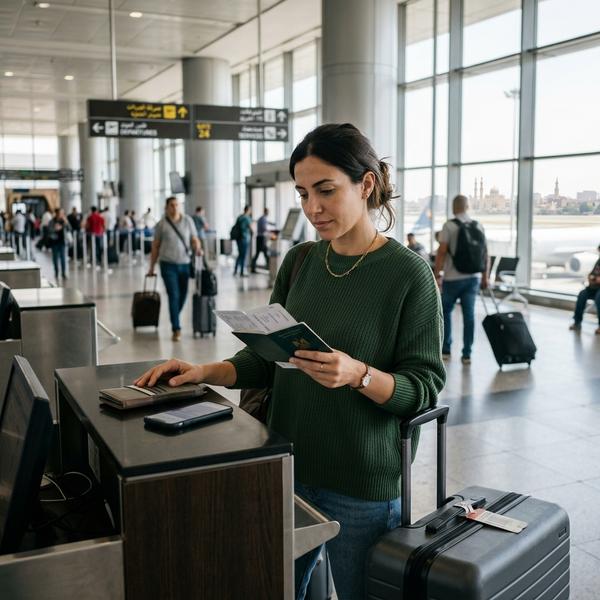
For late-night arrivals, heavy luggage, or tired parents after flights, floor choice becomes part of the transfer plan. If you’re landing at odd hours and still deciding between metro, taxi, bus, shuttle and all that, this Airport-to-City Transfer Checklist: Train, Taxi or Bus? is useful because after a rough transfer, you don’t want a hotel where reaching the room itself feels like a second journey.
For business travellers and workations
#Business travellers need sleep, Wi-Fi, desk space, and quick exits. I usually ask for a quiet floor away from lift and not below the gym. Many hotel gyms open early, and treadmill thud from above is real. For workations, especially in Goa, Himachal, Uttarakhand, Jaipur, Mysuru, Kochi, Pondicherry side, ask about Wi-Fi router strength on your floor. Don’t assume every room gets equal signal. I’ve sat near a bathroom door once because that was the only place Zoom didn’t freeze. Very glamorous blogger life.
The room request checklist I actually use
#Here’s the checklist I keep in my notes app. I don’t send the full essay to hotels, obviously. I pick the important parts depending on trip. If you ask for too many things, they may ignore half of it. Better to ask for 2 or 3 priorities clearly.
- Quiet room, preferably on a middle floor, away from lift, ice machine, housekeeping store, and service door.
- Non-smoking room, and I mean genuinely non-smoking. In some hotels, old smoke smell stays in curtains and carpets.
- Not facing main road, nightclub, banquet lawn, generator area, kitchen exhaust, or construction side.
- If arriving late, ask them to hold a room that does not require too much walking from lift. Sounds small, helps a lot.
- For safety comfort, ask for a room on a floor with working key-card access and good corridor lighting.
- For views, ask for high floor but confirm there is no rooftop restaurant or bar directly above.
My usual message after booking is something like: “Hi, I have a booking under [name]. If possible, please assign a quiet non-smoking room on a middle floor, away from lift and road side. Thank you.” That’s it. Polite, short, human. If it’s a special trip, like anniversary or birthday, I mention that too. Sometimes they upgrade, sometimes they don’t. But many hotels do try.
Floor choice by hotel type: budget, mid-range, luxury, resort
#In budget hotels, floor choice is mostly about avoiding noise and smells. Typical budget stays in Indian cities can range roughly from ₹800 to ₹3,000 per night depending on location, season, cleanliness, and whether it is near airport, railway station, temple town, beach, or business district. I try not to take ground-floor rooms in budget hotels unless I’ve seen the property or reviews are very good. Reception noise travels, and privacy can feel less. Also check if the room has a proper window. Some low-cost rooms are technically rooms but emotionally cupboards.
In mid-range hotels, say around ₹3,000 to ₹8,000 in many Indian cities, middle floors are usually the sweet spot. These hotels often have lifts, breakfast areas, maybe a banquet hall, sometimes a rooftop restaurant. Ask what is above and below your floor. If the hotel hosts weddings or corporate events, rooms near banquet levels can get noisy during evenings. In cities like Jaipur, Delhi NCR, Lucknow, Ahmedabad, Indore, and Chandigarh, banquet noise is not a rare thing. It’s culture plus business, both together.
Luxury hotels, where rates can easily start around ₹8,000 and go way beyond ₹20,000 during peak season or events, usually have better soundproofing. But even there, floor matters. High floors give nice views in Mumbai, Bengaluru, Dubai, Singapore, Bangkok and all, but elevator waiting time during breakfast rush is irritating. Also club floors may be quieter, but sometimes they are near lounges. Ask. Don’t assume expensive means perfect. I have learnt this the mildly painful way.
Resorts are different. There may not even be “floors” in the usual sense. In Goa and Kerala, I prefer upper-floor rooms in humid months if available, because ground-floor rooms can feel damp, especially near gardens or pools. In hill stations, lower floors may be warmer and easier to access, while top-floor attic-style rooms can be charming but cold or noisy in rain. In wildlife lodges, don’t be too far from reception if walking at night makes you uncomfortable. Beautiful darkness is still darkness, boss.
Season matters more than people think
#The best hotel floor can change with season. In peak summer, top floors in smaller hotels can get warmer if insulation is poor. In monsoon, ground floors in coastal or hill areas can feel damp, and sometimes corridors smell musty. During winter in North India, lower floors may be colder if sunlight doesn’t reach. In wedding season, avoid floors near banquet halls. During long weekends, avoid pool-facing rooms if you want quiet. I know pool view looks nice on booking photos, but weekend pool energy is different only.
For Indian travel, broadly speaking, October to March is comfortable for many city trips like Jaipur, Delhi, Agra, Varanasi, Ahmedabad, Lucknow, and Amritsar. April to June is hill-station rush, so hotels in Manali, Shimla, Mussoorie, Ooty, Darjeeling and similar places get packed and rates jump. Monsoon is beautiful in Goa, Kerala, Konkan, Coorg, Meghalaya and the Western Ghats, but choose rooms carefully because dampness, slippery paths, and power cuts can become part of the package. Not always bad, just something to plan for.
Also check local events. Big concerts, cricket matches, trade fairs, literature festivals, college fests, temple festivals, and wedding muhurat dates can change hotel atmosphere completely. A peaceful business hotel can become a baraat base camp overnight. If you are a light sleeper, ask directly: “Is there any event or wedding in the hotel during my stay?” The answer tells you a lot.
Noise: the hidden villain of hotel floors
#Most travellers check photos, breakfast, pool, parking, maybe bathtub. Very few check noise sources. But noise is what ruins sleep first. Road-facing lower floors are obvious, but there are sneaky ones too. Rooms below gym. Rooms below rooftop bar. Rooms next to lift. Rooms beside housekeeping pantry. Rooms near service elevators. Rooms above the kitchen. Rooms facing an internal atrium where every sound echoes like a railway announcement.
In one Jaipur hotel, I got a room near the staircase thinking it would be convenient. That staircase became the secret smoking and phone-call zone for guests from a wedding group. Whole night people were going “haan bhai, main neeche aa raha hoon” and laughing. Next day I requested change. The staff was sweet and shifted me, but my first night was gone. Since then, I always say “away from staircase if possible” when I suspect party crowd.
A good hotel room is not the one with the biggest window. It’s the one where you can sleep, shower, charge your phone, feel safe, and not wake up angry.
If you’re booking through apps, read recent reviews and search inside reviews for words like noise, lift, road, bar, wedding, construction, smell, damp, basement, and staff. Recent reviews matter because hotels change. A property that was quiet two years ago may now have construction next door. Or the opposite, maybe they renovated and fixed soundproofing.
Safety and evacuation: boring but important
#I know nobody wants to think about emergency exits during vacation. We want buffet dosa, soft bed, and maybe a view. But safety is part of room choice. In very tall hotels, some travellers prefer not being too high because evacuation can take longer in emergencies. Fire safety rules vary by country and property type, and branded hotels usually have systems, but still, I like knowing where the stairs are. First thing I do after entering the room is check the exit map behind the door. Takes 10 seconds.
At the same time, I don’t love rooms directly beside emergency exits in small or poorly monitored hotels. So my preference is: close enough to know where the exit is, not so close that everyone uses that door casually. Also if a hotel corridor smells strongly of smoke, fuel, or damp electrical stuff, don’t ignore it. Tell reception. If it feels wrong, ask for another room. We Indians sometimes adjust too much. Adjustment is good for train seats, not for safety.
For solo women travellers, families, and senior citizens, I’d also avoid rooms with balconies that connect too easily to other rooms, especially on low floors. Balcony is nice for morning chai, but privacy matters. In beach places and hill stays, check if balcony doors lock properly. Sounds basic, but basic things are where problems happen.
What to ask before booking, not after reaching tired and hungry
#The best time to manage floor choice is before you arrive. After reaching, the hotel may be full, housekeeping may have limited clean rooms, and front desk may be under pressure. If floor is important, message after booking and again on the morning of check-in. Call if it’s a special need, like wheelchair access, elderly parents, baby cot, late arrival, or medical reason.
- Ask: “Which floors have my room category?” Sometimes cheaper categories are only on lower floors or older wings.
- Ask: “Is there a lift to that floor?” This is important in heritage hotels, hill hotels, homestays, and small town properties.
- Ask: “Is my room road-facing or back-facing?” Back-facing is often less glamorous but much quieter.
- Ask: “Any event, renovation, or construction during my stay?” Very useful, slightly awkward, but ask anyway.
- Ask: “Can you note a quiet non-smoking room away from lift?” This is the golden line.
If the hotel says requests are subject to availability, that is normal. Don’t panic. Most requests are. But having it noted helps. Also reach earlier if you can. If check-in starts at 2 pm and you reach at 11 pm, all the best rooms may already be assigned. Late arrival is not always avoidable, I know, especially with Indian flight delays and traffic, but then call ahead and remind them.
Food, culture, and why floor choice even affects your local experience
#This may sound funny, but your hotel floor affects how much you enjoy the destination. If you sleep badly, next day you don’t want to explore. You skip the old city walk, you fight with your spouse over breakfast, you don’t feel like trying that famous kachori or fish thali. Travel mood is fragile. One bad night and suddenly even a beautiful city feels irritating.
In India, staying near food areas is tempting. I love that. A hotel near Indore’s Sarafa side, Amritsar’s old lanes, Mumbai’s Fort or Bandra food spots, Kochi cafes, Jaipur old city, Varanasi ghats, or Kolkata’s Park Street can be fantastic. But food areas also mean late-night crowd, delivery bikes, smells, and honking. In these places, choose a higher back-facing room rather than low street-facing. You can still eat well, but sleep also.
Btw, here’s something cool I found over time: local breakfast access matters more than hotel breakfast for some trips. If I’m in a city famous for food, I don’t care much about buffet. I care whether I can step out for poha, idli, jalebi, bun maska, appam, paratha, or whatever that place does best. But if I’m staying near a noisy food street, I become strict about room floor. Travel is balance only.
My honest “avoid these rooms” list
#I’m not saying these rooms are always bad. Sometimes they are totally fine. But if I have a choice, I avoid them unless there’s a reason.
- Room directly opposite lift. People talk while waiting, kids press buttons, bags roll, lift bell keeps ringing.
- Room below rooftop bar or restaurant. Chair dragging noise is the villain nobody warns you about.
- Room above banquet hall. Bass travels upward, and Indian weddings are not known for whisper-level music.
- Ground-floor room facing parking. Headlights, car locks, driver phone calls, early departures, all free entertainment.
- Room near housekeeping store. Staff start early. They have work to do, not their fault, but you will hear trolleys.
- Connecting room if I don’t need it. Sound leaks through connecting doors more than normal walls.
Connecting rooms are useful for families, so not bad by default. But if you’re not using both rooms, ask for non-connecting. I’ve heard full family discussions through a connecting door once, including what they thought of the hotel breakfast. Very detailed review, unwillingly recieved.
How to ask at reception without sounding demanding
#Front desk staff can make your stay better, and being rude never helps. I’ve seen people start check-in like they are fighting a court case. Why? Just be clear and nice. Smile, give ID, and ask: “If possible, could you give me a quiet room on a middle floor, away from the lift?” If they say the room isn’t ready, decide what matters more: early check-in or better room. Sometimes waiting 30 minutes gives you a much better stay.
If you enter the room and something feels off, call immediately. Don’t use the bathroom, open all bags, jump on bed, and then ask for change after two hours. Hotels are more willing to shift you when the room is still clean and unused. Be specific: “There is road noise,” “The room smells of smoke,” “The balcony lock is not working,” “This is next to the service area.” Specific complaints get solved faster than “room accha nahi hai”.
Also, if they upgrade you to a high-floor view room, still ask what is above it. I once got excited about an upgrade and later realised I was under the rooftop breakfast setup. At 6 am, furniture started moving. Free upgrade, paid with sleep.
So, what is the best hotel floor to stay on?
#If I have to give one simple answer, I’d say: choose a middle floor, away from elevators, stairs, service areas, roads, rooftop venues, and banquet halls. For many travellers, that is the safest and most comfortable bet. In a small hotel, maybe 3rd or 4th floor. In a high-rise, somewhere mid-to-upper but not directly below public spaces. For resorts, choose based on dampness, access, privacy, and distance from pool or restaurant.
But the better answer is to match the floor to your trip. Solo traveller? Prioritise safety and corridor comfort. Family? Easy access and quiet. Elderly parents? Lift proximity and fewer steps. Business trip? Sleep and quick movement. Honeymoon or anniversary? View and privacy, but still check noise. Budget stay? Avoid ground floor unless reviews are strong. Beach or monsoon stay? Be careful with damp lower rooms. Airport hotel? Don’t overthink view, just get a quiet room and sleep.
And remember, room requests are not magic. You won’t always get exactly what you want. But asking improves your chances so much. Hotels are used to these requests now, especially with travellers becoming more aware about sleep, safety, work-from-hotel, staycations, and wellness trips. Quiet rooms are basically a travel trend without people calling it a trend.
My final room request checklist before I hit “book”
#Before booking any hotel now, I check the map, read recent reviews, look at photos of building height, check if there’s a rooftop bar or banquet, see whether metro or taxi access is easy, and then note my room request. It sounds like a lot, but it takes 10 minutes and saves one full night of regret. And regret in a hotel room at 2 am feels very personal, yaar.
My final checklist is simple: right location, quiet side, middle floor, non-smoking, away from lift, not below rooftop, not above banquet, safe corridor, working locks, and practical access for whoever is travelling with me. If I get 6 out of these 9, I’m happy. If I get all, wah, luxury.
So next time you book a hotel, don’t just select breakfast included and move on. Add a room request. Call once. Ask about the floor. Be polite but not shy. That one small message can turn a noisy, average stay into a proper restful one. And if you like these kind of practical travel notes from an Indian traveller’s point of view, casually browse AllBlogs.in sometime, I keep finding useful stuff there for planning smarter trips without making it too complicated.