The day bag mistake I kept making on trips
#For the longest time, I treated my travel day bag like an afterthought. Main luggage? Full planning. Shoes? Overthinking. Toiletries? Tiny bottles arranged like some airport-ready military operation. But the bag I actually carried from morning chai to late-night metro ride… that was usually whatever was lying near the door at home. Big mistake, honestly.
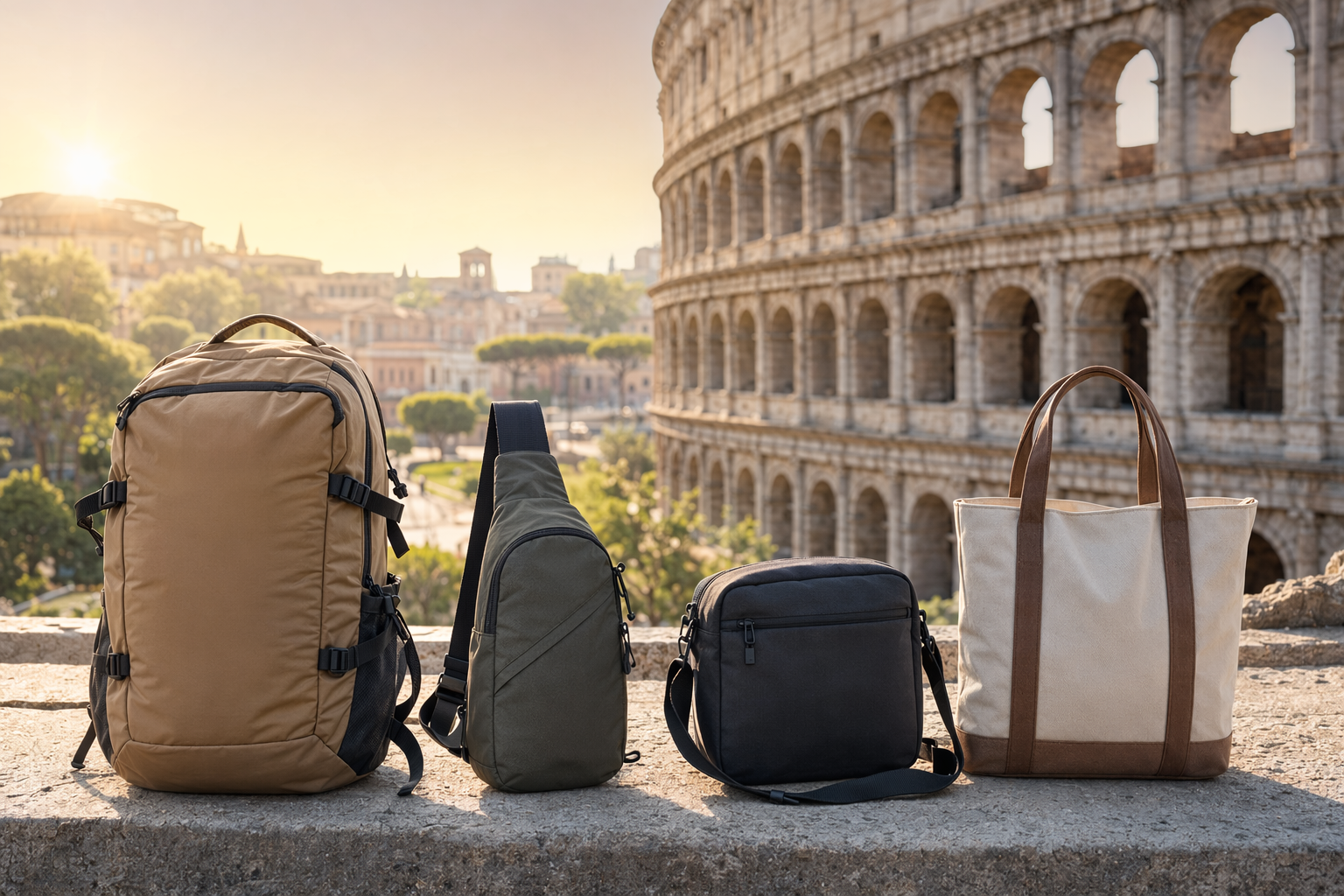
If you travel from India often, even within India, you already know the day bag does the real kaam. It holds your phone, power bank, sunglasses, water bottle, scarf, wallet, hotel key, boarding pass, random biscuit packet, maybe a banana your mother forced into your hand, and that one useless receipt you keep for no reason. On my trips to Goa, Jaipur, Singapore, Bangkok, Munnar, Delhi, Udaipur and smaller weekend getaways from Pune and Mumbai, I’ve used all four types: backpack, sling, crossbody and tote. And trust me, none of them are perfect. Some are amazing in one situation and totally irritating in another.
So this is my very real, slightly opinionated breakdown of the best travel day bag: backpack vs sling vs crossbody vs tote. Not from a showroom point of view, but from actual sweating-at-2pm, standing-in-security-line, running-for-train, carrying-extra-thepla kind of travel.
First, what should a travel day bag actually do?
#A good travel day bag should disappear into your day. Sounds filmy, but that’s the truth. You shouldn’t be constantly adjusting it, worrying if someone opened it, or regretting every item you packed. In India especially, where one day of travel can mean auto, metro, walking, temple visit, cafe, market and overnight bus all in one stretch, the bag has to be practical more than stylish. Though, haan, looking nice also matters. We are not saints.
For me, the basic checklist is simple: it should fit a 1 litre water bottle or at least a 750 ml one, phone, wallet, ID, power bank, small umbrella or cap, sanitizer, tissues, sunglasses, sunscreen, maybe a light stole, and enough empty space for something you buy on the way. If I’m flying, I also want quick access to documents and earphones. If I’m travelling by train, I want snacks. Lots of snacks. Indian train travel without snacks is just sadness.
Security is also a big thing. Not to scare anyone, but crowded places like railway stations, bazaars, festivals, beaches and tourist viewpoints can get messy. Pickpocketing is not everywhere, but it happens. A bag with zips, inner pockets and the ability to keep it in front of you is much better than a wide-open fashion tote when you’re walking through Chandni Chowk or Colaba Causeway on a Sunday evening.
Backpack: the reliable friend, but sometimes too much
#The backpack is the most obvious choice for a travel day bag, and for good reason. It carries weight properly, keeps both hands free, and doesn’t torture one shoulder. If I’m doing a full day out, like Amer Fort in Jaipur plus City Palace plus market wandering, or a long walking day in Singapore with MRT rides and food court stops, I usually take a small backpack. Not my big trekking one, please no. A 15 to 22 litre backpack is enough for city travel.
Where backpacks win is comfort. You can carry a water bottle, camera, extra t-shirt, medicines, charger, snacks and still not feel like your shoulder has resigned. For hill stations like Munnar, Coorg, Manali or even Mahabaleshwar, a backpack makes sense because weather changes fast. One minute sun, next minute rain, then suddenly you need a jacket. Also, if your main luggage is a suitcase, your backpack becomes the perfect airport and day-trip companion. I’ve written separately about how this works with main luggage choices in Backpack vs Suitcase for Travel: One-Week Trip Guide, because that combo can really change how easy your whole trip feels.
But backpacks also have annoying points. In crowded metros or buses, you have to keep removing it or swinging it to the front. In hot places like Hampi, Chennai, Ahmedabad, or Goa in summer, your back becomes a mini tandoor. And if the backpack has too many compartments, I swear you’ll spend half the trip checking which pocket has the lip balm. Been there, done that, looked stupid outside an airport gate.
- Best for: full-day sightseeing, hill stations, camera gear, families, flights, long walks
- Not great for: crowded markets, very hot weather, quick cafe-hopping, dressy dinners
- My ideal size: 15 to 22 litres for city trips, 22 to 28 litres only if there’s hiking or winter layering
Sling bag: my favourite for short city wandering
#A sling bag is that small, close-to-body bag you wear across your chest or back. I didn’t take slings seriously earlier. I thought they were just for people who carry only phone and vibes. But after using one in Bangkok street markets and later in Mumbai local-train days, I get it now. A good sling is honestly so convenient.
The biggest advantage is access. Phone? Zip. Wallet? Zip. Metro card? Zip. You don’t need to remove the whole bag. You can keep it in front when walking through crowded areas, which feels safer. For places like Jaipur’s Johari Bazaar, Delhi’s Sarojini, Panjim lanes, Fort Kochi, Pondicherry White Town, or even airport layovers, a sling works beautifully if you pack light.
But that’s the catch: pack light. The moment you put a full water bottle, sunglasses case, power bank, charger, sanitizer, camera and snacks, the sling starts digging into your shoulder. And because the weight is on one side, after 4-5 hours you’ll feel it. I once carried a sling all day in Udaipur, and by evening near Lake Pichola I was doing that awkward shoulder rotation like an uncle after gym. Not cute.
For men and women both, I feel a 3 to 7 litre sling is best. It should have at least two zipped sections and ideally an anti-theft back pocket for cards or cash. Avoid those super flat slings if you carry spectacles or a power bank, because everything gets pressed. Also check the strap. Thin straps look stylish but can become painful very fast.
Crossbody bag: safest-feeling and surprisingly versatile
#Crossbody bags are like the more grown-up cousin of slings. Usually softer, slightly bigger, and worn across the body at hip or waist level. This is the bag I prefer when I want easy access but also need a little more space than a sling. For city breaks, food walks, museum days, and temple visits, a crossbody is very useful.
I used a medium crossbody in Old Delhi once during a food walk. Paratha, jalebi, chaat, kebab lanes, too many people, too much temptation. The bag stayed in front, I could keep one hand on it, and I didn’t have to keep removing a backpack every two minutes. That day convinced me that for crowded Indian cities, crossbody bags are underrated.
The comfort depends heavily on strap width and bag shape. A soft rectangular crossbody with a wide strap is great. A stiff boxy one may look fancy but keeps bumping into your thigh when walking. Also, don’t buy a bag that closes only with a magnet. I know it looks elegant, but while travelling, zip closure is non-negotiable for me. If there’s no zip, I don’t trust it. Simple.
Crossbody bags are also nice for slightly nicer evenings. Say you’re in Goa and going from beach shack to dinner, or in Udaipur for sunset by the lake and then a rooftop meal. A backpack feels too touristy sometimes. A crossbody blends in better. But again, don’t overload it. One shoulder can only take so much drama.
Tote bag: cute, roomy, and a bit dangerous if you choose badly
#Ah, the tote. I love totes and I don’t trust them fully. Both things are true. A tote bag is spacious, easy to throw things into, and looks good with almost anything. For beach trips, cafe days, road trips, shopping streets, and relaxed holidays, a tote can be perfect. In Goa, I’ve used a canvas tote for sunscreen, book, sarong, water bottle and a packet of banana chips. It felt very easy, very breezy, very Instagram. Until I had to ride pillion on a scooty and the tote kept sliding down my arm like it had personal issues.
The main problem with totes is security and structure. Many totes are open at the top. Some have one tiny button. That’s fine if you’re going to a cafe in your own city, not so fine in a crowded bus stand or tourist market. If you want a tote for travel, choose one with a full zip, inner pockets, and a wide strap. Waterproof or water-resistant fabric is a bonus, especially for monsoon travel in Kerala, Goa, Mumbai or the North East.
Totes also become black holes. Everything goes in, nothing comes out when needed. You’ll be digging for your hotel key while the auto driver waits and your friend says “jaldi kar na” like that helps. So use small pouches inside: one for tech, one for toiletries, one for documents. It sounds very organised, and I am not always that person, but when I do it, life is better.
Quick comparison: backpack vs sling vs crossbody vs tote
#| Bag type | Best use | Comfort | Security | My honest verdict |
|---|---|---|---|---|
| Backpack | Full-day sightseeing, flights, hikes, family travel | Best for weight distribution | Good if zips are strong, but keep front in crowds | Most practical overall, but hot and bulky sometimes |
| Sling | Short city walks, markets, airport basics | Good only when light | Very good because it stays in front | Super handy, but don’t overpack |
| Crossbody | Food walks, museums, local transport, evenings | Medium, depends on strap | Very good with zip closure | My pick for crowded Indian cities |
| Tote | Beach, shopping, cafes, road trips | Good for light bulky items | Weak unless it has full zip | Stylish and roomy, but needs discipline |
How I choose based on destination, not just bag style
#This is where most people go wrong, including me earlier. There is no single best travel day bag for every trip. The best one changes with destination, season, transport and your own travel style. If I’m going to a hill station in winter, backpack. If I’m doing a food walk in Delhi, crossbody. If I’m spending a lazy day in Goa, zipped tote. If I’m flying for a quick workation and need only essentials during airport transit, sling.
For Indian city travel, where you’re moving through autos, metro stations, markets and narrow lanes, I’d pick crossbody or sling. For long heritage days like Hampi, Khajuraho, Jaipur, Mandu or Agra, I’d pick a backpack because water and sun protection matter. For beach places, tote works if you’re not carrying expensive electronics. For international trips with lots of public transport, I usually take a backpack for day one and then use a smaller sling or crossbody for evenings.
Season matters too. In summer, avoid heavy backpacks unless needed. Your back will sweat, no shame, it happens. In monsoon, don’t carry leather or open totes. In winter, bags with extra space are useful because gloves, muffler, cap and that one layer you keep removing and wearing again all need a home. For festival travel or crowded events, like Pushkar Camel Fair, Durga Puja pandal hopping in Kolkata, Sunburn-style music events in Goa, or big temple days, keep your bag small and front-facing.
Airport, train and bus travel: what actually works
#Airports are where bag design gets tested properly. You need your ID, boarding pass, phone, charger, maybe laptop, maybe medicines, maybe a light jacket because flights are randomly freezing. For domestic flights in India, cabin baggage and personal item rules can vary by airline and fare type, so I always check the airline page before flying. Don’t assume your giant tote plus backpack plus laptop bag will be allowed without questions. Sometimes staff are chill, sometimes not at all.
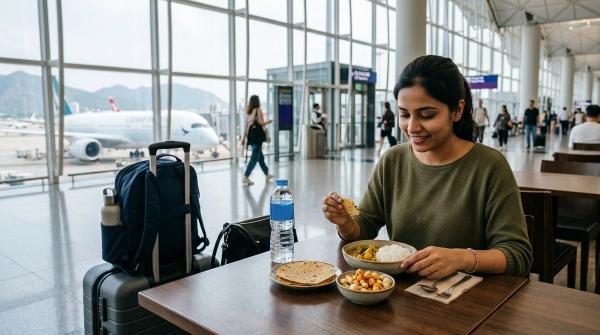
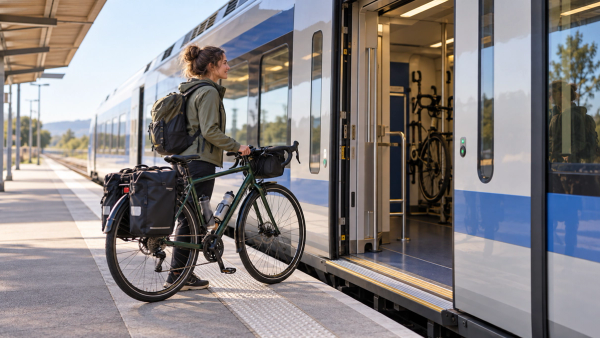
For flights, I like a backpack if I’m carrying laptop or camera. If not, a crossbody plus cabin suitcase is enough. The crossbody keeps essentials with me even when my cabin bag goes overhead. For train journeys, especially overnight ones, I prefer a small backpack because it can hold food, water, charger, shawl and book. Keep valuables close, not in the outer pocket. For buses, smaller is better because leg space is already a joke on many routes. A sling or compact backpack works, but don’t keep it in the overhead rack if it has valuables.
One thing I’ve learnt after too many journeys: pack your day bag like the main luggage may get delayed or separated. Not in a paranoid way, just practical. Keep medicines, basic toiletries, one pair of socks or innerwear if needed, charger, documents, cash and snacks in the day bag. Especially on long routes or connecting travel days. It has saved me more than once.
What about parents travelling with babies or kids?
#Parents need a totally different level of bag planning. I’ve travelled with cousins and friends who have babies, and their “day bag” is basically a survival kit. Diapers, wipes, extra clothes, snacks, bottles, toys, medicines, documents, blanket, sanitizer, and somehow still space for everyone else’s phone. In that case, a backpack-style diaper bag is usually the most practical because hands-free matters a lot. You’re holding the baby, stroller, boarding pass, maybe arguing with the cab driver, all at once.
A tote can work for car trips because you can keep it on the seat and access things easily, but for airports and sightseeing, backpack wins for parents. If you’re flying with a baby, this checklist on Baby’s First Flight Checklist: Car Seat, Stroller and Diaper Bag is actually useful because baby travel is not the place to “we’ll see when we reach” type planning. Trust me, one missing wipe packet and everyone’s mood changes.
Features worth paying for, and what is just marketing
#Travel bags have become very fancy now. Anti-theft zips, RFID pockets, USB charging ports, hidden compartments, cut-proof fabric, secret passport sleeves, the whole James Bond treatment. Some features are genuinely useful. Some are just there to make us spend more money while standing in a mall thinking we are becoming better travellers.
Worth paying for: strong zippers, water-resistant material, padded straps, breathable back panel for backpacks, inner zipped pocket, bottle holder, good stitching, and a colour that doesn’t show dirt too easily. If you carry laptop or camera, padding is important. If you use local transport a lot, a bag that can sit close to your body is safer. Reflective strips are useful for biking or walking at night, though not always stylish. But safety over aesthetics, mostly. I say mostly because I also own one very impractical pretty bag and I refuse to apologize.
Things I don’t care much about: built-in USB ports, unless you really use them. They sound cool but you still need a power bank inside, and the wire setup can be irritating. Too many pockets also become confusing. Extremely heavy “anti-theft” bags can make your day tiring. And very cheap zips are the biggest red flag. A zip breaking during travel is a small disaster, especially when you’re already late.
Price ranges in India and where to buy
#In India, you can find travel day bags at almost every budget. Basic slings start around ₹400 to ₹800 in local markets or online sales. Better quality slings and crossbody bags usually sit around ₹1,000 to ₹2,500. Decent day backpacks from known brands are often ₹1,500 to ₹4,000, and premium ones can go much higher. Totes are the wildest category: a simple canvas tote may be ₹300, while structured travel totes with zips and water-resistant fabric can be ₹1,500 to ₹5,000 or more.
Local markets are great if you can check stitching and zips properly. I’ve bought nice bags from Colaba, Commercial Street, Janpath and even random hill-station shops. But for long-term travel use, I prefer buying from stores where returns are possible. Try the bag with weight inside if you can. Empty bags always lie. Put a water bottle, power bank and a book inside, then walk around for two minutes. You’ll know immediately if the strap is going to ruin your trip.
If you’re backpacking or staying in hostels, remember accommodation style also affects bag choice. Hostels in many Indian tourist cities can range roughly from ₹500 to ₹1,500 per dorm bed depending on season and location, while budget hotels may be around ₹1,200 to ₹3,500. In hostels, lockers may vary, so a small lockable day bag or at least inner zipped pockets help. In hotels, you can leave more behind and carry a lighter sling or crossbody. Small thing, but it changes daily comfort.
Packing style: what I carry in my day bag now
#My day bag contents have become simpler over time. Earlier I packed like I was preparing for natural disaster. Now I carry what I’ll actually use. Phone, wallet, one ID, small cash, power bank, charging cable, sunglasses, tissues, sanitizer, lip balm, sunscreen, basic meds, water bottle, a snack, and a foldable cloth bag. If I’m going to temples or religious places, I carry a light scarf or stole. If I’m in monsoon, a compact umbrella or poncho. If I’m going somewhere remote, more water and ORS sachet. Very Indian, very necessary.
The foldable cloth bag is my secret hero. You buy fruit, souvenirs, bakery items, wet slippers, whatever, and suddenly your main day bag doesn’t have to swallow everything. Also, in many places plastic bags are discouraged or not given, so carrying your own is better. I keep one old cotton tote folded inside my backpack or crossbody. It weighs nothing and saves the day.
One more tip: don’t keep all money in one place. Keep some cash in wallet, some hidden inside inner pocket, and maybe a small emergency note in your phone case if that works for you. UPI is common across India now, even in many small towns, but network issues happen. Cash still saves you in parking lots, local buses, small tea stalls and sudden “machine not working” moments.
My final verdict: which is the best travel day bag?
#If you want one answer, I’d say a small backpack is the best overall travel day bag. It’s the most flexible, most comfortable for weight, and works across flights, trains, hikes, city walks and long days. But if you mostly travel in cities and crowded places, a zipped crossbody may actually feel better. For light travellers, a sling is fantastic. For beach and relaxed holidays, a zipped tote is lovely. So yes, annoying answer: it depends. But it really does.
If I had to build a practical Indian traveller setup, I’d keep two bags: one 18 to 22 litre backpack and one medium zipped crossbody. That combo covers almost everything. Backpack for travel days and long sightseeing, crossbody for evenings, markets and food walks. If you love beaches or shopping, add a foldable tote inside. Done. No need to own 11 bags unless you enjoy that, which… okay, I kind of do.
The best travel day bag is not the one that looks best in photos. It’s the one you don’t curse by 4 pm.
A few small safety and comfort things before you buy
#Check zips twice. Avoid flashy luxury logos if you’re going to crowded tourist spots. Keep your bag in front in busy areas. Don’t hang your phone or wallet in outer mesh pockets. Carry less than you think you need. And please, adjust the straps properly. So many people wear backpacks too low and then complain about back pain. The bag should sit close and stable, not bounce like a school bag from 2003.
Also think about culture and place. In temples, mosques, monasteries and local homes, bulky bags can be inconvenient or not allowed inside certain areas. In museums, you may be asked to deposit backpacks. In wildlife zones or treks, food smell and plastic waste matter, so pack responsibly. In local markets, a front-facing bag is not just safer but less annoying for people around you. Travel is personal, but public spaces are shared, no?
So next time you’re planning a trip, don’t just ask where you’re going. Ask what kind of day you’ll have. Hot or cold? Crowded or calm? Long walking or mostly cab? Shopping or minimal? Kids or no kids? Laptop or only phone? The answer will tell you your bag. And if you’re still confused, take the backpack. It may not always be the coolest, but it rarely betrays you. For more grounded travel tips and these small-but-important decisions we all argue about while packing, I keep finding nice reads on AllBlogs.in, so maybe browse there before your next trip too.