If you're planning your first Japan trip from India and stuck on the big question — Osaka or Tokyo — honestly, I get it. I had the same confusion, and I changed my mind like 7 times before booking. One friend said Tokyo is the only proper first-time Japan city. Another was like no yaar, Osaka is easier, cheaper, warmer, more fun. After doing both, my answer is a bit annoying but true... it depends on what kind of traveler you are. Still, if you want the short version right away, here it is: Tokyo feels bigger, shinier, more iconic. Osaka feels easier, more relaxed, more food-first, and weirdly more comfortable for a lot of Indian travelers. Not always, but often.
And no, this isn't one of those super robotic compare-posts where I just list "pros" and "cons" and act like travel is some spreadsheet. Japan hits different in real life. The vibe matters. The walking matters. The small moments matter. Like standing in a convenience store at 11 pm wondering if onigiri and coffee counts as dinner... again. So let me break this down the way I wish someone had explained it to me before I went.
My first impression: Tokyo impressed me, Osaka calmed me down
#Landing in Japan for the first time is a bit of a sensory overload anyway. In Tokyo, that feeling is turned up to max. Giant stations, so many train lines, neon, people moving fast but somehow silently, vending machines every few steps, perfect signboards, tiny ramen shops under office buildings... it felt like entering the future. I loved it. But also, not gonna lie, I was mildly stressed the first 24 hours. Shinjuku Station alone can humble a confident Indian traveler real quick.
Osaka was different. Same Japan cleanliness, same efficiency, same politeness, but softer somehow. Less intimidating. The people felt more openly expressive too. In Tokyo, folks are kind and helpful, but a little more reserved. In Osaka, I got more random smiles, more casual energy, and at small eateries the vibe was less stiff. Maybe I got lucky, maybe thats just the city's character. Either way, I relaxed faster there.
If Tokyo made me say wow, Osaka made me say ahh, okay, I can do this.
For Indian travelers, food can decide the whole trip. Seriously.
#Let's be real for a sec. A lot of us Indians can adjust on many things — long flights, tiny hotel rooms, packed itineraries, crazy walking — but food? Food can make or break the mood. Especially if you're vegetarian, Jain, or just need at least one proper familiar meal every day or two. This is where the Osaka vs Tokyo thing gets interesting.
Tokyo has more variety overall. More everything, actually. You can find Indian restaurants in areas like Ginza, Ueno, Shinjuku, Akihabara, Asakusa, even near tourist hubs and business districts. There are also more vegan cafes and specialty spots if you do enough digging. But because Tokyo is huge, "available" doesn't always mean "convenient". Sometimes your Indian lunch is 35 minutes away by train and then another 10 minute walk. When your legs are already finished, that matters.
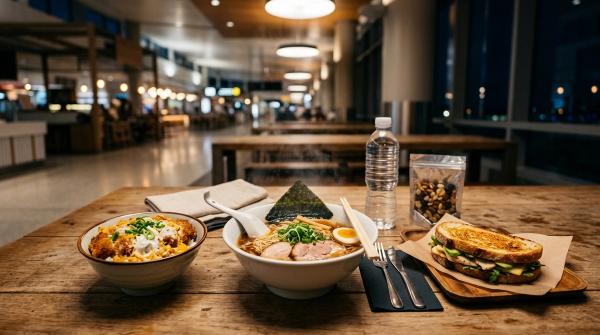
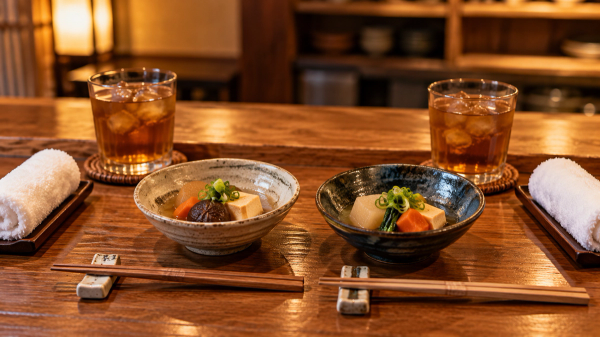
Osaka has fewer options than Tokyo in pure numbers, sure, but I found the city easier to navigate for food. Around Namba, Shinsaibashi, Umeda and even near some tourist areas, there were decent Indian and halal-friendly places, plus plenty of simple Japanese things you can manage with a bit of planning. I ate great dal at one place near Namba after two days of playing safe with convenience store food and it honestly felt emotional, which is a bit dramatic but also true.
- If you eat non-veg, both cities are easy enough, though you should still check ingredients because broth and sauces can be sneaky
- If you're vegetarian, Tokyo gives more choice but Osaka can feel less exhausting to manage
- If you're strict Jain, both need serious planning, translation cards, and maybe booking places in advance
- Convenience stores help more than people think — fruits, yogurt, bread, salads, rice balls, even plain pasta on occassion
- Indian restaurants in Japan are often run by Indian, Nepali, or South Asian teams, so don't be shy to ask questions properly
Budget wise... Osaka usually hurts the wallet less
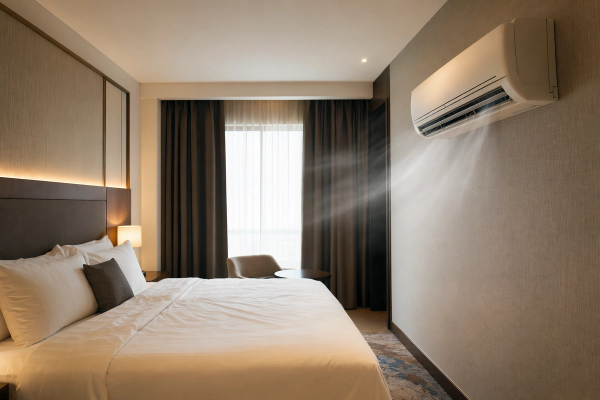
#Japan in general is not as impossible-expensive as many Indians assume, but Tokyo can still burn through your budget faster if you aren't careful. Hotels especially. In central Tokyo, a small business hotel room can easily cost around ¥10,000 to ¥18,000 per night, and in peak cherry blossom or autumn periods it can shoot way higher. Hostels and capsule hotels are cheaper, roughly ¥3,500 to ¥7,000 depending on area and season, but not everybody wants that on a first trip. Fair enough.
In Osaka, I noticed slightly better value for similar comfort. Budget hotels around Namba, Umeda, Shin-Osaka, or even Tennoji often felt more reasonable, around ¥7,000 to ¥14,000 for solid basic rooms if booked early. Hostels can go lower, and apartment-style stays sometimes make more sense if you're traveling with family. For Indian families especially, Osaka can be a sweet spot because room cost, food cost, and intercity movement all feel a little less brutal.
One thing though — prices change a lot during school holidays, sakura season, Golden Week, autumn foliage weeks, and big event weekends. Lately Japan has stayed massively popular, so last-minute bookings are a bad idea in both cities. I know people who thought they would just book after visa approval and then had to settle for weird expensive rooms 20 minutes from the nearest station. Don't do that to yourself.
Transport: Tokyo is world-class, but Osaka is easier to "get" on day one
#This was a huge factor for me. Tokyo's train system is brilliant, but for a first-time visitor it can be overwhelming. Not impossible, just... a lot. JR lines, Tokyo Metro, Toei lines, private railways, multiple exits at giant stations, and then Google Maps telling you to walk underground for what feels like half your life. It all works beautifully, but your brain will need a minute.
Osaka's network is also excellent, and Kansai overall is very tourist-friendly. I found routes easier to understand, stations less mentally draining, and day trips simpler to plan. Plus, if your trip includes Kyoto, Nara, Kobe, maybe even Himeji, Osaka works beautifully as a base. That's a big reason many Indian travelers quietly enjoy Osaka more than they expected. You're not just choosing a city, you're choosing a region rhythm.
- Tokyo works best if your dream is the big-city Japan you saw in films, anime, tech videos, and Instagram reels
- Osaka works best if you want a smoother first landing into Japan with easier side trips and a more manageable pace
- If you're traveling with parents, I would seriously consider Osaka as the base unless Tokyo is a must-do dream
What there is to actually do in each city
#Tokyo wins on sheer scale of things to do. You can spend a week there and still barely scratch it. Classic neighborhoods like Shibuya, Shinjuku, Asakusa, Ueno, Ginza, Harajuku, Akihabara — each one feels like a different mini-city. You get ancient temples and hypermodern skylines in the same day. TeamLab-style immersive art spaces, anime culture, luxury shopping, old-school alleyways, observation decks, quirky cafes, sumo-related experiences, massive parks, museums... it's endless. If this is your once-in-years Japan trip and you want that iconic checklist, Tokyo is hard to beat.
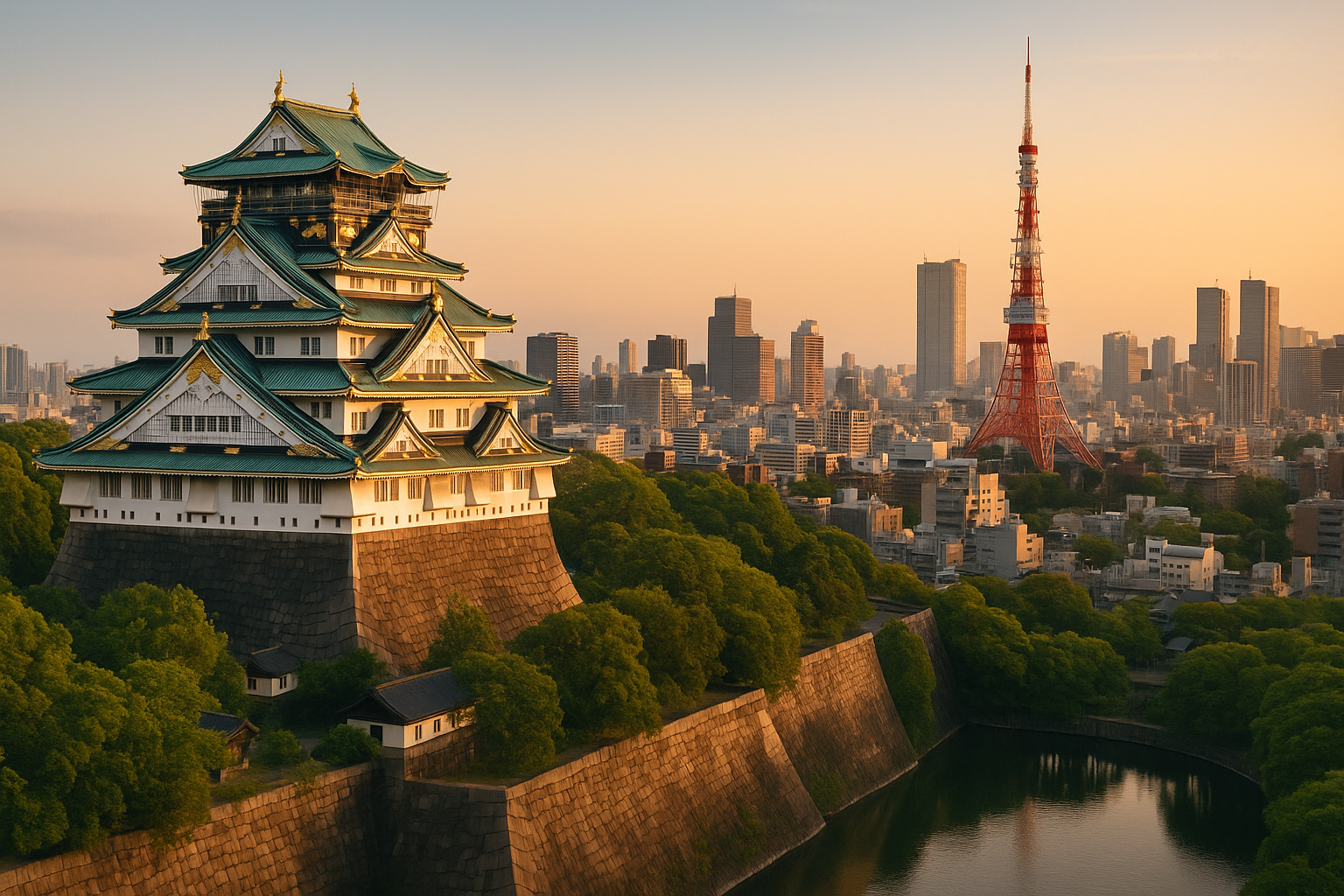
But Osaka has a different kind of strength. Dotonbori at night is touristy, yes, but still fun. Osaka Castle area is gorgeous for a relaxed walk, especially in blossom season. Shinsekai is retro and a bit odd in a good way. Umeda has amazing city views. Amerikamura has that youthful scruffy energy. And then the big plus — from Osaka, Kyoto is close, Nara is easy, Kobe is easy, Universal Studios Japan is right there. This matters so much for first timers. You can get modern city, old temples, deer parks, street food, and Harry Potter/Nintendo fun without changing hotels too much. Thats huge.
A small thing nobody told me: walking fatigue is real
#Indian travelers sometimes underestimate Japan walking because public transport is so good. But good transport does not mean less walking. It often means more walking, just organized walking. Tokyo had days where I crossed 20,000 steps without trying. Osaka also involved plenty of walking, but it felt slightly less punishing. If you're going with parents, kids, or anyone with knee issues, don't only compare attractions. Compare energy drain. Very important.
Safety, cleanliness, and the general comfort level
#Both Tokyo and Osaka are among the safest big cities I've personally traveled in. I was out late, carried cash, used trains, walked alone in busy areas, and generally felt very secure. Of course basic precautions still apply — don't flash cash, watch your belongings, stay alert in nightlife zones — but compared to many major cities globally, Japan feels incredibly safe. For Indian solo travelers, including women, that's a huge confidence booster. Not saying nothing can go wrong, but the overall safety level is excellent.
Cleanliness is another thing that shocks us Indians a bit, in a good way and also a confusing way because public dustbins are weirdly not everywhere. You carry your trash. People queue properly. Trains are quiet. Streets are clean. Public toilets are often better than hotel bathrooms in some countries, no joke. The adjustment is cultural more than difficult. Just don't talk loudly on trains and don't assume eating while walking is normal everywhere.
Best season to go, because weather can totally change your opinion of a city
#If possible, I'd suggest spring or autumn for a first Japan trip. Late March to early April is the famous sakura period, beautiful but crowded and pricey. Mid to late November is another sweet spot with autumn colors and cooler weather. October can be lovely too. Summer... hmm. I went during a warmer spell for part of my trip and the humidity was no joke. Like Mumbai and a steam room had a baby. Tokyo in summer felt sticky. Osaka too. If you're sensitive to heat, avoid July and August unless school holidays are your only option.
Winter is actually underrated if you don't mind cold. Clear skies, lower crowds outside year-end periods, and decent hotel deals can happen. Tokyo in winter feels crisp and photogenic. Osaka is manageable too, and day trips in Kansai still work fine. Just layer properly because that dry cold sneaks up on you. Also, rainy season around June can make everything feel slower, though it's not like it rains every second.
Where I think each city suits different kinds of Indian travelers
#This is the section I wish somebody had sent me on WhatsApp before I booked anything. So, super simply:
- Choose Tokyo first if this is a dream trip and you want the biggest, most iconic Japan experience possible
- Choose Osaka first if you want a gentler entry into Japan and easy access to Kyoto, Nara, and Kobe
- Choose Tokyo if shopping, city views, anime culture, famous neighborhoods, and endless things to do matter most
- Choose Osaka if food, value, friendliness, and a less intimidating pace matter more
- Choose Osaka for many family trips, especially with older parents
- Choose Tokyo for younger travelers who don't mind complexity and want that full-speed urban buzz
I know, I know, these are broad generalizations. Plenty of families love Tokyo. Plenty of solo travelers adore Osaka. But generally speaking, this felt true from what I experienced and from conversations with other Indian tourists I met on trains and at hotel breakfasts and random curry places.
A few practical tips Indian travelers should know before choosing
#First, keep some cash. Cards work in many places now, much better than before, but cash is still useful for smaller shops, temple offerings, local eateries, coin lockers, and odd little purchases. Second, get a transport IC card if available for your route or use mobile wallet versions where supported, because buying tickets again and again is irritating. Third, download offline maps and save hotel names in Japanese too. This saved me once when I was tired and pronouncing things horribly.
For connectivity, eSIMs and pocket Wi-Fi both work well. I preferred eSIM for convenience. For accommodation, stay near a train or metro station, even if the room is smaller. In Japan, location beats room size almost every single time. And please, if you eat vegetarian, learn a few ingredient words or carry a translation card. "No meat" doesn't always mean no fish stock. This catches Indians off guard all the time.
Also, one current travel trend worth noticing: more tourists than ever are combining only 2 bases instead of rushing across 5 cities. Honestly, smart move. A lot of first-timers now do Tokyo + Osaka/Kyoto or just Kansai-only. Less hotel switching, less luggage drama, more actual enjoying. If you are planning around 2026 or even sooner, I still think that slower style is better for most people.
So... which one would I pick for a first Japan trip?
#If you forced me to pick just one city for most Indian first-timers, I'd probably say Osaka. Slightly controversial maybe, because Tokyo is the headline city, the one everybody imagines first. But Osaka is easier to settle into, often better on budget, and gives you access to some of Japan's most rewarding day trips without frying your brain immediately. For a first taste of Japan, that's kind of perfect.
But — and this is a big but — if your heart is already set on Tokyo, go to Tokyo. Seriously. Travel is not only about efficiency. It's also about that feeling in your chest when you see a place you've been dreaming about. If Shibuya Crossing, Tokyo Skytree, old Asakusa lanes, anime shops, and futuristic city nights are what pulled you toward Japan in the first place, then don't overthink it and don't let internet comparison posts bully you into another plan. You can make Tokyo work. It just needs a bit more prep.
My honest answer? Osaka is easier to love quickly. Tokyo takes a little more energy, but it can become an obsession.
Final thoughts from one Indian traveler to another
#Japan is one of those rare places that actually lives up to the hype, maybe even beats it. Both Osaka and Tokyo are fantastic, safe, organized, and unforgettable in very different ways. If you're nervous about language barriers, food, transport, or whether Japan is "too difficult" for a first international trip from India, don't worry too much. It's very doable. Just prepare a little, walk a lot, keep an open mind, and don't expect giant hotel rooms or spicy food at every corner and you'll be fine... more than fine, actually.
If your style is slower, food-focused, budget-aware, and you want easier regional exploring, start with Osaka. If your style is big-city excitement, famous sights, endless neighborhoods, and that classic wow-this-is-Japan feeling, start with Tokyo. Either way, you'll probably come back wanting the other one too. That's what happened to me anyway, and now I sort of want to return just for konbini breakfasts and aimless station wandering, which sounds silly but there it is.
Hope this helped you choose without making your head spin more. If you like this kind of practical, slightly messy, real-traveler style write-up, check out more travel stories on AllBlogs.in.