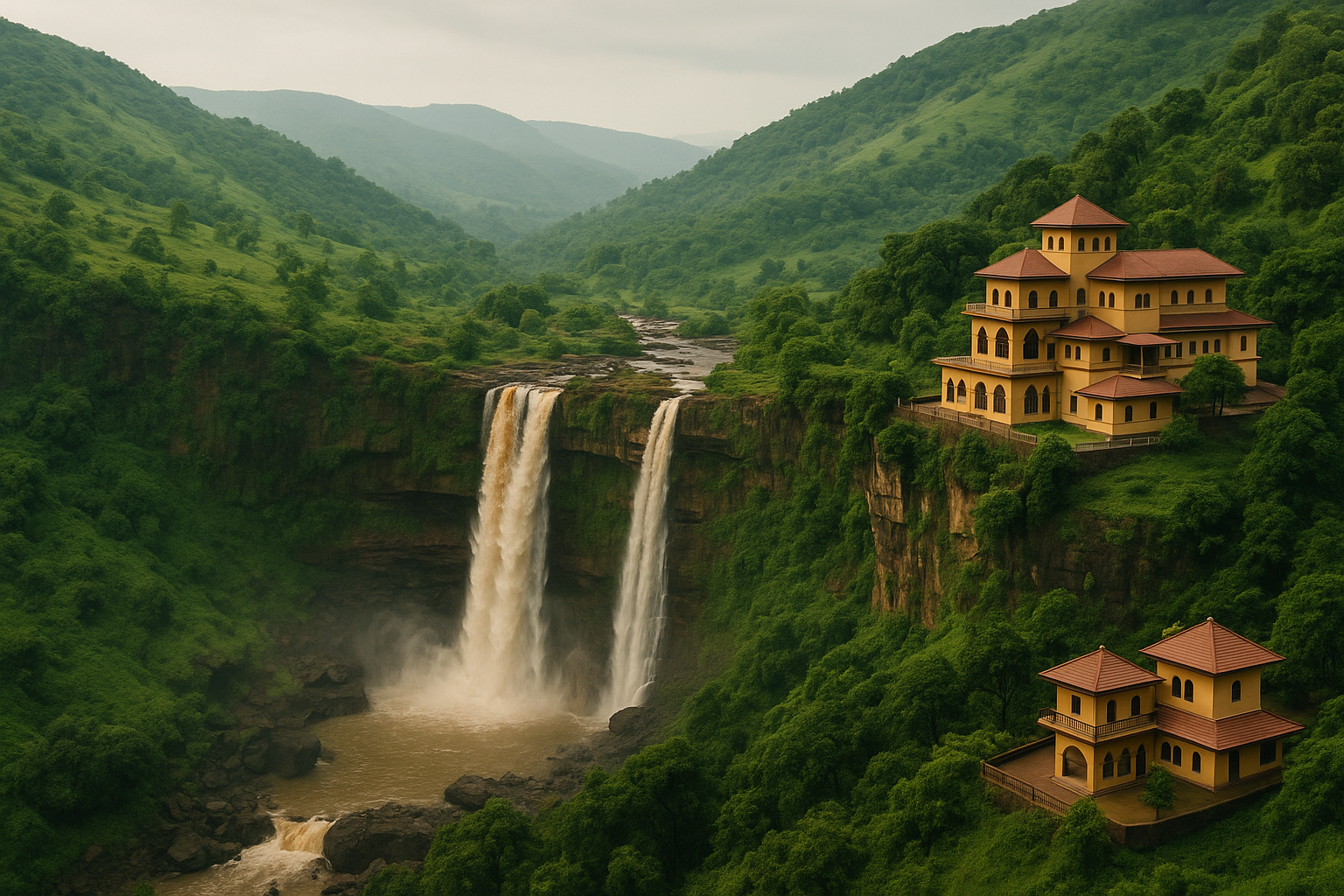
July around Indore does something to you. The first proper rains hit, the dust settles, chai starts tasting better for no logical reason, and suddenly every person in the city wants to drive out toward hills, forests, dams, and waterfalls. Honestly, same. If you’re in Indore and thinking of a quick monsoon escape, this is probably the best time to do it, but only if you plan a little smart. Roads get slippery, waterfalls get wild, crowds get annoying on Sundays, and some places look magical only after a short trek through proper mud. Worth it though. Totally worth it.
I’ve done a bunch of these weekend trips from Indore over different monsoons, sometimes with friends on bikes, sometimes with family in a car, once in a tempo traveller where half the group was singing old Kumar Sanu songs and the other half was just trying not to throw up on ghat roads. So this isn’t one of those generic “top places near Indore” lists. These are the hill stations, green drives, and waterfall spots that actually feel good in July, especially if you want that fresh-soil smell, cloud-covered roads, pakoda-stop kind of trip.
Why July trips from Indore feel different, and also a bit risky if you act over-smart
#Monsoon changes central India completely. Places that look dry or kinda plain in summer suddenly turn cinematic. Around Indore, the Malwa and nearby tribal belt toward Jhabua, Dhar, Alirajpur, Khandwa side, even stretches toward the Satpura region, all become greener than people expect. Waterfalls wake up. Hill roads become foggy. Small streams appear where there was nothing two weeks before. But yeah, this also means local authorities sometimes restrict entry near dangerous edges, especially after heavy rain. Every year you’ll hear at least a few stories of tourists getting too close to strong currents just for reels. Please don’t be that person yaar.
- Start early from Indore, ideally by 5:30 or 6 am on weekends because monsoon traffic near popular spots gets bad fast
- Check local weather and road updates the previous night, not just Google photos from some sunny day
- Carry extra clothes, chappals plus shoes both, and keep your phone in a waterproof pouch
- Avoid entering deep waterfall pools unless locals clearly say it’s safe and water flow is low
- If you’re driving, be extra careful on village roads after rain because potholes basically hide under water like traps
1. Mandu in July is moody, green, dramatic... and honestly one of the best monsoon weekend trips from Indore
#Distance-wise, Mandu is one of the easiest great escapes from Indore, roughly around 95 to 100 km depending on where you start from in the city. I’ve gone there more than once and weirdly every trip felt different. In summer it’s history-heavy. In winter it’s scenic. But in July? Full romance-movie energy. Clouds move across the ruins, the valleys turn lush, and the old stone structures look darker and more alive. Jahaz Mahal in mist is just something else. You stand there with wet hair, holding terrible roadside tea, and suddenly even your silent friend becomes philosophical.
Mandu is not only about monuments, btw. During monsoon, the whole plateau feels like a hill escape from Indore. The roads around are super scenic, and if you like combining architecture with weather and viewpoints, it’s kind of unbeatable. Rani Roopmati Pavilion gets all the attention, yes, but the drive between spots, the hidden green patches, and random valley views are half the charm. I personally like staying one night instead of rushing back same day, because evening rain in Mandu is slow and beautiful in a way day-trippers don’t really get.
Stay options have improved over time too. You’ll find MP Tourism hotels, mid-range stays, heritage-style properties, and budget guesthouses. Typical rates in season can be somewhere around ₹1,200 to ₹4,500 for decent rooms, and a little more if you go for a nicer heritage vibe. Book ahead for rainy weekends, especially if there’s a long weekend floating around. Food is simple but satisfying, more dhaba-style than fancy. Expect poha in the morning, bhutte ka kees sometimes on the way, hot tea everywhere, and basic North Indian meals. If you want polished cafe culture, this is not that. Thank god.
2. Tinchha Falls and the nearby green belt - close to Indore, but go only with common sense
#If you want a quick half-day or one-day trip from Indore in July, Tinchha Falls comes up instantly. It’s around 25 to 30 km from the city depending on your route, so naturally everyone goes. College groups, bikers, families, random office teams, all of them. The waterfall gets powerful in monsoon and the whole area turns green. The sound alone is enough to reset your brain a bit. I went once after a proper overnight rain and the water volume was insane, almost too much, and that’s exactly why I’m adding a warning with the recommendation.
This area can be dangerous in heavy rain. Slippery stones, sudden water increase, careless crowds leaning over railings, it’s all very real. There have been restrictions and tighter monitoring around some monsoon weekends in and around popular waterfall spots near Indore, depending on rainfall and local administration decisions. So before leaving, just check if entry is open and whether the weather is stable enough. Don’t treat it like a picnic ground where you can run around at the edge. It isn’t.
That said, if conditions are safe and you go early, Tinchha can still be a lovely short monsoon escape. Combine it with a long drive around the surrounding countryside, maybe a breakfast stop before the crowd arrives, and then head back by afternoon. There aren’t many polished stay options right there, so this works better as a quick trip. Carry your own snacks, but please don’t leave chips packets there. I’m saying this because every single monsoon I see people doing exactly that and then posting “nature therapy” online. Kya hi bolein.
3. Janapav Kuti feels underrated in July, especially if you like hills without too much drama
#Janapav is one of those places people from Indore know, but still don’t always treat as a proper weekend option. It’s around 45 km away and sits at a decent elevation, so in monsoon the weather becomes really nice. Not freezing or anything, just cool enough to make you want another cup of tea. The road there is pleasant, especially after the rains freshen up the fields and tree cover. The hilltop and surrounding green views have a peaceful feel, less “tourist attraction” and more “let’s just breathe for a bit.”
I like Janapav for mornings. Leave Indore early, reach before the louder crowd, walk around slowly, and don’t over-plan. If clouds are low, the whole place gets that soft white-grey look that makes even simple landscapes feel dramatic. There’s also spiritual significance attached to the area, so many people come with that purpose too. Facilities are basic, not luxury by any stretch, so go with realistic expectations. Think local stalls, tea, snacks, simple washrooms if available, and raw monsoon beauty. Some folks may find it too simple. I don’t. Simplicity is kind of the point here.
4. Patalpani and Kalakund side - classic monsoon route from Indore, but choose weekdays if possible
#Now this one is a proper favorite, even with the crowd problem. Patalpani waterfall, around 35 to 40 km from Indore, has been a monsoon ritual for people here for ages. The waterfall itself becomes dramatic in rainy season, and the route toward Kalakund adds that lovely rail-line, valley, jungle-ish charm. If you’ve never done this side in July, you should. But if you can go on a weekday or early Saturday morning, please do that. Sunday afternoon gets chaotic. Parking mess, loud music, too many people trying to click photos at risky points, the whole scene changes.
The old train route and the broader Mhow-Kalakund belt are beautiful in monsoon. Green slopes, bridges, mist pockets, and that damp-earth smell constantly in the air. If the toy-train style experience or local rail section is operational in a practical way during your visit, it can add a lot to the day, though timings and services can vary so check locally before making a fixed plan around it. A lot of travelers now also combine Patalpani with nearby village food stops or a relaxed drive through Mhow cantonment side.
One important thing, and I mean it. Patalpani has had safety concerns in the past because of the waterfall depth, strong currents, and people ignoring barriers. Don’t cross fencing for photos. Don’t sit on wet ledges. Don’t assume shallow-looking water is actually shallow. Monsoon water in these places can be deceptive and fast. Enjoy from safe viewpoints and you’ll still have a great day, trust me.
5. Hatyari Khoh is wild, green, and less polished - which is why some people love it
#Near the Mhow side, Hatyari Khoh is another monsoon spot people from Indore often pair with Patalpani or a scenic drive. It’s more of a gorge-view experience than a cushy tourist setup. In July, the deep green around the ravine looks intense, almost too vivid after a fresh spell of rain. I went there thinking it’ll be a quick stop, and ended up staying much longer just staring into the valley because the fog kept shifting every few minutes. One second you can see depth, next second everything disappears. Very cool, little spooky also.
This is not ideal for travelers wanting cafes, fancy stays, and easy infrastructure. It’s better for those who enjoy raw landscapes and don’t mind basic surroundings. Also, because terrain can get slippery and edges can be dangerous, this is another place where weather awareness matters a lot. I’d personally club Hatyari Khoh, Patalpani, and maybe a food halt near Mhow into one full day trip from Indore rather than trying to force too many stops.
6. Choral Dam and Chidiya Bhadak Falls side is for road-trip lovers, not checklist tourists
#Some of my favorite monsoon drives from Indore have been toward Choral. The dam area, the surrounding greenery, the winding roads, and nearby waterfall points like Chidiya Bhadak make this side feel more exploratory. Distances vary by the exact stop, but roughly this circuit falls in the 40 to 55 km kind of range from Indore. It works well for bikers too, though only if you’re confident riding in rain. Slush plus blind turns are not a joke.
What I like here is that the journey matters as much as the destination. You’ll pass green fields, small settlements, forested bits, and little chai stops where the glass is always too hot to hold properly. During a good monsoon spell, water streams start appearing around the route and everything looks freshly washed. Chidiya Bhadak has that raw, monsoon-only appeal, but conditions can change quickly. Some weekends local restrictions or safety advisories may affect access near waterfall zones, so ask around before heading into lesser-monitored spots. That one small phone call saves a lot of pointless driving.
7. Bagh Caves and the Dhar-Mandu-Bagh belt if you want a slightly longer, richer weekend
#If one day feels too rushed and you want a proper weekend trip from Indore in July, the Dhar-Mandu-Bagh circuit is honestly brilliant. Bagh is farther, yes, but that’s why it feels like a real getaway. The caves themselves matter historically, but what surprised me more was the drive and the changing monsoon landscape on the way. This side of Madhya Pradesh gets very beautiful in rains, with green stretches, smaller roads, tribal-region atmosphere, and a less-commercial feel than the usual tourist circuits.
You can do Indore to Mandu, stay there, then continue toward Bagh and nearby areas the next day if road and weather are manageable. It’s not a lazy late-start plan though. Start early, keep fuel topped up, and don’t expect urban convenience everywhere. Mobile signal can be patchy in some stretches. The reward is that you get a weekend that feels way more immersive than just touching one waterfall and coming back. If you enjoy history mixed with monsoon scenery, this route is gold. Slightly tiring, yes. But good tiring.
Where to stay, what things usually cost, and how not to overspend for no reason
#For most of these July getaways from Indore, people either do same-day trips or one-night stays. Mandu is the easiest place for an overnight with enough options. Around Patalpani, Janapav, Tinchha, and Choral, stay choices are limited or spread out, so many travelers return to Indore by night. If you really want a staycation style monsoon break, look for resorts on the outskirts toward Mhow road, Dhar road, or eco-stays that open up seasonally. Prices can fluctuate a lot on weekends, but roughly speaking:
- Budget lodge or simple guesthouse: ₹800 to ₹1,500
- Clean mid-range hotel or resort: ₹2,000 to ₹4,500
- Nicer heritage or premium monsoon stay: ₹5,000 and above
Food cost is still pretty manageable unless you go to a full resort setup. A normal local breakfast can be ₹40 to ₹120, tea ₹10 to ₹30 depending on where you stop, and lunch at a dhaba maybe ₹150 to ₹350 per person. In touristy spots or resorts obviously more. Cash still helps in smaller places because network issues happen, UPI sometimes lags, and then everyone stands awkwardly waiting for the machine to think.
Local food I genuinely look forward to on these monsoon drives
#No Indore weekend trip is complete without food planning, sorry but this is non-negotiable. Even if the destination is all about hills and waterfalls, the drive food is half the fun. Early morning means poha-jalebi before departure, or at least chai and usal somewhere en route. During monsoon, I automatically crave bhajiya, corn, spicy Maggi if some hill stall has it, and simple dal-roti at a roadside place with rain hammering the tin roof. Sounds filmy, but it’s true.
Around Mandu and Dhar side, you’ll get basic MP-style meals, sev-topped snacks, tea stalls, and seasonal corn everywhere. On Mhow-Patalpani side, there are enough local joints for tea breaks and casual food stops. My only advice is don’t expect every scenic point to have hygienic food right next to it. Carry water, some dry snacks, maybe extra tea in a flask if traveling with family. And if you see locals buying roasted bhutta from one specific seller, that’s usually the correct seller. Follow the crowd on that one.
A few practical July travel tips from Indore that people usually realise only after they’ve already left home
#Pack light, but pack smart. July weather near Indore can shift quickly from drizzly and pleasant to full heavy rain. Wear quick-dry clothes if possible. Keep one extra T-shirt in the car. Don’t wear white shoes unless you enjoy regret. If you’re going by bike, rain gear should be decent quality, not that flimsy plastic nonsense that tears in ten minutes. Families with kids should carry basic medicines because smaller hill or waterfall points won’t always have nearby medical shops.
- Leave early and return before dark if you’re doing a waterfall-heavy route
- Check if any local administration notice, barricading, or police advisory is active due to heavy rainfall
- Prefer cars with good tyre grip in monsoon, and avoid overloading a hatchback for rough roads
- Don’t depend completely on Google Maps in remote diversions, ask locals too
- If elders are traveling, choose Mandu or Janapav over slippery waterfall trails
- Keep the place clean, because a lot of these spots are already suffering from plastic waste and weekend chaos
So, which is the best July weekend trip from Indore?
#If you ask me personally, Mandu is the most complete monsoon weekend trip from Indore. It has hills, history, weather, viewpoints, overnight stay options, and enough atmosphere to make the drive feel special. If you want something shorter, Patalpani-Kalakund side is the classic monsoon choice, but only with safety in mind. For peace, Janapav. For a quick waterfall hit, Tinchha if conditions are safe. For road-trip souls, Choral side. And if you want a deeper weekend, stretch it toward Bagh and the Dhar belt.
July is messy travel. Shoes get dirty, clothes stay damp, plans change because of rain, and somebody in the group always says “bas 20 minute aur” when clearly it’s another hour. But that’s also why these trips feel alive. From Indore, you’re lucky actually. Within a few hours, the city noise fades and everything turns green, misty, and a little wild. Go carefully, go early, eat well, don’t act reckless near water, and let the rain do its thing. If you’re into more such grounded travel stories and local guides, have a look at AllBlogs.in too, pretty nice rabbit hole for trip ideas.