I’d turn the hand warmer over before I picked a bag for it. A flat packet that starts warming when you open it, a little rechargeable gadget and a refillable warmer can all sit under the same “hand warmers” label in a shop. The label on the back tells you which rule to look up.
Under U.S. FAA PackSafe guidance, ordinary disposable air-activated warming pads can go in carry-on or checked baggage. Hand warmers that use flammable liquids or gases are forbidden in both under that guidance. For a rechargeable model, find out whether it’s a battery-powered heating device, a power bank as well, or both. I’d get the operating airline’s answer for that model before bringing it.
What I’d look for on the packaging
#| What you have | How I’d recognize it | What I’d verify before packing |
|---|---|---|
| Disposable air-activated warmer | Sealed packet, typically with iron-based contents, activated on opening | The FAA explicitly allows this type in either bag under its U.S. guidance |
| Rechargeable warmer | Built-in or removable battery and a switch or control button | Ask the operating airline which heat-device and battery requirements apply |
| Rechargeable warmer with a power-bank function | Can send power out to charge something else | Ask about the heating function as well as the carry-on-only treatment of power banks |
| Reusable gel warmer | Sealed gel or liquid pouch, often with a click disc | Ask the checkpoint authority about the pouch and any applicable gel or liquid limits |
| Fuel-powered warmer | Refillable reservoir, fuel cartridge or flammable fuel warning | Leave this type out of both bags where the FAA rule applies |
A charging port can be an input only. If the description says you can plug your phone into the warmer to recharge the phone itself, you have a power output to mention too. I’d use the model number from the device or manual. Even two gadgets that look alike can have different batteries and features.
For a pouch, read how it activates. A sealed wrapper with instructions to open it and expose the contents to air matches the ordinary disposable type. A sealed pouch you click, keep sealed and reset later is a different design. When there’s no label and you can’t find the product instructions, I’d replace it with a clearly identified warmer or buy one after landing.
A straightforward choice for the walk after landing
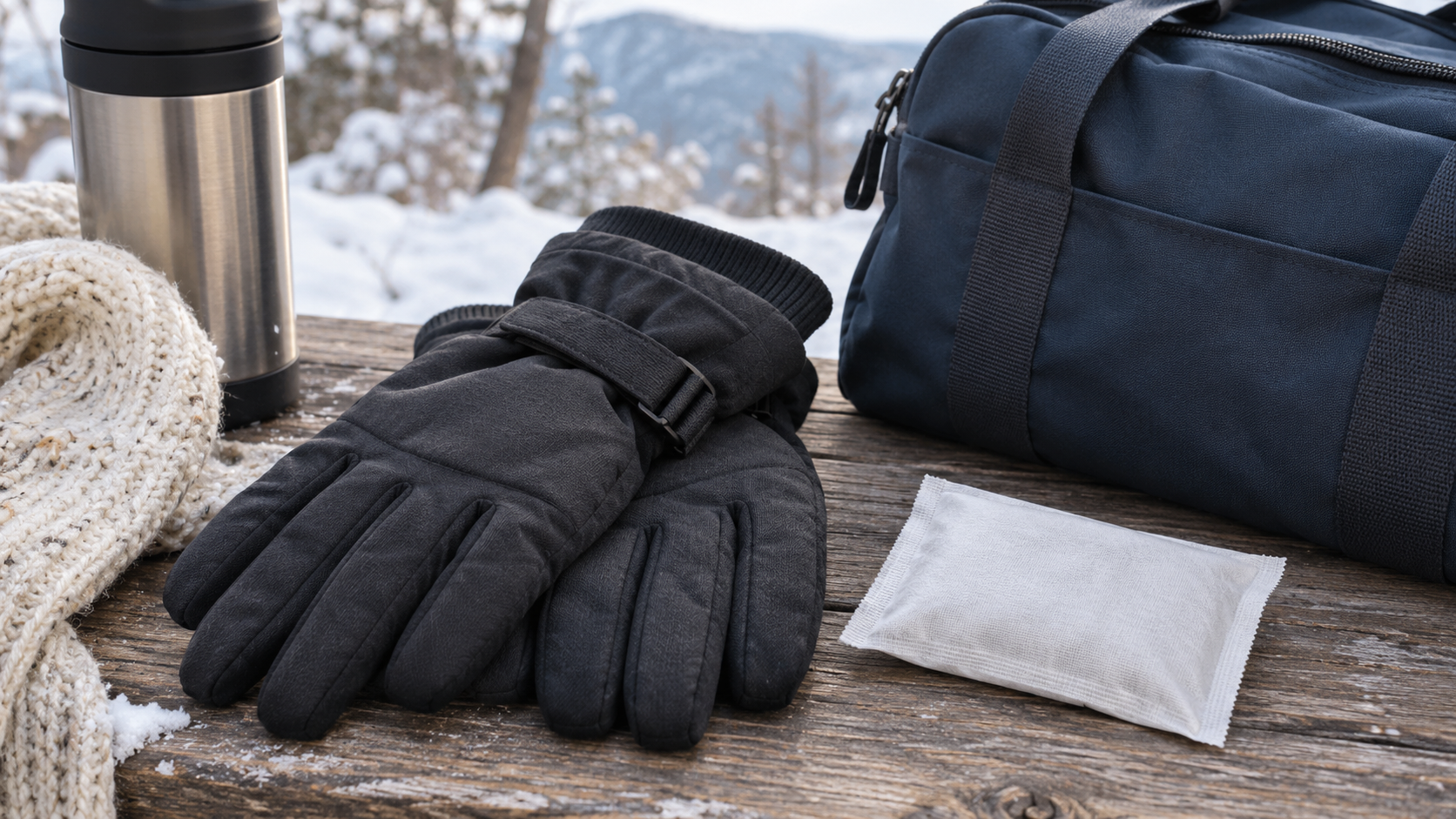
#Say you’re taking a morning flight and you’ll be outside waiting for a bus after you land. I’d put the sealed disposable pads in a bag I’m keeping with me. The FAA’s allowance also covers checked baggage for ordinary air-activated pads. My reason for keeping a pair close is practical: the cold can arrive before the checked bag does.
Keep them in their original packets so you can identify them easily and use them according to the label when you need them. Think about the actual part of the trip when you want warmth. A short walk from the terminal calls for less planning than a long wait outside after a late arrival. Gloves or mittens are already useful before you ever open a warmer.
If you usually pack the same pair for every trip, check what’s left in the pocket from last time. Winter coats collect things. A disposable packet from one outing, a charged device from another, and an unknown pouch at the bottom of the bag each need a different answer.
How I’d ask about a rechargeable model
#The FAA publishes separate guidance for battery-powered heat-producing devices. Where that category applies, the FAA describes airline approval and a way to isolate a component to prevent accidental heating during transport. I’d ask which rules apply to the exact warmer and whether its design meets them. A nominal battery capacity small enough for ordinary electronics doesn’t settle the heating-device question.
Send the operating airline the model, the battery’s printed watt-hour rating if available, whether the battery can be removed, and whether the device can charge another device. Then ask if it allows that model, which bag it must go in, whether you need approval, and what the carrier expects you to do to prevent it switching on. I’d use only the manufacturer’s documented features. If the approval requires a safeguard the device doesn’t have, take a different warmer.
If a lithium power bank or spare lithium battery is allowed, FAA rules put it in the cabin. If your carry-on gets checked at the gate, take those items out and keep them with you. Follow your carrier’s directions for the approved warmer too. I’d keep the gear accessible before boarding, because unpacking it on the jet bridge is a much bigger nuisance than moving it while you’re sitting at the gate.
Damage changes the decision. Leave a swollen, leaking, damaged or recalled warmer at home and follow its manufacturer’s instructions for safe handling. An airline’s answer about a normal device assumes the one in your bag is in working condition.
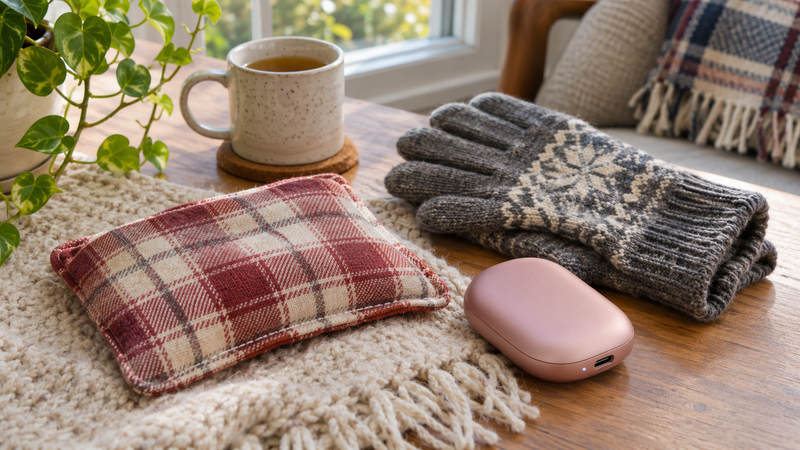
What I’d do with fuel and gel types
#With fuel-powered hand warmers, the FAA’s entry is clear about models that use flammable liquids or gases. I’d leave them out of both bags. If all you have is a refillable one already in your outdoor kit, plan to pick up a permitted alternative after landing or use a sealed disposable pad if allowed on your full itinerary.
For a reusable gel warmer, I’d treat the product label as the start of the check. Look for the declared contents and volume, then ask the screening authority whether it treats that pouch as a gel or liquid and how it applies its local limits. The FAA guidance for an iron-based disposable pad doesn’t answer that question. If the pouch is unmarked, taking an identified product is an easier plan.
If there’s a connection or a different airline on the way home
#Write down the countries where you clear security and the airlines that operate each flight. Check any rules that apply to the connection as well as the first airport. An airline’s approval for one leg does not carry over to the next airline. That matters most if you bring a battery-powered device for a trip where the return is on a different carrier.
I’d choose gloves and a couple of recognizable air-activated packets when the trip crosses several rule sets and the warmer is only for the walk at the end. If the rechargeable one is the item I genuinely need, I’d make the carrier check early enough to change plans. In either case, the useful question is the one you can answer by looking at the object in your hand: what actually makes this thing warm?