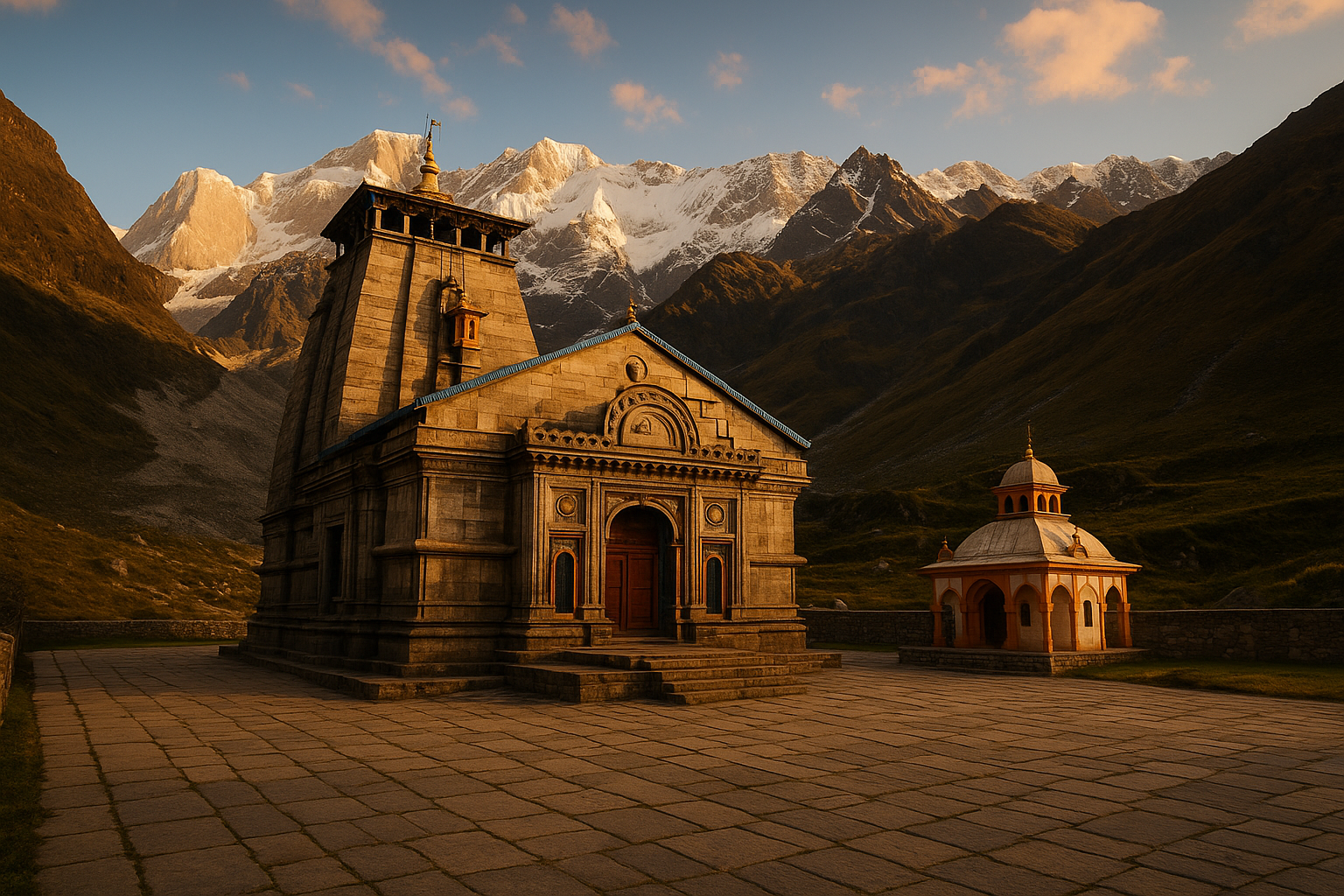
If you’ve grown up in North India, Char Dham is that “one day pakka” trip. For me it was the same… always postponed because work, money, or someone’s shaadi season, you know. When I finally did it, I came back with two things: (1) a tiny bit more faith in my legs and lungs, and (2) a very practical respect for Uttarakhand weather and rules.
Also, small reality check: Char Dham isn’t like a cute weekend hill-station scene. It’s a proper yatra. Long travel days, changing plans, heavy crowds on peak days, police checkpoints, random road blocks, and then suddenly… this unreal silence near the temple at 5 AM where you’re like, “ohh… so this is why people do this.”
This post is a mix of what I personally faced + what’s currently required (registration, apps, timings, new-ish rules, safety stuff). I’m writing it like I’d tell my friend on a chai break. Not perfect. But useful.
Quick Char Dham basics (so we’re on same page)
#Char Dham in Uttarakhand usually means Yamunotri, Gangotri, Kedarnath, and Badrinath. Most people start from Haridwar/Rishikesh and go in a loop-ish route depending on their plan and energy level.
Typical flow (most common):
Yamunotri → Gangotri → Kedarnath → Badrinath
But honestly people mix it up depending on hotel availability, road status, and whether they’re doing helicopter for Kedar or not. I met one uncle who did Badrinath first “because Panditji said so.” So yeah, there’s that too.
Yatra season dates: what’s open, what’s not, and why you can’t wing it totally
#Temple opening/closing is not random, it’s based on traditions and announcements from the temple committees. In general, the season runs in summer and early monsoon (and then closes before heavy winter sets in). Kedarnath especially gets shut for winter because it becomes proper snow-world.
What I tell people now: don’t plan the trip without checking the official opening status for your travel week. Even if roads are open, darshan can be limited in weird ways due to crowd management or weather.
Best months vibe-wise (in my opinion):
- May/June: crowded like anything, but facilities are fully active, roads mostly stable
- Late Sep/Oct: less crowd, cleaner experience… but nights get cold fast, and rain/snow risk starts increasing at higher points
- July/Aug: I personally avoid. Not saying you can’t go, but landslide risk is real, and delays can get ugly.
And yes, “I’ll just go in off-season for peace” sounds nice until you realise many hotels shut and transport becomes uncertain.
Registration: how it works now (and where people mess up)
#Registration has become a proper system now, and you really should do it. In many stretches they do check at entry points, and sometimes at multiple places. It’s not only bureaucracy, it’s also for tracking pilgrims during emergencies (landslides, cloudburst alerts, etc.).
Usually you can register online through the Uttarakhand tourism/yatra portal, and there are counters too in Haridwar/Rishikesh and sometimes at major stops. Most folks I saw were doing it on phone, because standing in counter line after an overnight bus… bhai, no thanks.
Things you’ll typically need:
- ID proof (Aadhaar/other govt ID)
- Mobile number (OTP etc)
- Basic details for each traveller
- Route/temple selection and dates (sometimes they ask your expected travel window)
My small mistake: I assumed one registration covers all four without checking properly, and then later had to re-check the temple selection on the portal. So just double-check what you’ve selected before you hit submit. Save screenshots. Printout is optional but a screenshot saved offline is gold when network disappears (and it WILL disappear).
The apps: what to install before you leave (because mountains don’t care about your 5G plan)
#This part is underrated. People pack raincoats and dry fruits but forget the phone basics.
The main thing: Uttarakhand’s official yatra/registration app or portal access (whatever is active for the season). I’m not naming one single app blindly because sometimes they update/replace, but the official ecosystem usually includes:
- Yatra registration access (QR/booking/verification)
- Advisory alerts (weather, route restrictions)
- Helpline info
Apart from that, on my phone I kept:
- Offline maps (download the whole Uttarakhand belt you’re travelling)
- UPI apps + one backup (sometimes one app fails to load)
- A basic torch app (power cuts happen)
Pro tip that saved me: keep your registration QR/screenshot in your gallery AND in a WhatsApp chat with yourself. Gallery loads faster even in airplane mode. WhatsApp sometimes doesn’t load if network is dead, so don’t rely on cloud only.
New(er) rules and on-ground enforcement: what actually gets checked
#Rules keep tightening because crowd numbers have gone up a lot in the last few seasons. And with more people, there’s more chances of chaos, so admin gets strict. On the route, I noticed these getting enforced the most:
- Registration verification at multiple points (not just one)
- Traffic control: one-way movements near busy ghats/parking zones, especially peak hours
- No-parking zones are serious now. They tow or fine, and locals get super irritated (fair)
- Plastic restrictions: not perfectly enforced everywhere, but in many zones they do check bags and shops are pushed to reduce single-use plastic
Also, helicopter services for Kedarnath have their own separate booking rules and baggage limits, and you can’t just show up and demand a seat. People were literally fighting at a small helipad queue because they didn’t read the booking instructions properly… not worth it.
Safety updates: weather, landslides, and why buffer days are non-negotiable
#Let me say it straight: keep buffer days. Please. I know we all have office leaves limited and manager drama, but in the hills, one landslide can make you miss your darshan AND your train.
On my route, there were at least a couple of stretches where traffic was stopped for hours because debris clearing was going on. You’ll see JCB machines, police telling everyone to wait, and that one guy who keeps honking like honking will move the mountain.
Current trend is also more weather alerts being issued (and shared) quickly. Which is good. But it means sudden route closures happen too.
What worked for us:
- Start early (like 5 AM early) on travel days
- Keep one extra day if possible for Kedarnath side
- Don’t travel late night on landslide-prone roads even if driver says “ho jayega”
And please carry basic meds. Altitude + cold + exhaustion = headache party. I saw so many people looking for Diamox/ORS last minute at expensive rates.
Transport options: bus, shared taxi, private cab, self-drive… and the honest pros/cons
#Transport is where your budget and comfort level decides your whole mood.
1) Government/roadways buses:
Cheap, reliable-ish, but slow. Great if you’re patient. Crowds can be intense in peak time.
2) Shared taxis (Bolero, Sumo type):
Fast-ish, flexible. But you’ll be squeezed like tiffin box sometimes. Still, very common and practical.
3) Private cab:
Comfort, stops when you want, less headache. But expensive. Depending on season and route, full circuit cab packages can vary a lot.
4) Self-drive:
If you’re experienced with steep mountain roads, okay. If not… honestly don’t let ego decide. Hairpin bends + fog + tiredness is dangerous.
For Kedarnath specifically, remember: vehicles go till Gaurikund/Sonprayag area (rules depend on traffic management). From there it’s trek, pony/palki, or helicopter (as per booking and weather).
Accommodation: what’s available and what prices look like (roughly)
#You’ll find everything from dharamshalas to decent hotels, plus GMVN (Garhwal Mandal Vikas Nigam) properties in many places. During peak season, prices shoot up, and rooms vanish fast. Booking early saves money AND stress.
Rough price ranges (very seasonal, but still helpful):
- Dharamshala/basic lodge: ₹500–₹1200 per person/night (sometimes dorm style)
- Budget hotel/guesthouse: ₹1200–₹3000 for a double (can be more in peak)
- Mid-range hotels in bigger bases (Guptkashi, Uttarkashi, Joshimath): ₹2500–₹6000+
Near Kedarnath top, options are limited and functional. Don’t expect luxury. Hot water can be “bucket after 7 pm” type scene. And that’s okay.
My personal preference: stay slightly away from the most chaotic temple market area if you want sleep. In the morning you can go for darshan early anyway.
Food on the yatra: simple, repetitive, comforting… and sometimes weirdly delicious
#Food is mostly North Indian veg, because yatra routes are like that. You’ll get:
- Aloo paratha, poori-sabzi, maggi (of course), rajma-chawal sometimes
- Tea that tastes 10x better in cold weather for no logical reason
- Garhwali style simple dals and bhatt dishes in some places if you explore a bit
Don’t expect fancy cafes everywhere, but you will find surprisingly good small stalls. One aunty near a stop (I won’t even pretend I remember the exact name) gave us mandua roti with ghee and it was like… bro, why is this not mainstream.
Also, please be careful with water. Carry your own bottle, use safe sources. Stomach issues in mountains are brutal because pharmacies are not at every corner.
Kedarnath: the trek reality, crowd flow, and my two cents on helicopter
#Kedarnath hits different. Even if you’re not super religious, that valley + the temple… it does something. But the process is tiring.
Trek basics:
- Start early from Gaurikund
- Pace yourself, don’t race strangers
- Layering is key. In sun you’ll sweat, in shade you’ll freeze
Pony/palki are available, but book/confirm properly and be kind to the staff. I saw people bargaining aggressively like it’s a street market… not nice.
Helicopter:
Useful for elderly or people with health issues. For others, it’s optional. But remember flights are weather-dependent, delays/cancellations happen. Don’t plan your whole itinerary assuming the chopper will run perfectly. Some folks got stuck because return flights got delayed and their hotel bookings below got messed up. So yeah, keep buffer.
Yamunotri & Gangotri: quieter than Kedar (usually), but don’t underestimate them
#Yamunotri has that short trek feel (depending on where you park/start), and the whole hot water kund + temple scene is very… wholesome? Like families, kids, old parents, everyone doing their own slow thing.
Gangotri feels more “open” to me. The Bhagirathi river, the clean cold air, and those moments where you just stand there and shut up. Also, it can get chilly suddenly, even if your plains-brain is thinking “it’s summer yaar.” Carry a jacket.
Crowds can spike on weekends and holidays though. If you can, reach a day earlier and do darshan early morning. The difference between 6 AM and 11 AM is basically your whole mood.
Badrinath side: wider roads (sometimes), better facilities, and a nice surprise nearby
#Badrinath region generally has better-developed facilities compared to the higher trek-dependent places. The town can feel busy but manageable. The temple queue management is usually decent, but again… peak season is peak season.
If you have time, don’t rush out immediately. People often ignore nearby spots:
- Mana village (popular now, but still worth it)
- Local short walks and viewpoints depending on road openings
- Small tea stalls where locals actually talk and don’t treat you like ATM
One thing I didn’t expect: the cold wind in the evening there. Like it comes out of nowhere and suddenly you’re hunting for gloves you didn’t pack.
Packing list (not perfect, but what actually mattered for me)
#I overpacked useless stuff and still forgot one cap. Classic.
What mattered:
- Good shoes (not brand show-off, just comfortable grip)
- Rain jacket/poncho (wind + rain combo is savage)
- Thermals/light down jacket for evenings
- Power bank (big one) + extra cable
- Basic medicines: ORS, painkiller, cold meds, band-aids
- Cash (ATMs are there in some towns, but don’t depend 100%)
What didn’t matter (for me): fancy outfits. No one cares, and you’ll be layered like an onion anyway.
Crowd, darshan tips, and small etiquette things that make life easier
#This is where people get irritated quickly, so a little discipline helps.
- Go early for darshan. Like genuinely early.
- Keep your group together but don’t block paths for photos (I know… we all want pics)
- Don’t throw trash. Carry a small bag for wrappers. It’s not hard.
- Respect local drivers and workers. They’re doing this daily in tough conditions.
And please don’t blast loud music on mountain roads near temples. I’m not being sanskari police, it just ruins the vibe for everyone.
Budget reality: what a typical trip costs (ballpark)
#Everyone asks this. Cost depends on style.
A very rough ballpark for a 10–12 day circuit:
- Budget/shared transport + basic stays: maybe ₹18k–₹30k per person
- More comfort/private cab + better hotels: ₹35k–₹70k+ per person
- Helicopter for Kedarnath adds a big chunk depending on availability and official pricing/route
Also add: food, ponies/palki if needed, donations, rain gear bought last minute (expensive), and random “only in yatra” expenses like extra night stay due to road block.
So yeah, always keep 15–20% extra budget. Mountains love surprise bills.
My honest take: the yatra is not ‘easy’, but it’s worth it (if you plan smart)
#I’ll be honest, there were moments I was cranky. Like when we were stuck in traffic for hours and the car was smelling of wet socks and samosa, and my back was like “bhai enough.” But then you reach the temple area early morning, hear bells, see fog moving between mountains, and you calm down.
Char Dham is faith, yes, but it’s also logistics. Registration, apps, documents, route checks… it’s part of it now. If you accept that and plan accordingly, the trip becomes smoother.
If you’re going in 2026 specifically, just keep an eye on official announcements closer to the season because rules and verification steps can change slightly year to year. Don’t trust random reels blindly. Half of them are shot in one season and posted for three years, lol.
Last little advice before you go (from someone who learned the hard way)
#Start early, keep buffer days, save your registration proof offline, and don’t try to do everything at superhuman speed. If parents are with you, plan gentler days. If you’re with friends, still don’t act like it’s a road trip to Mussoorie.
And when you’re there, just… pause sometimes. Not for Instagram. Just for you.
If you want more travel stories and practical India trip planning like this, I sometimes browse AllBlogs.in too. It’s a nice rabbit hole when you’re in that “next trip when?” mood.