I started making overnight oats in hotel rooms because I got tired of paying $19 for a sad buffet breakfast where the eggs taste like they were assembled by a committee. Sorry, hotel breakfast people. I love you, but also... no. When I’m traveling for food, the last thing I want is to waste my morning appetite on lukewarm toast before heading out to a market in Lisbon, a ramen alley in Tokyo, or some tiny bakery in Copenhagen where the cardamom buns are basically a religious experience. Overnight oats became my little travel hack, but also weirdly one of my favorite food rituals on the road.
And no, I’m not talking about those chalky, punishment-looking oats people used to post in mason jars in 2015. Travel oats in 2026 are a whole different mood. Everyone’s doing protein breakfasts, gut-health toppings, local honey, fermented fruits, pistachio everything, tahini swirls, freeze-dried berries, and supermarket tourism is now practically a sport. I’ve seen people get more excited about a foreign grocery store than a museum, and honestly? Same. Give me a beautifully stocked dairy aisle in Seoul or a corner shop in Barcelona with three kinds of figs and I am gone.
Why I Pack Oats Before I Pack Nice Shoes
#There was this morning in Vienna a few years ago when I learned my lesson. I had planned this whole pastry crawl: Café Central, Demel, then maybe a sneaky stop for schnitzel later because apparently I thought I was training for something. But I woke up starving at 6:15 a.m., nothing was open yet except the hotel buffet, and I ate a plate of mediocre scrambled eggs and a dry roll. By the time I got to the apfelstrudel, I was full in the most boring way. Tragic. Truly one of my dumber food-travel mistakes.
Now I keep a little oat kit in my bag. It’s not fancy. Rolled oats in a zip pouch, chia seeds, a tiny spoon, sometimes powdered peanut butter, sometimes cinnamon if I remember. I’ll buy the rest locally: yogurt, milk, fruit, nuts, jam, honey, whatever looks good. That’s the fun part. Overnight oats are basically a blank canvas for wherever you are. In Greece, I make them with thick yogurt and thyme honey. In Mexico City, I added guava, cajeta, and toasted pecans from a market stall and nearly proposed to my own breakfast. In Japan, I’ve done matcha, black sesame, and convenience-store soy milk, which sounds like a wellness retreat but tasted like dessert.
The point of hotel-room oats is not to avoid local food. It’s to protect your appetite so you can spend it on the food that actually matters.
The Tiny Travel Oat Kit I Actually Use
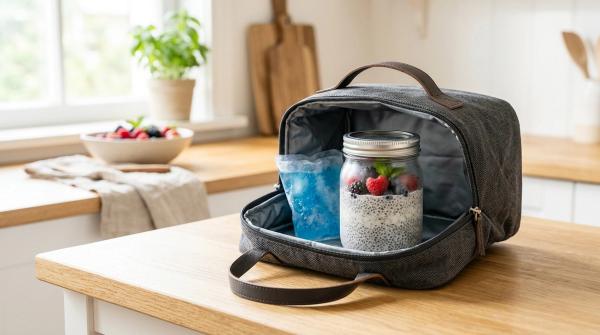
#I’ve tried the whole aesthetic glass jar thing, and yeah it looks cute for about ten minutes. Then you’re dragging a heavy jar through airport security and praying it doesn’t explode in your backpack next to your passport. These days I use a lightweight screw-top plastic container or a collapsible silicone bowl with a lid. Not glamorous, but neither is eating breakfast with a coffee stirrer because your Airbnb only has one fork and it’s mysteriously sticky.
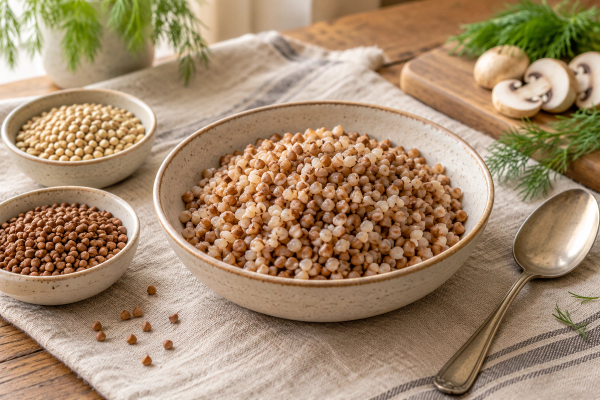
- Rolled oats are best for travel because they soften nicely overnight and don’t turn into baby food as fast as instant oats.
- Chia seeds help thicken everything, plus they make the oats feel more like a proper meal. Go easy though, unless you enjoy eating cement.
- A tiny salt packet changes everything. I steal them from airport cafés. Not proud, but also not stopping.
- Powdered milk, protein powder, or powdered peanut butter are good backup options when you land late and the only shop open sells chips, beer, and one suspicious banana.
- A reusable spoon is essential. I forgot mine in Berlin once and ate oats with a tea bag wrapper folded into a scoop. Bad times.
My Basic Hotel-Room Overnight Oats Formula
#This is not a recipe in the strict, chef-y sense. It’s more like a ratio I follow when I’m tired and slightly sweaty from dragging luggage over cobblestones. In a container, add about 1/2 cup rolled oats, 1/2 cup milk or yogurt or a mix, 1 teaspoon chia seeds, pinch of salt, and something sweet. Stir. Leave it in the mini fridge overnight. If there’s no fridge, I use shelf-stable milk and eat it within a few hours, but I’m cautious with dairy because food poisoning while traveling is the worst kind of plot twist.
In the morning, loosen it with a splash of milk or water. Then toppings. Fruit, nuts, granola, local jam, sesame paste, chocolate, dates, whatever you bought because the label looked pretty. I’ve made incredible bowls from the most random hotel-room supplies. A plastic cup of oats with Sicilian blood orange, almonds, and a drizzle of supermarket olive oil? Sounds odd, tasted unreal. A Prague version with poppy seed paste and sour cherries? I still think about her.
The 2026 Breakfast Travel Trend: Grocery Stores Are the New Food Tours
#One thing I’ve noticed more and more lately is that food travelers aren’t just booking restaurants anymore. They’re hunting down neighborhood bakeries, farmers markets, zero-waste shops, train-station food halls, and yes, regular grocery stores. In 2026, this whole “local breakfast in your room” thing fits right into bigger travel trends: lower-cost luxury, wellness without being annoying about it, high-protein mornings, and eating like you live there for two days even if you absolutely do not.
I love restaurants, obviously. I plan trips around them like a totally normal person plans around weather. But grocery stores tell you things restaurants don’t. What yogurts do locals buy? Is everyone obsessed with pistachio cream? Are the strawberries actually good or just pretty? Is there an entire shelf of fermented dairy drinks? In Seoul, I stood in a convenience store comparing banana milk brands for so long the clerk asked if I needed help. I did not need help. I needed emotional privacy.
Destination Oat Combos I’ve Made and Loved
#In Lisbon, I bought thick yogurt, orange marmalade, cinnamon, and roasted almonds near Mercado da Ribeira, then ate my oats by the window while trams rattled outside. Later that morning I still had plenty of room for a pastel de nata at Manteigaria, which is the correct way to live. The oats were simple, but the local citrus made them bright and sunny, like breakfast was wearing linen.
In Mexico City, overnight oats became almost too good. I found guava paste, cajeta, pumpkin seeds, and fresh papaya, and suddenly my budget breakfast tasted like something a boutique hotel would charge $16 for and describe as “heritage-inspired.” I stayed near Roma Norte, where every other café seems to be doing gorgeous coffee, conchas, chilaquiles, or some modern Mexican brunch situation. But having oats first meant I could walk around Mercado Medellín without becoming the kind of hungry person who makes bad taco decisions. Though, to be fair, most taco decisions in CDMX are good decisions.
In Tokyo, my favorite version was oats soaked in soy milk with matcha powder, topped with black sesame, sliced banana, and a little packet of kinako I bought because I thought it was cute. Convenience stores in Japan remain one of the great culinary gifts of travel. You can build a whole breakfast there: boiled eggs, yogurt, fruit cups, milk, nuts, onigiri for later. I know overnight oats are not Japanese, don’t yell at me, but folding local flavors into them made my mornings feel connected to the place instead of like I’d packed my kitchen from home.
And then Copenhagen. Oh Copenhagen. I made oats with skyr, rye crumbs, apple, hazelnuts, and a spoonful of berry compote, then went out for pastries because balance is a lie but a beautiful one. The Nordic breakfast style just works with oats: tangy dairy, seeds, tart fruit, not too sweet. It’s the kind of thing that makes you feel wholesome for about three hours, until you buy a second bun at Hart Bageri because you have no self-control. Me neither.
Hotel Room Problems Nobody Mentions
#The mini fridge is either freezing your yogurt into a dairy brick or barely cooler than the room. There is no middle setting. I’ve learned to put oats toward the back if the fridge is weak, toward the door if it’s aggressive, and never right under that weird freezer flap unless I want breakfast sorbet. Also, some hotels now stock sensor minibars where moving anything charges you $9 for touching a tiny whiskey bottle. In that case, I call the front desk and ask if they can empty it or provide a fridge for medicine. Usually they help. Sometimes they act like I requested a private goat.
Kettles are another issue. I know people use hotel kettles for all sorts of questionable behavior, and I try not to think about it too much. If I’m using hot water for oats, I boil it twice first. If the kettle smells weird, I skip it. Safety over vibes. In places where tap water isn’t recommended for visitors, I use bottled water or shelf-stable milk. Food travel is romantic until you spend two days memorizing the bathroom tile. Don’t be brave about dairy and water. Be boring. Boring is good.
A Few Not-Too-Perfect Rules for Better Travel Oats
#- Buy one local ingredient first. Just one. A jam, a fruit, a yogurt, a nut butter, something that makes the oats feel like they belong to the trip.
- Don’t overpack toppings from home. I used to bring cacao nibs, flax, protein powder, coconut, cinnamon, all of it. Then I realised I was basically hauling a pantry through customs like an oat goblin.
- Keep breakfast small if you’re doing a food-heavy day. Overnight oats should support your croissant plans, not sabotage them.
- Use oats as a money saver in expensive cities. Zurich, Reykjavik, London, New York... a hotel-room breakfast can save enough for an actually memorable lunch.
- Wash your container immediately. Future-you does not deserve fermented oat sludge after a long train ride.
What to Buy in Different Culinary Cities
#If I’m in Barcelona, I go for peaches or oranges, Marcona almonds if I’m feeling spendy, and a little honey. Around La Boqueria it’s easy to get carried away, though I actually like smaller neighborhood markets better when I have time. In Istanbul, I’d do thick yogurt, tahini, grape molasses, pistachios, maybe chopped dried apricots. In Bangkok, mango and coconut milk are obvious, but I also love adding roasted peanuts and a pinch of salt so it doesn’t go full dessert. In Seoul, try Greek-style yogurt, roasted soybean powder, strawberries, and honey butter almonds if you’re in a playful mood.
In Paris, I know it feels almost illegal to eat oats when croissants exist. But hear me out. A small bowl with fromage blanc, pear, walnuts, and chestnut spread before heading out means you can still enjoy a proper bakery stop without ordering three pastries in a hunger panic. Although I’ve done that too and regret nothing. In New Orleans, I once made oats with pecans, banana, and a little praline crumble, then went out for chicory coffee and beignets. That was not a low-sugar morning. It was an excellent morning.
Portable Innovations That Actually Help, Not Just Influencer Nonsense
#Some travel food gadgets are silly. I do not need a suitcase blender. I barely need the shoes I pack. But a few newer travel-kitchen bits are genuinely useful: flat-pack silicone containers, tiny leakproof dressing cups for nut butter or honey, insulated food jars, and those little USB milk frothers if you’re also a coffee person. I’ve seen more hotels offering filtered water stations and refillable glass bottles too, which makes oats easier and cuts down plastic waste. Aparthotels and extended-stay places are having a moment as well, especially with food travelers who want a fridge but still want hotel convenience.
The other innovation is not a gadget, it’s the rise of better convenience food. Plant-based yogurts are way better than they used to be. Shelf-stable oat and soy milks come in smaller cartons. Protein puddings, skyr cups, kefir drinks, and fermented toppings are everywhere in many big cities now. You can land late, walk into a train-station shop, and build a breakfast that isn’t just a croissant in plastic wrap. Though sometimes the croissant in plastic wrap is exactly what you need. Travel is complicated like that.
When Not to Make Overnight Oats
#I don’t make oats every morning. That would be weird and honestly kind of sad. If I’m somewhere famous for breakfast, I go eat breakfast. In Taipei, I want hot soy milk and fan tuan. In Istanbul, give me menemen, simit, olives, cheeses, tomatoes, and tea that never stops coming. In Singapore, I’m not sitting in a hotel room eating oats when kaya toast, soft eggs, kopi, and hawker centres exist. In Oaxaca, I want tamales, hot chocolate, and pan de yema. Some mornings are meant to be out in the street, half awake, following the smell of something frying.
But on travel days? Early trains? Food tours that start at 10? Expensive business hotels in cities where breakfast costs more than dinner? That’s when oats shine. They’re quiet, cheap, flexible, and they stop you from becoming a monster in the taxi queue. I have absolutely been that monster. My partner once handed me a banana in an airport and said, very calmly, “Please eat this before speaking again.” Fair.
My Favorite Hotel-Room Oats Combinations Right Now
#- Greek island oats: thick yogurt, honey, figs, walnuts, a tiny pinch of sea salt.
- Tokyo convenience-store oats: soy milk, matcha, banana, black sesame, kinako if you can find it.
- Lisbon sunshine oats: yogurt, orange marmalade, cinnamon, almonds, fresh orange segments.
- Mexico City market oats: papaya, guava paste, pumpkin seeds, cajeta, and maybe lime zest if you have a knife, which you probably don’t.
- Nordic-ish oats: skyr, apple, rye crumbs or granola, berries, hazelnuts.
- Emergency airport hotel oats: oats, shelf-stable milk, peanut butter packet, banana from reception. Not sexy. Works.
A Note on Packing, Borders, and Not Being That Tourist
#I keep dry oats and seeds in their original packaging when crossing borders if I can, especially on longer international trips. Fresh fruit, dairy, nuts, and honey can be restricted depending where you’re going, so buy those after arrival and finish them before you fly onward. Don’t be the person arguing with customs over an apple. Nobody wins. Also, if you’re staying in a hotel, keep things tidy. Housekeeping does not need to discover your chia seed science project leaking next to the hair dryer.
I also try to shop small when possible. Not always, because sometimes you land late and the only option is a chain supermarket, and that’s life. But buying yogurt from a neighborhood shop, fruit from a market stall, honey from a local producer, or nuts from a tiny roaster makes even a basic breakfast feel part of the trip. Food travel isn’t only about famous restaurants. Sometimes it’s about the old man at the market who insists you taste three apricots before choosing, or the cashier who tells you which yogurt is “the good one.” Those tiny moments stick.
The Real Reason I Keep Doing This
#Overnight oats while traveling started as a budget trick, then became a way to feel grounded. Hotels can be lonely, even nice ones. You wake up in a room where the light switches make no sense, your clothes are exploding out of a packing cube, and you can’t remember what city you’re in for half a second. Stirring oats at night, adding something I found that day, putting breakfast in the fridge — it gives the day a little shape. It’s small, but travel is made of small rituals more than people admit.
And from a food-lover perspective, it lets me save my hunger for the good stuff. I’d rather eat simple oats at 7 a.m. and then spend my real appetite on laksa in Singapore, pintxos in San Sebastián, barbecue in Austin, dosa in Bengaluru, or seafood in Busan. Breakfast doesn’t have to be the headline every day. Sometimes it’s the opening act, and a very dependable one.
Final Thoughts From My Crumb-Filled Suitcase
#So yes, I am the person traveling with oats in my bag. I used to be embarrassed by it, like it made me less spontaneous or less of a “real” food traveler. Now I think it’s the opposite. A good hotel-room breakfast gives you freedom. Freedom to skip the overpriced buffet, wander into local markets, try weird yogurt flavors, and arrive at lunch hungry enough to order what you actually came for.
If you try it, don’t overthink it. Pack oats, buy something local, keep it safe, and leave room for the pastries. Always leave room for the pastries. And if you’re into these slightly chaotic food-and-travel notes, I’ve found myself browsing AllBlogs.in for more culinary travel ideas when I’m supposed to be doing laundry before the next trip.