The mango that started my airport fruit obsession
#I learned the hard way that fruit is never “just fruit” when you’re traveling. It was a mango, of course. A fat golden one from a roadside stand outside Hilo, still warm from the sun, and I had this whole fantasy of slicing it in my hotel room and eating it on my flight back to the mainland with lime and chili salt like some smug little picnic person. Instead, I ended up standing near the airport agriculture inspection area, suddenly remembering that Hawaii has its own rules for taking fresh produce to the U.S. mainland. The mango did not make it. I ate what I could before security, sticky hands and all, and honestly it was delicious but also slightly tragic.
Since then, I’ve become weirdly passionate about airport fruit. Apples tucked into backpacks. Cut pineapple in little containers. Bananas that get bruised beyond recognition by the time you reach the gate. Fruit cups with syrup that suddenly count as liquid-ish. It sounds simple, but the rules change depending on whether the fruit is whole or cut, where you’re flying, and whether you’re crossing an agricultural border. And if you’re a food traveler like me, someone who plans layovers around snacks and markets around breakfast, this stuff actually matters.
So, can you bring fruit on a plane?
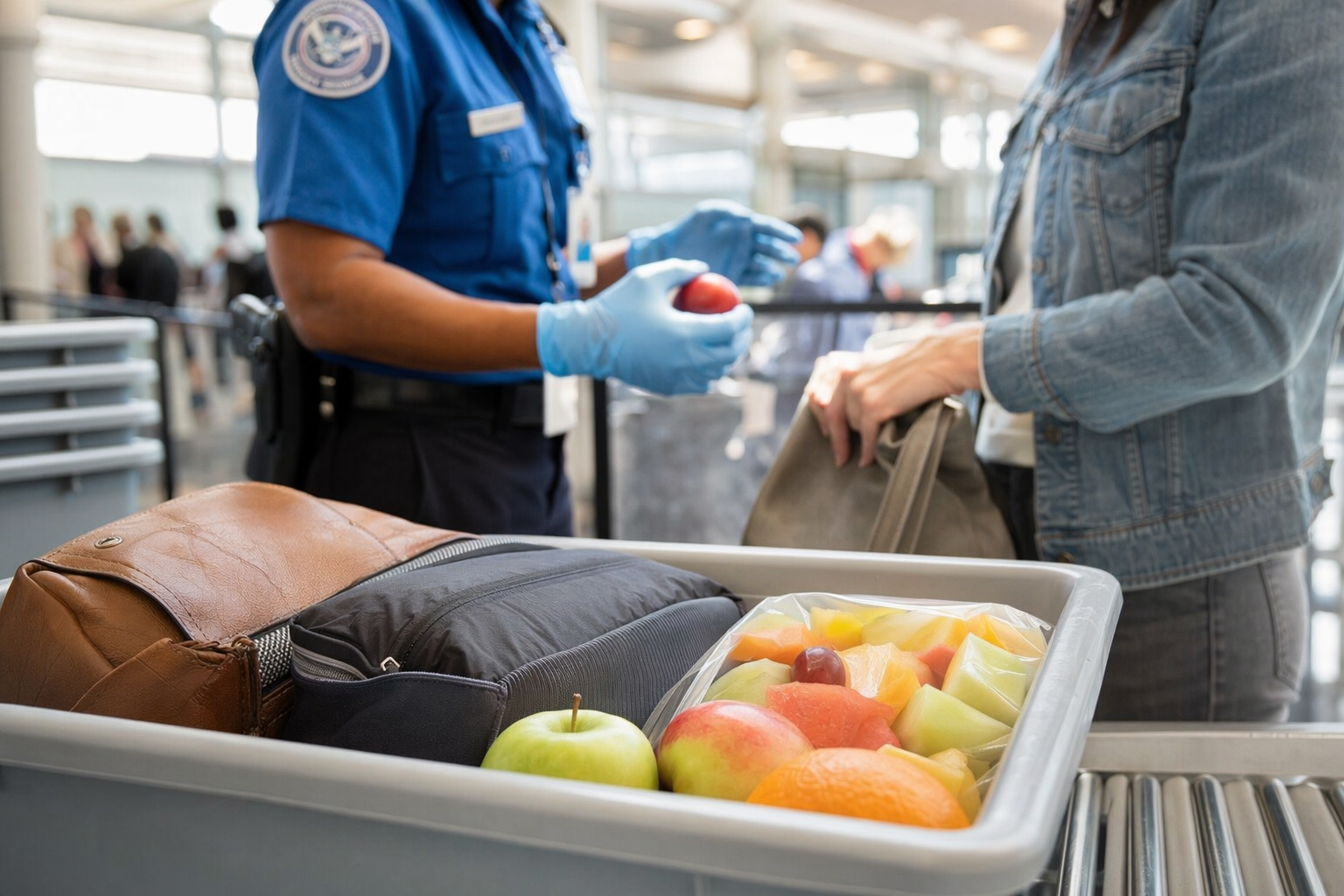
#Short answer: usually yes, but with a bunch of “wait, where are you flying?” attached. For U.S. airport security, the Transportation Security Administration generally allows solid foods in carry-on and checked bags, and that includes whole fruit like apples, oranges, bananas, pears, grapes, and that emergency peach you bought because airport sandwiches are a crime against humanity. TSA’s job is screening for security, not deciding whether your nectarine is biologically welcome in another state or country. That second part is where agriculture and customs rules jump in and ruin the party, sometimes for very good reasons.
On a domestic flight within the continental United States, a whole apple or banana in your carry-on is normally fine. I’ve flown with clementines, plums, grapes, and once a very optimistic avocado from California to Chicago. No drama. But if you’re flying from places like Hawaii, Puerto Rico, or the U.S. Virgin Islands to the mainland, the U.S. Department of Agriculture has restrictions on many fresh fruits and vegetables because pests and plant diseases can hitchhike on produce. International flights are even more serious. When entering the U.S., Customs and Border Protection tells travelers to declare agricultural items, including fruit. Some items may be allowed after inspection, but lots of fresh fruit is refused. Declare it anyway. Seriously. Better an awkward chat than a fine.
Whole fruit vs cut fruit: the airport difference that actually matters
#Whole fruit is the chill cousin. It’s self-contained, not leaking, not swimming in syrup, not making your tote bag smell like a smoothie bar after a power outage. Security-wise, whole fruit is usually treated as a solid food. Cut fruit is still often allowed, especially if it’s plain pieces in a container, but it gets messier in every sense. If the fruit is packed in juice, syrup, yogurt, sauce, or anything gel-like, then you can run into the TSA liquids rule for carry-ons. That means containers over 3.4 ounces, or 100 milliliters, may not pass if the liquid or gel part is significant. Think fruit cocktail in syrup, applesauce cups, smoothie bowls, or watermelon cubes sitting in a puddle of juice.
This is where people get confused because a box of strawberries feels solid, but a fruit cup from the airport cafe might be half liquid by the time you hit security. I once packed sliced oranges for a morning flight out of Madrid, and by boarding they had created this tiny orange swamp in the bottom of the container. No one stopped me because I bought them after security, but if I’d tried that before screening, I would’ve been sweating a little. Same idea applies to other travel foods, by the way. Solid foods and creamy foods are not treated the same, which is why I always tell snack-packers to read up on things like Can You Bring Cake on a Plane? Frosting, Cream, and Packing Rules if they’re building a carry-on picnic.
| Fruit situation | Carry-on security vibe | What I’d do |
|---|---|---|
| Whole apple, banana, orange, pear | Usually fine as solid food on many domestic routes | Pack it near the top and eat it before international arrival if needed |
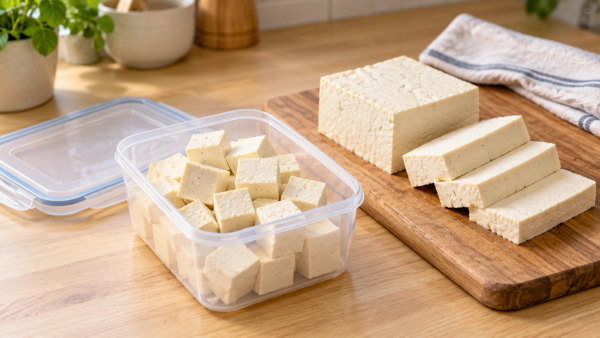
| Plain cut fruit in a sealed container | Usually okay if not packed in lots of liquid | Use a leakproof box, keep it cold, skip sauces |
| Fruit cup in syrup or juice | May be treated like liquid or gel if over 3.4 oz | Buy after security or pack in checked bag if allowed |
| Applesauce, smoothie, fruit puree | Falls under liquids/gels rules in carry-on | Use 3.4 oz containers in liquids bag, or don’t bother |
| Fruit from another country | Customs and agriculture rules apply | Declare it, even if you think it’s harmless |
| Fruit from Hawaii/Puerto Rico/USVI to mainland U.S. | Agricultural restrictions may apply | Check before packing, or eat it before the airport |
My personal rule: whole fruit for flights, cut fruit for hotel rooms
#I love cut fruit. Like, deeply. Give me a plastic tub of papaya with lime in Mexico City, guava slices with chili in India, or cold melon from a Japanese konbini and I am a happy little goblin. But on travel days? Whole fruit wins almost every time. It survives better, it smells less, and it gives you fewer security questions. A mandarin is basically nature’s perfect airport snack. Same with apples, though they can be loud, and if you’ve ever bitten into a crunchy apple at 6 a.m. beside a sleeping stranger at the gate, you know the shame.
Cut fruit is more of a timing thing. If I’m leaving my hotel and going straight to a domestic flight, I’ll pack sliced strawberries or mango in a tight container with a napkin tucked under the lid. If there’s a long taxi ride, heat, a layover, or customs at the other end, nope. Not worth it. Fruit gets sweaty and weird. Also, please don’t be the person opening durian, jackfruit, or super fragrant melon in a crowded cabin. I say this as someone who loves funky food, but there is a time and place and it is not row 24.
A few food-travel moments that changed how I pack fruit
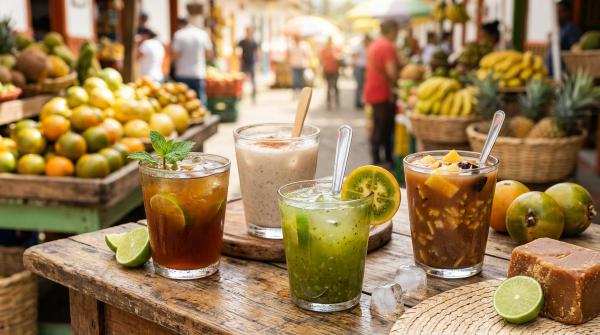
#In Thailand, I got spoiled by fruit vendors. Bags of pineapple, green mango, rose apple, dragon fruit, all sliced perfectly and handed over with chili-sugar-salt packets. It made grocery store fruit back home taste like wet cardboard for a few weeks, not gonna lie. But I also learned that street fruit is best eaten right there, in the moment, standing on a curb with juice running down your wrist. Trying to carry it across a border or through a long-haul flight just turns something joyful into admin. And food should not be admin, except sometimes it is.
In Lisbon, I bought cherries from a market because they looked almost fake, so glossy and dark. I washed them in the apartment, dried them properly, and took them on the train before my flight. That worked beautifully. No cutting, no juice, no fork, no drama. In New Orleans, after eating beignets and too much fried seafood, I packed a couple of oranges for the plane because my body was basically begging for something with actual water in it. Also great. Then there was the time in Miami when I packed cut papaya too casually, the lid popped open, and my backpack smelled like a tropical compost bin for two days. We don’t talk about that trip much.
Fruit is one of the best travel foods because it’s local, seasonal, cheap-ish, and refreshing, but airports turn it into a tiny legal puzzle. Annoying, yes. Worth understanding? Absolutely.
The customs part nobody wants to think about
#Here’s the thing: getting fruit through security doesn’t mean you can bring it into your destination. This is the bit people mix up constantly. TSA might let your apple through the checkpoint in the U.S., but if you land in another country, that country’s biosecurity or customs rules decide whether the apple can enter. Same thing coming into the U.S. from abroad. CBP asks travelers to declare food and agricultural products, and fruit is absolutely part of that world. Even if it’s just one orange from the hotel breakfast buffet. Even if your aunt said it’s fine. Even if you forgot it was in your bag. Declare it.
Countries with strong agriculture protections, like Australia and New Zealand, are famously strict about food and plant products. The U.S. is strict too, especially because pests can damage crops. And honestly, as much as I complain when I lose a beautiful piece of fruit, I get it. I’ve walked through citrus groves in California and apple country in Washington, and you realize these rules aren’t just bureaucratic nonsense. They protect farms, ecosystems, and people’s livelihoods. Still hurts when it’s a perfect mango, though.
How to pack whole fruit without making your bag disgusting
#Whole fruit seems easy until a banana gets crushed under your camera charger and suddenly everything you own smells like regret. I’ve been there. My go-to fruits for flying are clementines, firm apples, grapes in a hard container, and slightly underripe pears. Bananas are risky but useful if you pack them in a side pocket or a small box. Peaches and nectarines are delicious but dramatic. They bruise if you look at them wrong. Berries are wonderful, but they need a rigid container and a cold plan. I don’t pack berries loose unless I want jam, and not the cute kind.
- Choose firmer fruit for long travel days. If it’s already soft at breakfast, it’ll be soup by boarding.
- Wash and dry fruit before packing, unless you’re buying it at the airport and eating it right away.
- Use a small container or reusable produce bag, not just a random napkin situation. I’ve tried that. Bad idea.
- Keep fruit accessible because security officers may want a look, and because you’ll forget it otherwise.
- Eat restricted fruit before arrival when traveling internationally, or be ready to declare and surrender it.
Cut fruit: lovely, risky, and sometimes worth it
#Cut fruit is where the culinary traveler in me fights the practical traveler in me. Because yes, sliced mango with lime is better than a sad granola bar. Cold watermelon after a spicy meal before a flight? Heaven. But cut fruit needs care. Pack it in a leakproof container, keep portions small, and avoid liquid pooling at the bottom. If you’re bringing it through U.S. security, plain cut fruit is generally more likely to be fine than fruit sitting in syrup or yogurt, but the final call is always with the officer at the checkpoint. That “final decision” language is not just a formality, by the way. I’ve seen two airports handle almost identical snacks differently.
Also think about utensils. A fork or spoon is usually the move. Don’t bring a little paring knife for your apple unless you want your security line to get exciting in the worst possible way. I keep a tiny travel fork-spoon thing in my food pouch, and if you’re trying to build a smarter snack kit, this guide on a Reusable Travel Cutlery Kit: What to Pack and Avoid is actually useful. Avoid blade-like tools, keep it simple, and maybe don’t slice fruit on the tray table because, um, those things are not exactly known for their cleanliness.
What about dried fruit, jam, and fruit pastries?
#Dried fruit is the underrated hero here. Dates from a market in Dubai, dried mango from a grocery in Manila, apricots from Turkey, raisins from basically anywhere your hiking friend shops, they’re compact and much less messy. Security-wise, dried fruit is generally treated as solid food, though customs rules can still apply when you cross borders. I always declare food if I’m entering a country and I’m unsure. It takes two seconds to say, “I have packaged dried fruit,” and then someone official can decide. Much better than trying to act casual while your bag contains half a farmers market.
Jam, preserves, fruit butter, and sauces are different. They fall into spreadable or gel territory for carry-ons, so the 3.4-ounce container rule matters. Same with fruit fillings if they’re loose or very creamy, although baked goods themselves are often easier. I’ve carried pastries with fruit filling on domestic flights and had no issue, but a jar of local berry jam needs to be tiny or checked. If you’re comparing snacks, the rules for bread and pastries sit closer to solid foods, and this piece on Can You Bring Bakery Items on a Plane? Bread, Pastries, Cookies, and Packing Rules pairs nicely with the fruit question.
The food traveler’s airport fruit strategy
#My strategy changes depending on the trip. For a short domestic flight, I’ll bring two pieces of whole fruit and maybe a small container of grapes. For a long-haul flight, I’ll eat fresh cut fruit before security or buy it airside if I really want it. For international arrivals, I try not to carry fresh fruit at all unless I’ve checked the rules and I’m prepared to declare it. Not because I’m scared of rules exactly, but because I hate wasting good food. There is nothing sadder than handing over a perfect pear to a bin when you could have eaten it three hours earlier.
- First, ask yourself if you are staying domestic or crossing a border. That one question changes everything.
- Second, decide if the fruit is solid, whole, and clean, or if it’s liquidy, saucy, or packed with yogurt.
- Third, think about temperature. Cut fruit should not sit warm all day unless you enjoy living dangerously.
- Fourth, plan to finish fresh fruit before landing internationally, or declare it when you arrive.
Fruit markets are still my favorite travel souvenir, even when I can’t bring them home
#Some of my best travel memories are fruit memories. A woman in Oaxaca handing me a slice of mamey and laughing because I looked confused. A breakfast buffet in Bali where the salak looked like little snake-skinned grenades. The first time I tasted mangosteen and understood why people get poetic about it. A chilly morning in Paris eating clementines from a paper bag because I’d spent too much on dinner the night before. These aren’t fancy restaurant moments, but they stick. Fruit tells you where you are. The season, the soil, the local habits, the way people snack between meals.
That’s why I don’t see these rules as a reason to avoid fruit when traveling. More like a reason to enjoy it better. Eat the fruit in the place it belongs. Buy from markets. Ask what’s in season. Try the weird-looking thing if someone shows you how to open it. Just don’t assume you can tuck everything into your carry-on and bring it home like a trophy. Food travel is partly about tasting and partly about letting things be temporary. Which sounds very deep for a conversation about bananas, but there we are.
Quick answers before you pack your snack bag
#Can you bring a banana on a plane? Usually yes on domestic U.S. flights, as a solid food, but don’t forget destination rules. Can you bring cut strawberries? Usually okay through security if they’re plain and not swimming in liquid, but pack them well. Can you bring fruit salad? Maybe, but if it has lots of juice, syrup, yogurt, or dressing, the liquids rule may become an issue in carry-on bags. Can you bring fruit internationally? Sometimes, but often no, and you must declare agricultural items when required. Can you bring fruit in checked luggage? Security may allow it, but agriculture and customs rules still apply, so checked baggage is not a magic loophole.
And my real-life answer? Bring whole fruit when you can. Eat messy cut fruit before the airport. Buy fruit after security if you need a fresh snack for the plane. Declare food when crossing borders. Don’t pack knives. Don’t carry mystery produce into countries with strict biosecurity. And please, for everyone’s sake, don’t let a banana die at the bottom of your backpack. We’ve all done it once. Once is enough.
Final bite
#Fruit on planes sits right at the intersection of food joy and travel rules, which is maybe why I find it so funny and frustrating. A peach can be breakfast, a souvenir, a customs issue, and a backpack disaster all in the same day. Whole fruit is usually the easiest travel companion. Cut fruit is doable, just fussier. Anything juicy, creamy, syrupy, or international needs more thought. But none of this should scare you away from eating beautifully when you travel. Some of the best meals are simple things eaten in motion: oranges at the gate, cherries on a train, mango on a hotel balcony before you head to the airport. If you like these slightly nerdy food-travel rabbit holes, I’ve been finding more good reads over on AllBlogs.in, usually while snacking, obviously.