Mumbai-Pune Expressway in the Monsoon: Food Stops, Wet Roads, and That First Hot Vada Pav Feeling
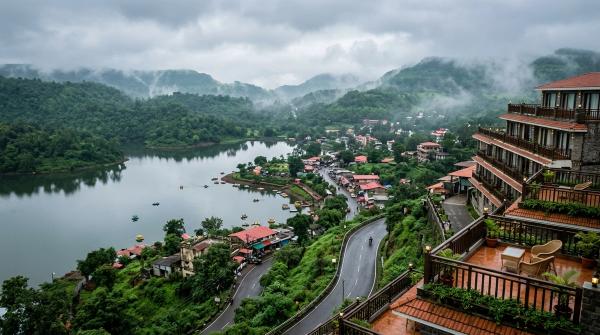
#I have a soft corner for the Mumbai-Pune Expressway in the rains. Not the traffic, obviously. Nobody loves being boxed between a container truck and a bus with foggy windows near the ghats. But that whole mood... dark clouds sitting low on the Sahyadris, little waterfalls suddenly appearing on rocky cliffs, the smell of wet soil sneaking into the car when you crack the window, and then, somewhere around Khalapur or Lonavala, a hot cup of cutting chai that tastes ten times better because your socks are slightly damp. That is peak Maharashtra monsoon for me.
I’ve done this drive in every kind of weather, including one foolish Saturday when me and two friends left Mumbai at 10:30 in the morning because we thought, haan haan, how bad can weekend traffic be? Very bad. The answer is very bad. But even that trip gave me one of my favourite highway meals: misal so spicy it made my nose run, batata vada with the chutney slightly leaking through the paper plate, and a too-sweet coffee that somehow fixed my mood. This post is basically that drive, but with more sense. Food, rain, safety, and the small things I wish someone had told me before I started treating the expressway like a picnic road.
First, a Quick Reality Check About the Expressway in Rain
#The Mumbai-Pune Expressway is not a normal old highway where you can just pull over because the valley looks pretty or because someone in the back seat wants bhutta. It is a controlled-access expressway, and two-wheelers, three-wheelers, bullock carts, tractors and pedestrians are not allowed on it. Stopping on the shoulder for photos, chai, reels, or sudden snack cravings is unsafe and, honestly, stupid. The ghat section around Khandala-Lonavala gets fog, sudden braking, waterlogging in patches, and sometimes falling stones or debris during heavy monsoon spells. I always check official traffic updates from Maharashtra Highway Police or MSRDC before leaving, especially if there has been heavy rain overnight.
Speed limits and lane rules are signposted and they can vary by vehicle type and section, so don’t rely on what one uncle told you in 2018. Follow the boards. Keep headlights on in rain, not hazard lights while moving, please. Hazard lights are for when you are stopped or in distress, not for announcing to everyone that baarish ho raha hai. Also, leave earlier than your ego wants. Mumbai side snarls near Vashi, Panvel, Kalamboli, and the toll approaches can eat up your snack timing. Pune side, the exit traffic around Wakad, Baner, Hinjewadi, and Dehu Road can be its own drama.
My Favourite Food Strategy: Don’t Wait Till You’re Desperate
#The biggest mistake people make on this route is waiting until everyone is starving. Then suddenly every outlet looks good, hygiene standards go out the window, someone orders cold chutney from a place that looks half-asleep, and later the whole car is blaming the poor vadapav. I like to plan food in three stages: a small pre-expressway breakfast if leaving from Mumbai, one proper stop around Khalapur or Lonavala, and a backup snack before entering Pune traffic. Sounds too planned, I know, but monsoon drives punish romantic laziness.
If I’m leaving from South Mumbai or central suburbs, I’ll eat something light before Panvel: poha, idli, banana, maybe a cheese toast if I’m being basic. From Navi Mumbai side, Panvel has plenty of proper eateries and snack shops before you enter the faster sections. I avoid heavy oily meals right before the ghats because I get sleepy, and my stomach is not as heroic as it was in college. If you want broader rainy-road food hygiene tips, this Rainy-Day Dhaba Hygiene Guide for Indian Highways is actually the kind of practical thing I wish more people read before ordering whatever is sitting under a cloudy glass counter.
Stop 1: Panvel and Kalamboli, the Sensible Before-the-Expressway Bite
#Panvel is not glamorous in the way Lonavala is, but I respect it. It’s the place where you can still choose wisely before the road gets dramatic. There are classic Maharashtrian snacks, South Indian breakfast spots, bakery counters, and enough tea stalls to keep every driver awake. I usually pick something fresh and fast: kanda poha with sev, upma, idli-sambar, or a plain dosa if the place is busy and the tawa looks active. Busy is good, mostly. It means turnover. Food not sitting around getting monsoon humidity hugs.
One rainy morning, I had poha near Panvel that was frankly ordinary, but it had peanuts, coriander, coconut, and that tiny squeeze of lime that wakes everything up. The chai was better than the poha. That happens a lot on highways, no? The snack is fine, the chai is the hero. If you’re carrying kids or elders, Panvel is also a safer place to use a proper washroom before the expressway rush. I’m fussy about washrooms on monsoon drives. Wet floors, muddy sandals, people rushing, it all becomes chaotic. So if a place has clean toilets, hot food, and parking that doesn’t require reversing into highway traffic, I become loyal like a golden retriever.
Stop 2: Khalapur Food Mall and the Great Monsoon Snack Circus
#Khalapur is probably the most famous food stop zone on the Mumbai-Pune Expressway. The big food mall and fuel-stop cluster has been a regular halt for years, especially for families, office groups, and people who believe a drive has not started until someone buys fries. You’ll find chain outlets, coffee, Maharashtrian snacks, South Indian options, packed foods, sweets, and the usual highway mix of hungry people walking around with phones, children, wet umbrellas, and confused expressions.
I have mixed feelings about big food malls, but in the monsoon I appreciate them. There’s parking, lighting, toilets, many counters, and you can choose food that is cooked hot. My usual Khalapur order is not fancy: batata vada, chai, sometimes misal pav if the place looks busy and the sample on someone else’s table looks bright and fresh. I once had sabudana khichdi there on an early morning drive and it was exactly what rainy-road food should be: warm, peanutty, soft but not mushy, with curd on the side. I still remember it because outside the glass, the rain was coming down sideways and a bus full of college kids were singing badly but with full confidence.
- Go for hot, high-turnover food: vada pav, dosa, idli, fresh paratha, misal that is bubbling hot, not lukewarm and sad.
- Skip cut fruit, watery chutneys that have been sitting out, and anything with mayo unless you really trust the outlet.
- Buy sealed water bottles and check the cap. It sounds paranoid, but one bad bottle can ruin Pune weekend plans nicely.
- If the stall area is crowded and wet, don’t stand right near moving cars for photos or snacks. People reverse like they are solving a puzzle blindfolded.
The Bhutta Temptation Near the Ghats
#Now let’s talk about roasted corn, because monsoon and bhutta are basically married in India. Around Lonavala, Khandala, and the non-expressway hill roads, you’ll see corn stalls with smoke curling up, lime and masala waiting, rain dripping from plastic sheets. I love it. I really do. But I’m careful. On the expressway itself, you should not stop randomly for roadside corn. If you exit properly into Lonavala or stop at a safe, legal, designated spot, then choose a stall where the corn is roasted properly, handled cleanly, and the masala-lime setup doesn’t look like it has survived three storms and a dust attack.
My rule is simple: hot corn, fresh lime, dry masala, clean hands or tongs. If the vendor is dipping the same lime into a watery masala bowl and rubbing it across fifty cobs, I walk away with sadness in my heart. Stomach trouble during a wet drive is not cute. For more detail on this very emotional subject, I liked this Bhutta in Indian Monsoon: Street Corn Safety Guide, because honestly bhutta deserves its own safety lecture.
Lonavala and Khandala: Chikki, Maggi, Corn, and Foggy Overconfidence
#Lonavala is where sensible plans become tourist plans. You leave the expressway at the correct exit thinking you’ll just buy chikki and coffee, and suddenly someone says Tiger Point, someone says hot Maggi, someone else says let’s take one waterfall photo, and before you know it you are stuck behind thirty cars on a narrow wet road while a man in floaters is directing traffic like he owns the mountain. I’m not judging, I have been that person. But I’ve also learnt that Lonavala in monsoon is not a casual five-minute detour on weekends. It can become the whole trip.
Food-wise, Lonavala’s classics still make me happy. Chikki from old shops, especially peanut and sesame, is a proper edible souvenir. Fudge is everywhere, some excellent, some just sugar pretending to be personality. Hot Maggi tastes better in fog even when it’s objectively just Maggi. Corn pakoda, kanda bhaji, vada pav, masala chai, bun maska, and simple Maharashtrian thalis show up depending where you stop. I avoid stalls where the oil is black and tired, and I try not to eat chutney if it’s been exposed to rain splash. Rainwater plus open chutney is not the romance we need.
One of my best Lonavala monsoon memories is sitting in a cramped little place with fog pressed against the window, eating kanda bhaji so hot it burnt my fingers. The owner kept shouting orders into the kitchen, a family next to us was arguing about whether to buy more chikki, and my friend dropped green chutney on his white shoes. Very peaceful, in the Indian highway way of peaceful. Food doesn’t need silence to be memorable. Sometimes it needs chaos and a plastic chair.
Pune-Side Stops: Talegaon, Kamshet, Dehu Road, and the Last Hunger Wave
#After the ghat stretch, the drive starts feeling calmer, at least in your head. But this is exactly when I get careless. You think Pune is near, so you skip food, then you hit traffic, then everyone becomes cranky at the Wakad signal. Talegaon and Kamshet side have eating options if you leave the expressway correctly, and Dehu Road has its own old-school food charm, though traffic can be messy. Depending on your route into Pune, you’ll find misal, pav bhaji, South Indian snacks, Punjabi dhaba-style meals, and bakeries.
If I’m entering Pune around lunch, I prefer not to overeat on the highway. Pune has too much good food waiting: misal in old neighbourhoods, mastani, bhakarwadi, thalipeeth, pithla-bhakri, and proper meals that deserve appetite. But if rain has delayed the drive, I’ll do a practical stop for dal-khichdi, curd rice, or a simple veg thali. Glamour is overrated when your windshield wipers have been working for three hours. A hot, plain meal can feel like luxury.
What to Eat, What to Avoid, and Where I Draw the Line
#Monsoon food cravings are dramatic. The body wants fried things, spicy things, tea, soup, and anything steaming. I listen to that craving, but with conditions. I’ll happily eat vada pav if the vada is fresh from the kadai. I’ll eat misal if the tarri is hot and the place is turning tables fast. I’ll eat dosa because the tawa heat gives me confidence. I’ll eat pakoda if the oil looks alive, not like it has witnessed the British Raj. I won’t eat open salad, cut fruit, old chutney, cold sandwiches from a random counter, or cream pastries sitting in a warm display while rain flies in.
People sometimes laugh at this, but I also sniff food. Not dramatically like a wine expert, just a quick check. Sour dairy smell, stale oil smell, that weird fridge smell in sandwiches... no thanks. I carry ORS sachets, tissues, sanitizer, a small trash bag, and some plain snacks like khakra or roasted chana. If someone in the car has a sensitive stomach, don’t make them prove bravery with roadside thecha. There is no trophy for digestive suffering. If your route is part of a longer trip, especially with late-night travel, this Overnight Bus Food in India During Monsoon: Pack, Buy, Avoid has useful crossover advice for packing safe snacks and not trusting every shiny packet at midnight.
My Monsoon Highway Food Checklist, Not Fancy But Works
#- Eat hot food, not just tasty-looking food. Steam is your friend. Fresh frying is your friend. Lukewarm gravy is not your friend.
- Choose crowded places, but not filthy crowded. There is a difference. Good turnover with clean counters is the sweet spot.
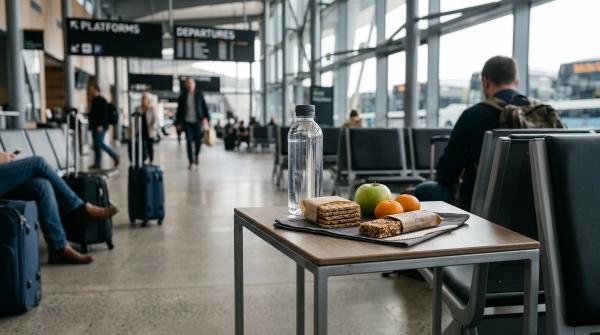
- Keep a dry snack box in the car: thepla, khakra, peanuts, bananas, biscuits, roasted makhana, whatever your people actually eat.
- Carry water from a trusted source. Don’t depend on finding good bottled water exactly when you need it.
- Use toilets when you find clean ones. Don’t wait till it becomes an emergency near the ghat, because then everyone suffers.
Driving Safety I Actually Follow Now, After Learning the Hard Way
#I used to think safety advice was boring until one monsoon drive where we aquaplaned for maybe two seconds near a wet patch. Nothing happened, thankfully, but that floating feeling in the steering wheel stayed in my bones. Since then I have become that annoying passenger who says slow down before curves. The Mumbai-Pune Expressway is smooth enough to make you overconfident and wet enough to punish you for it. Keep distance. Trucks take longer to brake. Buses may spray water across your windshield. Fog can hide brake lights until they are too close. And the ghat section is not the place to test your car’s personality.
| Monsoon situation | What I do now | Food-stop connection |
|---|---|---|
| Heavy fog near Khandala | Slow down, headlights on, no sudden lane changes | Delay the snack stop rather than rushing to reach it |
| Hard rain after Panvel | Increase following distance and avoid cruise control | Eat before starting if rain looks ugly |
| Crowded food plaza parking | Park properly, walk carefully, watch reversing cars | Don’t let kids run with snacks in hand |
| Sudden stomach upset | Use ORS, plain food, skip spicy and dairy | Choose khichdi, curd rice only if fresh, or dry snacks |
| Waterfall detour temptation | Exit legally and plan extra time | Never stop on shoulder for photos or corn |
A Rainy Drive I Still Think About
#Last monsoon, we left Mumbai before sunrise, which is the only reason I was behaving like a wise person. The city was still half asleep, the sky was purple-grey, and the first tea came from a small place before Panvel where the kettle looked older than all of us. The chai was strong and slightly overboiled, exactly how highway chai should be. We shared poha, one plate between two because nobody was hungry yet, and then joined the expressway as the rain thickened.
By Khalapur, the car had that wet-clothes smell and everyone suddenly became hungry at the same time. We stopped at the food mall, did the washroom round, ordered vada pav, idli, and coffee, which is a weird combination but road trips are not fine dining menus. The vada pav was hot, the garlic chutney had a proper kick, and the idli was soft enough that my friend, who usually complains about everything, stayed quiet. That is how you know food is good. Outside, a kid was jumping in a puddle while his mother shouted his full name. Full name means danger, always.
Later near Lonavala, the fog rolled in so thick that the hills became shadows. We wanted to stop for bhutta, but the safe place was too crowded and the rain was slanting hard, so we skipped it. I was irritated for ten minutes, because I am emotionally attached to roasted corn, but it was the right call. Instead we bought chikki after exiting properly, sat in the car, and ate pieces of peanut chikki while watching traffic crawl. Not Instagram-perfect. But very real. Sticky fingers, fogged windows, someone playing old Bollywood songs too loudly. That’s the expressway in monsoon for me.
A Simple Mumbai to Pune Monsoon Food Plan I’d Recommend
#If you’re asking me for a practical plan, I’d say this: leave early, eat light before Panvel, do one proper stop around Khalapur if the rain is manageable, and only detour into Lonavala if you genuinely have time. Don’t turn every viewpoint into a mission. For breakfast, choose poha, idli, dosa, upma, vada pav, or fresh paratha. For mid-drive cravings, chai, coffee, bhaji, misal, or sabudana khichdi work nicely if they are hot and fresh. For a calmer stomach, carry bananas, thepla, roasted chana, and sealed water. For arriving in Pune, save space. Pune food deserves respect.
Families with kids should carry extra napkins, dry clothes, and non-spicy snacks. Older travellers might prefer fewer fried items and more predictable foods like idli, dal-khichdi, curd rice from a clean outlet, or simple toast. People driving should avoid a massive oily meal. I know, I know, the misal is calling. But sleepiness after a heavy meal in rain is no joke. Share one plate. Order chai. Keep moving only when you feel alert.
Final Thoughts: Eat Well, But Don’t Fight the Rain
#The Mumbai-Pune Expressway in monsoon is beautiful, moody, annoying, delicious, and slightly risky if you treat it casually. That’s the honest version. I love the route because it gives you the whole Maharashtra rainy-season package in a few hours: wet hills, chai steam, chikki boxes, vada pav heat, foggy ghats, and that dramatic feeling of escaping one city and entering another. But the best trips are the ones where you reach safely, with your stomach happy and your patience only mildly damaged.
My personal rule for this drive: stop only where it’s safe, eat only what’s hot, and never let a craving make the driving decision.
So yes, chase the chai, eat the bhaji, buy the chikki, argue about whether Lonavala fudge is overrated, and please don’t stop on the shoulder for a photo that looks like every other rainy-road photo. The expressway has enough proper food stops and exit options if you plan a little. And if you enjoy these slightly messy, food-obsessed travel notes, wander around AllBlogs.in sometime. I keep finding good rainy-day food ideas there, and honestly, my snack list keeps getting longer.