If you’re planning Japan and feeling weirdly stressed about transport cards... yeah, same. Before my trip, I thought this would be some tiny detail. Like okay, I’ll land, buy a train card, done. But then I started seeing Suica, Pasmo, ICOCA, Welcome Suica, digital cards, regional cards, tourist versions, deposits, recharge limits... and my brain honestly went thoda blank. After actually travelling through Tokyo, Kyoto, Osaka and doing those slightly panicky platform changes with luggage in one hand and Google Maps yelling in the other, I can tell you this pretty simply: for most tourists, Suica vs Pasmo vs ICOCA is not a life-or-death decision. They work almost the same in day to day travel. The real difference is where you buy them, what version is available, and what suits your route better.
I’m writing this from the perspective of an Indian traveler who likes practical info more than fancy jargon. So no overcomplicated railway lecture here. Just the stuff that actually matters when you’re standing in a Japanese station thinking, bhai which card do I buy now?
First things first: what is an IC card in Japan?
#An IC card is basically a prepaid smart card you tap for trains, subways, buses, and also for random small purchases at convenience stores, vending machines, some lockers, even a few restaurants and pharmacies. It saves a lot of time because you don’t have to buy separate paper tickets for every short ride. In cities like Tokyo, Osaka, Kyoto, Nagoya, Fukuoka, Sapporo etc, this thing becomes your best friend real fast.
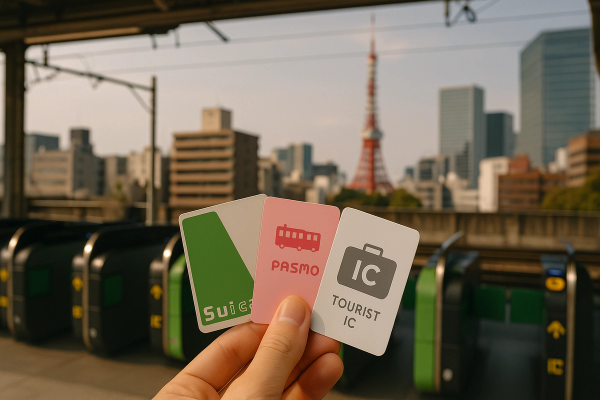
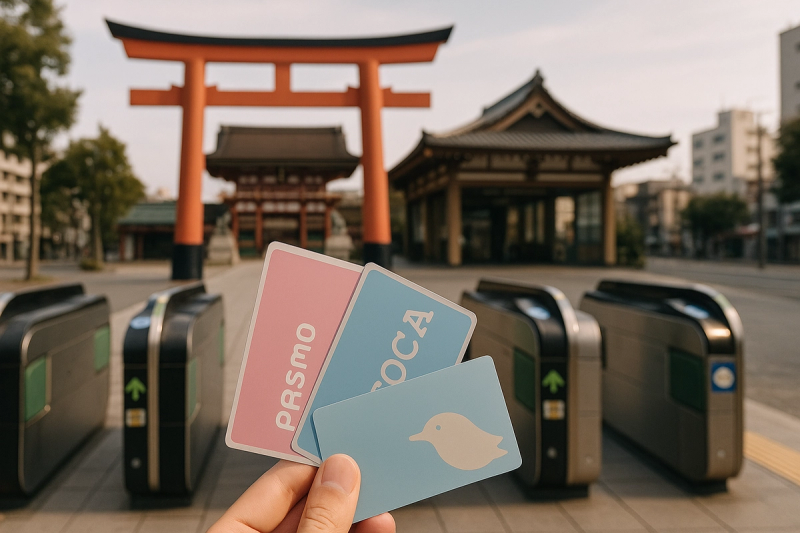
The big names tourists usually hear are Suica, Pasmo, and ICOCA. Suica is associated with JR East and is super common around Tokyo. Pasmo is linked with private rail and subway operators in the Tokyo region. ICOCA is from JR West and you’ll see it all over Kansai, especially Osaka, Kyoto, Kobe. Here’s the funny part though — for regular use, they’re largely interoperable across major networks in Japan. Meaning if you buy ICOCA in Osaka, you can usually still use it on Tokyo trains and vice versa. That’s the part many people don’t understand at first, including me.
The biggest mistake is thinking you need one perfect card for each city. You really don’t. You mostly just need one working IC card with enough balance on it.
So... Suica, Pasmo, or ICOCA? The short answer
#If you are landing in Tokyo and staying mostly in Tokyo first, get Suica or Pasmo, whichever is easier to find. If you’re landing in Osaka or Kyoto side, get ICOCA. That’s honestly the simple version. Don’t waste half a day station-hopping for one specific card because some influencer said it’s better. In actual travel, convenience beats brand name.
| Card | Best for | Common purchase area | Deposit usually? | Works outside home region? |
|---|---|---|---|---|
| Suica | Tokyo arrivals, JR East users | Tokyo and eastern Japan stations | Regular card often yes | Yes, on major interoperable networks |
| Pasmo | Tokyo metro/private rail users | Tokyo area stations | Regular card often yes | Yes, on major interoperable networks |
| ICOCA | Osaka, Kyoto, Kobe, Kansai trips | Kansai region stations | Often yes on regular card | Yes, on major interoperable networks |
There have also been periods when regular Suica and Pasmo availability became limited because of semiconductor supply issues. This confused a lot of tourists. That situation improved compared to peak shortage periods, but stock and sales policies can still shift depending on station and operator, so don’t assume every version will be available everywhere on the exact day you arrive. Always check the latest operator website before flying, especially if you’re set on a physical card. This is one of those boring details that suddenly becomes very un-boring when you’re jetlagged at Narita or Haneda.
What I used in real life, and what happened
#I landed in Tokyo thinking I’d definitely buy Suica, because that’s the card everyone in India seems to mention first. But at the airport counter there was a queue, then another machine, then a notice, then my sleep-deprived self got confused and almost bought something I didn’t need. In the end I used a tourist-friendly IC option first, then later during the Kansai part of the trip I got an ICOCA too because it was easy and I wanted a physical souvenir type thing. And honestly? Both worked smoothly for the kind of normal tourist travel I was doing.
Tokyo local trains, convenience store coffee, vending machine Pocari, metro rides, Osaka loops, Kyoto train hops — tap tap tap, done. That was the beauty of it. The only times I got mildly irritated were when balance ran low at the wrong moment and I had people behind me in the ticket gate line. Very humbling experiance, not gonna lie.
The actual differences tourists should care about
#- Where you can easily buy the card when you arrive
- Whether a tourist version is being sold at that time
- Whether you want a physical card or mobile card on iPhone/Apple Wallet
- How you’ll get refunds, especially if you leave from a different region
- Whether your main travel is Tokyo-side or Kansai-side
That’s it, mostly. Not some huge magical fare difference. Base fares are determined by the transport operator, not because one card is “premium” and another is not. A lot of first-time travelers imagine Suica gives one kind of train access and Pasmo gives another. Nah. For ordinary city travel, they’re functionally very similar. There are edge-case differences in issuing companies, refund rules, and special tourist products, but for daily use they all feel basically the same.
Physical card vs mobile IC card — this matters more than people say
#If you use iPhone, mobile Suica or sometimes mobile Pasmo can be really convenient because you can load balance digitally and tap with your phone. I saw many travelers doing this and it looked smooth, no fumbling in wallet, no machine hunting. But there’s a catch. International card compatibility for top-ups can be a bit hit and miss, and not every foreign bank card behaves nicely. Some Indian cards work, some randomly don’t, some work one day and fail next day... very annoying types. So if you want low drama, a physical card plus cash recharge at machines is still super reliable.
Android users from outside Japan may face more limitations with mobile transit support depending on device model and wallet compatibility. Because of that, plenty of tourists still prefer physical cards. Personally I like physical cards anyway. Maybe old-school, maybe because after spending so much on flight tickets I don’t want my whole day ruined by one payment glitch.
Welcome Suica, tourist cards, and should you bother?
#Tourist-specific versions can be useful if available. The attraction is usually that they are aimed at short-term visitors and may skip the standard deposit structure that some regular cards have. But these products can come with validity limits and are not always the best if you like keeping the card for a future Japan trip. Regular cards are nice because you can often retain them and use them again later within the validity period. If you’re someone from India who dreams of a second Japan trip — and trust me, one trip is never enough — that can matter.
I’d say this: if a tourist card is the easiest one available at airport arrival, just take it and move on with life. Don’t overthink. If a regular card is available and you like the flexibility of keeping it, that’s also solid. The best IC card is the one in your hand when you need to catch the train.
Can you use these cards everywhere in Japan?
#Not everywhere everywhere. This is the part where people get trapped by social media simplification. IC cards work across most major urban transport networks because Japan’s main IC systems are interoperable. Great for Tokyo, Osaka, Kyoto, Hiroshima, Fukuoka, Nagoya, Sapporo and many other populated areas. But on some rural rail lines, long-distance trains, highway buses, and special limited express or Shinkansen situations, your IC card alone may not be enough. Sometimes you need a separate reserved-seat ticket or base fare arrangement. Sometimes the line simply doesn’t accept IC cards at all.
This hit me on a side trip planning day. I assumed if the gate had a tap system in Tokyo then every station in every scenic corner of Japan would be the same. Nope. Japan is efficient, yes, but not in one single uniform way. Always check the exact route in Google Maps or the rail operator site if you’re heading outside main cities. Kyoto especially can fool people because city buses, trains, private railways and tourist routes overlap in a slightly messy way. Beautiful city. Mildly confusing transport.
How much money should you load on the card?
#I started with a moderate amount because I was paranoid about refunds and wasting money. Good instinct, actually. For most city travelers, loading the equivalent of a couple thousand yen at a time is enough, then top up as needed. You do not need to dump a huge amount on day one unless you just enjoy financial suspense. My rough pattern was small-to-medium top-ups every few days, especially before day trips.
- For heavy Tokyo sightseeing days with train and subway hopping, keep extra balance
- For convenience store use, balance disappears faster than you think
- Recharge before late-night return trips so you don’t get stuck at gates
- Keep some cash because not every machine loves every foreign card
Recharge machines are generally easy once you do it once. English language option is common in major stations. The machine design can look intimidating but after one trial run, you’ll laugh at how scared you were. I was, atleast.
Refunds, deposits, and one annoying detail nobody explains properly
#Refund rules depend on the card issuer and region. That means if you bought a card under one company, getting the refund may be easiest in that company’s service area. This is why some people who buy a card in Tokyo and try to sort everything out at the very end in another region get confused. Not impossible in all cases, but definitely less straightforward. If you think you might return to Japan, keeping a small leftover balance and retaining the card can be easier than standing in one more service queue on departure day.
Also, some cards have a deposit on the regular physical version, while tourist versions may work differently. Policies can change, and this is one of those details that websites update more reliably than random blogs. So use this post for practical understanding, then do a 2-minute official website check before your trip. Boring but smart.
Tokyo vs Kansai travel — which card felt more natural?
#In Tokyo, Suica or Pasmo just feels natural because literally everyone around you seems to be using some version of that ecosystem, and station signage around JR East and Tokyo metro areas makes that wording familiar. In Kansai though, ICOCA felt more local to the flow of the trip, especially when I was bouncing between Osaka and Kyoto. There’s also something oddly satisfying about buying the regional card where it belongs. Totally emotional logic, not technical logic, but travel is like that na.
Kyoto deserves one special note. A lot of Indian travelers imagine Kyoto as compact and super simple. It is not always simple. Tourist crowds can be intense in peak cherry blossom and autumn foliage seasons, buses get packed, and stations can feel chaotic despite the overall Japanese order. In that situation, having any working IC card saves time because you can switch between JR, subway, private rail, or bus without buying fresh tickets constantly. During busy months, this is not small convenience — this is sanity.
Best time to visit Japan if transport ease matters too
#Everyone chases sakura season, and yes, it’s gorgeous, dreamy, postcard-level pretty. But also expensive, busy, and honestly a little exhausting in famous places. Autumn is amazing too, especially Kyoto and Tokyo parks, but crowds are no joke there either. For a smoother first trip, I personally think late autumn shoulder weeks, early winter before the New Year rush, or parts of late spring can feel more balanced. Summer has festivals and fireworks and lush scenery, but humidity can smack you in the face, and if you’re coming from an Indian metro summer you may still say “yaar this is too much.”
Safety-wise, Japan remains one of the safest countries I’ve travelled in. Even late train rides felt calm. Still, common sense applies — watch weather alerts during typhoon season, follow rail updates, and keep a little flexibility because services can get disrupted by heavy rain or strong wind. Earthquake awareness is also normal there. Hotels and stations usually have guidance, and people stay surprisingly composed, which helped my own nerves too.
Budgeting beyond the card — hotels, transport, and food reality check
#IC cards make local transport easier, but they don’t make Japan cheap. Let’s just be honest. Tokyo and Kyoto can pinch your wallet if you book late. Decent business hotels in major city areas often land somewhere around mid-range by Indian outbound travel standards, while hostels, capsule hotels, and simpler stays can reduce cost a lot. In recent travel seasons, budget hostel beds in big cities often start from lower budget ranges, while business hotels in convenient areas can climb quickly depending on season, weekends, and events. Kyoto especially spikes during peak tourism periods. I learned this the hard way by delaying booking because I thought “haan ho jayega.” It did, but not at the rate I wanted.
Food is where Japan can surprise you in a good way. Convenience stores are excellent, chain eateries are efficient, and you can eat fairly well without burning cash every meal. Using your IC card at konbini stores is dangerously easy though. One egg sandwich here, coffee there, onigiri, dessert, random matcha thing... and suddenly your card balance is gone. Happened to me more than once.
A few practical tips I wish someone had told me before day one
#- Buy whichever major IC card is available easiest at your arrival airport or main station
- Don’t load too much money initially. Top up gradually
- Keep some cash for recharge and small places
- Check if your route is local city transit or a special train needing extra tickets
- If using iPhone mobile IC, test top-up early, not when rushing to catch a train
- If you may return to Japan, consider keeping the card instead of refund drama
- Use the card for convenience stores carefully unless you enjoy mystery balance levels
And one more thing. Screenshot your hotel station exit instructions. Japanese stations can have many exits and they are not joking around. Your IC card gets you through the gate, but it will not save you from leaving via Exit B14 when your hotel is at B2 and you’re hauling shopping bags and regretting every decision.
So which one would I recommend to an Indian tourist?
#My honest answer? Suica if you start in Tokyo and it’s available. Pasmo if that’s what’s available instead. ICOCA if you start in Kansai or want a super practical card for Osaka-Kyoto-Kobe travel. If you already have one of these, don’t buy another just because of brand confusion. One card is enough for most tourists.
If you want the cleanest advice possible, here it is: choose based on where you arrive, not on internet obsession. For the average tourist, Suica vs Pasmo vs ICOCA is less about “best” and more about “what’s easiest right now.” Once I accepted that, Japan transport became way less intimidating and a lot more fun. I could focus on the good stuff — station ekiben, neon-lit evenings, Kyoto morning walks, Osaka food runs, and that oddly satisfying beep at the gate that tells you yes, you did this part correctly atleast.
Final thoughts before you board that first train
#Japan can feel overwhelming at first because everything works so efficiently that you get scared of being the one person slowing the whole system down. I felt that too. But the IC card system, once understood, actually makes travel easier than in many countries. You tap in, tap out, keep some balance, and keep moving. That’s the rhythm.
So don’t freeze over the choice. Get a card, load it, and start exploring. Whether it says Suica, Pasmo, or ICOCA, what you’ll really remember is not the logo — it’s the first smooth train ride into the city, the convenience store snack run after midnight, and the tiny confidence boost of navigating Japan on your own. If you like this kind of practical but slightly personal travel writing, you’ll probably enjoy browsing more guides on AllBlogs.in too.