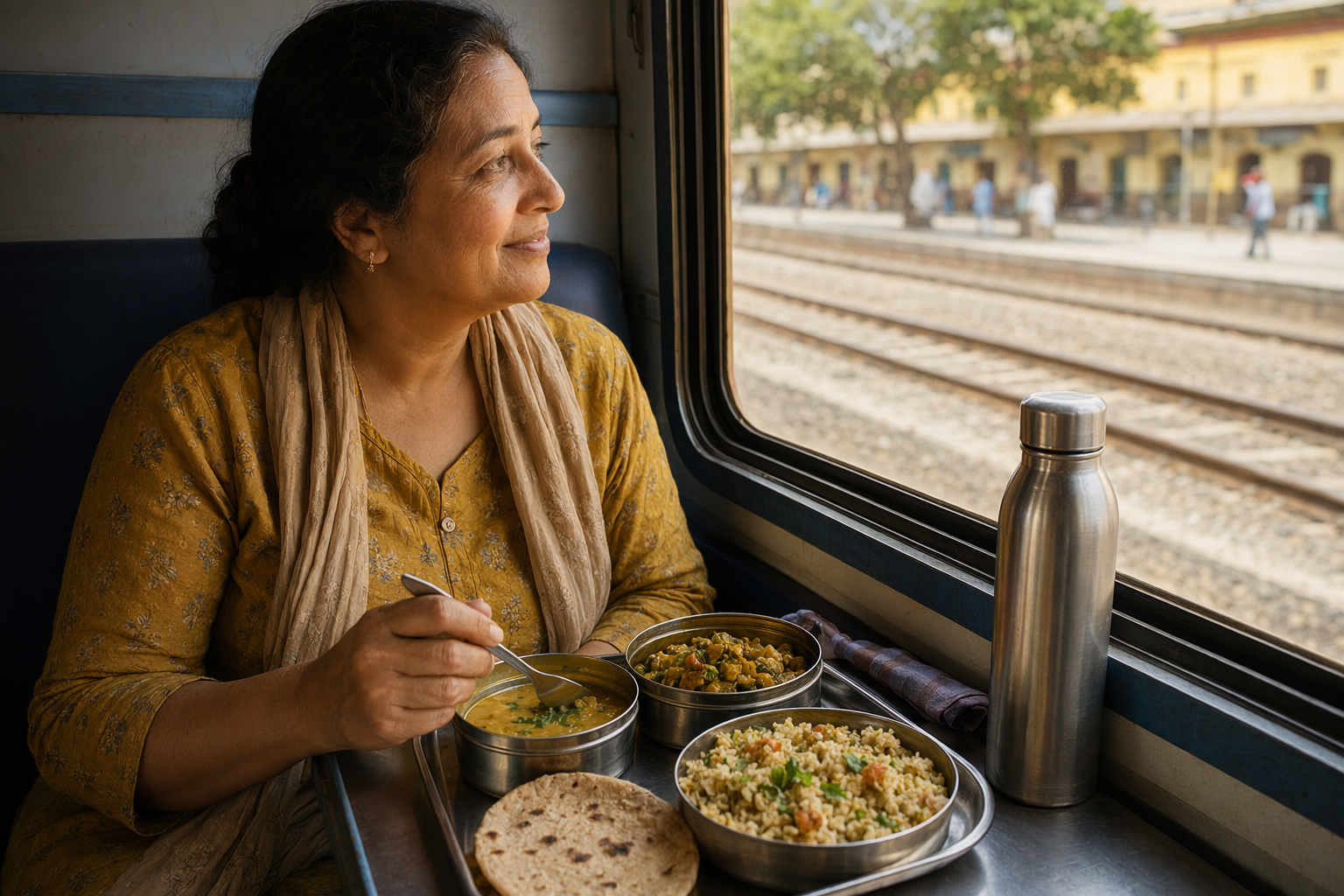
That little steel tiffin saved my train trip, honestly
#The first time I really understood diabetic-friendly train food was not in some clinic or diet workshop. It was on a slightly chaotic overnight train from Mumbai toward Ahmedabad, with my uncle sitting opposite me, checking his sugar with the seriousness of a cricket umpire. The pantry guy came through yelling chai-chai-chai, someone opened a packet of theplas, a kid nearby was eating cream biscuits, and the whole coach smelled like fried cutlets and masala. Beautiful smell. Dangerous smell, too, if you’re travelling with diabetes and you haven’t planned even a little bit.
Indian train travel is basically one long food movie. Every station has a snack, every route has a personality, and every family has that one person who packed enough food for a wedding. But if you’re diabetic, or travelling with someone who is, the romance gets mixed with math. Rice, bread, potatoes, sugary chai, mystery gravies, long delays, no proper meal timing... it can get messy. Not impossible though. Actually, once you learn the rhythm, Indian trains can be surprisingly manageable for diabetic-friendly eating. You just have to be a bit picky, a bit shameless about asking questions, and not fall for every samosa that looks at you lovingly from the platform.
First, the boring-but-important bit about diabetes and train food
#I’m not a doctor, so please don’t treat this like medical advice. Diabetes management depends on your medicines, insulin timing, usual food pattern, glucose readings, other health stuff, all of it. Before a long journey, especially if it’s overnight or more than 8-10 hours, it’s smart to ask your doctor or dietitian what to do if meals are delayed or if you feel low sugar symptoms. That said, the practical food logic is fairly simple: don’t overload on refined carbs, don’t go hours without eating if your medication needs food, carry backup snacks, hydrate properly, and don’t assume railway food will arrive exactly when your stomach or medicine expects it.
A lot of Indian train food is carb-heavy by default. Poha, upma, idli, dosa, rice meals, biryani, bread cutlet, aloo paratha, puri bhaji, bread omelette, biscuits with tea. None of these are automatically “bad”, but portions matter like crazy. I’ve seen people say, “Arre poha is light,” then eat a mountain of it with sev, sugar tea, banana, and later wonder why their reading went wild. Light in the stomach doesn’t always mean light on blood sugar. Painful truth, I know.
My basic train rule: protein first, carbs with manners
#On trains, I try to build the meal around something steadying. Protein, fiber, fat in sensible amounts. Not fancy gym-bro protein, just regular Indian food protein. Boiled eggs if you eat eggs. Curd. Paneer in moderate portions. Chana. Sprouts if they’re fresh. Dal. Roasted peanuts. Unsweetened lassi if available and safe. Even a simple veg omelette from a clean-looking vendor can rescue a journey when the only other option is two plates of bread pakora.
Carbs still happen. It’s India, we’re not pretending roti and rice don’t exist. I usually advise my diabetic family members to choose one main carb at a meal, not all. So if there’s roti, skip the rice or keep rice tiny. If breakfast is idli, don’t add sweet tea and biscuits and banana unless you’ve planned for it. If you’re eating poha, ask for less sev, add peanuts if possible, and avoid the sweetened chai combo. If you packed paratha, pair it with curd and pickle rather than eating three parathas dry like some heroic truck driver. I have done that, by the way. Not my finest digestive moment.
Breakfast on Indian trains: the sneaky sugar trap
#Morning train food feels harmless. That’s the trick. You’re sleepy, the light is soft, stations are waking up, and someone is already pouring tea into tiny paper cups. But breakfast can become a sugar-and-starch parade very quickly. Tea with sugar, glucose biscuits, white bread sandwich, poha, vada, banana, maybe another tea because the first one was too watery. Suddenly it’s not breakfast, it’s a carbohydrate festival with wheels.
My favourite diabetic-friendlier breakfast choices are boring in the best way. Two boiled eggs with a small portion of upma. Idli with more sambar and less coconut chutney, if the sambar isn’t sweet. Plain dosa shared with someone, not one giant masala dosa stuffed with potato. Curd with homemade methi thepla, one or two, not five. Besan chilla packed from home is excellent, especially with green chutney. Moong dal chilla too. If I’m travelling from Delhi side, I love packing paneer bhurji in a small steel dabba with two phulkas. It doesn’t feel like “diet food”, which is important because sad food makes everyone cranky.
- Better morning picks: boiled eggs, idli-sambar, small upma, besan chilla, curd with thepla, paneer bhurji with phulka.
- Watch-outs: sweet chai, packaged juice, cream biscuits, large poha portions with sev, bread cutlet, vada pav, puri bhaji before 8 am unless you really know your body.
Station food I actually trust more than I expected
#Not all platform food is suspicious. Some stations are famous for certain things, and honestly, food is half the reason I love Indian rail journeys. Ratlam’s sev, Jalandhar side kulchas, Itarsi’s general snack chaos, Madurai’s idli energy, Vijayawada’s spicy meals, Pune’s misal temptation, the khaman-dhokla belt in Gujarat... I could go on. But diabetic-friendly doesn’t mean “eat everything local because travel calories don’t count.” They do count. Annoyingly.
When I’m choosing station food with diabetes in mind, I look for steam, turnover, and simplicity. Hot idli from a busy stall is usually better than a cold sandwich sitting under plastic. Freshly made omelette is better than mystery fried snacks. Plain curd from a sealed cup is better than sweetened milk drink. Roasted chana from a sealed packet can be a lifesaver. Coconut water is nice, but if your doctor has told you to watch potassium or kidney issues, don’t just chug three because a travel blogger said it’s natural. Natural can still be complicated.
One of my best train-food memories is from a halt near Hubballi, where a vendor had soft idlis and sambar that tasted like somebody’s auntie made it in a hurry but with love. My aunt, who has type 2 diabetes, ate two idlis, lots of sambar, skipped the sweet tea, and then walked the platform for eight minutes while the train waited. Tiny thing, but it helped her feel normal, not restricted. That’s the goal for me. Not punishment food. Normal food, just chosen better.
Packing from home: not glamorous, totally worth it
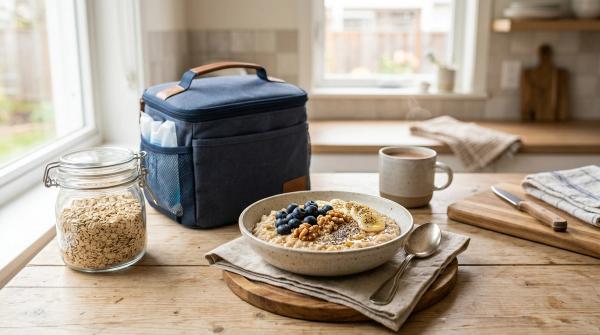
#I used to think carrying food from home was uncle-aunty behavior. Then I grew up and realized uncle-aunty behavior is often just survival wisdom with a cloth bag. For diabetic train travel, home-packed food is the safest anchor because you control oil, salt, sugar, portion, hygiene, and timing. The trick is packing food that doesn’t spoil quickly and doesn’t become a soggy emotional disaster after four hours.
My go-to home pack is something like: methi thepla or plain phulka, dry sabzi without potato overload, boiled eggs or paneer cubes, cucumber and carrot sticks packed separately, roasted chana, peanuts, almonds, and a small curd if the journey is short and I can keep it cool. For longer trips, I avoid wet chutneys unless I’m sure they’ll be eaten soon. I also pack a small spoon, tissues, hand sanitizer, and a trash bag, because diabetic-friendly or not, train eating gets messy fast.
Rice is where I get cautious. Lemon rice, curd rice, biryani, pulao, all travel beautifully in our imagination, but not always safely in real heat. Also rice can push blood sugar up fast for many people, especially big portions. If you’re carrying biryani or rice-heavy meals for a long journey, food safety matters as much as sugar control. I wrote down notes from one too many family debates about this, and this guide on Biryani on Indian Trips: How Long It Stays Safe is worth reading if your family also believes biryani is a travel companion, not a dish.
My slightly chaotic diabetic-friendly snack box
#This is the snack box I’ve seen work again and again, especially when trains are late, pantry food is meh, or the person with diabetes needs something small between meals. It’s not Instagram pretty. It’s practical.
| Snack | Why it helps | Small warning from experience |
|---|---|---|
| Roasted chana | Crunchy, filling, decent protein and fiber | Can be salty, so don’t finish a giant packet |
| Peanuts or almonds | Good backup when meals are delayed | Portions matter, nuts are calorie-dense |
| Boiled eggs | Simple protein, easy breakfast add-on | Eat within a safe time, don’t leave in heat forever |
| Methi thepla | Travels better than many rotis | Still a carb, so count portions |
| Unsweetened curd | Cooling and filling with thepla or rice | Needs safe storage, avoid if it smells off |
| Apple or guava slices | More fiber than juice, easy to share | Some people still need portion control |
| Sugar-free electrolyte or plain water | Helps with hydration | Check labels, some drinks are not really sugar-free |
Ordering food on the train without losing your mind
#IRCTC’s e-catering system, commonly used through Food on Track and partner vendors, lets passengers order meals using PNR on many routes and stations. Availability depends on train, station, vendor, timing, and all those railway realities we pretend are predictable. I like e-catering because at least you can sometimes choose something less random than pantry cutlet. But you still need to read descriptions carefully and check the package when it arrives.
For diabetic-friendly ordering, I usually search for plain dal, roti, curd, grilled or tandoori items, egg dishes, and simple thalis where rice can be limited. I avoid combo meals that are basically rice plus potato plus sweet plus fried snack. If the meal has dessert included, give it away immediately if temptation is a problem. I know, easier said than done when gulab jamun is sitting there like a small hot planet.
Also, verify the vendor and packaging. Wrong orders happen. Late orders happen. Food that looked one way in the app may arrive as something else entirely. If you have dietary restrictions along with diabetes, like Jain food or no onion-garlic needs, you have to be extra careful about labels and delivery handoff. This Jain Food on Indian Trains: Safe Ordering Guide is useful even if you’re not Jain because the ordering checks, packaging tips, and “what if the wrong meal arrives” advice overlaps a lot with diabetic travel planning.
The chai problem, because yes, it is a problem
#I love railway chai. I really do. That tannic, overboiled, slightly-too-sweet tea in a paper cup has carried me through delays, bad sleep, awkward co-passengers, and one truly terrible trip where the AC was freezing and my blanket smelled like damp cupboard. But for diabetes, chai is sneaky. One cup may be fine for some people, but four sugary cups across a journey? That adds up.
The best solution is boring: ask for tea without sugar if possible, or carry your own tea bags and use hot water where available. Some vendors will look at you like you asked them to recite Shakespeare, but many will manage. Coffee is similar. Avoid those premix sachets unless you check the sugar content. And please don’t replace meals with tea. I’ve seen older relatives do this: “Bas chai pee li.” Then they feel shaky, irritable, or overeat later. Tea is not lunch, no matter how emotional your relationship with it is.
Short journeys are easier, but they still trick you
#On short daytime routes, especially Vande Bharat and other chair-car journeys, people often think food doesn’t need planning. But those trips have their own pattern: early start, tea, snack tray, maybe a meal, then more tea, and by the end you’ve eaten more refined carbs than expected while barely moving. If your journey is short, the main strategy is to keep it light and timed. Hydrate, don’t overdo caffeine, and avoid heavy fried foods that make you sleepy and thirsty. I’ve found this especially true in summer when even a small oily snack feels like it sits in your stomach till next Tuesday.
If you travel on these faster daytime trains often, this Vande Bharat Food Guide for Summer Train Trips pairs nicely with diabetic planning because timing, hydration, caffeine, and lighter snacks are the whole game. For diabetes, I’d add: carry one personal backup snack even if meals are included. Included food is convenient, not magical.
Regional train foods I’d choose carefully, not fearfully
#Food and travel should still be joyful. I hate when diabetic food advice sounds like a police notice: don’t eat this, don’t touch that, happiness cancelled. No. You can enjoy regional food, just choose with some brains. In Gujarat, dhokla can be a nice snack, but watch sweet chutney and portion size. In South India, idli and sambar are often better than fried vada, though vada is delicious and I won’t lie about that. In Maharashtra, misal is protein-ish because of sprouts, but farsan and pav make it heavier. In Bengal and Odisha routes, sweets are everywhere and they are not “just one small piece” if one small piece becomes four.
In Punjab or North Indian routes, parathas are tempting and honestly sometimes magnificent, but aloo paratha with butter, pickle, sweet chai, and then sitting for six hours is not a gentle plan. Better: share the paratha, add curd, skip sweet tea, walk at longer stops if safe. In Kerala routes, appam and stew can be lovely but appam is still rice-based, so portion matters. In Hyderabad or Vijayawada, biryani and spicy rice dishes are iconic, but for diabetic travel I’d rather taste a small portion fresh than carry a big box all day and pretend it’s fine.
The best diabetic-friendly train food rule I know is this: don’t make the journey about restriction, make it about not getting ambushed by hunger, sugar, and bad timing.
What to do when everyone else is eating fun stuff
#This is the emotional part nobody talks about. Food on trains is social. Someone opens chips, someone passes laddoo, someone’s mother packed mango pickle, and suddenly saying no feels rude. I used to push food at people too, like a typical Indian host. Now I try to offer choices. “Want some chana?” instead of “Have cake, have cake.” If you’re diabetic, it helps to decide your treat before the chaos begins. Maybe you’ll have one small piece of local sweet after a balanced meal. Maybe you’ll skip dessert but enjoy masala peanuts. Maybe you’ll taste two spoons of biryani and eat your packed roti-sabzi after. It’s your body, not a public committee meeting.
And if someone says, “Arre, one day nothing happens,” smile and ignore them. Sometimes one day is fine. Sometimes one day isn’t. They don’t know your readings, your medication, your history, or how you feel when your sugar spikes. Indian relatives mean well, mostly, but they can be dangerously persuasive with food.
A simple meal plan I’d actually use on a long train ride
#Let’s say I’m doing a 16-hour journey, something like Delhi to Mumbai or Chennai to Hyderabad with delays because trains have their own mood. I’d start with a proper breakfast at home if possible: eggs or paneer, one or two rotis, maybe curd. On the train, I’d keep mid-morning snack as roasted chana or nuts, not biscuits. Lunch could be dal, sabzi, two rotis, curd, and salad if safe. Evening tea would be unsweetened or low sugar, with peanuts or a small dhokla portion rather than fried pakora. Dinner would be lighter: soup if available, dal-roti, omelette, or idli-sambar. Before sleeping, depending on medication and doctor advice, some people may need a small snack. Don’t copy blindly, but that’s the shape.
Also carry glucose tablets or a fast-acting sugar source if your doctor has told you there’s a risk of hypoglycemia, especially for insulin or certain medications. This sounds contradictory in a diabetic-friendly guide, but it’s real life. Avoiding high sugar is one thing, treating low sugar quickly is another. Keep your glucometer or CGM supplies accessible, not buried under three bags and a steel tiffin.
- Pack one reliable meal you can eat even if the train food fails.
- Carry two small snacks, one protein-heavy and one quick emergency option as advised by your doctor.
- Ask for no sugar in tea early, before the vendor pours it.
- Don’t try new “healthy” packaged foods for the first time on a train. Your stomach deserves respect.
My final platform thoughts, with crumbs on my shirt probably
#Diabetic-friendly Indian train food is not about carrying sad cucumber slices while everyone else eats life-changing kachori. It’s about rhythm. Eat before you’re desperate. Pair carbs with protein. Keep portions sane. Choose fresh, hot, simple food when buying outside. Use e-catering carefully. Carry your own backup. Drink water. Walk a little at safe stops. And please, please don’t let one delayed meal become a full coach drama.
The older I get, the more I think food travel is not just about chasing the “best” dish. It’s about learning how people actually eat while moving through the world. The dabba opened between stations, the auntie sharing roasted peanuts, the vendor balancing tea like an artist, the diabetic uncle checking his reading quietly and then enjoying two perfect idlis without making a fuss. That’s travel too. Maybe the most honest kind.
So pack the thepla, order the dal, question the sweet chai, taste the local snack if it fits, and don’t be shy about taking care of yourself. Indian trains are chaotic, generous, exhausting, and delicious all at once. Kind of like India itself, no? For more food-travel ramblings and useful guides that don’t make eating feel like homework, I’d casually point you toward AllBlogs.in.