Travelling to India with a toddler sounds cute until you are standing at Delhi airport at 2:20 am, one suitcase is missing, your child has removed one shoe, your mother is calling for the fifth time asking “nikle kya?”, and your toddler is screaming because the banana is “too bendy”. That was basically our first hour back in India after coming from Dubai with our 2-year-old. I had travelled to India so many times before, but with a toddler? Completely different game boss.
This NRI toddler India travel checklist is mostly about three things that can make or break your trip: food, heat, and sleep. Not monuments, not shopping, not that dreamy family photo in matching kurtas. If your toddler eats, stays cool, and sleeps decently, the trip feels like a holiday. If not, even your nani’s house feels like a survival camp. I’m writing this as an Indian parent who still loves India madly, but also knows that kids raised abroad can take time to adjust to the water, spice, noise, relatives, mosquitoes, weather, and everyone saying “bas ek bite aur”.
First Reality Check: India With a Toddler Is Amazing, But Don’t Wing It
#I don’t want to scare anyone. India with a toddler can be beautiful. Like, properly beautiful. Your child gets to eat mango with both hands, chase pigeons in a courtyard, sit with grandparents, attend cousins’ weddings, hear temple bells, watch autos, cows, street dogs, and ten aunties fighting lovingly over who gets to feed them. It’s emotional in a way only NRIs will understand. You suddenly feel like, haan, this is why we came.
But India is also intense. The heat hits different. Jet lag becomes family drama. Food hygiene is not always predictable. Traffic can stretch a 20-minute trip into one hour. Air quality in big metros like Delhi NCR, Mumbai during certain months, Bengaluru traffic corridors, and even smaller towns during burning season can be rough for little lungs. As of now, most tourist and family travel within India is normal and safe, but you still need common-sense planning: check weather alerts, monitor AQI if you’re going to North India in winter, keep medicines handy, and don’t assume every place will have toddler-friendly facilities.
My biggest lesson: don’t plan your India trip around what adults want to do. Plan it around your toddler’s food window, nap window, and heat tolerance. Everything else is bonus.
Best Months to Visit India With a Toddler
#If you have flexibility, timing matters more than people admit. October to March is generally the most comfortable for much of India, especially if you’re visiting North India, Rajasthan, Gujarat, Maharashtra, Karnataka, Kerala, or Tamil Nadu. December and January can be lovely in the South and West, but North India can get foggy, cold, and polluted in places. Flight delays due to fog around Delhi, Lucknow, Amritsar, Chandigarh and Jaipur are still common in peak winter, so keep buffer time if you have onward trains or domestic flights.
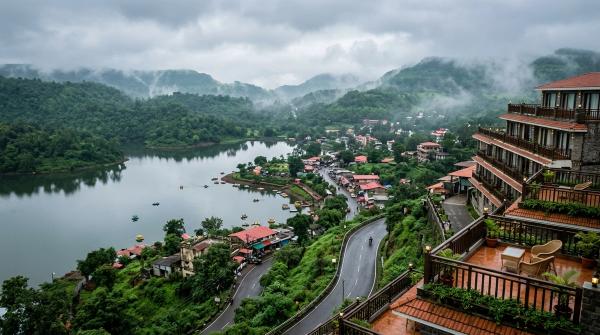
April to June is tough with toddlers unless you’re going to hill stations, coastal homes with AC, or places where you’ll stay indoors during the day. The heat can be brutal, and I mean the type where the car seat buckle feels like a tawa. Monsoon, June to September depending on region, is pretty and emotional and all that, but with toddlers it means damp clothes, mosquitoes, traffic jams, and sometimes stomach bugs. Kerala, Goa, Konkan, Meghalaya, Coorg and the Western Ghats look gorgeous then, but pack like you’re going to battle fungus and mosquitoes.
| Season | Toddler comfort level | Good for | Watch out for |
|---|---|---|---|
| Oct to Mar | Best overall | Family visits, weddings, sightseeing, beach trips | Winter AQI in North India, fog delays |
| Apr to Jun | Difficult in plains | Hill stations, short family stays with AC | Heatstroke risk, dehydration, cranky naps |
| Jun to Sep | Mixed | Kerala, Goa, green getaways, slow travel | Mosquitoes, stomach infections, wet roads |
| Festival months | Fun but tiring | Diwali, Navratri, Durga Puja, Onam, weddings | Noise, crowds, late nights, smoke and sweets overload |
Food Checklist: What to Carry From Abroad and What to Buy in India
#Food is where most NRI parents panic. And fair enough. A toddler who eats pasta, toast, berries, yoghurt and bland dal at home may suddenly refuse everything in India because the texture is different, the milk tastes different, the banana is smaller, the spoon is “wrong”, or some other toddler logic. Don’t take it personally. For the first 3 to 4 days, I treat food like a soft landing, not a cultural mission.
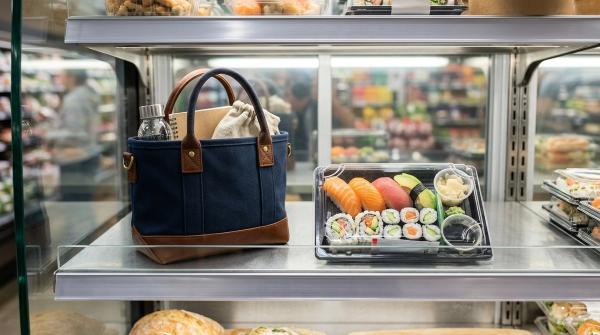
Carry enough familiar snacks for the flight and first week. Not the whole pantry, just comfort items. We carried oats sachets, rice crackers, dry cereal, a few fruit puree pouches, nut butter sachets, toddler biscuits, and electrolyte sachets recommended by our paediatrician. In India, most cities now have quick commerce apps like Blinkit, Zepto, Swiggy Instamart and BigBasket, and you can get diapers, wipes, yoghurt, bananas, bread, peanut butter, baby cereal, tetra pack milk, and sometimes imported snacks in 10 to 30 minutes. But don’t depend on it for day one, because app login, Indian mobile number, UPI issues, delivery address confusion... arre, too much.
- Carry 2 to 3 days of your toddler’s sure-shot food for arrival, especially if landing late night.
- Pack a small steel spoon, travel bowl, bib, and maybe one familiar cup. Sounds silly, helps a lot.
- Use sealed bottled water for drinking, brushing teeth, and washing pacifiers in the first few days.
- If your toddler is sensitive, avoid raw salads, cut fruit from outside, chutneys kept open, and ice in juices.
- Keep ORS, probiotics if your doctor allows, and basic fever medicine in cabin baggage, not checked luggage.
What My Toddler Actually Ate in India, Not Instagram Food
#Everyone imagined my kid would eat idli, dosa, paratha, khichdi, curd rice, and all that wholesome stuff. Reality? First two days: plain toast, banana, curd, and one suspiciously large amount of Marie biscuit. By day four, she accepted soft idli with ghee. By day seven, she was stealing dosa from my plate. So don’t force the “Indian food experience” immediately. Let them arrive slowly.
Safe toddler foods in India are not hard to find if you keep it simple. Freshly cooked idli, plain dosa, upma, poha, dal rice, curd rice, soft roti with ghee, khichdi, boiled eggs, paneer cubes, steamed rice, mild pulao, homemade soups, and seasonal fruits like banana, chikoo, papaya, mango, apple and watermelon can work well. In South India, darshini-style places and good family restaurants usually serve quick idli-dosa options. In Maharashtra and Gujarat, poha, thepla, dal-khichdi and curd are easy. In North India, paratha is everywhere but ask for less oil and less masala, otherwise toddler will take one bite and say bye.
One thing I learnt the hard way: “not spicy” does not mean not spicy in India. It means not spicy for that cook’s emotional standards. Say “baby ke liye bilkul mirchi nahi, only salt and ghee” and still taste it yourself first. Also be careful with sweets. Relatives will offer laddoo, chocolate, jalebi, cake, Frooti, and then wonder why the child is bouncing at midnight. You’ll have to become the villain sometimes. It’s ok.
Milk, Water, and Stomach Safety Without Becoming Paranoid
#Milk is a big one. If your toddler drinks cow’s milk abroad, check what they tolerate. In India you’ll find Amul, Mother Dairy, Nandini, Aavin, Milma, Heritage and many regional brands depending on the state. Tetra pack UHT milk is useful because it’s sealed and easy while travelling. If staying with family, ask them to boil milk properly and cool it in a clean covered container. I know our parents did this for us forever, but toddlers coming from abroad can have delicate stomachs for the first few days.
For water, we stuck to sealed bottles outside and filtered RO water at home after checking the filter was serviced recently. In hotels, ask for sealed bottled water or use your own bottle filled from a trusted purifier. Don’t let toddlers chew random ice from drinks, and don’t wash sippy cups in questionable bathroom sinks. Sounds obvious, but during travel days, anything happens.
If diarrhoea happens, and honestly it can, don’t panic immediately. Keep fluids going, use ORS as advised, and contact a local pediatrician if there is fever, blood in stool, repeated vomiting, dehydration signs, or the child is unusually sleepy. Major cities have good children’s hospitals and clinics, and even tier-2 cities have decent pediatric care now, but please don’t rely only on WhatsApp aunty medical advice. I say this with love because my family group had 14 remedies within 10 minutes.
Heat Checklist: The Indian Sun Does Not Care About Your Itinerary
#Heat is the part many NRIs underestimate, especially if you live in Europe, Canada, the US, or even the Gulf where you mostly move from AC building to AC car to AC mall. India heat is not just temperature. It is humidity, dust, traffic, power cuts in some areas, crowds, and that one relative saying “arre thoda dhoop se vitamin D milega”. No. Not at 1 pm in May.
The toddler heat plan is simple: go out early, rest in the afternoon, go out again after 4:30 or 5 pm. If you are sightseeing in Jaipur, Delhi, Agra, Hampi, Ahmedabad, Mumbai, Chennai, Hyderabad or even temple towns like Madurai and Varanasi, this rule matters. Forts and old cities look romantic in photos but they can be very exposed. Carry a hat, breathable cotton clothes, sunscreen suitable for your child, a stroller fan if your kid allows it, and more water than you think. Also, India’s sidewalks are not stroller-friendly everywhere, so a lightweight carrier can save your life in markets, railway stations and old town lanes.
- Choose cotton or muslin clothes, loose fits, and avoid synthetic party outfits for daytime functions.
- Keep a wet muslin cloth or small spray bottle for cooling face and neck.
- Use mosquito patches or child-safe repellent in evenings, especially near gardens, lakes and monsoon areas.
- Book AC taxis for airport transfers and long city rides. Don’t be brave for no reason.
- Check AQI apps in North Indian winters and avoid long outdoor play if air quality is poor.
Where to Stay: Family Home, Hotel, Service Apartment, or Airbnb?
#Most NRI trips to India involve staying with family. Which is lovely and also sometimes... complicated. Family homes give emotional comfort, home food, laundry help, and grandparents who are ready to hold the baby at 6 am. But you may also deal with no blackout curtains, loud doorbells, hard beds, no childproofing, open balconies, bucket bathrooms, and everyone walking in during nap time. Before going, ask practical questions without feeling guilty: Is there AC in the room? Is there a mosquito mesh? Can we get a quiet room? Is the bathroom floor slippery? Can we keep the room dark?
Hotels in India have improved a lot for families. In metros and big tourist cities, decent 3-star hotels can start around Rs 2,500 to Rs 5,000 per night, 4-star properties around Rs 5,000 to Rs 10,000, and 5-star family-friendly hotels can go from Rs 10,000 to Rs 25,000 plus, depending on city and season. Goa, Kerala, Rajasthan, Mumbai and hill stations can shoot up during Christmas, New Year, long weekends and wedding season. Service apartments are honestly underrated for toddlers. You get a kitchenette, washing machine sometimes, more space, and less pressure to eat every meal outside. In places like Bengaluru, Pune, Hyderabad, Gurgaon, Kochi and Chennai, good serviced apartments range roughly Rs 3,500 to Rs 9,000 a night.
If you book Airbnb or homestays, check recent reviews carefully. Ask about elevator backup, power backup, water purifier, AC, kitchen access, mosquito issues, and whether the area is quiet at night. Some “heritage” stays are gorgeous but have steep stairs, open courtyards, low railings and no baby gates. Beautiful for adults, heart attack for toddler parents.
Sleep: Jet Lag, Nap Drama, and Indian Family Timings
#Sleep was our biggest shock. Coming from outside India, the time difference can be brutal, especially from the US or Canada. From Dubai or Singapore it’s easier, but still the excitement, noise, and new faces can mess everything. Our toddler woke at 3:45 am the first day, fresh like she had a business meeting. Everyone else was dead.
My sleep checklist now is non-negotiable: portable blackout curtain or black garbage bags and tape, white noise app or small machine, familiar sleep sack, two favourite bedtime books, mosquito plug-in if safe and suitable, and one comfort toy. If staying with family, politely tell everyone nap time is not visiting time. Indian houses can be loud, not in a bad way, just life happening. Pressure cooker whistle, mixer-grinder, temple bell, doorbell, cousin shouting, street vendor calling, dog barking, scooter horn. White noise helps more than you think.
For jet lag, try to get morning sunlight, keep naps short but not cruelly short, and avoid long car naps at 6 pm unless you want a midnight dance party. Shift meal times gently. Don’t expect perfect sleep in the first 3 nights. Actually, don’t expect perfect sleep at all. But you can protect one nap and bedtime most days. If there’s a wedding or family function, choose one late night, not five. I know, easier said than done when bua is emotionally blackmailing you.
Transport in India With a Toddler: What Works Now
#Transport has become easier in many Indian cities, but toddler safety still needs planning. Airport transfers are best pre-booked through hotel cars, Uber Premier, Ola, or reliable local cab services. In some cities, BluSmart electric cabs are available and quite clean, especially parts of Delhi NCR and Bengaluru. Metro systems in Delhi, Mumbai, Bengaluru, Hyderabad, Kochi, Chennai and Pune are useful if you’re travelling light, but with luggage and a sleepy toddler, cab is still better.
Car seats are still not widely used in India, and you may get strange looks if you carry one. Carrying a travel car seat or an approved ride-safe vest can be worth it if you’ll do lots of road travel. For short city rides, many parents compromise, but on highways please don’t. Indian highways can be unpredictable: sudden braking, two-wheelers, animals, speed breakers that appear from nowhere. If you hire a car and driver, ask for seat belts working in the back seat before confirming.
Domestic flights are manageable but keep extra time. Airports like Delhi, Mumbai, Bengaluru, Hyderabad and Chennai are busy, and security lines can take time during holidays. DigiYatra is popular for faster entry at many airports, but it depends on passenger eligibility and airport setup, so don’t make your whole plan depend on it. Keep printed or offline copies of passports, OCI cards or visas, tickets, and child birth certificate if surnames differ. For train travel, AC 2-tier or AC 1st is more comfortable with toddlers, though trains are their own adventure. Some kids love it, some lick the window. Mine tried both.
Documents, Health, and Packing Basics NRIs Shouldn’t Forget
#Before flying, check passport validity, OCI card details, visa rules if your child is not an OCI holder, and airline infant or child baggage allowance. If your toddler has OCI, make sure details match the current passport requirements. Rules can change, so check official sources before travel, not random Facebook comments from 2019. Travel insurance is worth it, even for visiting family. Medical care in India can be excellent, but private hospitals can get expensive in metros, especially emergency visits.
Talk to your pediatrician 4 to 6 weeks before travel if possible. Ask about routine vaccines, flu shot, typhoid or other destination-specific advice, mosquito-borne illnesses, motion sickness, allergy medicine, fever dosing, and what to do for stomach upset. Carry prescriptions for regular medicines. If your child has asthma, eczema, food allergies, or severe mosquito bite reactions, pack extra. India has pharmacies everywhere, but brand names and strengths vary. At 11 pm in a new city, you don’t want to explain “the blue inhaler but not that blue” to a chemist while your child is crying.
- Passport, OCI or visa, insurance, vaccination record, prescriptions, and emergency contacts.
- Thermometer, fever medicine, ORS, saline spray, band-aids, antiseptic, mosquito repellent, sunscreen.
- Diapers for 3 to 4 days, then buy locally. Pampers, MamyPoko, Huggies and Himalaya are common.
- Wipes, changing mat, diaper cream, laundry soap sheets, ziplock bags, and one small towel.
- Snacks for flight plus first week, familiar sleep items, and extra clothes in cabin bag for both child and parent. Trust me on that last one.
Local Experiences Toddlers Usually Enjoy in India
#You don’t have to drag toddlers through a packed sightseeing list. Some of their best India moments are simple. Morning walk to buy milk. Watching coconut being cut. Feeding fish at a temple pond where allowed. Riding a metro for two stops. Seeing elephants from a safe distance at a sanctuary, not forced rides please. Playing in apartment gardens with cousins. Sitting on the floor with grandparents and eating curd rice. Toddlers don’t need “top 10 attractions”. They need space to observe.
If you do want outings, choose low-pressure places. In Mumbai, early morning Marine Drive or a quieter beach stretch like Aksa on weekdays can work, though keep hygiene in mind. In Bengaluru, Cubbon Park mornings are lovely. In Delhi, Lodhi Garden early morning is better than crowded markets, but check AQI in winter. In Kochi, Fort Kochi lanes are stroller-ish in parts but go early to avoid heat. In Jaipur, skip midday forts with toddlers and do short visits. In Chennai, beach mornings are better than afternoons. In Goa, don’t overplan beaches, pick one child-friendly resort or calm beach area and stay put.
Current popular family experiences in India include farm stays near cities, petting farms, kid-friendly cafes with play zones, mall soft-play areas, heritage walks made shorter for families, and resort day passes. During festival seasons, local markets are fun but crowded. Diwali melas, Durga Puja pandals, Navratri garba nights, Christmas markets in Goa or Bengaluru, and Onam celebrations in Kerala are beautiful, but take ear protection if your toddler hates loud sounds. And always plan an exit. Exit plan is parenting.
Food, Heat & Sleep Daily Routine That Saved Us
#After making many mistakes, this is the routine that worked best for us in India. Wake up, simple breakfast at home or hotel, go out early for one activity, back before peak heat, lunch, nap in a cool dark room, evening outing, early dinner, bath, sleep. It sounds boring but it keeps everyone sane. On days we ignored it, toddler became a small angry pressure cooker.
For food, I kept one safe meal daily. Even if lunch was outside, dinner was plain dal rice, curd rice, khichdi, or roti with ghee. For heat, we avoided 12 pm to 4 pm outdoor plans unless it was winter or hill station weather. For sleep, we protected nap time like it was a government exam. Family initially laughed, then they saw the difference. A rested toddler is social. A tired toddler is basically a tiny drunk person with opinions.
Also, don’t compare your kid to cousins in India. Local kids may handle spice, heat, late nights and crowds better because they’re used to it. Your toddler is adjusting to a whole new sensory world. Give them grace. Give yourself also. Some days you’ll feel proud because they ate idli. Some days they’ll survive on banana and air. It’s fine, mostly.
A Few India-Specific Safety Notes Parents Forget
#Childproofing is different in India. Watch balconies, open staircases, terrace access, buckets of water, floor-level plug points, mosquito coils, incense sticks, hot chai cups, pressure cookers, stray dogs, and traffic when stepping out of cars. In many homes, doors may remain open because people come and go. Toddlers are fast. Like scary fast. We carried a small door stopper and used chairs to block certain corners, very jugaad but worked.
At relatives’ houses, politely set boundaries around feeding, kissing, and taking the child out without asking. It feels awkward, especially in Indian families where love is very physical and food-based. But if someone has a cough, ask them not to kiss the child. If someone wants to give street pani puri to a 2-year-old, say no with full confidence. You can be respectful and firm. Both possible, even if one aunty gets offended for 20 minutes.
For emergency planning, save numbers for nearest pediatrician, hospital, ambulance service, hotel reception, and one local family member who actually answers phone calls. India’s national emergency number is 112. In bigger cities, private hospitals usually have emergency departments, but traffic can delay everything, so know the nearest good option before you need it.
My Final NRI Toddler India Travel Checklist
#If you want the short version, here it is. Pack familiar food, but let your child explore Indian food slowly. Use safe water and don’t feel shy about hygiene. Respect the heat, especially in summer and humid coastal areas. Protect sleep even if relatives think you are being too strict. Book accommodation based on AC, quiet room, clean bathroom, lift, and kitchen access, not just pretty photos. Carry documents and medicines properly. Keep your itinerary light. India is not going anywhere.
Most of all, don’t chase a perfect India trip. It won’t happen. Someone will get cranky, plans will change, traffic will ruin one outing, and your toddler may reject the food your mother made with full love. But then one evening they’ll sit on the balcony eating mango, hair sweaty, cheeks sticky, calling every passing scooter “auto”, and you’ll think, yes, this was worth the madness.
That’s the real checklist, no? Food, heat, sleep, and a little patience. If you’re planning your own NRI toddler India travel soon, save this, tweak it for your city and season, and don’t overpack your guilt. For more practical travel stories and India trip ideas, I usually keep browsing AllBlogs.in when I’m in planning mode.