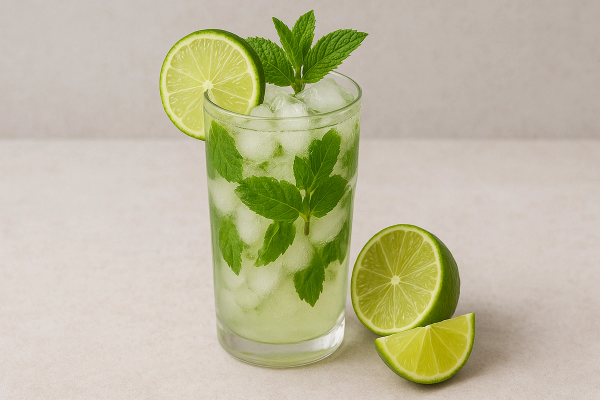
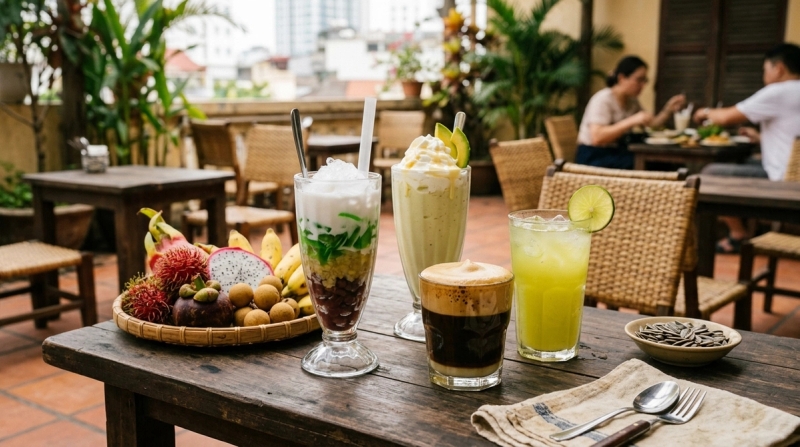
Vietnam is a dream for anyone who loves interesting non-alcoholic drinks. You don’t have to hunt very hard, either. Cafés spill onto sidewalks, street stalls stay busy late into the evening, and many of the best drinks feel like they live somewhere between dessert, snack, and refreshment.
If you’re looking for Vietnamese dessert drinks without alcohol, start with three names: chè, sinh tố bơ, and Vietnamese egg coffee. Once you add sugarcane juice and fruit smoothies to the list, you’ll have plenty to order on hot afternoons, after dinner, or during a slow café break.
This guide is for travelers who want something local, sweet, and alcohol-free — whether you’re sober, sober-curious, traveling with family, or simply wondering what to drink in Vietnam besides beer and coffee.
Quick Answer: What Should You Order?
#If you just want the easy version, here it is.
- Order chè if you want a sweet dessert drink with lots of texture. It can include coconut milk, beans, jellies, tapioca, fruit, crushed ice, and syrup.
- Order sinh tố bơ if you want something creamy and filling. It’s a thick avocado smoothie, usually blended with condensed milk and ice.
- Order Vietnamese egg coffee if you want dessert and caffeine in the same cup. It’s strong coffee topped with a thick, sweet egg cream.
- Order sugarcane juice if you want something cold, sweet, refreshing, and easy to find.
- Order fruit smoothies if you want familiar flavors and fewer surprises than chè.
For hot weather, go for sugarcane juice, fruit smoothies, or cold chè.For caffeine, try Vietnamese egg coffee.For something rich and milky, choose sinh tố bơ or egg coffee.For texture and variety, chè is the one.
Why Vietnam’s Sweet Drinks Are So Fun
#Vietnamese food gets plenty of attention for phở, bánh mì, bún chả, fresh herbs, and noodle bowls — and rightly so. But the sweet drinks deserve their own little spotlight.
Many Vietnamese non alcoholic drinks are not just drinks in the usual sense. Some are spooned. Some are slurped. Some are layered in a glass. Some are blended until thick and creamy. Some are served over crushed ice and eaten slowly as they melt.
A glass of chè might have beans, jellies, sticky rice, coconut cream, and ice all in one place. Egg coffee can feel more like tiramisu than coffee. A sinh tố bơ is so thick and rich that it can easily stand in for an afternoon snack.
That’s what makes ordering drinks in Vietnam so enjoyable. You’re not only choosing a flavor. You’re choosing a texture, a temperature, a sweetness level, and sometimes even how full you want to be afterward.
Chè: Vietnam’s Sweet Soups, Puddings, and Dessert Drinks
#If you like local sweets, chè should be near the top of your list.
The tricky thing is that chè is not one single drink. It’s a whole family of Vietnamese sweet soups, puddings, and dessert drinks. Some are warm and comforting. Others are cold, colorful, and piled with crushed ice. Some are thin enough to drink through a straw, while others definitely need a spoon.
That can make chè a little confusing the first time you see it. But that’s also part of the fun.
What Is Usually in Chè?
#Chè changes from place to place, but you’ll often see ingredients like:
- Sweetened beans, such as mung beans, red beans, or black beans
- Coconut milk or coconut cream
- Tapioca pearls or tapioca pieces
- Agar jellies, sometimes bright and colorful
- Sticky rice or glutinous rice
- Fruit, depending on the version
- Crushed ice
- Sweet syrup
A single glass can be creamy, chewy, icy, soft, slippery, and sweet all at once.
If you like bubble tea, shaved ice, rice pudding, or coconut desserts, chè is a very natural next step. If mixed textures are not your thing, start simple. Don’t make your first order the most colorful, packed-looking glass at the stall.
The Texture Is the Point
#For many travelers, chè is memorable because of how it feels as much as how it tastes.
One spoonful might be cold and creamy. The next might have chewy tapioca, soft beans, crunchy ice, or slippery jelly. A good cold chè keeps changing as you eat it.
That variety is not an accident. It’s the whole idea.
If you want an easy first try, look for a version with fewer visible ingredients. If you’re ready to jump in properly, ask for chè thập cẩm, which usually means a mixed chè with a little bit of everything.
When Should You Eat Chè?
#Chè works almost any time of day.
It can be an afternoon cool-down, a casual dessert after dinner, or a sweet snack between meals. Warm versions feel cozy and pudding-like. Cold versions are especially good when the heat starts to feel heavy.
And don’t worry too much about whether it counts as a drink or a dessert. Sometimes you sip it. Sometimes you eat it. Sometimes you do both.
Sinh Tố Bơ: Vietnam’s Creamy Avocado Smoothie
#If chè is the playful, texture-filled option, sinh tố bơ is pure creamy comfort.
“Sinh tố” means smoothie, and “bơ” means avocado. In Vietnam, avocado is often treated as a dessert ingredient rather than something savory. A typical sinh tố bơ is made by blending avocado with ice and sweetened condensed milk until it becomes thick, smooth, and rich.
It’s cool, sweet, and filling — closer to a milkshake than a light fruit drink.
What Does Sinh Tố Bơ Taste Like?
#If you’re used to avocado in salads, guacamole, or on toast, the first sip can be surprising.
The flavor is gentle and buttery. The condensed milk adds sweetness and richness. The avocado gives the drink its dense, velvety texture.
A good sinh tố bơ is smooth, heavy in a nice way, and very satisfying. It’s a great choice when you want something cold but not watery.
Who Should Order Sinh Tố Bơ?
#Order sinh tố bơ if you:
- Like creamy drinks
- Want something filling between meals
- Prefer smooth textures over jellies, beans, and tapioca
- Enjoy condensed milk
- Want a sweet drink without caffeine
If you avoid dairy, ask before ordering. Condensed milk is usually part of the drink.
Other Sinh Tố: Vietnamese Fruit Smoothies
#Sinh tố is not only avocado. You’ll also find plenty of fruit smoothies at cafés, juice shops, and street stalls.
Depending on the season and location, you may see mango, dragon fruit, jackfruit, passion fruit, sapodilla, soursop, or other tropical fruits. Some places have a printed menu. Others simply show you what fruit is available that day.
Fruit smoothies are a good choice if chè feels too unfamiliar. They’re also easier if you’re sensitive to texture because everything is usually blended smooth.
Sweetness can vary, though. Some smoothies taste fresh and fruity. Others are made sweeter and richer with condensed milk or extra sugar. If you prefer less sugar, you can try asking for it, but results may vary from place to place.
Sugarcane Juice: Cold, Sweet, and Refreshing
#Fresh sugarcane juice, or nước mía, is one of the easiest Vietnamese non alcoholic drinks to love.
You’ll often spot it before you order it. Vendors press long stalks of sugarcane through a machine, and pale green juice comes out on the other side. It’s usually poured over ice and sometimes brightened with a little citrus.
Sugarcane juice is sweet, of course, but it’s not creamy or heavy. Compared with sinh tố bơ, it feels much lighter. Compared with chè, it’s much simpler. On a hot day, that simplicity is exactly the point.
Who Should Order Sugarcane Juice?
#Order nước mía if you want:
- A quick cold drink
- Something sweet but not milky
- A break from coffee
- An easy street-stall order
- A drink that makes sense from the first sip
As with any iced street drink, choose a stall that looks busy and reasonably clean.
Vietnamese Egg Coffee: Dessert With a Caffeine Kick
#Vietnamese egg coffee, or cà phê trứng, is one of the country’s most famous café drinks. It’s especially associated with Hanoi, but you can find it in other cities too.
If you’ve never tried it, the idea might sound strange. Egg yolk in coffee doesn’t immediately sound like dessert. But when it’s made well, it’s rich, sweet, creamy, and surprisingly elegant.
What Is Vietnamese Egg Coffee?
#Vietnamese egg coffee is usually made with strong Vietnamese coffee topped with a whipped mixture of egg yolk and sweetened condensed milk.
The topping becomes thick, airy, and custard-like. It sits over the dark coffee as a sweet foam. When you drink it, the bitterness of the coffee balances the richness of the cream.
It should not taste like scrambled egg. A good egg coffee tastes more like sweet custard cream over strong coffee.
A Caffeine Note for Travelers
#Vietnamese coffee is often made with robusta beans, which can have a stronger caffeine kick than the arabica coffee many travelers are used to.
That matters with egg coffee because the sweet topping softens the bitterness. It’s easy to forget that underneath all that cream, you’re still drinking strong coffee.
If caffeine keeps you awake, don’t order it late in the day. If you’re very sensitive, choose something without coffee instead.
A Food Safety Note on Egg Coffee
#Egg coffee contains whipped egg yolk, and it may not be fully cooked. The hot coffee can warm the mixture, but travelers who are pregnant, immunocompromised, or cautious about undercooked egg may prefer to skip it.
For egg coffee, choose a busy, reputable café rather than a random place where ingredients look like they’ve been sitting around.
How to Choose the Right Drink for Your Mood
#Vietnam’s sweet drinks become much easier to navigate when you match your order to what you actually want in the moment.
If You’re Hot and Tired
#Choose:
- Sugarcane juice
- A cold fruit smoothie
- Cold chè with crushed ice
- Coconut-based chè
These are good when you want something cold and refreshing.
If You Want Something Filling
#Choose:
- Sinh tố bơ
- Thick chè with beans or sticky rice
- Egg coffee, if you also want caffeine
These drinks can feel more like snacks than simple refreshments.
If You Want Caffeine
#Choose:
- Vietnamese egg coffee
Just remember that it’s strong. It may taste like dessert, but it is still coffee.
If You Avoid Dairy
#Be careful with:
- Sinh tố bơ, which usually contains condensed milk
- Vietnamese egg coffee, which usually contains condensed milk
- Some versions of chè, depending on what is added
Better options may include:
- Sugarcane juice
- Fruit smoothies made without condensed milk
- Coconut-based chè, if no dairy milk is added
If you have a serious allergy or intolerance, ask carefully before ordering.
If You Don’t Like Chewy or Mixed Textures
#Choose:
- Fruit smoothies
- Sinh tố bơ
- Sugarcane juice
Approach chè slowly. Start with a simpler version before trying a mixed glass with beans, jellies, tapioca, and sticky rice all together.
Street-Stall and Ice Hygiene Tips
#Street drinks are part of the joy of traveling in Vietnam, but it’s still worth being sensible — especially with ice, cut fruit, coconut milk, and creamy toppings.
You can’t judge every stall perfectly from the outside, but a few quick checks can help.
Look for Busy Stalls
#A busy stall is often a good sign. High turnover means ingredients are more likely to be used quickly rather than sitting out for hours.
For chè, take a look at the beans, jellies, fruit, and coconut milk. Do they look fresh? Are they covered when not in use? Is the vendor moving through orders steadily?
Pay Attention to the Ice
#Cold chè, smoothies, and sugarcane juice often depend on ice.
Many travelers prefer drinks made with commercially produced ice, often seen as uniform tube-shaped pieces with a hole in the middle. It’s not a perfect guarantee, but it’s generally a better sign than loose ice that looks dirty, uncovered, or heavily handled.
If the ice makes you uneasy, choose another stall or order something hot.
Check the Basics
#Before ordering, quickly look at:
- Cups and spoons
- Blender jars
- Ice storage
- Fruit storage
- Whether ingredients are covered
- Whether the vendor handles money and food with the same bare hands
You don’t need a spotless, polished café to have a good experience. But visible care matters.
Be Careful With Cut Fruit and Coconut Milk
#Cut fruit, coconut milk, and creamy toppings can become risky if they sit too long in the heat.
That doesn’t mean you need to avoid them completely. Just favor busy places where ingredients seem fresh and are used quickly.
Choose Cafés for Egg Coffee
#For Vietnamese egg coffee, a café is usually the safer and more comfortable choice. Since egg yolk is involved, look for somewhere clean, busy, and known for making the drink often.
What to Try First
#If you have a few days in Vietnam, you don’t need to try everything at once. A nice first round could look like this:
- Start with sugarcane juice when you want an easy, refreshing street drink.
- Try sinh tố bơ when you want something creamy and filling.
- Order Vietnamese egg coffee in a café when you want a sweet caffeine treat.
- Explore chè when you’re ready for textures, layers, and a more local dessert experience.
- Try other fruit smoothies when you want something simple and familiar.
This gives you a good mix of approachable drinks and more adventurous ones.
Final Sip
#Vietnam is a wonderful place to explore non-alcoholic drinks that still feel special. Chè gives you texture and variety. Sinh tố bơ gives you creamy comfort. Vietnamese egg coffee gives you a sweet hit of caffeine. Sugarcane juice and fruit smoothies keep things cold, simple, and refreshing.
If you’re wondering what to drink in Vietnam, start with what you’re in the mood for. Think about heat, caffeine, dairy, sweetness, and texture. Then order with curiosity, choose busy places, and enjoy the fact that in Vietnam, even a quick drink can feel like a small food adventure.