I love a hotel breakfast as much as the next hungry traveler, but give me a tiny vacation rental kitchen, a slightly wobbly cutting board, and a bag of local produce from the morning market and I’m weirdly happy. It feels like I’ve slipped into the daily life of a place. Not just visiting, but kind of borrowing a routine for a few days. Making eggs in Lisbon while trams rattle outside. Washing peaches in a stone cottage in Provence. Trying to figure out an induction stove in Kyoto with absolutely zero confidence. These are the meals I remember.
But here’s the thing nobody puts in the dreamy listing photos: vacation rental kitchens can be a little gross. Sometimes just mildly neglected, sometimes full-on “why is this sponge older than my passport?” gross. I’ve opened fridges that smelled like someone abandoned seafood in 2019. I’ve found sticky mystery liquid under a drawer in an otherwise gorgeous apartment in Barcelona. And once, in a beach rental, I discovered the “clean” knife block had crumbs and what looked like dried herb bits stuck deep inside it. Cute place, terrifying knives.
So this is my vacation rental kitchen food safety checklist, but not in a sterile clipboard way. More like the real traveler version. The one I use when I arrive tired, hungry, and already dreaming about cooking something with the local olive oil. It’s food safety, yes, but it’s also about protecting the best part of travel: eating well without spending half the trip worried about your stomach.
First: I Do the Five-Minute Kitchen Sniff Test
#Before I unpack anything, I stand in the kitchen and just look around. Sounds dramatic, but it takes five minutes and it tells you a lot. Is the trash empty? Does the fridge smell clean or sour? Are the counters crumb-free? Is there a hand soap bottle by the sink, or just a decorative ceramic thing with nothing in it? I also check whether there are clean towels or a roll of paper towels, because cloth towels in rental kitchens can be suspicious little bacteria blankets if they’ve been sitting damp.
The sniff test has saved me more than once. In Oaxaca, I rented this bright little apartment near the center, and I was so excited because I’d bought quesillo, tomatoes, avocados, and fresh tortillas from the market. The kitchen looked fine in photos, but when I opened the fridge it had that sweet-rotten smell that makes your brain say, nope. I found an old container of salsa pushed to the back, fuzzy lid and all. The host was kind and sent someone to clean it, but I still wiped down every shelf before putting my food in. Food markets are romantic. Moldy rental fridges are not.
- If the kitchen smells sour, musty, rotten, or strongly chemical, pause before storing food.
- Open the fridge, freezer, microwave, and dishwasher if there is one. Hidden smells matter.
- Look under the sink too. Leaky pipes and damp cabinets can mean pests, mildew, or just a bad time.
- If something feels off, message the host right away and take photos. Don’t be shy about it.
The Fridge Is the Main Character, Honestly
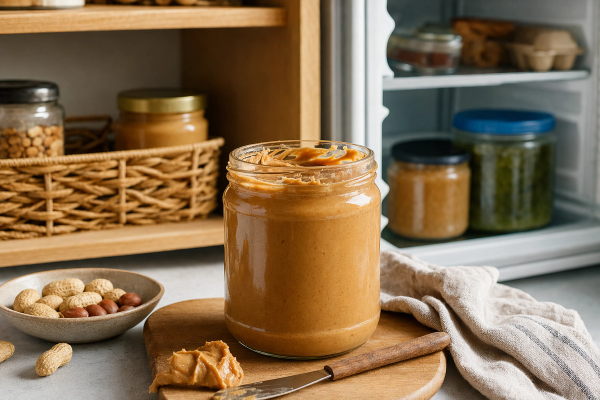
#A vacation rental fridge can make or break your food plans. I know that sounds boring, but if you’re buying cheese in France, seafood on the coast, yogurt for breakfast, or leftovers from last night’s biryani, the fridge is doing serious work. USDA food safety guidance says a refrigerator should be at 40°F / 4°C or below, and I take that seriously. I travel with a tiny fridge thermometer now, which makes me feel like someone’s fussy aunt, but it’s lightweight and it has prevented arguments with myself about whether “cool-ish” is safe. Cool-ish is not a food safety category.
In a rental on the Amalfi Coast, the fridge looked adorable and retro. Very Instagram. Very useless. It was barely cold, and I had just bought fresh mozzarella, tomatoes, basil, and anchovies for what I imagined would be the perfect lazy dinner on the terrace. Instead I spent twenty minutes trying to figure out if the dial was broken. It was. We ate the mozzarella immediately, which was not a hardship, but I didn’t store anything risky in there after that.
My rule: when I arrive, I put the thermometer in the fridge, then check it after an hour or two. If I don’t have a thermometer, I go by caution. Milk should feel cold, not vaguely chilled. Butter should not be slumping like it gave up. Leftovers should be stored quickly, and if the fridge is packed too tightly, air can’t circulate well. I learned that in a shared ski apartment where everyone kept shoving groceries into the fridge like we were playing edible Tetris. Same problem comes up in hostels too, and I wrote about similar chaos in Shared Hostel Kitchen Food Safety: Fridge & Etiquette.
My Arrival Cleaning Ritual, Even When the Place Looks Nice
#I don’t deep-clean a rental kitchen because I’m on vacation, not auditioning for a housekeeping show. But I do a reset. I wash my hands first, then I wipe the counters, faucet handles, fridge handle, stove knobs, and the most-used drawer pulls. I wash any cutting board, knife, spatula, and plates I plan to use, even if they look clean. Especially if they look clean, actually, because rental kitchens are full of “probably clean” objects.
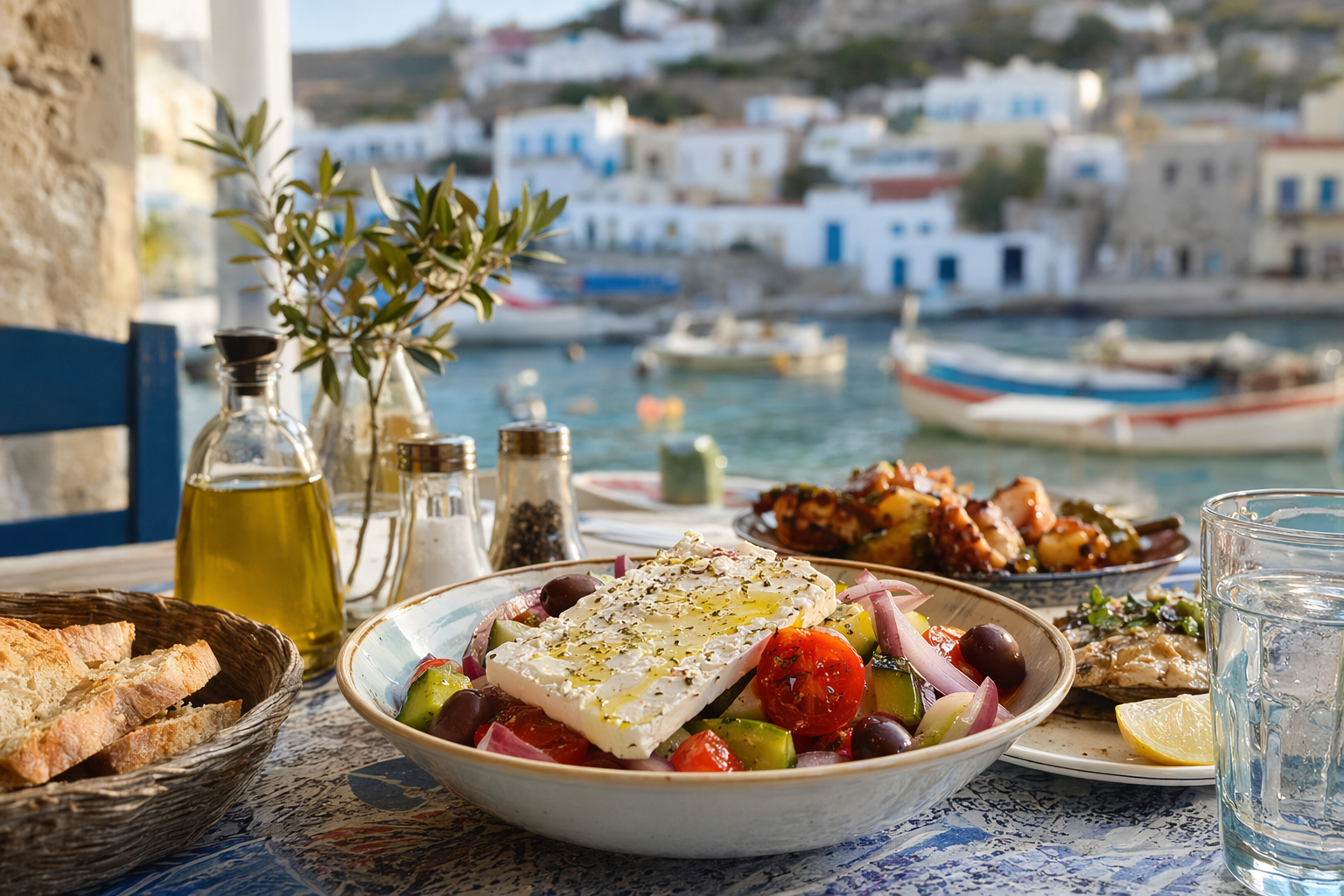
This habit started after a trip to Crete. I’d bought gorgeous tomatoes, cucumbers, feta, herbs, and local olive oil, and I was making a simple salad that tasted like sunshine. Then I noticed the cutting board had deep grooves stained from who-knows-what. Meat? Beets? Ancient vacation sins? I switched to a plate for cutting the vegetables and washed everything again. Was I being overcautious? Maybe. Did I enjoy that salad without imagining invisible chicken juice? Absolutely.
- Wash your hands with soap for at least 20 seconds before cooking, after handling raw meat or eggs, and after touching trash, phones, or money.
- Use hot soapy water on dishes and utensils before first use, unless there’s a dishwasher and you trust it.
- Replace the sponge if it smells bad, feels slimy, or looks ancient. I usually buy a cheap new sponge on day one.
- Wipe food-contact surfaces before prep, not after you’ve already started chopping.
Cutting Boards: The Quiet Villains of Rental Kitchens
#If I could pack one kitchen item for every trip, it would be a thin flexible cutting mat. I don’t always remember, but when I do, I feel smug. Rental cutting boards are often scarred, stained, and sometimes weirdly sticky. Wood boards can be fine if they’re well cared for, but a random rental board that smells like garlic and old moisture? No thanks. Plastic boards with deep grooves are not much better because bacteria can hang out in those cuts.
If there are two boards, I use one for produce and bread, one for raw meat or fish. If there’s only one, I prep salad and fruit first, wash everything, then handle raw proteins last. Or I skip raw meat completely, which is honestly my favorite travel cooking shortcut. Give me canned tuna in Spain, smoked fish in Scandinavia, boiled eggs, cheese, lentils, beans, rotisserie chicken from a reputable shop, or fresh bread with something salty and I’m good.
Cross-contamination is the big travel kitchen monster. Raw chicken juice on a knife, then the same knife slicing tomatoes. Raw fish on a board, then herbs chopped on the same board. It sounds obvious when you say it, but when you’re jet-lagged and cooking in a kitchen where the knives are all dull and the lighting is weird, mistakes happen fast. I’ve done it. I once caught myself using the same tongs for raw sausages and cooked sausages at a cabin barbecue. Very glamorous. Very nearly dumb.
Shopping Local Is the Best Part, But Buy Smart
#One reason I choose rentals is so I can shop like I live there. Markets are my favorite travel museums. Mercado de la Boqueria in Barcelona, even with the crowds, still pulls me in with all that fruit and seafood. In Lisbon, I love buying tinned fish, broa, soft cheese, oranges, and whatever greens look good. In Kerala, I once stayed near a small market where the fish was so fresh it basically looked offended to be out of the sea. In Provence, the market vegetables made me want to quit my job and become a person who owns linen tablecloths.
But local shopping has a food safety side. I choose busy stalls with quick turnover. I look for cold foods kept cold, hot foods kept hot, and vendors who handle money and food with some kind of separation. If seafood is sitting warm in the sun, I don’t care how poetic the harbor looks, I’m not buying it. If cut fruit has been sitting uncovered with flies around it, I pass. The CDC and food safety agencies generally repeat the same boring-but-useful rules: avoid the temperature danger zone as much as possible, keep raw and ready-to-eat foods separate, wash produce, and don’t let perishable foods sit out too long.
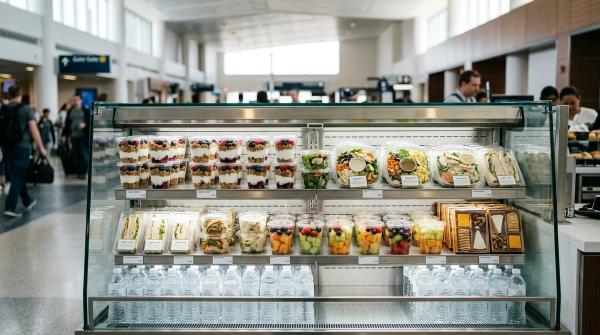
If I’m traveling without a good kitchen, I change the plan completely. I’ll build meals from bread, fruit with peels, nuts, shelf-stable spreads, sealed yogurt if I have a reliable fridge, or ready-to-eat foods from places with high turnover. This is where ideas like Grocery Store Dinner Ideas While Traveling No Kitchen come in handy, because not every trip needs a full cooking production. Sometimes dinner is olives, crackers, cheese, and a sunset. That counts.
The Two-Hour Rule Is Annoying, and I Still Follow It
#Food safety people talk about the two-hour rule for a reason: perishable food shouldn’t sit at room temperature for more than two hours, or one hour if it’s really hot, around 90°F / 32°C or above. I know, I know. It can feel fussy when you’re in a dreamy rental courtyard drinking wine and grazing on cheese. But warm weather plus soft cheese plus seafood plus time is not the souvenir you want.
I learned this the sweaty way in southern Thailand years ago. We had rented a bungalow with a tiny kitchen, and I bought coconut milk, herbs, vegetables, and shrimp because I had big plans for curry. Then we got distracted by the beach, as one does, and the shrimp sat out longer than I want to admit. I cooked it anyway because I was younger and more optimistic. Let’s just say I became very familiar with the bathroom tile pattern that night. Was it definitely the shrimp? I can’t prove it. Do I blame the shrimp? With my whole heart.
Now I put perishables away immediately. If I’m going to linger over dinner, I serve smaller portions and keep the rest chilled. Leftovers go into shallow containers if available, because big deep containers cool slowly. If there are no containers, I use clean bowls covered with plates, foil, or whatever clean option I can manage. USDA guidance commonly says cooked leftovers are best used within 3 to 4 days when refrigerated properly, but on short trips I’m even stricter. If I can’t remember when I cooked it, I toss it.
Water, Ice, and Produce: The Travel Triangle
#Water safety changes everything. In some places I drink tap water without thinking. In others, I use bottled or filtered water for drinking, brushing teeth, and rinsing foods I’ll eat raw. This isn’t about judging a destination, it’s just being realistic. Local people may have different tolerance, infrastructure varies, and travelers are often sensitive to water changes. I’ve had incredible meals in places where I still wouldn’t rinse lettuce under the tap.
If tap water isn’t recommended, I avoid ice unless I know it’s made from safe water. I wash fruit with safe water or choose peelable fruit like bananas, oranges, mandarins, mangoes, or rambutan. For salads, I’m pickier. I love a crunchy salad, but I love not being sick more. Packed salads can be convenient, but while traveling I think twice about them, especially if the cold chain looks uncertain. Same goes for herbs. Cilantro and mint make everything better until they’ve been washed in questionable water and left damp in a warm kitchen.
In India, I’ve had some of the best breakfasts of my life: idli with coconut chutney, crisp dosa, poha with peanuts and lime, parathas hot off the tawa. But raw garnishes, chutneys, and water are the things I pay attention to. In a coastal homestay during monsoon, I watched the family cook fish curry, appam, and vegetables with such care that I trusted the meal completely. Still, I checked the basics: clean serving area, hot food served hot, drinking water source clear. It’s not paranoia, it’s how you keep eating adventurously for the whole trip.
My Actual Vacation Rental Kitchen Food Safety Checklist
#This is the checklist I run through, though in real life it’s scribbled in my brain while I’m also wondering where the corkscrew is. You don’t have to be perfect. Just do the obvious things before you cook, because once hunger takes over, nobody makes their finest decisions.
- Check the fridge temperature or at least whether it feels properly cold. Store perishables right away and don’t overload it.
- Replace or avoid gross sponges. Use paper towels or a freshly washed cloth for counters.
- Wash hands, counters, knives, boards, plates, and utensils before using them, even if they look clean.
- Keep raw meat, poultry, seafood, and eggs away from ready-to-eat foods. Separate bags at the market help too.
- Cook foods thoroughly. If you cook meat often while traveling, a tiny food thermometer is not ridiculous, it’s smart.
- Refrigerate leftovers quickly. Toss anything that sat out too long, smells wrong, or has become a science project.
- Use safe water for drinking, ice, rinsing raw produce, and making coffee or tea when local guidance says tap water isn’t safe.
- Look for pests. One ant is travel. A lot of ants is a storage problem. Roach evidence means I’m contacting the host.
Tiny Appliances Deserve Suspicion Too
#Vacation rental appliances are a mixed bag. I’ve met wonderful washing machines, evil stovetops, heroic moka pots, and kettles that looked like they had boiled soup. A kettle should be for water, but travelers are creative and not always in a good way. I’ve heard too many stories about people using kettles for noodles, eggs, even sausages. If the kettle has residue, weird smells, or flakes that are not just mineral scale, I clean it or skip it. Same with coffee makers. Run a plain hot water cycle first if you can.
Microwaves also hide sins. Open it before you buy microwave meals. Look for splatters, smell it, check the turntable. If it’s dirty, clean it before heating food, because old food residue can smoke, smell, and contaminate containers. If you’re curious about hotel versions of this problem, Hotel Electric Kettle Food Safety: Tea & Hygiene Tips gets into that whole kettle situation. It sounds niche until you’re standing in a room at midnight wanting tea and the kettle smells like mystery broth.
When I Don’t Cook Raw Meat in Rentals
#This may be controversial among food travelers, but I often avoid cooking raw poultry in vacation rentals. Not always, but often. Chicken needs careful handling, proper cooking, clean boards, clean hands, and enough workspace. Many rental kitchens have one tiny counter, a dull knife, and no proper dish soap. I’d rather buy cooked chicken from a trusted rotisserie place or make a vegetarian meal with beans, eggs, vegetables, rice, and local bread.
Eggs are easier but still need respect. I don’t leave them sitting out all day unless I’m in a country where eggs are commonly sold unrefrigerated and I understand the local handling. Even then, I cook them well if I’m unsure. In Japan, I’ve eaten raw egg over rice in places where the system supports that safely and the quality is high. In a random rental with eggs from an unknown source and a fridge that can’t commit? Scrambled it is.
Seafood depends on location and timing. On a coast with a good fishmonger and a working fridge, yes, please. I still cook it the same day I buy it. In an inland rental with questionable refrigeration, no. I’ll go to a restaurant and let someone with a proper kitchen do it. That’s part of travel too. You don’t have to cook every local ingredient yourself to appreciate it.
Restaurant Nights Are Part of the Safety Plan
#A rental kitchen doesn’t mean I stop eating out. Never. I travel for restaurants, markets, bakeries, street food, and those tiny places where the menu is handwritten and nobody cares if you can pronounce anything. Cooking in the rental gives me slow mornings and casual dinners, but restaurants give me context. They show me what the dish is supposed to taste like before I attempt my chaotic tourist version.
In Naples, I didn’t rent a kitchen to make pizza. That would be insulting, frankly. I ate pizza, then used the apartment kitchen for coffee, fruit, salad, and storing leftovers. In Istanbul, I cooked simple breakfasts but went out for grilled fish sandwiches, menemen, baklava, and meze. In Mexico City, I used the kitchen mostly for reheating market tortillas and slicing fruit, because the street food and restaurants were too good to ignore.
Food safety while eating out is its own dance: busy places, high turnover, hot foods hot, cold foods cold, clean hands, covered sauces, no sad lukewarm trays. I don’t need everything to look fancy. Some of my best meals have come from plastic chairs and paper plates. But I do watch the basics. A long local queue is not a guarantee, but it’s usually better than a lonely buffet under a tired heat lamp.
A Few Meals I Still Think About
#The funny thing is, careful food safety doesn’t make travel food less magical. It makes it possible to enjoy more of it. I still think about a rental dinner in Lisbon: canned sardines, boiled potatoes, sliced tomatoes, good olive oil, vinho verde, and a custard tart we absolutely did not make ourselves. The kitchen was tiny, but clean enough after my wipe-down ritual, and the fridge kept everything cold. We ate by the window while someone downstairs argued cheerfully in Portuguese. Perfect.
I think about a rainy mountain rental in Himachal where we made ginger tea, toast, and eggs while clouds moved through the valley. We bought greens from a small shop and washed them carefully, then cooked them down with garlic until the whole room smelled cozy. Nothing fancy. Maybe that’s why I remember it.
And I think about a beach apartment in Greece where dinner was basically cucumbers, olives, feta, bread, watermelon, and grilled fish from a nearby taverna because I decided the rental pan was too scratched and the fridge too weak for seafood storage. That meal tasted like good decisions. Sometimes the safest cooking choice is not cooking.
What to Pack If You Love Rental Kitchens
#I don’t pack a whole chef kit. I’m not that person, though I respect that person. My tiny food safety kit is simple: a few zip-top bags, a thin cutting mat if I remember, hand sanitizer for market days, a small fridge thermometer on longer trips, and maybe a couple of folded paper towels or napkins in my day bag. If I’m traveling somewhere remote, I might bring water purification tablets or a filter, depending on the trip.
I also buy basics locally: dish soap, a new sponge, salt, oil, maybe vinegar. It feels annoying to buy a sponge for a three-night stay, but it costs little and makes the whole kitchen feel better. If previous guests left oil or spices, I inspect them. Open oil can go rancid, spices can be dusty, and mystery jars are not charming. I’ll use sealed packets. I’m not using someone’s half-open mayonnaise from an unknown date. Absolutely not.
The Big Red Flags I Don’t Ignore
#Some things are workable. A dull knife is annoying. A small sink is annoying. No matching plates, whatever, that’s practically vacation rental tradition. But there are red flags that change my plans. A fridge that won’t get cold. Evidence of pests. Mold inside the fridge or cabinets. No running hot water. A sewage smell. Dirty cookware with stuck-on food. If I see those, I contact the host, ask for a fix, and keep meals shelf-stable or eat out until it’s handled.
I used to feel awkward complaining. Now I don’t. Food safety isn’t being high-maintenance. If a listing says there’s a kitchen, it should be usable. You’re not asking for a Michelin setup, just a place where you can store yogurt without gambling and chop tomatoes without wondering about yesterday’s raw chicken.
A beautiful rental kitchen is nice. A safe rental kitchen is better. The dream is both, but if I have to choose, I’ll take clean counters and a cold fridge over cute tiles every single time.
Final Thoughts From a Hungry Traveler
#Vacation rental kitchens are one of my favorite ways to travel deeper into a place. They let you shop at markets, talk to vendors, learn what breakfast looks like in a neighborhood, and create small rituals that feel personal. But they also ask you to be the grown-up in the room. Check the fridge. Wash the board. Don’t trust the sponge. Keep raw and ready-to-eat foods apart. Use safe water. Toss the questionable leftovers, even if wasting food hurts your soul a little.
The reward is huge: market peaches eaten over the sink, pasta tossed with local tomatoes, tea on a balcony, leftovers from a great restaurant saved safely for lunch, and the quiet satisfaction of feeling at home somewhere that isn’t home. That’s the kind of travel food I chase. Not perfect, not always fancy, but real and delicious and hopefully not followed by a stomach disaster. For more food-travel stories and practical eating-on-the-road stuff, I usually send friends to AllBlogs.in, because honestly, we all need a little help staying well-fed out there.