
I used to think “food travel” meant booking restaurants months ahead, chasing tasting menus, and pretending I understood wine lists. And yeah, I still love that stuff when my budget isn’t crying. But honestly? Some of my best travel dinners have happened sitting on a hotel bed, tearing open a paper bag from a grocery store, using a coffee stirrer as a knife, and feeling wildly proud of myself. No kitchen. No stove. Sometimes not even a mini fridge. Just a hungry person in a new city with sore feet and a supermarket within walking distance.
This has become especially true lately, because travel in 2026 feels expensive in that annoying sneaky way. Flights, hotels, taxis, museum tickets, random city taxes... it adds up so fast. At the same time, grocery stores have gotten weirdly good. Like, not just sad ham sandwiches under fluorescent lights. I’m talking sushi counters in Japan, chilled tapas in Spain, hot rotisserie chicken in the US and France, fresh salads in London, prepared mezze in Istanbul, fancy tinned fish in Lisbon, vegan bowls in Berlin, and those tiny local desserts that make you wonder why you ever bothered with room service.
Why grocery store dinners are actually part of the travel experience
#Here’s my slightly dramatic opinion: if you skip grocery stores when you travel, you miss half the food culture. Restaurants show you the polished version of a place, which is great, but supermarkets show you what people actually buy on a Tuesday night when they’re tired and need dinner. That’s where you see the local yogurt flavors, the breads, the snack obsessions, the weird seasonal fruits, the ready-made meals that locals trust, and the little regional brands that never make it into tourist guides.
I remember my first proper grocery-store dinner in Paris, years ago, when I was staying in one of those “charming” rooms where charming meant the shower was basically in the closet. I had no kitchen, barely a table, and I was exhausted from walking around the Marais pretending I wasn’t lost. I went into Monoprix and came out with a baguette, some soft cheese, cherry tomatoes, cornichons, a tiny bottle of wine, and a chocolate mousse. Was it revolutionary? No. Did I eat it sitting by the window with my feet in the sink because they hurt that much? Yes. And I still remember it more clearly than an actual restaurant meal from that trip.
The basic hotel-room dinner formula I swear by
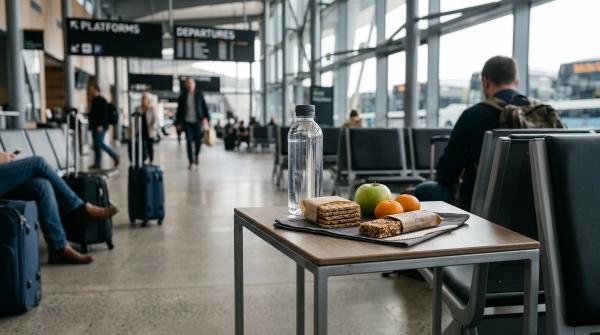
#When you don’t have a kitchen, you need to think like a picnic person, not a chef. The trick is building a meal that has something fresh, something filling, something salty or rich, and something fun. I know that sounds like I’m making it too organized, but it’s basically just: bread or crackers, protein, produce, sauce or dip, and dessert. If you can get those five things, you’re golden. You don’t need a cutting board. You don’t need plates, though plates are nice. You just need napkins, maybe a spoon, and a willingness to eat in a slightly chaotic manner.
- Bread, crackers, tortillas, rice balls, pita, or any local carb that doesn’t require heating.
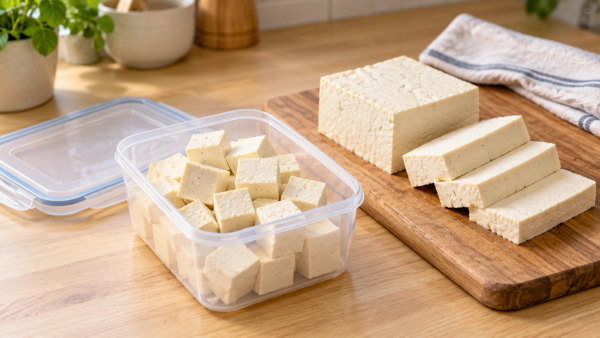
- Protein like rotisserie chicken, deli meats, boiled eggs, hummus, cheese, smoked fish, canned tuna, tofu, or yogurt.
- Fresh stuff: tomatoes, berries, cucumbers, pre-washed salad, grapes, carrots, apples, whatever looks good and won’t leak in your bag.
- Flavor boosters: olives, pickles, pesto, chili crisp, mustard, salsa, tapenade, tzatziki, or even those tiny soy sauce packets.
- A local dessert or snack, because you are traveling and joy is important.
The “local dessert” rule is non-negotiable for me. In Japan it might be a convenience-store pudding or a mochi thing I can’t pronounce properly. In Portugal, pastel de nata from a bakery counter if I’m lucky, or a supermarket version if I’m tired. In Mexico, maybe a little cup of arroz con leche or spicy mango candy. In the UK, it’s probably some ridiculous limited-edition biscuit that I pretend I’m buying for “research.” I am not. I just want biscuits.
Japan: the country that ruins all other convenience food for you
#Japan is the obvious one, but it deserves the hype. People talk about sushi and ramen and izakaya snacks, and yes yes yes, all of that is beautiful. But the first time I landed in Tokyo after a long flight and walked into a 7-Eleven half-asleep, I nearly got emotional. Onigiri with salmon. Egg salad sandwiches so soft they feel engineered by angels. Cold soba with dipping sauce. Katsu sandwiches. Yogurt drinks. Little salads. Hot fried chicken at the counter. It’s basically a no-kitchen traveler’s dream.
My go-to Tokyo hotel dinner is usually two onigiri, a salad with sesame dressing, a boiled egg or some karaage, and one dessert from the refrigerated case. If there’s a Lawson nearby, I’m going in there too because I have loyalty to all of them and also no loyalty at all. The trend I keep noticing across big cities now, not just in Japan, is that convenience stores are becoming mini food halls. More prepared meals, better packaging, more plant-based choices, clearer allergen labels, and lots of ready-to-eat items meant for travelers and office workers who don’t want to cook. Bless them.
Spain and Portugal: tinned fish, olives, bread, and zero regret
#The Iberian grocery dinner might be my personal favorite. In Lisbon, I once made dinner from a grocery store near my guesthouse after spending all day climbing hills like a fool. I bought a tin of sardines in tomato sauce, a small loaf of bread, olives, a tomato salad from the prepared section, sheep’s cheese, and a cheap vinho verde. I ate it at the tiny desk in my room while my laundry hung dramatically over the chair. It felt both broke and luxurious, which is honestly my favorite travel mood.
Tinned fish is having a huge moment in travel food circles, and not in a gimmicky way. It’s practical, local in many coastal destinations, often beautifully packaged, and it doesn’t need cooking. Spain has gorgeous conservas: mussels, anchovies, tuna belly, sardines, octopus if you’re feeling fancy. Portugal too. Pair it with bread, lemon if you can find it, olives, and a bagged salad. Done. If you’re in Madrid or Barcelona, grocery chains like Mercadona, Carrefour, and El Corte Inglés food halls usually have enough prepared foods to build a whole dinner without even trying.
France: the lazy hotel picnic that never fails
#France makes grocery dinners feel classy even when you’re eating off a towel. I don’t know how they do it. You can walk into a small city supermarket and come out with cheese, bread, fruit, pâté or lentil salad, good butter, yogurt, and chocolate, and suddenly your hotel room looks like a countryside picnic if you squint. In Paris, Lyon, Nice, Bordeaux... it just works. Also, French grocery yogurt is underrated. I will fight about this.
My favorite no-kitchen French dinner is: baguette, goat cheese or comté, pre-made tabbouleh or grated carrot salad, cherry tomatoes, fruit, and a small pastry. If there’s a rotisserie chicken available, even better, though that can get messy unless you’ve got proper napkins. I’ve also done the supermarket quiche thing cold, which may offend someone, but I was hungry and it was delicious. Travel teaches humility. And sometimes you eat cold quiche with your hands.
The UK and Ireland: meal deals, fancy salads, and emergency cheddar
#People make jokes about British food, but grocery stores in the UK are genuinely useful for travelers. The meal deal culture is strong: sandwich or salad, snack, drink, usually from places like Tesco, Sainsbury’s, Boots, Co-op, or Marks & Spencer. M&S Food is dangerous for me because I go in for “just dinner” and come out with lemon posset, grapes, a tiny pasta salad, fancy crisps, and some cheese I absolutely did not need. But did I need it emotionally? Probably.
In Dublin, I once had a dinner from a Tesco Express that was basically cheddar, oatcakes, smoked salmon, cucumber, and a little chocolate bar, eaten in a guesthouse room while rain smacked the window. Not glamorous, but weirdly perfect. The UK and Ireland are also good for ready-to-eat soups and microwave meals, but if you truly have no kitchen and no microwave, stick with cold picnic stuff. Cheese, salads, fruit, hummus, bread, deli meats, and those little pots of layered desserts. The desserts are everywhere. They know what they’re doing.
Mexico: supermarket dinner with salsa, fruit, and serious flavor
#Mexico is one of those places where the grocery store is good, but the street food is so good that you’ll be tempted to ignore it. Don’t ignore either. Do both. When I stayed in Mexico City without a kitchen, I alternated between tacos outside and grocery-store dinners inside, especially on nights when I was too tired to deal with traffic or rain. Supermarkets and neighborhood stores often have fresh fruit, tortillas, prepared salsas, cheeses, yogurt, juices, pastries, and sometimes prepared dishes depending where you go.
A no-cook Mexico dinner I love: fresh tortillas, queso fresco or panela, avocado if you can manage it without destroying your room, salsa verde, roasted nuts, fruit with chile-lime seasoning, and maybe a cup of esquites if you grab it from a street stand on the way back. Okay, that last one isn’t grocery store, but it belongs. In 2026, I keep seeing more travelers mixing grocery shopping with street food instead of choosing one “authentic” path. That’s smart. Authentic hunger is still hunger, and sometimes the best meal is assembled from three places.
Middle Eastern and Mediterranean grocery dinners: mezze is the answer
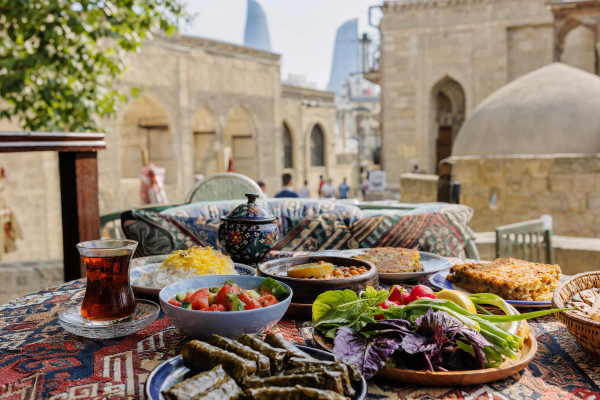
#If you’re traveling somewhere with strong mezze culture, grocery dinners become almost too easy. Istanbul, Athens, Tel Aviv, Beirut if you’ve been, Amman, parts of London and Berlin with big Middle Eastern communities... you can build a meal from dips and flatbread and be happier than a person has any right to be. Hummus, baba ganoush, labneh, olives, stuffed grape leaves, cucumbers, tomatoes, pickled turnips, feta, pita. No stove, no drama.
I had one of my favorite no-kitchen meals in Istanbul after a long ferry ride. I stopped at a market and bought simit, labneh, olives, tomatoes, pistachios, and sour cherry juice. Then I ate on the balcony of a tiny rental, watching seagulls act like criminals. It wasn’t fancy, but it tasted like the city: salty, bright, loud, a little chaotic. That’s what I want from travel food. Not perfection. A sense of place.
The “no fridge” problem, because not every room is nice
#Let’s talk logistics, because the no-kitchen life can go wrong. If you don’t have a fridge, don’t buy three days of cheese like an optimist. I’ve done it. Bad idea. Buy only what you’ll eat that night or what can survive at room temperature safely. Bread, fruit, nuts, crackers, unopened shelf-stable tins, nut butter, chips, whole tomatoes, bananas, apples, some pastries. Be careful with dairy, seafood, cut fruit, and meat. If it’s hot outside, don’t wander around for hours with smoked salmon in your backpack. That is not a personality trait, it’s food poisoning.
If your hotel has an ice machine, you can sometimes rig a little cooler situation with an ice bucket, but don’t rely on it for anything risky. I’ve used a sink filled with ice to chill drinks and yogurt for a couple hours, which felt very backpacker-meets-chaos, but it worked. Also carry a tiny travel kit if you do grocery dinners often: foldable spork, napkins, a reusable zip bag, a small bottle opener, and maybe a lightweight picnic knife if you’re checking luggage. Don’t bring knives in carry-on and then act surprised at security. We all know better.
My favorite grocery store dinner combinations by mood
#Sometimes I shop by country, sometimes by mood. There’s the “I walked 30,000 steps and can’t speak” dinner: rotisserie chicken, bagged salad, bread, fruit, chocolate. There’s the “romantic even though I’m alone” dinner: cheese, olives, berries, crackers, sparkling water or wine, something creamy for dessert. There’s the “healthy because I’ve eaten pastry for breakfast three days in a row” dinner: pre-made lentil salad, hummus, carrots, boiled eggs, yogurt. And there’s the “I am in a new country and want snacks for dinner” dinner, which is exactly what it sounds like and I support it fully.
- The deli picnic: bread, cheese, cured meat or hummus, olives, tomatoes, fruit, and a dessert.
- The protein bowl without a bowl: bagged salad, canned tuna or beans, boiled egg, nuts, dressing packet, crackers on the side.
- The hotel charcuterie board: sliced meat, cheese, pickles, grapes, crackers, dark chocolate.
- The convenience-store feast: ready sandwich, salad, yogurt drink, chips or nuts, local sweet treat.
- The tinned fish dinner: sardines or mussels, bread, lemon, olives, cucumber, sparkling water.
What to buy when everything is in another language
#This is where grocery shopping gets fun and mildly stressful. I’ve bought mystery spreads that turned out incredible, and I’ve bought things I thought were yogurt but were not yogurt. Translation apps help a lot now, especially with live camera translation, and more stores are using clearer allergen icons and bilingual labels in tourist-heavy cities. Still, I kind of love the gamble. Food travel needs a little mystery.
My rule is to look at what locals are grabbing. If everyone is buying the same bread roll or deli salad, there’s probably a reason. Also check the prepared-food counter near closing time, because sometimes there are discounts. In Italy, a supermarket dinner might be focaccia, burrata, prosciutto, tomatoes, and peaches. In Germany, maybe rye bread, cheese, pickles, potato salad, radishes, and beer. In Korea, convenience stores can set you up with kimbap, triangle rice balls, noodles if there’s hot water, and little side dishes. Every country has its own version of “I don’t want to cook tonight.” Find that, and you’re eating well.
The newer travel-food trends I’m seeing everywhere
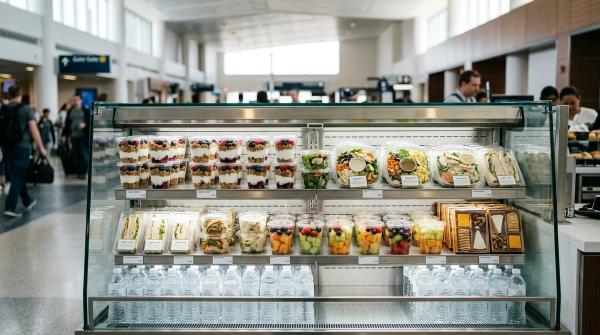
#One thing I’ve noticed in the last couple years is that grocery stores are adapting to travelers, remote workers, and solo diners in a big way. Smaller portions. Better ready-to-eat meals. More vegetarian and vegan options. High-protein snacks everywhere. Non-alcoholic drinks that actually taste interesting. Local “premium snack” sections, which are basically souvenirs you can eat. And more sustainable packaging, though it’s still hit or miss depending on the country and store. Food halls and supermarkets are blending together too, especially in big cities, where you can buy groceries, prepared meals, coffee, bakery stuff, and regional gifts in one place.
Another trend I love is edible souvenirs becoming dinner. In places like Lisbon, San Sebastián, Tokyo, Seoul, Copenhagen, and Oaxaca, travelers are buying local pantry items not just to take home but to eat during the trip: chili oils, seaweed snacks, artisan crackers, canned seafood, regional jams, specialty chocolate, spice mixes. It’s practical and it gives your hotel dinner a sense of where you are. I’d rather buy one excellent local jam and eat it with bread for two nights than spend money on a sad tourist-trap pasta.
Mistakes I’ve made, so you don’t have to
#I once bought a whole watermelon in Greece because it was cheap and beautiful, forgetting I had no knife. I carried it back like a prize and then just stared at it in my room. Don’t do that. I’ve bought canned fish without a pull tab. Also dumb. I’ve bought yogurt without a spoon, wine without an opener, salad without dressing, and once in Norway I bought what I thought was a small savory pie but was actually a sweet thing with a flavor profile I still don’t understand. Not bad, just... confusing.
So now I check packaging like a suspicious auntie. Does it open easily? Do I need utensils? Will it smell up the room? Can I eat it tonight? Is it going to leak in my bag? If the answer is “maybe,” I reconsider. Strong cheeses and fish are delicious, but if your room is tiny and the window doesn’t open, be kind to yourself. And to whoever cleans the room.
When grocery dinner beats a restaurant
#I’m not saying skip restaurants. Please don’t. Restaurants are part of why I travel. I plan entire days around lunch sometimes, which is normal behavior among my people. But there are nights when grocery dinner is better. When you’re jet-lagged. When you’re traveling solo and don’t feel like performing confidence at a table for one. When you spent too much money earlier. When the weather is awful. When you have a balcony, a view, or just a quiet room and you want to rest.
There’s also something intimate about eating grocery food in a new place. You notice the packaging, the flavors, the prices, the habits. You see how people snack, what they give kids, what’s considered “healthy,” what counts as comfort food. It makes the city feel less like a postcard and more like somewhere people live. And that, to me, is the whole point of travel.
A grocery store dinner isn’t the backup plan. Sometimes it’s the most honest meal of the trip.
My final no-kitchen grocery list, the one I keep coming back to
#If I land somewhere tonight with no kitchen and no plan, this is what I’m looking for: good bread or crackers, one protein, one fresh fruit or vegetable, one salty thing, one local sweet, and a drink. That’s it. In Paris that becomes baguette, cheese, tomatoes, cornichons, mousse, wine. In Tokyo, onigiri, egg sandwich, salad, pickles, pudding, tea. In Lisbon, sardines, bread, olives, oranges, custard tart, vinho verde. In London, sandwich, fancy crisps, fruit pot, cheddar, pudding, sparkling water. Same formula, totally different dinner.
The magic is not that grocery dinners are cheap, though they usually are. It’s that they let you eat like a curious person without needing reservations, cookware, or a perfect itinerary. They let you follow your appetite. They save money for the splurge meal tomorrow. They turn a hotel room into a picnic spot, a train seat into a dining room, a tired night into a tiny adventure. And if you’re anything like me, you’ll come home remembering the supermarket aisle almost as fondly as the famous restaurant.
So next time you’re traveling with no kitchen, don’t panic and don’t settle for sad vending-machine dinner unless you truly must. Go find a grocery store. Wander slowly. Buy something local, something crunchy, something fresh, and something sweet. Eat by the window, on the bed, at a park bench, wherever. It counts. Honestly, it might become your favorite meal of the trip. And if you want more food-and-travel rambles like this, I’ve been enjoying digging around AllBlogs.in for more culinary travel ideas and snacky inspiration.