The trip that made me stop packing cotton like an emotional fool
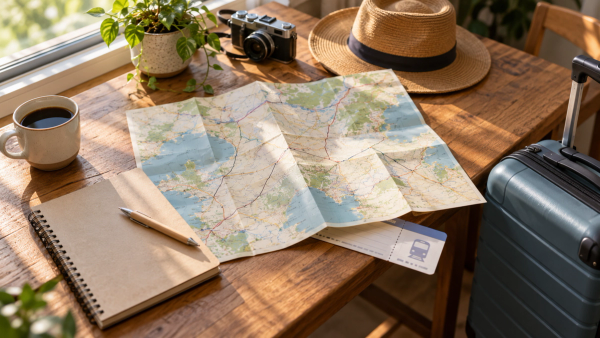
#For the longest time, my travel packing was very Indian-middle-class simple: two jeans, three cotton T-shirts, one “nice” kurta, one towel that weighed like a small baby, and then I would wonder why my backpack felt like I was carrying LPG cylinder up a hill. The change happened after a very sweaty, very damp trip through coastal Karnataka and Goa, where nothing dried properly. Not my socks, not my cotton tee, not even my so-called lightweight shorts. I was staying in a budget hostel near Anjuna, around ₹700-ish for a dorm bed at that time, and every balcony railing had sad wet clothes hanging like flags of defeat. Mine were the saddest. Since then, quick-dry travel clothes have become one of my small obsessions. Not in a fancy influencer way, but in a very practical, “boss I need this shirt dry by morning because I have a bus to catch” way.
If you travel by Indian trains, state buses, shared jeeps, scooters, ferries, or those hill taxis where your bag is tied on the roof with one suspicious rope, packing light is not a luxury. It is survival. Quick-dry fabrics help because you can wash one T-shirt at night, squeeze it in a towel, hang it near the fan, and usually wear it next morning. Not always, haan, especially in super humid places, but much better than cotton. And once you get used to travelling with fewer clothes, it honestly feels freeing. Like, why was I dragging 12 outfits for a 6-day trip to begin with?
Why quick-dry clothes matter more for Indian-style travel
#A lot of packing advice online is written for people rolling suitcases into hotels with dryers. That’s not how many of us travel. We are catching 5:40 am trains from Madgaon, hopping into Sumo taxis in Meghalaya, taking overnight buses from Bengaluru to Gokarna, or walking 2 km from a bus stand because Google Maps said “10 minutes” but forgot about the slope. In these situations, fabric matters. Your clothes are not just clothes, they are sweat managers, rain shields, sun protectors, mosquito barriers, and sometimes pillow covers also. I have literally used a quick-dry shirt as a pillowcase in a homestay where the pillow smelled like old coconut oil. No judgement, but still.
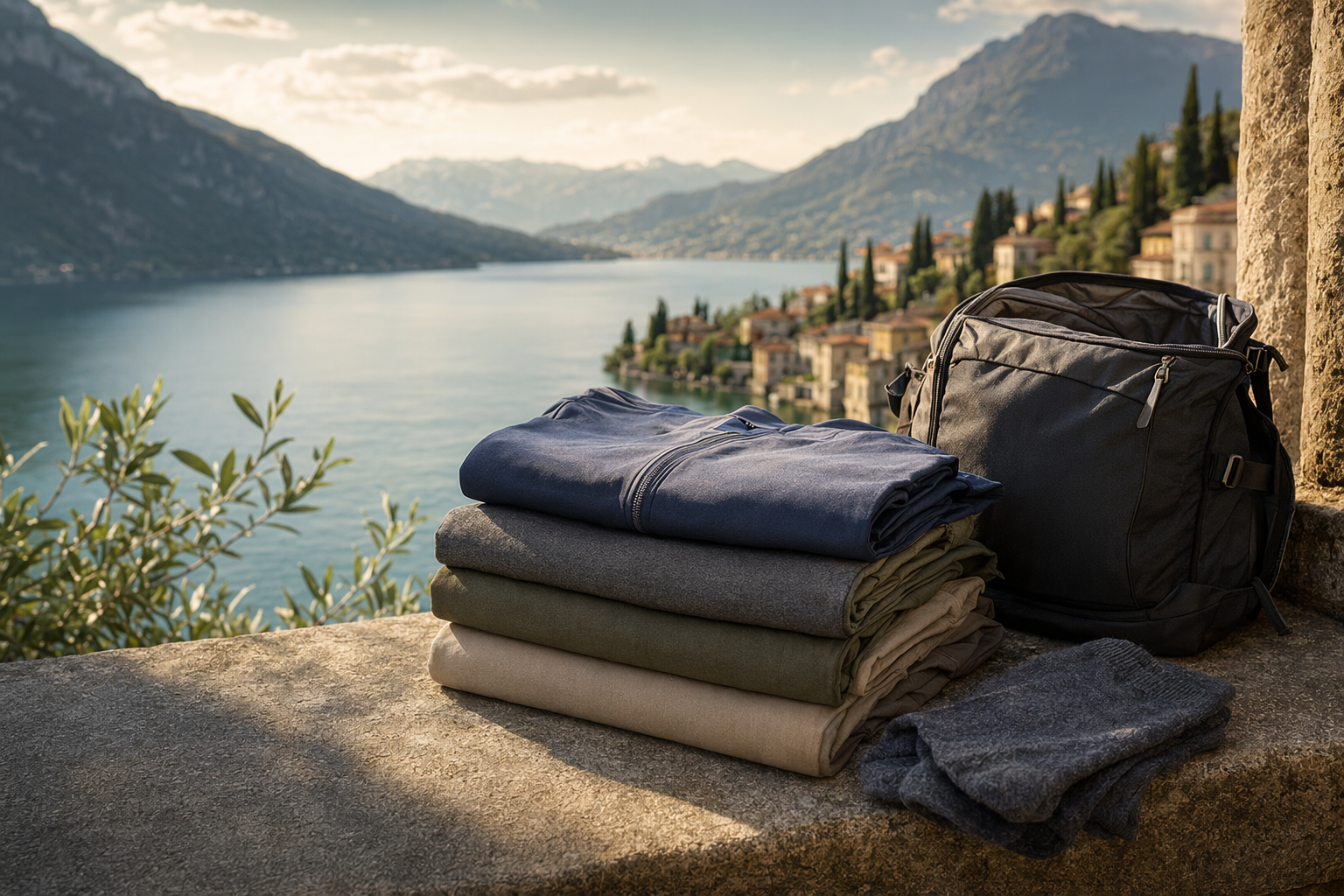
Quick-dry clothes also reduce luggage. If you can re-wear or wash and dry items fast, you don’t need to carry 8 tops. For a one-week trip, I now usually take three T-shirts, one collared shirt, two bottoms, 4 underwear, two pairs socks, one light layer, and a rain shell if needed. For beach trips I add swim shorts. For treks, a thermal or fleece depending on weather. That’s it, mostly. It fits in a 30-35 litre backpack unless I’m carrying camera gear or snacks from home, which, let’s be honest, I always am. Thepla, chikki, banana chips... priorities.
Best quick-dry fabrics for travel, from my own trial and error
#Let me say it clearly: not all “dry-fit” clothes are equal. Some budget polyester tees dry fast but stink by evening. Some branded hiking shirts are amazing but cost more than a sleeper class ticket from Mumbai to Delhi, so you feel guilty buying them. And some fabrics look good in the store but become clingy in humidity, which is a very specific kind of suffering. Over time, I’ve realised the best travel wardrobe is usually a mix of fabrics. You don’t need everything technical. You just need the right fabric for the right trip.
| Fabric | Drying speed | Best for | My honest take |
|---|---|---|---|
| Polyester | Very fast | T-shirts, gym tops, travel underwear | Cheap, light, common, but can smell if quality is poor |
| Nylon | Fast | Trekking pants, shorts, shirts | More durable than polyester usually, great for rough travel |
| Merino wool | Moderate to fast | Cold places, long trips, base layers | Expensive, but doesn’t smell quickly and feels nice |
| Polyester-cotton blends | Medium | City travel, casual shirts | Better than pure cotton, but not ideal for monsoon |
| Linen | Medium | Hot dry places, relaxed travel | Breathable but wrinkles like anything |
| Bamboo/viscose blends | Slow to medium | Comfort wear, sleepwear | Soft, but not my first pick for humid travel |
| Pure cotton | Slow | Dry weather, casual evenings | Comfortable, but a pain in rain and humidity |
Polyester: the workhorse, but choose carefully
#Polyester is the most common quick-dry travel fabric you’ll find in India. Decathlon, Uniqlo, local sports shops, trek stores in Rishikesh or Manali, even random markets near railway stations now sell polyester “dry-fit” T-shirts. It dries fast because it doesn’t absorb water like cotton. For sweaty places like Kochi, Pondicherry, Mumbai in monsoon, Goa in shoulder season, or even Delhi in peak summer, polyester can save you. Wash it in the sink, wring it properly, hang it near a fan, and it has a decent chance of drying overnight.
But the problem is smell. Arre, some polyester tops become dangerous after one full day of walking. I wore a cheap black dry-fit tee during a humid Fort Kochi day, walking from the Chinese fishing nets to Mattancherry, eating appam and stew, ducking into cafes, sweating like mad. By evening, even I didn’t want to sit next to me. Better quality polyester with anti-odour treatment helps, though these treatments reduce over time. Dark colours hide sweat patches, but they also heat up more in direct sun. So I keep one or two light grey or muted blue polyester tees, not pure white because Indian travel dust will destroy your confidence.
Nylon: my favourite for pants and shorts
#If polyester is the budget hero, nylon is the dependable friend. I prefer nylon for trekking pants, travel shorts, and button-down shirts. It feels stronger, handles rough seats and rock edges better, and dries quickly. My best travel pants are nylon with a little elastane. They survived Meghalaya rain, Hampi boulders, and one very chaotic scooter ride in Goa where the seat was wet and I didn’t realise until too late. Cotton pants would have stayed damp till next day. These were dry before dinner.
For Indian trips, nylon pants with zip pockets are underrated. In crowded buses, local markets, and railway platforms, zipped pockets give some peace of mind. I still don’t keep my wallet in back pocket, obviously, but for small cash, room key, lip balm, ticket printout, it helps. If you’re visiting Northeast India during wet months, or planning waterfall-heavy routes in Meghalaya, Nagaland, or Arunachal, nylon bottoms are much better than jeans. Also check the season before you go. I found this guide on Best Time to Visit Northeast India: Season Guide useful because weather there can flip your packing plan completely.
Merino wool: costly, but I finally understood the hype
#I avoided merino wool for years because the price made me personally offended. Like, why is one T-shirt costing as much as a decent homestay night in Sikkim? But I bought one merino blend base layer before a Himachal trip and, okay, I get it now. Merino doesn’t dry as fast as thin polyester, but it manages smell really well. On longer journeys, especially where laundry is uncertain, that matters. If you are doing Spiti, Ladakh, Sikkim, Kashmir, or winter Rajasthan nights, merino base layers are genuinely useful. Not compulsory, but nice.
One thing though: don’t treat merino like some magic fabric from heaven. It can get holes if you abuse it, and it needs gentle washing. I don’t carry many merino items. One T-shirt or one base layer is enough for me. For budget travellers, polyester fleece plus a synthetic base layer can also work. In many hill towns, accommodation ranges are wide now: basic hostels can be around ₹500-₹1,200 a bed, simple homestays ₹1,200-₹3,500 a room, and nicer boutique stays way above that. If your budget is already tight, spend first on good shoes, rain protection, and one good quick-dry bottom before buying fancy wool.
Cotton: emotional comfort, practical headache
#I love cotton. We all do. A soft cotton kurta after a bath, loose cotton tee for sleeping, old college T-shirt for train journeys... it feels like home. But for packing light, cotton is tricky. It absorbs sweat and water, becomes heavy, and dries slowly. In humid places, cotton can stay damp and smell musty. In cold places, wet cotton is worse because it makes you feel colder. During a monsoon trip in Kerala, I carried two cotton kurtas thinking they’ll be nice and breezy. They were nice for exactly 40 minutes. Then rain came sideways, my auto ride splashed muddy water, and that kurta took almost two days to dry inside the room.
Still, I carry one cotton item sometimes. Maybe a loose T-shirt for sleeping or a kurta for a temple visit or a relaxed dinner. But I don’t build my whole packing list around cotton anymore. If you are going to Jaipur in dry winter, cotton can be fine in the day. If you’re going to Varkala in humid weather, don’t pack five cotton tees and then blame the guesthouse fan. The fan is trying its best, poor thing.
My quick-dry packing list for different Indian trips
#Packing depends on destination more than people admit. A shirt that works in Pushkar may be useless in Cherrapunji. Jeans that feel okay in Delhi airport become punishment in Goa rain. Below is roughly how I pack now, after many sweaty mistakes. Not perfect, but it works for me.
- For beach trips like Goa, Gokarna, Varkala, Andaman side: two polyester tees, one nylon shirt, quick-dry shorts, swimwear, thin towel, sandals that can get wet, and one casual evening outfit.
- For monsoon hills like Meghalaya, Coorg, Munnar, Mahabaleshwar: nylon trekking pants, quick-dry tees, rain jacket, extra socks, dry bag, and no jeans unless you enjoy suffering.
- For city breaks like Delhi, Mumbai, Kolkata, Bengaluru: blended shirts, light trousers, one quick-dry tee for walking days, and something decent for cafes or family visits because Indian relatives will comment.
- For cold dry places like Spiti, Ladakh, higher Sikkim: synthetic or merino base layer, fleece, windproof jacket, quick-dry innerwear, wool socks, and sun protection.
Rainy season travel: where quick-dry clothes really prove themselves
#Monsoon travel is beautiful and annoying at the same time. Waterfalls are full, forests smell alive, chai tastes better, but your bag becomes a damp ecosystem if you pack badly. Quick-dry clothes help a lot, but only if you also pack a few basics: dry bags, plastic-free waterproof pouches if possible, a light rain shell, and sandals or shoes that don’t take forever to dry. I’ve seen people wear heavy sneakers in Goa rain and then spend two days drying them with a hair dryer borrowed from reception. Been there, almost done that.
For island or coastal trips in rainy season, avoid thick cotton, denim, and heavy hoodies. If you’re comparing places like Phuket, Krabi, and Koh Samui in wet weather, this guide on Phuket vs Krabi vs Koh Samui in Rainy Season fits well with the same logic: sudden showers, humid rooms, ferry rides, and beach plans that change last minute. I did a Thailand island hop with one 32L backpack, and the clothes that earned their place were all quick-dry. The “nice” cotton shirt came back unused. Typical me.
Laundry tricks that actually work in hostels and homestays
#Most budget stays in India will help with laundry, but not always fast. Hostels usually have paid laundry by kilo, sometimes ₹100-₹250 per kg depending on city and setup. Homestays may charge per piece or just tell you to hang clothes outside. Hotels in tourist places can be expensive for laundry, like ₹80 for one T-shirt type of nonsense. Local dhobi shops are cheaper but timing can be uncertain. If you’re leaving next morning, don’t risk your only pair of pants.
- Wash small items daily. Underwear, socks, one tee. Don’t let a wet pile build up, because then it becomes a smell problem.
- Use a travel clothesline or even basic nylon rope. Many rooms don’t have enough hooks. Indian bathrooms especially, why only one hook yaar?
- Roll wet clothes in a towel and press hard before hanging. This removes more water than wringing alone.
- Hang near airflow, not just sunlight. In humid places, fan drying works better than a shady balcony with no breeze.
- Carry a tiny detergent sheet or small soap bar. Shampoo works in emergency, but don’t overdo it because rinsing becomes irritating.
One small warning: don’t hang clothes outside overnight in some hill or forest areas unless you’re okay with insects, damp fog, or random smoke smell from kitchen fires. In Meghalaya, one of my socks got wetter overnight than when I washed it. I don’t know how. Weather has jokes.
Hot weather, sweat, and the hydration part we ignore
#Quick-dry clothes can make hot-weather travel more comfortable, but they don’t make you invincible. I learnt this in Hampi, where I thought my light tee and shorts meant I could roam boulders all afternoon like some hero. Bad idea. Dry clothes don’t mean your body is fine. You’re still losing water and salts, especially in places like Rajasthan, Hampi, Chennai, Konkan coast, or even during long walking days in Mumbai. If you’re the type who replaces water with cutting chai and cold coffee, please read this once: Travel Day Hydration Mistakes: Water, Coffee, Electrolytes. I say this as someone who has made every hydration mistake possible.
For summer travel, choose light colours, loose fits, and breathable weaves. Super tight synthetic clothes dry fast but can feel awful when you’re sweating nonstop. A loose nylon shirt over a thin tee works nicely because it gives sun coverage and airflow. Also, quick-dry underwear is not glamorous but it is life-changing. Chafing during travel is real, especially if you’re walking all day, riding scooters, or sitting in damp clothes after rain. Don’t ignore it. Your future self will bless you.
What to buy in India without spending stupid money
#You don’t need to buy everything from premium outdoor brands. India has enough options now. Decathlon is the obvious one for budget quick-dry tees, pants, fleece, socks, and towels. Uniqlo has light synthetic and blended basics, though prices can be higher. Local sports shops sell dry-fit tees for ₹300-₹800, but check stitching and smell after one trial wear if possible. Trekking markets in places like Manali, Rishikesh, Leh, and Darjeeling have plenty of gear, but quality varies wildly. Some “waterproof” jackets are basically plastic sweat chambers. Be careful.
For a basic quick-dry travel wardrobe, I’d start with: two synthetic tees, one nylon or polyester shirt, one quick-dry pant, one pair of shorts, 4 quick-dry underwear, and a compact towel. This can be built slowly. No need to throw away all cotton and become a trekking catalogue model. Also, try clothes before a big trip. Wear that new quick-dry tee for a full sweaty day in your own city. Take a bus, walk in the sun, sit in it for hours. If it itches, smells, rides up, or makes you feel like wrapped in a chips packet, don’t take it to the mountains.
Accommodation and transport situations where fabric choice matters
#This sounds funny, but your accommodation style affects your clothes. If you’re staying in mid-range hotels with balcony, AC, and laundry, fabric stress is less. If you’re in hostels, homestays, camps, beach huts, or basic lodges, quick-dry becomes important. Budget dorms in popular Indian tourist places often range around ₹500-₹1,200 per bed depending on season and location. Private rooms in simple guesthouses can be ₹1,000-₹3,000. Beach huts, boutique homestays, and hill stays can jump much higher during long weekends, Christmas-New Year, or festival weeks. Prices move like crazy, so don’t take any number as fixed.
Transport also matters. Overnight buses are cold sometimes, then sweaty when they stop. Trains can be dusty. Shared jeeps in hills are cramped, and your bag may sit under someone’s wet umbrella. Ferries and boats mean splashes. Scooters mean sudden rain and road dust. In all this, quick-dry clothes are forgiving. You can wipe them, shake them, wash them, and they bounce back. Denim does not bounce back. Denim sulks.
Food, culture, and why I still pack one “normal” outfit
#Travel clothing is not only about performance. We’re not robots. Sometimes you want to look decent while eating fish thali in Goa, going to a monastery in Sikkim, visiting a temple in Tamil Nadu, or meeting a friend’s family in Pune. Technical clothes can look too sporty, and in some places, modest dressing is also respectful. I usually pack one normal-looking shirt or kurta that dries reasonably fast. Polyester-cotton blends or thin rayon blends can work, though rayon may dry slower. For women travellers, quick-dry palazzos, light shirts, breathable scarves, and synthetic inner layers can be practical and culturally comfortable. My sister swears by one big quick-dry stole that becomes sun cover, temple cover, bus blanket, and beach mat. Very Indian jugaad.
Food stains are another real issue. Misal pav, thukpa chilli oil, pork curry in Nagaland, mango juice, filter coffee, momos chutney, fish fry masala... travel clothes suffer. Darker prints hide stains better than plain light colours. But black gets hot. So I like navy, olive, rust, charcoal, and patterned shirts. They look less “gym bro” and more normal in photos too. Not that every travel outfit needs to be Instagram-ready, but still, we all want one nice photo where we don’t look like we just escaped a cyclone.
Safety and comfort tips people don’t talk about enough
#Quick-dry clothes can improve comfort, but safety is still bigger. In monsoon, check local road conditions before hill drives because landslides and road closures can happen in many mountain regions. Avoid river crossings when water is high, even if locals seem casual about it. Wear proper grip footwear near waterfalls. Quick-dry pants are good, but they won’t save you from slipping on algae-covered rocks. For treks, avoid cotton socks, carry a dry spare layer, and keep one full outfit sealed in a dry bag. That sealed outfit is your emergency happiness.
For solo travellers, especially women, clothing choices can also be about feeling secure. Zipped pockets, longer shirts, non-transparent fabrics after rain, and layers that can be adjusted help. I’ve travelled with women friends who always test clothes by sprinkling water on them to see if they become see-through. Smart, honestly. Also, don’t forget sun protection. A collared quick-dry shirt is great for neck coverage. Caps, sunglasses, sunscreen, and a scarf are not “extra”, they’re basic in many Indian conditions.
My final quick-dry rules after too many damp backpacks
#If I had to simplify everything, I’d say this: pack fewer clothes, but make each piece work harder. Choose polyester for fast-drying tees, nylon for durable pants and shorts, merino if budget allows for cold or long trips, and keep cotton limited to comfort or dry-weather use. Avoid jeans for monsoon and beach trips. Test your clothes before travel. Carry a compact towel. Wash small things often. And please don’t pack as if every day requires a fresh new outfit unless your trip is specifically for weddings or shoots or something.
The best travel clothes are the ones you stop thinking about. They dry, they don’t stink too fast, they don’t chafe, they don’t make your bag heavy, and they let you enjoy the place instead of managing laundry drama.
I still make mistakes. I still overpack snacks and underpack socks sometimes. I still carry one emotional cotton T-shirt because comfort has no logic. But shifting to quick-dry travel clothes has made my trips lighter, cheaper in a small way, and much less stressful. Whether you’re planning Goa in rain, Meghalaya waterfalls, a hot Rajasthan backpacking loop, or a Thailand island break, fabric choice can quietly change your whole mood. Trust me, nothing feels better than waking up, finding yesterday’s washed tee actually dry, and walking out for chai with a lighter bag. For more practical travel stuff and desi-style trip planning, I keep finding good reads on AllBlogs.in, so yeah, worth checking out when you’re planning your next escape.