That one time I nearly locked my passport in the wrong place
#There is a very specific kind of stomach-drop feeling when you pat your sling bag at a foreign metro station and suddenly think, “Arre, passport kaha hai?” I had that moment in Bangkok, outside a 7-Eleven, with one hand holding iced coffee and the other hand searching every zip like a mad person. Passport was safe, thankfully. It was back in the hotel safe. But for 20 seconds my brain had already imagined embassy visits, missed flights, parents shouting on WhatsApp call, the whole Indian family drama package. Since then I’ve become a little obsessed with the whole hotel safe vs luggage lock debate, especially for passports and cash. Not in a paranoid way, okay maybe thoda paranoid, but in a practical traveller way.
Indian travellers have a slightly different relationship with documents and cash, I feel. We carry passport, visa printouts, forex card, some USD or EUR “just in case”, Indian debit card, maybe an Aadhaar photocopy even when it’s useless abroad, and then mummy has put one laminated photo somewhere because mummy. Plus we’re always calculating exchange rates in our head. Losing ₹5,000 in cash abroad feels like losing ₹15,000 emotionally. So the question is real: should you trust the hotel safe, lock everything inside your suitcase, or carry passport and cash on your body all day?
Hotel safe vs luggage lock: the short answer, from my trips
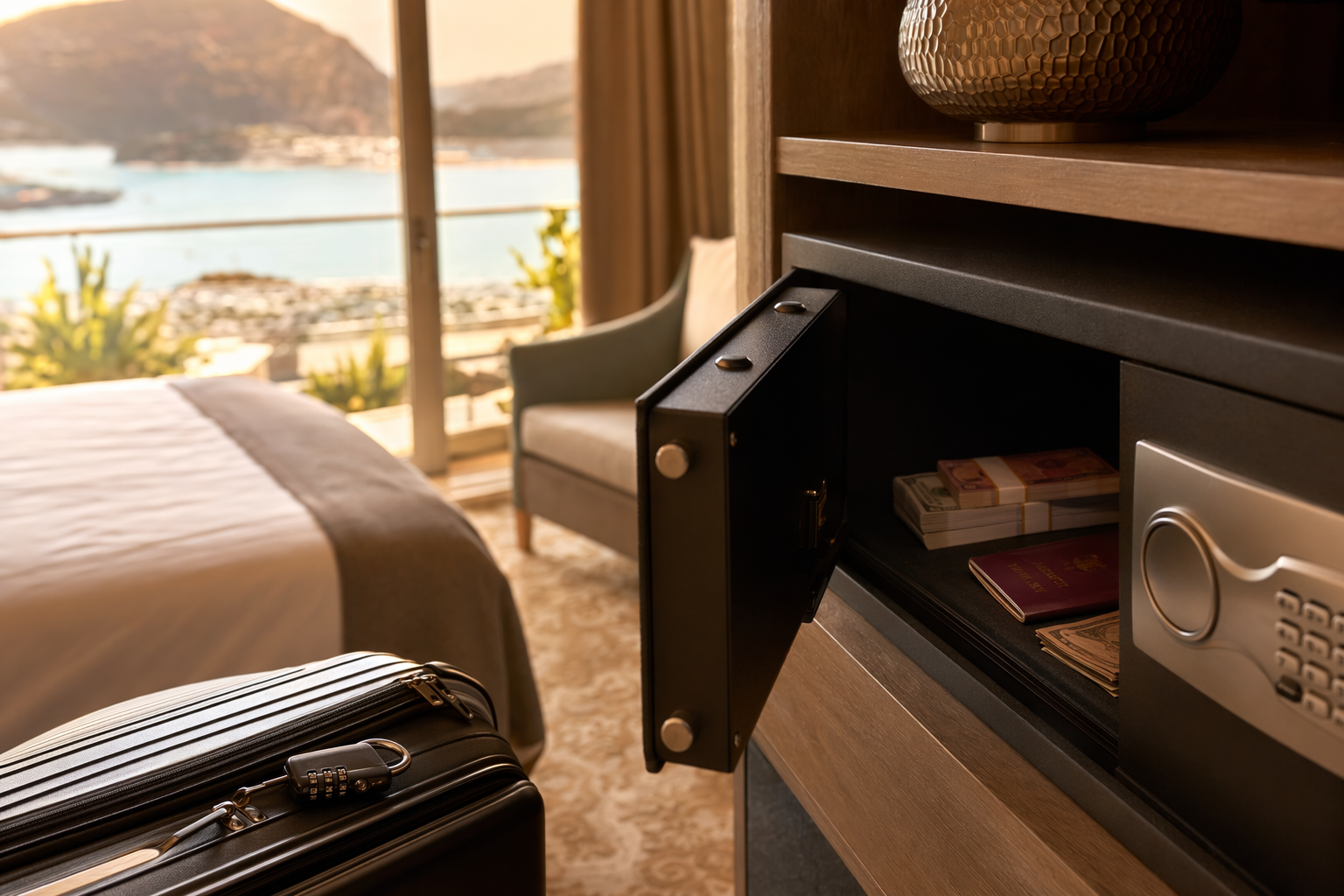
#If you want the quick answer, I’d say this: use the hotel safe for your passport, backup cards, bigger cash, and documents when the hotel feels reliable. Use a luggage lock for low-value backup stuff and to stop casual tampering, not for serious security. And carry only what you need for that day in a slim pouch or front pocket. Sounds boring, but this mix has saved me more than once.
A hotel safe is usually better than a locked suitcase because the suitcase itself can be carried away, opened with force, or sometimes opened with basic tools if it’s a cheap zipper bag. But hotel safes are not magic boxes. Staff may have override access, batteries fail, previous guest codes sometimes don’t reset properly in badly maintained places, and small safes can be removed if someone is really determined. On the other hand, a luggage lock mainly tells a thief, “please try the next bag first.” It is a deterrent, not a vault. I know that sounds dramatic, but after seeing how baggage handlers toss bags at airports and how hostel dorms work, I stopped treating luggage locks like full security.
My first 10 minutes after hotel check-in: boring but it works
#Earlier I used to enter the room, jump on the bed, check the bathroom, connect Wi-Fi, and only then think about safety. Now I do a small routine before I relax. Not military-level, just normal. Door lock working? Balcony accessible from outside? Safe fixed or loose? Cupboard closing properly? Windows latched? Is there a weird connecting door to another room? I also check where I’ll keep my passport before I open my suitcase fully, because once clothes explode everywhere, documents disappear under jeans and charging wires. If I’m setting up the room for a proper stay, I also look at noise, curtains and AC because sleep matters too; this Hotel Room Sleep Checklist: Noise, Light & Temperature Fixes is actually the kind of thing I wish I had followed earlier instead of suffering in rooms with tube-light bright curtains.
- I test the safe with nothing important first: put a sock inside, lock it, unlock it, and see if the keypad behaves properly.
- I keep passport, one backup card, travel insurance copy, and most cash together, not scattered in 9 different “secret” places which I later forget.
- I take a phone photo of the safe locked screen or cupboard area sometimes, just so my brain remembers where I kept things. Sounds silly. Works.
- I never leave documents on the bed “for two minutes” while going down for breakfast. Two minutes becomes checkout panic.
When I trust the hotel safe, and when I don’t
#I trust hotel safes more in proper hotels, business hotels, serviced apartments with good reviews, and decent boutique stays where there is a reception, CCTV in common areas, and housekeeping has some process. In India, a mid-range hotel in Jaipur, Kochi, Mumbai, Bengaluru, Goa, or Delhi charging maybe ₹3,000 to ₹8,000 a night often has basic in-room safes now, though not always. In Southeast Asia, I’ve seen good safes even in ₹2,000-ish guesthouses, and in Europe the room may be tiny but the safe is usually neat if you’re in a proper hotel. Luxury hotels obviously tend to have better systems, but even there I don’t become careless. Rich people also lose things, boss.
I don’t trust the safe blindly in places where the room already feels badly maintained. Like if the door chain is broken, safe is not bolted, keypad buttons are sticky, cupboard smells damp, or the reception guy casually says “sir safe not working, but no problem no problem.” No problem means problem only. In very budget stays, party hostels, beach shacks, dorms, and small guesthouses where many people come and go, I prefer carrying passport in a hidden travel belt or locking it in the main luggage and keeping luggage attached to something if possible. Not perfect, but better than leaving it in a loose drawer.
A simple rule I follow now
#If the hotel safe is bolted, works properly, and the property has decent reviews, I use it for passport and main cash. If the safe looks dodgy, I split valuables: passport on me or in a neck pouch under clothes, some cash in locked luggage, one backup card hidden separately. I don’t keep all cards and all cash in one place anymore. That is the real trick. Not safe vs lock. It’s safe plus lock plus splitting risk.
What luggage locks are actually good for
#Luggage locks are useful, just don’t overestimate them. I use TSA-style combination locks for flights, trains, buses, and hotel rooms. In India, on trains especially, a lock gives me mental peace. If I’m taking an overnight train to Varanasi, Hampi side, or Rajasthan, I still use a small chain lock to attach my bag under the berth. Old-school but effective. On buses in Himachal or Uttarakhand, where luggage goes in the lower hold and everyone’s rucksack looks same after dark, a bright strap plus lock is useful. Abroad too, on airport buses and ferries, locks stop casual hands from quickly opening zips.
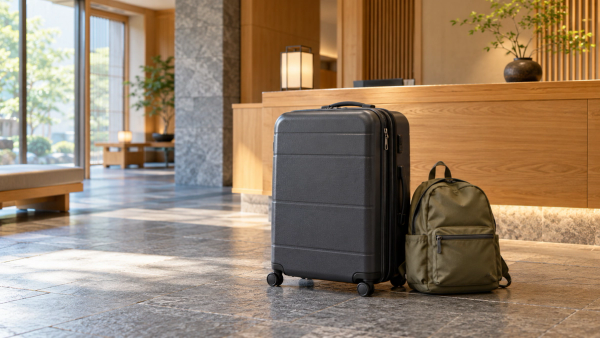
But here’s the not-so-fun part: zipper suitcases can be opened with a pen and then zipped back, cheap locks can be cut, and determined theft doesn’t care about your ₹299 lock from the market. So I keep low-to-medium value stuff inside locked luggage: extra clothes, backup photocopies, spare charger, toiletries, maybe some emergency cash hidden in a boring pouch. I don’t keep passport and all my money in a locked suitcase if I’m staying somewhere where the suitcase can simply vanish. In a private hotel room, a locked suitcase is okay as a second layer. In a hostel dorm, it’s only a basic layer. Use lockers when available.
Passport safety: carry it or leave it in the room?
#This depends on the country and the day plan. Some countries require foreigners to carry ID, some hotels keep passport details at check-in, some places ask for passport for scooter rental or SIM card. I personally avoid giving my original passport to random rental shops. If they insist, I walk away unless it’s a very established operator. A photocopy or deposit is safer. In most sightseeing days, I leave original passport in the hotel safe and carry a printed copy plus a phone scan. I also keep visa page and entry stamp photo saved offline. Not only in Google Drive, because data disappears exactly when you need it. Typical travel comedy.
For Indian passport holders, this is extra important because replacing a lost passport abroad can take time and energy, and you may need police reports, embassy or consulate help, photos, ID proof, and flight changes. I’m not saying panic. Indian missions abroad do help, but you don’t want to spend your Bali or Paris trip sitting in paperwork queues. So before leaving India, I keep passport scan, visa, insurance, flight tickets, hotel bookings, and emergency contacts in one travel folder. If you travel with family, especially parents and kids, a proper organizer makes life easier; this Travel Document Organizer Buying Guide for Indian Families: Passport Holder, Travel Wallet or Folder? covers that whole passport holder vs folder confusion nicely.
Cash safety tips for Indian travellers who still carry cash
#UPI has spoiled us in India. We scan and pay for chai also. But abroad, cash is still very much alive in many places: night markets in Thailand, taxis in some cities, small bakeries in Europe, local buses, temple donations, beach shacks, tips, laundry, and those tiny family-run food stalls where card machine is “not working today” every day. I usually carry a mix: some local currency, a little USD or EUR as emergency backup depending on destination, one forex card, one international debit or credit card, and one Indian card kept separately.
The biggest mistake is carrying all cash in your day wallet. I did this in Vietnam during my early backpacking phase, and every time I paid for banh mi I was basically showing my full trip budget to the street. Stupid. Now I divide cash into three parts: daily spending money in wallet, backup cash in hotel safe, and emergency cash hidden separately in luggage or a secret pocket. Daily wallet should have enough for food, transport, tickets, and one small emergency. Not the full bundle uncle-style.
- Don’t count large cash openly at reception, railway stations, airport food courts, or taxi stands. Go to a corner or your room.
- Use ATMs inside banks, malls, airports, or busy well-lit areas. Random street ATMs late night? I avoid.
- Keep small notes separately. Pulling out big notes for every coconut water or metro ticket attracts attention.
- If travelling as couple or friends, split money between people. Me and my friend learnt this after one wallet went missing in a cab in Kuala Lumpur. We survived because the other wallet had backup cash.
Accommodation type matters more than people admit
#Your safety setup changes with your stay. In India, budget hotels and homestays can be lovely, but safes are hit-or-miss. Hostels in Goa, Rishikesh, Jaipur, Udaipur, Kasol, Kochi and Zostel-style circuits usually provide lockers, but you need your own lock many times. Budget dorm beds can be around ₹500 to ₹1,500 depending on city and season. Private hostel rooms and simple guesthouses may be ₹1,500 to ₹4,000. Mid-range hotels usually sit around ₹3,000 to ₹8,000, and boutique or luxury can go much higher, obviously. During long weekends, Christmas-New Year in Goa, peak winter in Rajasthan, or summer rush in Himachal, prices jump like crazy and cheaper rooms get booked by groups, so you may end up compromising on safety if you book late.
Outside India, the pattern is similar but costlier in many places. In Southeast Asia, decent private rooms can still be affordable, though popular islands and central city areas cost more now. In Europe, even basic rooms can feel expensive for us after converting to rupees, and shared dorms are common for budget travellers. In the Middle East, Singapore, Japan, and big Western cities, hotel standards may be higher but room sizes are smaller and you’ll still need a plan for valuables. Don’t assume expensive means safe, and don’t assume cheap means unsafe. Read recent reviews for words like “theft,” “locker,” “safe not working,” “staff entered room,” “bag missing,” and “location felt unsafe at night.” Reviews tell stories that star ratings hide.
Season and crowd change the risk completely
#People talk about best months to visit for weather, but safety also has seasons. Peak tourist months mean crowded trains, bus stations, beaches, markets, and hotel lobbies. Winter in Rajasthan, festive season in Varanasi, summer in hill stations, December in Goa, cherry blossom time in Japan, Christmas markets in Europe, Songkran in Thailand, big football or music events anywhere — crowds are fun, but pickpockets also like crowds. During monsoon, bags get wet, zippers fail, documents become damp, and you may open luggage in messy bus stands or hotel receptions because plans changed. That’s when things get misplaced.
For Indian travellers, school holidays and long weekends are especially chaotic. Families are checking in together, reception is crowded, everyone is asking for early check-in, and your passport or cash pouch can get left on the counter while you argue about extra mattress. I’ve seen it happen. Not to me, thank god, but to a man in a hotel in Phuket who left his passport at reception after photocopying. Staff returned it, luckily. But that small mistake could ruin a trip.
Transport days are the most dangerous days for documents
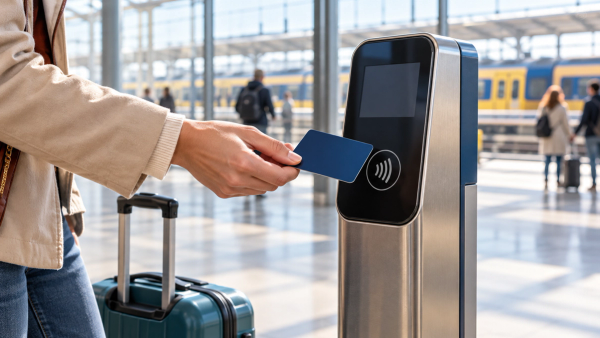
#Hotel rooms are not the only risky place. Actually, I feel transfer days are worse: airport to hotel, hotel to train station, night bus to ferry, metro with luggage, taxi stops, immigration queues, security checks. You are tired, hungry, phone battery low, and someone is asking for passport or ticket every 10 minutes. This is when documents vanish. I keep passport in the same exact pocket on travel days. Not “somewhere in bag.” Same pocket. Every time. After immigration, it goes back there. After hotel check-in, it goes into the safe. Routine beats memory.
In Indian airports, I keep passport or ID and boarding pass in a front pouch till security is done. Abroad, I use a crossbody bag that stays in front, not a backpack pocket. On trains in Europe or Japan, I don’t keep passport in overhead luggage. On Indian trains, I keep ID and phone close while sleeping, and bag chained if it has valuables. On overnight buses, I never put passport in the luggage hold. Never. Keep it on your body, even if the seat is cramped and annoying.
A small note on phones, banking apps and Wi-Fi
#Passport and cash safety is only half the story now. Your phone is basically your bank, map, hotel booking, OTP machine, boarding pass, and family WhatsApp helpline. If someone gets your phone unlocked, the damage can be bigger than losing cash. I use a strong screen lock, keep banking apps protected, avoid saving card photos openly, and I’m careful on public Wi-Fi, especially at airports and cafes. If you’re the type who logs into netbanking while connected to random free Wi-Fi named “AirportFree5G_Final”, please read this once: Airport Public Wi‑Fi Safety vs Mobile Hotspot. Not trying to scare you, but haan, digital safety is travel safety now.
Hotel safe mistakes I see people making
#One funny thing: people lock their passport in the safe and then forget the code. Or worse, they use birth year, 0000, 1234, room number. Please don’t. Use a code you remember but others can’t guess. Before checkout, open the safe before you pack clothes. I repeat, before. Not after calling cab. Not after the hotel boy has taken your luggage down. I have a habit now: phone charger, passport, wallet, bathroom, cupboard, safe. That’s my checkout mantra. I say it like a mad aunty but it works.
Also, don’t put wet items or leaky perfume inside with passport. Don’t keep passport loose between receipts. Don’t leave the safe door open with items visible when housekeeping comes. If the safe gives low-battery warning, call reception immediately and remove valuables till fixed. If staff opens the safe for you because code failed, stay in the room and watch politely. No need to act suspicious, just be present. And if something genuinely feels off, use the hotel’s front desk safe deposit option if available, especially in older properties where room safes are not reliable.
Lesser-known hiding spots: useful or filmy nonsense?
#Travellers love secret hiding spots: inside socks, under suitcase lining, empty shampoo bottle, medicine pouch, sanitary pad packet, old biscuit box. Some are useful for emergency cash, but don’t get too clever and hide money where you’ll throw it away. I once kept emergency euros inside a book and then almost donated the book to a hostel shelf. Genius behaviour. Now I use boring but consistent spots. A flat pouch inside the suitcase lining for small emergency cash. A separate card in my toiletry kit, sealed in a small zip pouch. Photocopies in a document sleeve. Original passport either on me or in safe. Simple.
Please don’t hide passport in random places around the hotel room: under mattress, behind TV, inside pillow cover, above cupboard. Housekeeping may move things, you may forget, and if there is a dispute, it becomes messy. A hotel safe creates a clear boundary. Locked luggage creates a clear boundary. Random hiding places create confusion, especially when you are rushing to catch a 6 am flight.
What to do if passport or cash goes missing
#First, breathe. I know, easy to say. But panic makes you misplace the remaining things also. Recheck all usual places: safe, day bag, bedsheet folds, bathroom shelf, jacket pockets, reception photocopy area, taxi seat, restaurant table. Call the last hotel or cab immediately. If passport is missing, contact local police for a report and reach out to the nearest Indian embassy or consulate for guidance. Keep digital and printed copies ready. For cards, block them quickly from app or customer care. For cash, sadly there is no magic, but travel insurance may help only in specific situations and with proper proof, so read your policy before assuming.
If you’re travelling with family, assign roles. One person handles police or hotel desk, one person checks bags, one person blocks cards, one person keeps kids/parents calm. Indian families can become full parliament in crisis, everyone talking at same time. Don’t do that. Also inform your bank if your forex card or international card is lost. Keep emergency numbers written somewhere offline, because if phone is also gone, then toh full problem.
My personal packing setup now
#After many trips and many small scares, my setup is boring but solid. Passport goes in a slim document wallet with visa papers, insurance copy, and one printed hotel booking. In transit, that wallet stays in my crossbody bag in front. At the hotel, passport and main cash go into the room safe if it passes my basic test. Daily cash goes in a small wallet. One backup card stays separate. Luggage gets a combination lock, and in hostels I use a padlock for the locker. I also carry two photocopies of passport, but I don’t flash them everywhere.
For clothes and normal stuff, I don’t worry too much. If someone steals my old T-shirt, okay, enjoy. But passport, cards, cash, phone, and medicines are non-negotiable. If I’m going out late, to a market, beach party, pub street, crowded festival, or local train, I carry less. If I’m going for a fancy dinner or temple visit where bags may be checked or stored, I plan what to carry. Travel safety is not about being scared of everyone. It’s about not making things easy for the one wrong person.
So, hotel safe or luggage lock?
#My final answer: hotel safe for high-value documents and bigger cash, luggage lock as a second layer, and your body for essentials during transit. Don’t depend on only one method. Split your risk. Read hotel reviews. Test the safe. Carry copies. Don’t keep all cards together. Don’t act rich in crowded places, even if you got a good forex rate and feeling powerful. And please, before checkout, check the safe twice. Thrice if you’re like me.
A good travel safety system is not dramatic. It’s actually boring, repeatable, and slightly aunty-type. But boring habits save holidays.
Honestly, I still make mistakes. I still forget which pouch has coins, I still overpack documents, and sometimes I carry too much cash because Indian brain says “what if card doesn’t work?” But I’ve stopped being casual with passport and money. That one small change makes travel feel lighter. You enjoy the street food, the train rides, the local markets, the hotel breakfast dosa that is never like home but still comforting, without that constant fear in the background. If you’re planning a trip soon, spend 15 minutes on your passport-cash system before you spend 2 hours choosing airport outfit. Trust me, it matters more. And for more practical travel stuff like this, I keep finding useful reads on AllBlogs.in, so haan, worth browsing before your next trip.