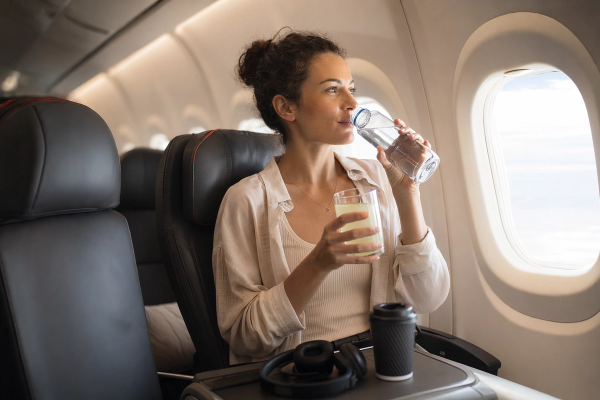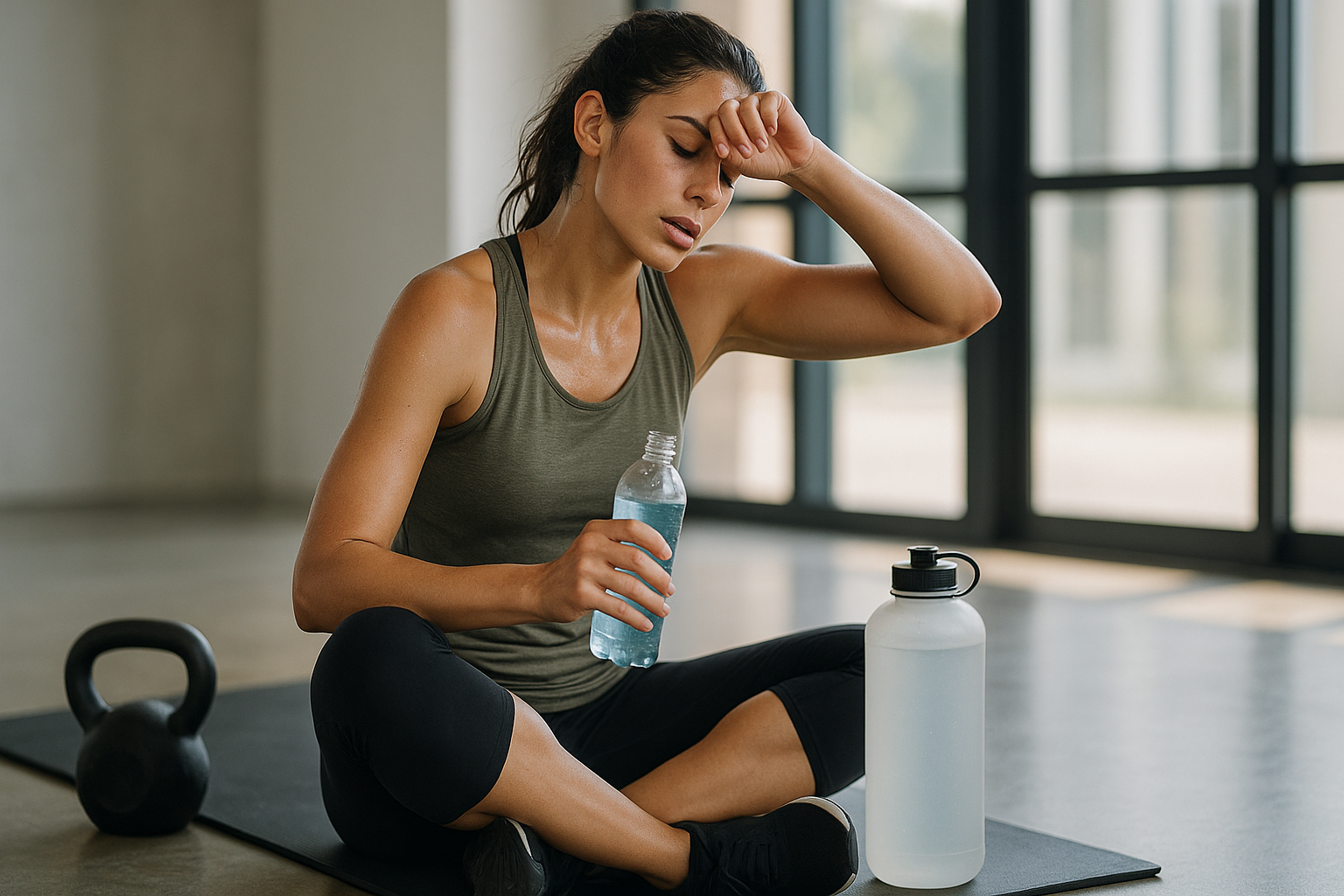
A couple summers ago I did that thing a lot of wellness-minded people do. I got super into hydration. Big emotional support water bottle, electrolyte stickers on my laptop, reminders on my phone, the whole deal. I kept hearing “drink more water” from fitness people, doctors online, random TikTok wellness girls, everybody. So I did. And honestly? I kinda overdid it. One brutal July afternoon after a long walk and some yard work, I drank bottle after bottle of plain water because I thought more = better. Instead of feeling refreshed, I got headachy, a little nauseous, weirdly tired, and just… off. Not dramatic movie-scene collapse off, just unsettling. That sent me down a rabbit hole on summer hydration, overhydration, sodium, electrolytes, sweat loss, and why plain water is amazing until it isn't.
So this post is basically the stuff I wish somebody had explained to me in normal-person language. Not fearmongering, not influencer nonsense, not “just drink eight glasses” like we're all the same size and doing the same things. Bodies are messier than that. Summer is messier than that too. And if you're sweating a lot, exercising, working outside, taking certain meds, or chasing kids at the park for three hours... yeah, hydration gets a little more complicated.
First off: yes, you absolutely need water. But there is such a thing as too much
#This is the part that surprised me. Water intoxication sounds like one of those urban legend phrases, but overhydration is a real thing. The main issue is that if you drink way more fluid than your kidneys can handle, especially in a short period, your blood sodium can get diluted. That condition is called hyponatremia. It's more likely if you're replacing lots of sweat with only plain water, or force-drinking because you think clear pee every second of the day means you're winning at health. You're not, lol.
Healthy kidneys can process a lot, but not infinitely fast. A common rule of thumb people use is that regularly drinking more than around 0.8 to 1.0 liters per hour for several hours can become risky for some people, especially if they're also losing sodium in sweat. That's not a magic cutoff and it depends on body size, health conditions, meds, and activity, but it's a useful reality check. Chugging huge amounts quickly is where people get into trouble.
The goal in summer isn't to drink as much water as possible. It's to replace what you're losing, without washing out the minerals your nerves and muscles need to work right.
How do you know if you need just water... or actual electrolytes?
#This was the bit I used to get wrong. If you're mostly indoors, doing normal daily stuff, eating regular meals, and not sweating buckets, plain water is usually enough. Most people get sodium, potassium, and other electrolytes through food anyway. You do not need a neon sports drink for answering emails in air conditioning. Sorry to the wellness marketing people, but thats true.
Where electrolytes start making more sense is when sweat losses are real. Think long outdoor workouts, hiking in heat, tennis tournaments, summer runs, landscaping, warehouse work, construction, music festivals, endurance events, hot yoga, or even just a day at the beach where you're sweating way more than you realize. Also if you've got vomiting, diarrhea, fever, or you're recovering from a stomach bug, electrolytes can matter a lot more because you're losing both water and minerals.
- You may need electrolytes more than plain water if you're exercising hard for more than about an hour in the heat
- If your clothes have white salt marks after sweating, that's a clue you're losing a decent amount of sodium
- If you get muscle cramps, dizziness, pounding headache, nausea, or feel sloshy and bloated after tons of water, stop and reassess
- If you're sweating heavily and not eating much, plain water alone may not be enough
- Older adults, kids, and people on diuretics or some antidepressants need to be extra careful because hydration balance can go sideways faster
The symptoms can overlap, which is honestly annoying
#One reason people get confused is that dehydration and overhydration can look weirdly similar at first. Headache. Fatigue. Dizziness. Nausea. Low energy. Brain fog. That is not helpful, body, thanks. But there are patterns. Dehydration often comes with thirst, dry mouth, darker urine, feeling hot, maybe a racing heart, and feeling better when you drink and cool down. Overhydration can come with frequent clear urination, puffiness, bloating, nausea, headache, confusion, and feeling worse even though you keep drinking.
And then there are electrolyte-specific clues. Low sodium can cause headache, vomiting, muscle weakness, cramps, irritability, and in severe cases confusion, seizures, and emergency-level symptoms. If someone is confused, very drowsy, vomiting repeatedly, acting strangely after heavy sweating or after drinking massive amounts of water, that is not a “sleep it off” situation. Get urgent medical help. I know that sounds intense, but this is one of those areas where waiting can be dangerous.
What current health advice is leaning toward in 2026
#The more recent sports nutrition and heat-safety guidance has gotten way less obsessed with one-size-fits-all hydration formulas. That's probly the biggest shift I've noticed. The trend now is more personalized hydration: drink to thirst for many everyday situations, monitor how much you're sweating during heavy activity, and replace sodium when losses are high. Wearables and smart rings are now trying to estimate heat strain, sweat rate, and recovery status, which is interesting... though I still think some of that gets a little gimmicky. Helpful maybe, magical no.
There's also been a big 2025-2026 wellness trend around “micro-hydration” and mineral packets, which, in my opinion, is half useful and half marketing circus. Some people genuinely benefit from convenient electrolyte powders, especially athletes, outdoor workers, frequent travelers, and people in extreme heat. But a lot of healthy folks are spending silly money on designer hydration mixes when water plus normal meals would do the job. You don't need a luxury sachet with influencer branding to survive August.
At the same time, public health messaging has gotten louder because heat waves are getting worse in a lot of places. More clinicians are emphasizing hydration plans for vulnerable groups, especially older adults, pregnant people, young kids, and people with heart, kidney, or endocrine conditions. So yeah, hydration advice in 2026 is more nuanced than “just drink more.” Which is good. We needed nuance.
A really practical way to think about summer hydration
#This is the simple framework I use now, because I needed something less chaotic than scrolling 48 contradictory posts. If I'm having a regular day and eating regular food, I drink water when I'm thirsty and make sure my urine is light yellow-ish, not apple juice dark and not crystal-clear all day either. If I'm out in the heat and sweating hard for a long time, I start with water, but I also include sodium from food or an electrolyte drink. If I'm doing a long workout, I don't wait till I'm wrecked to think about it.
- Light activity, normal meals, mostly indoors = mostly water is fine
- Heavy sweating for under an hour = usually water is okay, maybe a salty snack after
- Heavy sweating for over an hour, especially in heat = water plus electrolytes makes way more sense
- Vomiting, diarrhea, or heat illness symptoms = oral rehydration style fluids are often better than plain water alone
- Medical conditions like kidney disease, heart failure, adrenal issues, or meds that affect sodium/water balance = ask your clinician, don't guess
Okay but how much water is actually too much in summer?
#The unsatisfying but honest answer is: it depends. I know, boo. But body size, sweat rate, diet, meds, humidity, heat, and activity all change the answer. What is too much for a petite person sitting indoors might not be enough for a big runner doing a 2-hour trail session. The issue isn't just total daily intake, it's how fast you're drinking it and what else you're losing.
For most healthy adults, there is usually no need to force gallons of water down every day. If you're drinking so much that your urine is constantly fully clear, you're peeing every 20 minutes, you feel waterlogged, and you're still trying to “hit your number,” that might be a sign to back off. A lot of experts now favor a more flexible approach: use thirst, weather, activity, and urine color as guides rather than treating hydration like a punishment challenge.
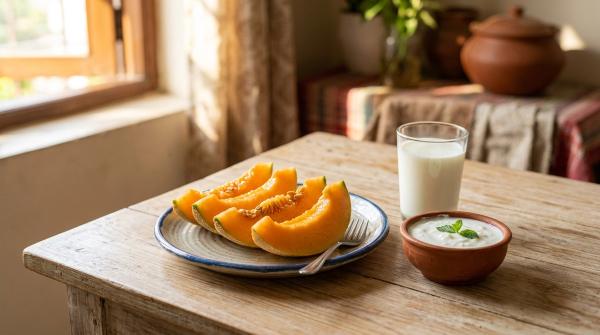
Also, food counts. People forget this all the time. Fruit, yogurt, soups, smoothies, cucumbers, watermelon, even just having regular meals, all of that contributes fluid and electrolytes. I remember one day I was obsessing over ounces while eating basically nothing but a protein bar and coffee, and in hindsight that was not exactly a balanced summer wellness moment.
Electrolytes aren't just sodium, but sodium is the big summer player
#Electrolytes include sodium, potassium, chloride, magnesium, calcium, phosphate. But when we're talking summer sweat losses, sodium is usually the star of the show because sweat contains quite a bit of it, and low sodium is what gets dangerous fast. Potassium matters too, obviously, especially for muscle and nerve function, but for plain old sweaty summer replacement, sodium is usually the main thing people underdo if they're only guzzling water.
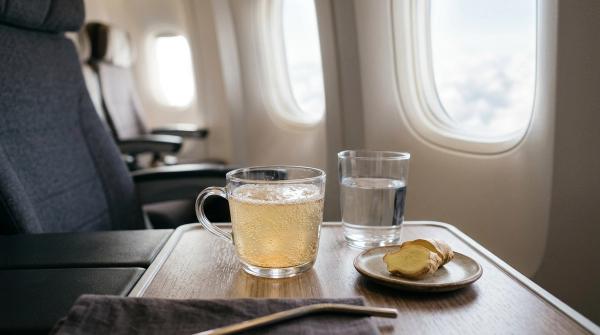
This is why sports drinks, oral rehydration solutions, broth, salted fruit, pretzels, pickles, salted rice, or just normal meals can all be useful depending on the situation. You do not need to overcomplicate this. One of my favorite post-walk combos in a heat wave is cold water, fruit, and something salty. Not sexy. Works great.
Signs I personally use to tell when I need more than water
#I'm not saying these are perfect, but they've helped me a lot. If I come back from a hot run and my shirt has salt lines on it, I know I'm a salty sweater and should replace sodium. If I've had liters of plain water and still feel kind of wrung out, headachey, or crampy, that's another clue. If I don't really want more water but still feel depleted, sometimes what I actually need is food plus electrolytes, not more liquid. Took me forever to learn that, honestly.
- salty skin after a workout
- cramps or heavy-leg feeling after lots of sweat
- headache that doesn't improve with plain water alone
- feeling faint when standing up after being in the heat
- nausea from chugging water, which is such a gross feeling
A quick word on sports drinks, electrolyte powders, coconut water, and homemade fixes
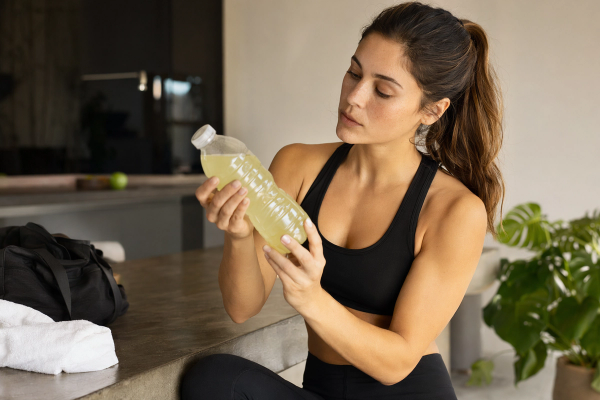
#Sports drinks are fine for long activity or intense heat, but some are basically colorful sugar-water with not that much sodium, while others are super concentrated and can upset your stomach. Read the label. Electrolyte powders can be convenient, especially the ones with a more meaningful sodium amount, but not every person needs them every day. Coconut water is nice and refreshing, and it's got potassium, but it's usually not high enough in sodium to be the best choice after very salty sweat losses. People online act like it's hydration magic. It's not magic. It's just a decent drink in some contexts.
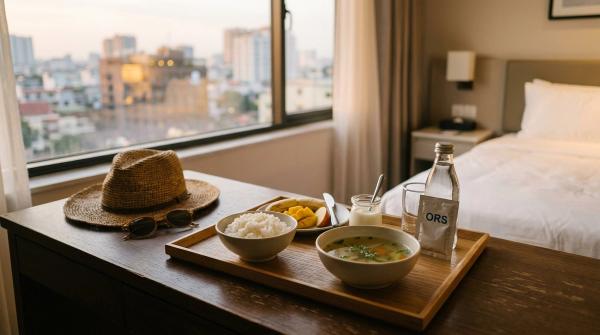
Homemade options can work too. Even simple combos like water with a meal, broth, or an oral rehydration recipe can help when you're depleted. If someone has diarrhea or significant fluid loss, an actual oral rehydration solution is often better than random wellness drinks because the sodium-glucose balance is designed to improve absorption. That's not glamorous, but medicine rarely is.
Who needs to be more careful than the average healthy adult
#This part matters a lot. Some people should not follow generic hydration advice from fitness influencers, full stop. If you have kidney disease, heart failure, liver disease, uncontrolled diabetes, adrenal disorders, or you take diuretics, desmopressin, some SSRIs, certain seizure meds, or other medications that affect fluid and sodium balance, your safe hydration range may be very different. Pregnant people, older adults, and kids also have different risk patterns in heat. And endurance athletes can run into both dehydration and hyponatremia depending on what they do.
So if that's you, please don't use this post as your personalized medical plan. Use it as conversation fuel for talking to your doctor, sports dietitian, or another qualified clinician. I know that's less fun than “five hydration hacks,” but it's the responsible answer.
What I do now on really hot days
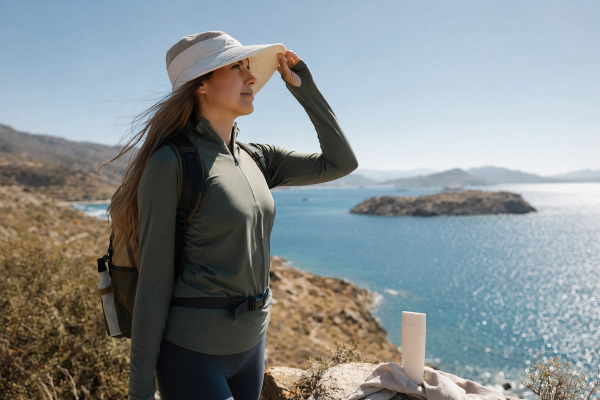
#Nothing revolutionary, tbh. I start hydrated instead of trying to play catch-up at 3 pm. I drink to thirst, but I don't ignore thirst either. I eat actual meals. If I'm outside for a long time, I bring both water and something with electrolytes. If the heat index is ugly, I scale back workouts because no amount of electrolyte powder can out-supplement bad decisions. Been there. Also hats. Shade. Cooling off on purpose. People forget that hydration is only one piece of heat safety.
And maybe this sounds obvious, but if I start feeling weird, I stop. I don't push through dizziness anymore just because some stubborn part of me wants to finish the walk or hit the step goal. Summer health has made me humbler, lol.
The bottom line, if you want the least annoying summary possible
#In summer, too much water is too much when you're drinking beyond thirst over and over, especially quickly, and especially while losing lots of sodium through sweat. If you're active in the heat for long periods, or sick and losing fluids, electrolytes can absolutely matter. Water is still essential, obviously, but it's not the whole story. Think balance, not flooding.
If you notice severe confusion, repeated vomiting, fainting, extreme weakness, seizure-like symptoms, chest symptoms, or signs of heat stroke like hot altered mental status, get medical help right away. And if you're just trying to feel normal in the heat, start simple: water, food, some sodium when sweat losses are high, and less obsession with arbitrary gallon goals. That mindset shift helped me more than any trendy hydration product ever did, and I kinda wish I'd learned it sooner.
Anyway, that's my very human summer hydration rant. Hope it helps a bit if you've ever stared at your giant water bottle wondering whether you're being healthy or just overdoing it. For more wellness reads in a similarly practical, not-too-preachy vibe, you can poke around AllBlogs.in.