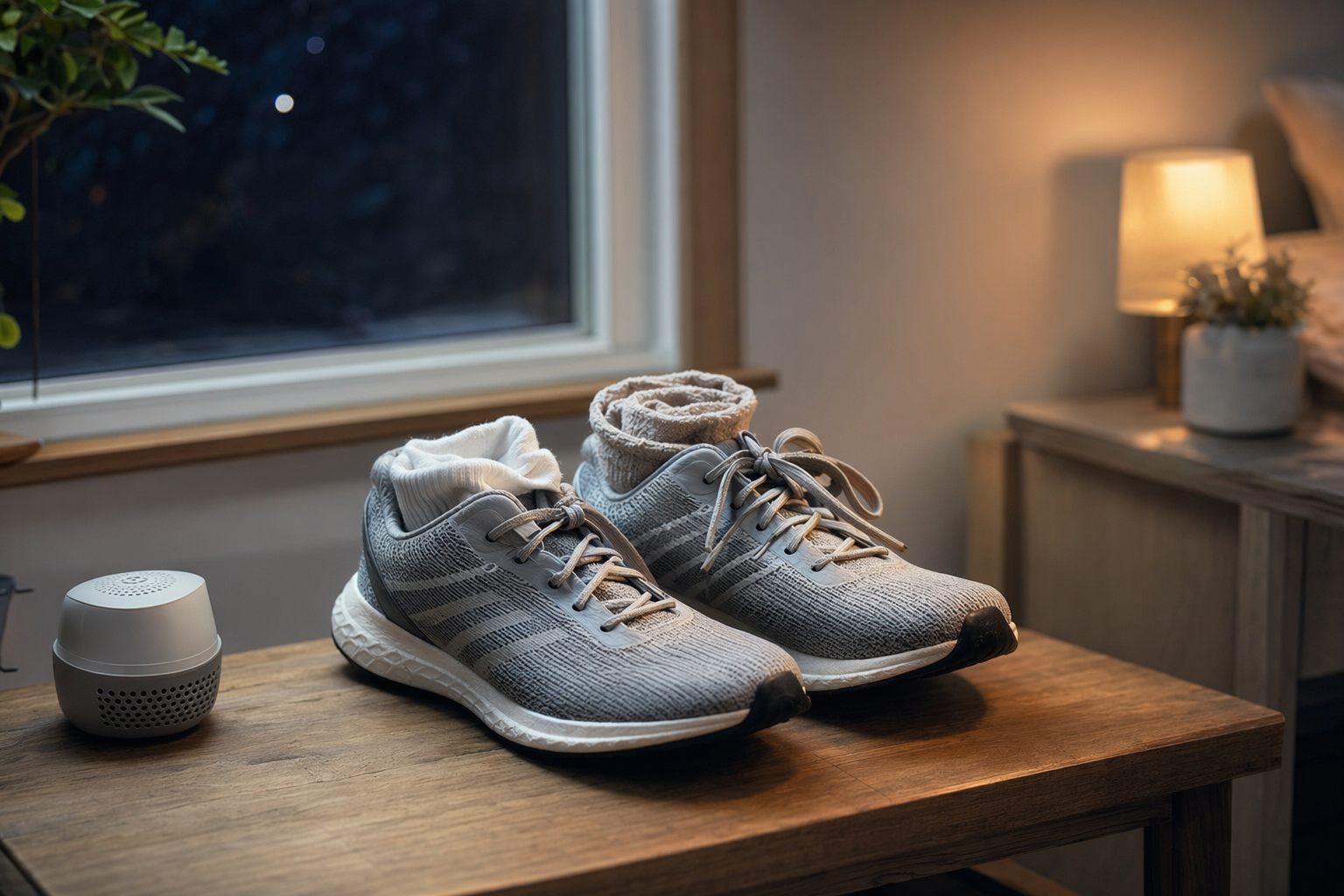
Wet shoes are one of those tiny life problems that feel way bigger than they should. Like, you step in one puddle on the way home, or you get caught in sideways rain, and suddenly your whole evening has a new mission: please, for the love of clean socks, let these shoes be wearable by morning. And not just dry-ish. I mean actually dry, and not smelling like a gym bag that was left in a warm car for three days.
I’ve had to figure this out the annoying way. I used to shove my soaked trainers near a heater and hope for the best, which, spoiler, was not the best. The shoes dried weird, the insoles curled up, and the smell? Somehow worse. There’s a right way to dry wet shoes overnight, and it’s not complicated, but it does need a bit of timing. Basically you want three things working together: remove water fast, move air through the shoe, and stop bacteria from throwing a little stink party in there while you sleep.
First Thing: Don’t Let Wet Shoes Sit Around
#The biggest mistake is doing nothing for a few hours. I know, you come home wet and tired and the shoes get kicked into the hallway like a crime scene. But that soggy, warm inside of the shoe is exactly where odor starts. The smell isn’t really “water smell.” It’s mostly bacteria and fungi feeding on sweat, skin cells, and trapped moisture. Lovely image, sorry. But it helps explain why speed matters.
If your shoes are soaked, start dealing with them within 10 or 15 minutes if you can. Even if you only do the first two steps, it helps a lot. Take them off, open them up, pull out anything removable, and get the standing water out. Don’t wait until bedtime. By then the inside lining has absorbed more water, the insole is swampy, and your chance of having wearable shoes in the morning has dropped a fair bit.
Wet shoes don’t magically become smelly because they got wet. They become smelly because moisture stays trapped in dark fabric and foam for too long.
The Overnight Method I Actually Use
#Okay, so here’s my basic routine. It sounds like a lot written out, but once you’ve done it once, it takes maybe five minutes. Maybe seven if you’re fussing around looking for old newspaper like me, because apparently nobody has newspaper anymore unless you live with someone who still reads the weekend paper and saves every insert.
- Take out the insoles and laces. This is not optional if the shoes are properly wet. Insoles hold a ridiculous amount of moisture, and laces keep the tongue tight, which blocks air.
- Blot the outside and inside with a towel. Don’t rub like you’re sanding furniture. Just press. Microfiber towels are great, but honestly any clean towel works.
- Stuff the shoes with dry paper, but not too tight. Newspaper, packing paper, paper towels, even clean brown paper bags. You want the paper touching the inside, not packed like cement.
- Replace the paper after 30 to 60 minutes. This is the bit everyone skips, and it’s the bit that makes the biggest difference. The first stuffing gets damp fast.
- Set the shoes near moving air overnight. A fan, open window if it’s dry outside, dehumidifier, or a low-heat boot dryer if you have one.
That’s the core method. Paper pulls moisture out by contact, and airflow carries the moisture away. If you only stuff wet shoes and leave them in a still, humid room, they’ll just sit there breathing their own dampness. Gross, but true.
About Newspaper, Paper Towels, and All That Stuffing Business
#Newspaper used to be the classic trick, and it still works really well. The only catch is ink transfer. If your shoes are white, pale grey, beige, or anything you’d be sad to stain, use plain packing paper or paper towels instead. I learned this with white canvas shoes and a very dramatic blue-black smudge on the tongue. It wasn’t the end of the world, but still, annoying.
Don’t use glossy magazine pages. They don’t absorb nearly as well. Don’t use toilet paper unless you enjoy digging little wet clumps out of the toe box the next morning. And don’t overstuff. If you jam paper in too hard, you can stretch the upper or block airflow. Gentle but full is the vibe. Like filling a pillow, not packing a suitcase for a two-week trip.
The Smell Problem: Fix It Before It Starts
#Here’s where people get a bit backwards. They dump baking soda into soaking wet shoes and expect magic. Baking soda can help with odor, sure, but if the shoe is still wet, it can turn into clumpy paste. Not cute. I use odor stuff after I’ve pulled out most of the water, or when the shoes are damp rather than soaked.
My go-to is simple: once I’ve done the first paper change and the shoes feel less swampy, I sprinkle a little baking soda into a coffee filter, tie it closed with a rubber band, and put one sachet in each shoe. That way the powder doesn’t get all over the inside. You can do the same thing with activated charcoal bags, cedar shoe inserts, or those reusable moisture absorber packets made for shoes and gym bags. In 2026, shoe-care shelves are full of these little deodorizing pouches, and honestly some of them are not bad. The charcoal ones are especially handy because you can often recharge them in sunlight.
- Baking soda sachets are cheap and good for mild odor.
- Activated charcoal bags are better if your shoes always smell a bit funky.
- Cedar helps with smell, but it’s more of a freshening thing than a serious drying solution.
- Antibacterial shoe sprays can help, but don’t drown the shoe with spray right after it already got soaked.
Airflow Beats Heat Almost Every Time
#I know it’s tempting to blast wet shoes with heat. Radiator, hair dryer, clothes dryer, oven. Please don’t. Well, okay, a hair dryer on cool or low from a distance can help in a pinch, but high heat is where shoes go to die. Glue softens, leather cracks, foam midsoles warp, rubber can separate, and some waterproof membranes really don’t love heat.
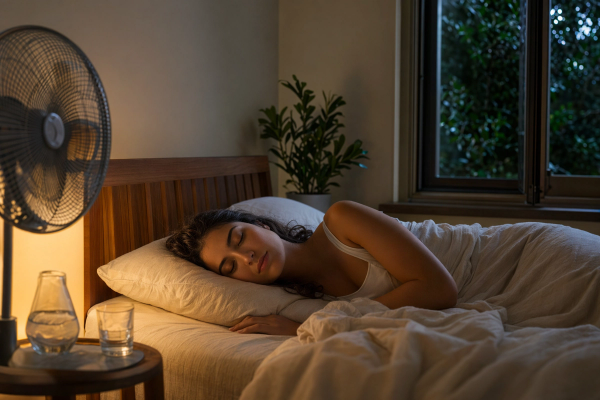
A fan is boring, but it works. Put the shoes on their sides with the openings facing the fan. If you can, lift the tongue up and spread the shoe open. A small desk fan overnight can do more than a heater because it keeps moving humid air away from the shoe. If your room is damp, pair the fan with a dehumidifier. That combo is honestly brilliant. I live in a place where rainy weeks make everything feel slightly wet, even the towels, and the dehumidifier has saved many shoes from becoming biohazards.
What About Boot Dryers?
#Boot dryers are having a bit of a moment, especially the low-heat forced-air ones. You see them more now with runners, hikers, delivery drivers, parents with kids in sports, and anyone who owns winter boots. The good ones don’t cook the shoe. They just push warm-ish air inside, which is exactly what you want. If you regularly deal with wet shoes, a boot dryer is one of those purchases that feels silly until you use it twice and then you’re like, oh, okay, this is staying.
Just check the temperature and the shoe material. Leather, suede, and shoes with glued soles need gentle drying. If the dryer has a no-heat or low-heat setting, use that first. And don’t leave delicate shoes on a hot dryer all night unless the maker says it’s fine. I know that sounds fussy, but replacing shoes is expensive now. Like, weirdly expensive.
Different Shoes Need Different Treatment
#Not all wet shoes are the same. Canvas sneakers are pretty forgiving. Running shoes have foam and mesh that dry fast, but the insole can hold stink. Leather shoes need patience. Suede is a whole seperate headache. Waterproof hiking boots can be tricky because they stop water getting in, but once water does get in, they can also trap it like a little foot aquarium.
| Shoe type | Best overnight drying move | Avoid |
|---|---|---|
| Running shoes | Remove insoles, towel blot, paper stuffing, fan or boot dryer on low | High heat, clothes dryer, leaving insoles inside |
| Canvas sneakers | Paper towels or plain paper, strong airflow, mild deodorizer sachet | Printed newspaper on light colors |
| Leather shoes | Blot gently, use shoe trees or paper, dry at room temp with airflow | Radiators, direct sun, hair dryer heat |
| Suede shoes | Blot only, stuff lightly, dry naturally, brush when fully dry | Rubbing while wet, heat, too much spray |
| Hiking boots | Pull insoles, open tongue wide, boot dryer or fan plus dehumidifier | Drying next to fire or heater |
For leather shoes, I like using cedar shoe trees after the shoe is no longer soaking. They help hold shape and absorb a little moisture, but don’t put them into fully drenched shoes right away and expect them to do all the work. Start with paper first. For suede, be gentle. Blot, stuff, air dry. Then brush the nap when it’s dry. If you brush wet suede aggressively, it can get ugly fast.
The Sock Situation Nobody Talks About
#Sometimes the shoe isn’t the whole problem. It’s the sock. If you wore cotton socks and your feet got wet, those socks basically became wet towels wrapped around your feet. They leave sweat, bacteria, and smell inside the shoe. So if your shoes got soaked, wash the socks right away and don’t stuff them inside the shoes “just for now.” I have done this. I regret it.
Also, if your shoes smell even after drying, look at your sock drawer. Merino blends, synthetic running socks, and moisture-wicking socks can make a huge difference if you’re walking a lot or commuting. Cotton is comfy, but it stays wet. And wet plus warmth plus time equals odor. That’s the little math equation of foot stink.
Can You Put Wet Shoes in the Dryer?
#Short answer: usually no, or at least not if you care about the shoes. Some canvas shoes might survive a dryer on air-only or very low heat, especially if the care label says it’s okay, but many shoes will bang around, shrink, warp, or lose glue. And the noise. My gosh. It sounds like a washing machine full of bricks.
If you absolutely must use a dryer, tie the laces together and shut them in the dryer door so the shoes hang against the inside of the door instead of tumbling. Use air-only or the lowest heat, check often, and stop before they’re fully dry so they can finish with airflow. But honestly, a fan and paper is safer. Less dramatic too.
How to Dry Wet Shoes Overnight If You’re Traveling
#Hotel room shoe drying is its own little sport. You don’t have your normal stuff, the air conditioning is either freezing or useless, and there’s never a fan when you want one. I’ve dried shoes in hotel bathrooms, under desks, near balcony doors, and once with a stack of napkins from a lobby coffee station. Not glamorous, but it worked.
- Ask the front desk for extra towels or newspaper. Some hotels still have papers or packing paper around.
- Use the bathroom exhaust fan if it actually pulls air. Leave shoes open, not shoved in a corner.
- Remove insoles and place them upright against a wall or cup so air hits both sides.
- Don’t put shoes directly on a hotel heater. You don’t know how hot it gets overnight.
- If you have silica gel packets from packaging, toss them into the shoes after blotting. They won’t dry soaked shoes alone, but they help.
One travel trick I love: pack a couple of empty mesh laundry bags or lightweight shoe bags. If shoes get wet, you can separate them from clothes and still let them breathe. Plastic bags trap moisture and smell. Sometimes you need a plastic bag for transport, fine, but take the shoes out as soon as you can.
What Not to Put in Wet Shoes
#The internet has some wild advice. Some of it works, some of it is chaotic, and some of it will make your shoes worse. Rice, for example. People love suggesting rice for anything wet because of phones, but for shoes it’s messy and not that effective unless you’re using a huge amount in a sealed container. Even then, paper and airflow are easier. Cat litter can absorb moisture, but I personally do not want litter dust in my shoes. Maybe that’s just me being precious, but no thanks.
Essential oils are another one. A drop or two on a cotton ball near the shoe can smell nice, but don’t pour oils into the shoe. Oils can stain fabric, irritate skin, and mask odor without fixing moisture. Same with perfume. Spraying perfume into damp shoes is like putting a scented candle next to a trash can. Technically more fragrant, spiritually worse.
If Your Shoes Already Smell Bad
#Okay, so what if the damage is done and your shoes smell like old rain and locker room? First, dry them completely. Don’t try to deodorize wet shoes before you’ve dealt with moisture. Once dry, remove insoles and smell them separately. Sorry, but yes. Often the insole is the villain. If removable insoles smell terrible and won’t recover, replace them. It’s cheaper than replacing the whole shoe and makes a shockingly big difference.
Then use a shoe-safe disinfecting spray or odor spray lightly, according to the label, and let everything dry again. You can also put dry shoes in a sealed bag and freeze them overnight, which may reduce some odor-causing bacteria, although it’s not a miracle cure. I’ve tried it. It helped a little, not life changing. Sunlight can help too, but direct hot sun can fade and damage some materials, so don’t bake expensive shoes on concrete all day.
My “Oh No, I Need These Tomorrow” Emergency Plan
#This is what I do when I need the shoes wearable by morning and they’re genuinely wet. First, towel press. Then I pull everything apart: insoles out, laces loose, tongue lifted. I stuff with paper for 45 minutes while I eat dinner or pretend to do laundry. Then I replace the paper and set the shoes in front of a fan. If the weather is humid, I run the dehumidifier in the same room. Before bed, I check the paper again. If it’s damp, I swap it one more time. Then I add charcoal bags or baking soda sachets, not loose powder.
In the morning, if the shoes are 90 percent dry but the toe still feels cool, I wear thin moisture-wicking socks and give the shoes another 10 minutes near the fan while I get ready. Is that perfect? No. But it’s real life. Sometimes you don’t need museum-level dryness, you need “can walk to work without feeling like you stepped into soup.”
A Few Prevention Habits That Save You Later
#Drying wet shoes overnight is useful, but preventing the full disaster is better. If you live somewhere rainy, rotate shoes when you can. Wearing the same pair every day doesn’t let them dry fully between uses, even if they don’t look wet. That’s one reason everyday shoes develop that permanent funk. Give shoes 24 hours off when possible. I know not everyone has a giant shoe collection, me neither, but even two pairs you rotate can help.
- Use a water-repellent spray on canvas, suede, or leather when appropriate, and reapply after heavy wear.
- Keep a small towel or absorbent cloth near your entryway during rainy months.
- Pull insoles out after sweaty workouts, not just after rain.
- Store shoes somewhere ventilated, not buried in a closed plastic bin.
- Wash or replace insoles before the smell becomes permanent. Future you will be grateful.
Waterproof sprays have gotten better, and a lot of brands now make lower-odor, water-based options. Still, test on a hidden spot first, especially with suede or pale colors. I’ve ruined one pair of tan shoes by being too confident with spray. Confidence is not a care instruction, apparently.
The Overnight Drying Formula, Super Simple
#If you remember nothing else, remember this: open, absorb, airflow, deodorize. Open the shoe by removing laces and insoles. Absorb the water with towels and paper. Add airflow with a fan, boot dryer, or dehumidifier. Deodorize only after the shoe is not soaking wet. That’s it. Not fancy. Not expensive. Just a tiny bit of effort at the right time.
And please don’t punish your shoes with extreme heat. I know it feels faster, but faster isn’t always better. You can dry a shoe and accidentally wreck it at the same time. The goal is wearable tomorrow, not crispy, warped, and smelling faintly of burnt rubber.
Final Thoughts From Someone Who Has Dried Too Many Shoes
#Wet shoes are annoying, but they don’t have to become smelly shoes. Most of the battle is getting moisture out early and giving the shoe room to breathe. The paper trick still works, fans are underrated, insoles need way more attention than people give them, and baking soda is helpful only when you use it sensibly. It’s not glamorous advice, but it’s the kind that actually saves your morning.
So next time you come home with soaked sneakers, don’t just kick them off and hope. Pull them apart, blot them, stuff them, swap the paper, and let air do its thing overnight. Your shoes will last longer, your hallway won’t smell weird, and your socks won’t recieve that damp little surprise at 7 a.m. And if you like practical, slightly obsessive home fixes like this, have a wander through AllBlogs.in sometime. There’s usually something there that sends me down a useful rabbit hole.