
I used to think a “proper” trip meant doing everything. Wake up early, tick off 8 places, 43 photos, one overrated cafe from Instagram, then come back to hotel half-dead and call it memorable. But honestly? That kind of travel started feeling like office work in nicer clothes. Slow travel changed that for me. And if you’re planning just 7 days, trust me, it’s still enough. More than enough actually, if you stop trying to win at travel.
This post is for people who want a one-week trip that feels human. Not rushed. Not packed so tight that even breakfast becomes a task. I’m writing this like I’d explain it to a friend on chai, so yeah, it’ll be practical but not robotic. I’ve travelled like this in places where the magic only showed up once I stopped hurrying, sat in one market for an hour, or kept one whole evening free just to wander. That’s when a place starts talking back, you know?
First thing — what slow travel actually means in a 7-day plan
#Slow travel does not mean doing nothing. A lot of people assume it’s lazy travel, like just sleeping in a homestay and posting “healing” stories. Nah, not that. It means giving enough time to a place so you can notice its rhythm. Instead of covering 4 cities in 7 days, you stay in one base or maybe two max. You walk more. Repeat one cafe if you like it. Talk to the uncle running the tea stall. Leave empty space in your plan. That empty space is where the good stuff happens, weirdly enough.
- Pick one main destination, not a whole state map
- Stay at least 3 to 4 nights in one area
- Plan only one major thing per day
- Keep half-days free for rest, local food, markets, random detours
- Use trains, buses, walking, cycles or local autos where practical — the journey matters too
For Indians especially, slow travel can feel a bit unnatural at first because family trips usually become military operations. “Jaldi karo, next point dekhna hai.” I get it. I grew up on that too. But after a point I realised I was seeing places, not experiencing them.
Before you plan the 7 days, choose the right kind of destination
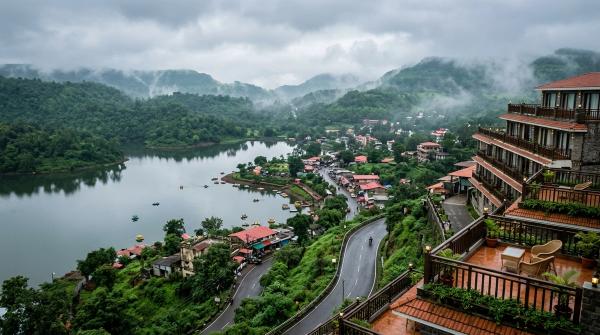
#Not every place works equally well for slow travel. Some places are built for speed tourism — big monuments, quick city breaks, loud schedules. For a 7-day slow itinerary, choose somewhere with layers. A town or region where daily life itself is interesting. Think along the lines of Goa beyond party strips, Gokarna, Pondicherry, Jaipur with old city walks, Fort Kochi, Dharamkot, Jibhi, Udaipur, Hampi, Varkala, Kumaon villages, even parts of Shillong or Sikkim if you don’t overstuff it.
My personal bias? Coastal towns and mountain villages are easiest for beginners. Cities can work too, but only if you resist the temptation to turn every neighbourhood into a mission. Also, check practical things before romanticising a destination. Weather, road conditions, local transport, internet if you work remotely, and whether the area is dealing with closures or seasonal issues. Hill roads in monsoon can get messy. Beach towns in peak holiday season can become noisy and expensive. Some places look peaceful on reels and then boom, traffic jam and EDM at midnight.
A quick way to shortlist your destination
#- Ask yourself what pace you want — sea, hills, heritage town, forest, cafe town, village stay
- See travel time from your city. If it takes 14 hours to reach and 14 to come back, your 7 days are already shrinking
- Check season honestly, not emotionally. Don’t force a destination just because the photos are cute
- Look at stay options in one cluster so you don’t keep shifting hotels
- Read recent reviews from the last 2-3 months, specially about safety, cleanliness, road access, and noise
The basic framework I follow for a 7-day slow travel itinerary
#This is the part that saved me from overplanning. I divide 7 days into arrival, settling in, exploring, breathing, and leaving. That’s it. Sounds silly maybe, but it works beautifully. Most people forget settling in and breathing are also part of travel. Then they wonder why they are tired on day 3.
| Day | Focus | How busy it should be |
|---|---|---|
| Day 1 | Arrival + check-in + short walk | Very light |
| Day 2 | Local area exploration | Light to moderate |
| Day 3 | One deeper experience | Moderate |
| Day 4 | Rest day or flexible day | Very light |
| Day 5 | Second meaningful outing | Moderate |
| Day 6 | Local life, food, shopping, reflection | Light |
| Day 7 | Slow morning + departure | Very light |
That table is basically the whole philosophy. Day 1 and Day 7 should not be ambitious. Please don’t land somewhere at noon and plan a sunset point, heritage walk, famous cafe, and night market all on the same day. I’ve done this. Stupid idea. You end up cranky, hungry, and fighting with your own backpack.
A sample 7-day slow travel itinerary you can adapt anywhere
#Let’s make this real. Say you’re doing a slow trip to a place like Fort Kochi, Udaipur, Varkala, or a calm hill town. The structure below works almost anywhere with a few local tweaks.
Day 1: Arrive, do less, notice more
#Reach your destination and just settle in. Choose accommodation where you can walk to at least a few cafes, local shops, or a viewpoint. That matters a lot. On day one, your only job is to arrive and become present. Unpack a little. Take a bath. Have one proper meal. Then go for a small walk near your stay. No pressure to “cover” anything. If there’s a beach, sit there. If there’s a bazaar, do one round. If it’s a heritage town, just walk lanes and look at doors, sounds, smells, silly little details. Day one should feel like exhale.
Day 2: Explore your immediate area properly
#This is where most people rush to a major attraction, but I’d say stay nearby first. Do the old town, the fishermen’s harbour, the local fort road, the morning market, the temple street, the village path — whatever your destination naturally offers. Eat breakfast at a local place, not somewhere with neon signs shouting artisan smoothie bowl. Talk to people if the vibe is open. Slow travel starts when the place stops feeling like backdrop and starts feeling lived-in.
One thing I do is keep a “three-stop rule” for the day. Only three anchors. Example: one morning walk, one local lunch spot, one evening viewpoint. Bas. Everything else is bonus.
Day 3: One deeper experience, not ten mini ones
#Pick one meaningful activity. Maybe a cooking class, village tour, backwater ride, museum, forest hike, craft workshop, cycling route, or food trail. This is the day to spend a little more time and maybe a little more money on something immersive. Recently, travelers in India are choosing exactly these kinds of experiences more than hyper-packed sightseeing, and honestly I’m glad. Community-led walks, farm stays, artisanal food experiences, kayaking, heritage storytelling tours — these are growing because people are tired of shallow tourism.
If safety is on your mind, which fair enough it should be, book activities through well-reviewed operators or stays with recent feedback. Women travelers especially should check return timings, local transport after dark, and whether the route is isolated. Most popular slow-travel places in India are generally manageable if you use common sense, but don’t get too dreamy and switch off your brain. I’ve almost done that once and had to scramble for a late cab in a poorly lit area. Not fun.
Day 4: Leave the day intentionally underplanned
#This is the magic day. Sleep a bit extra. Read. Sit in a cafe during rain. Wash some clothes if needed. Journal if you’re into that, or just stare at mountains dramatically, that also counts. Maybe rent a scooter or cycle for a tiny route with no big agenda. Maybe don’t. A free day in a 7-day itinerary sounds wasteful on paper, but on the trip it becomes the day you actually absorb everything.
The best 7-day slow travel plan has breathing room. If every hour is booked, you’re not travelling slowly, you’re just moving slower between obligations.
Day 5: Do your second major outing, but keep the evening free
#By day five, you know the place a bit. So now go slightly farther. Maybe a day trip to a nearby village, waterfall, island, fort, vineyard, hidden beach, monastery, stepwell, or nature trail. The trick is not to stack this with too much else. Come back before you’re fully drained. Have chai somewhere local. Watch people. If there’s a cultural event, live music night, sunset cruise, local fair, or seasonal festival happening, this is a nice day for it.
And yes, do check what’s currently happening in the destination. Weekend flea markets, temple festivals, art fairs, food pop-ups, monsoon walks, winter birding, year-end crowd spikes — these things can totally change your experience and budget. Some places now also ask for online permits, eco fees, or have timing restrictions in protected areas. It’s not dramatic, just worth checking before you go.
Day 6: Eat well, buy local, revisit a place you liked
#I love day six. There’s no first-day anxiety left. You know which chai stall is good, which lane smells amazing in the morning, where the crowd gets annoying, where to sit quietly. This is the day to revisit your favourite corner. Slow travel isn’t always about newness. Repeat can be lovely. Have that same appam place again, or that same poha-jalebi breakfast, or the momo stall where the aunty smiled at you like you belonged there.
Do your shopping now, but keep it sensible. Buy from local makers if possible — spices, textiles, pottery, handmade snacks, regional pickles, tiny art prints, woven bags, local coffee, that sort of thing. In a lot of Indian destinations, this direct local spending matters more than people realise. Tourism is booming in many domestic circuits, but locals don’t always benefit equally if everyone only books chain hotels and eats at trendy franchise cafes.
Day 7: Don’t ruin the ending by rushing out
#Last day should be soft. Wake up early only if it feels nice. Take one final walk. Eat a proper breakfast. Keep buffer time for check-out and station/airport transfer because, well, India. Traffic can decide to become a villain whenever it wants. If you’re in a hill region, start earlier than you think. If it’s a beach town in peak season, getting a cab can be weirdly difficult. If you’re taking a train, bless your soul and keep snacks.
Budgeting a slow 7-day trip without being too kanjoos or too flashy
#A nice thing about slow travel is that it can actually be cheaper than fast travel. Fewer transfers, fewer impulse bookings, less panic spending. Your main costs are stay, food, local transport, and one or two paid experiences.
| Style | Stay per night | Food per day | Local transport per day | Total for 7 days approx |
|---|---|---|---|---|
| Budget | ₹1,200 to ₹2,500 | ₹500 to ₹900 | ₹300 to ₹800 | ₹14,000 to ₹28,000 |
| Mid-range | ₹3,000 to ₹6,500 | ₹900 to ₹1,800 | ₹500 to ₹1,500 | ₹30,000 to ₹60,000 |
| Comfort+ | ₹7,000 and above | ₹1,800+ | ₹1,000+ | ₹65,000 and above |
These are rough India-friendly ranges, obviously destination changes everything. Goa in a holiday week? Different story. Off-season in a small town? Better deals. Homestays are still one of the best choices for slow travel because they give you local context and often better food. Hostels also work if you want company, but choose carefully. Some “workation” hostels are peaceful, some are just 24/7 networking events in disguise, which personally sounds tiring yaar.
Where to stay for slow travel — probably the most important decision
#If you ask me what makes or breaks a slow itinerary, it’s accommodation location. Not luxury. Location. Stay in a walkable area with character. Near a local market, beach lane, old quarter, lake road, village center, or cafe strip that still feels authentic. If your hotel is 12 km away on some random highway stretch because it was ₹700 cheaper, you’ll spend more time arranging transport than enjoying the place.
- Choose stays with at least 20-30 recent reviews and read the lowest ratings too
- Check if power backup and Wi-Fi are reliable, especially in remote hills or islands
- Ask about hot water timings, parking, late check-in, and road access before booking
- For women or solo travelers, ask directly about neighborhood safety after dark
- If possible, stay 5 to 6 nights in one place instead of shifting twice just for variety
Season, safety, transport, food — the practical stuff people forget
#Best season depends on destination, obviously, but here’s the broad thing. Hills are lovely in spring and post-monsoon, but monsoon landslides are real in some belts. Coastal places are great after the heavy rains and before peak holiday madness. Heritage cities are best in cooler months unless you enjoy being roasted gently all afternoon. Shoulder season is underrated by the way — fewer crowds, lower rates, softer energy.
Transport-wise, I like trains whenever possible because they force you to slow down a bit. Overnight trains save hotel money too, though let’s not romanticise upper berths too much. For local movement, auto, rented scooter, cycle, and walking are ideal if the area supports it. App cabs work in bigger towns but can be patchy in remote places. Buses are cheap and very local, but if you’re carrying luggage or arriving late, maybe don’t test your patience on day one.
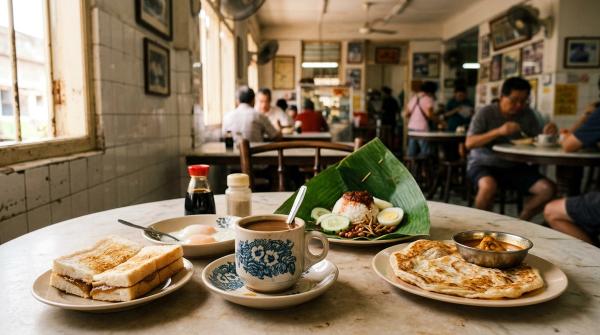
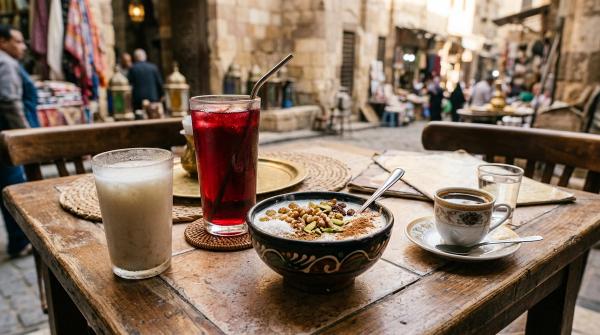
Food is a huge part of slow travel, maybe the best part. Eat regionally when you can. In coastal Karnataka, go for fish meals or neer dosa. In Kerala, appam-stew, puttu, thali meals. In Rajasthan, kachori, pyaaz ki sabzi, laal maas if you eat meat. In the mountains, local rajma, siddu, thukpa, millet dishes depending on region. Don’t just search “best cafe near me” and end up eating the same white sauce pasta in every state. No hate, but come on.
Common mistakes that quietly destroy a slow travel trip
#I’ve made most of these, so this is me saving you from your own enthusiasm.
- Booking too many stays in one week. Two bases max, one is even better
- Planning every meal and every attraction beforehand. Leave room for mood
- Ignoring travel fatigue on arrival day
- Choosing “famous” over “nearby” all the time
- Not checking local realities like heat, cash availability, patchy network, permits, weekly closures
- Trying to copy someone else’s itinerary exactly. Their energy, budget, and interests are not yours
Also, one slightly unpopular opinion maybe — not every trip needs to be transformational. Sometimes a slow trip is just good sleep, fresh food, long walks, and feeling normal again. That’s enough. More than enough, actually.
So, what should your final 7-day slow itinerary feel like?
#It should feel spacious. A little repetitive in a comforting way. Rooted in one place. You should know the turn to your guesthouse without Maps by day three. You should have one tea stall, one meal, one face in town you recognise. You should come back with fewer photos maybe, but stronger memories. Not “we covered everything”, but “we really got that place a bit.” That’s the win.
If you’re planning one soon, keep it simple. One destination. One good stay. A few meaningful activities. Plenty of air in the schedule. Honestly, in a world where everyone is in a hurry even on holiday, travelling slowly for 7 days feels almost rebellious... and kinda healing too. I’ve started planning more trips this way and I don’t think I can fully go back now, not even in 2026 if travel trends become even faster and flashier.
Anyway, hope this helped you build a week that feels less like a race and more like a real journey. If you like this kind of practical-but-personal travel writing, you can browse more stories and guides on AllBlogs.in.