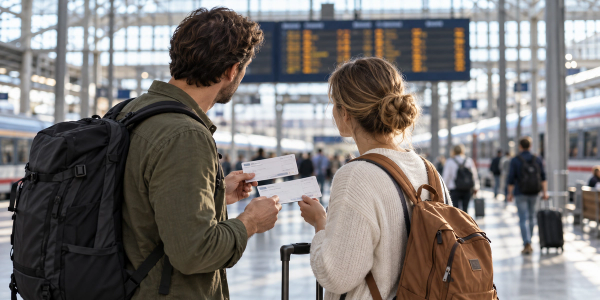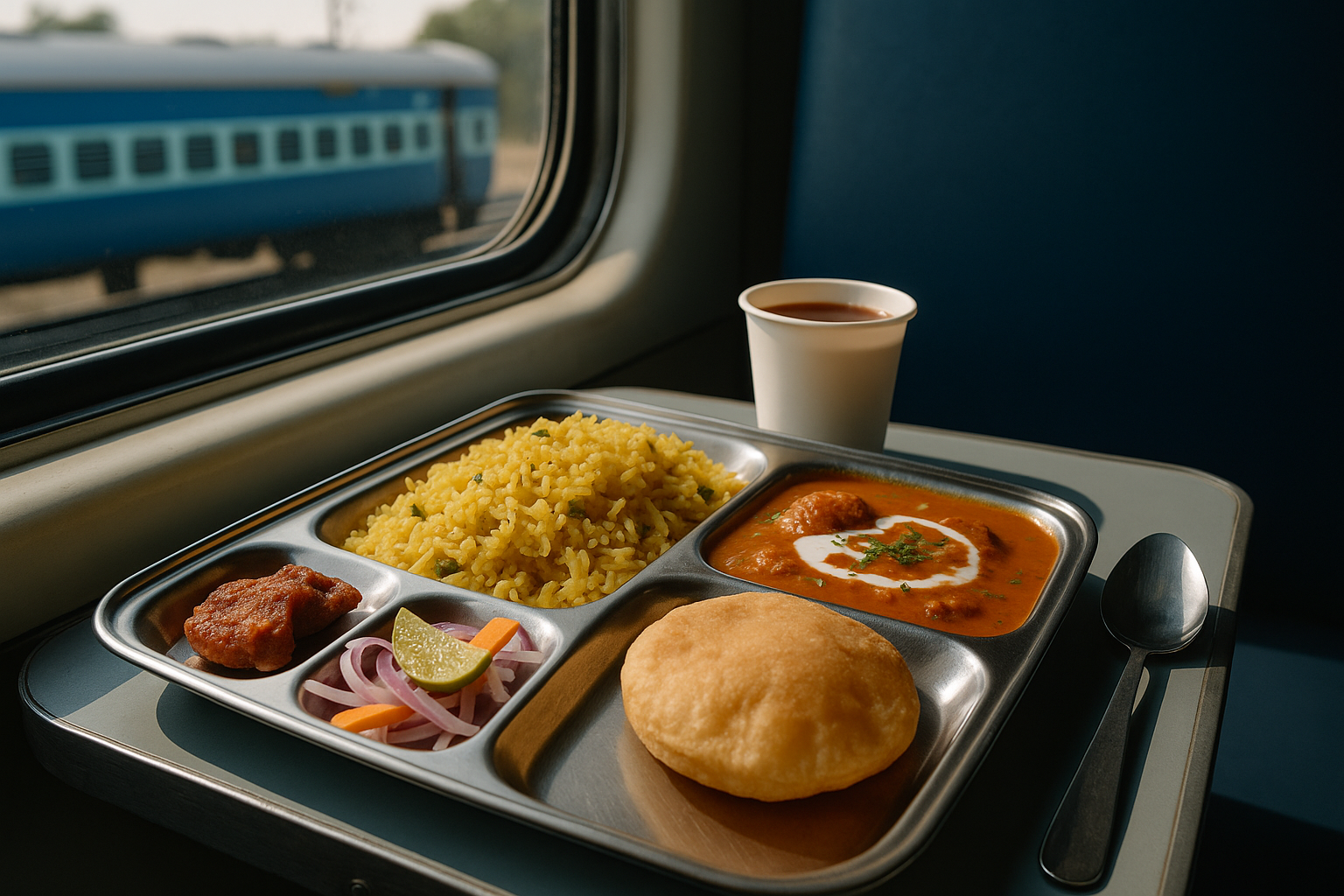
There’s a very specific kind of hunger that happens on Indian trains. Not normal hunger. Train hunger. The kind that starts somewhere after the second chai, grows stronger when somebody in the next bay opens a foil packet of parathas, and then suddenly you’re considering buying literally anything from a guy yelling "cut-let, cut-let, veg cut-let!" at 6:40 in the morning. I’ve done enough rail journeys across India now to say this with confidence: railway food can be weirdly comforting, surprisingly good, occasionally terrible, and sometimes... honestly, a gamble. So this is my no-nonsense, slightly emotional guide to what to eat and what maybe to skip.
Also, Indian train food has changed a lot. Like, properly changed. It’s not just pantry car mystery curry anymore. Over the last few years, and especially going into 2026, ordering food to your seat through IRCTC eCatering has become way more normal, and stations now often have access to branded chains, regional specialists, cleaner packaging, QR menu systems at some stops, and even millet-heavy, high-protein, “healthy travel meal” options because apparently all of us are trying to be virtuous on trains now. Some routes are still old-school, though, and honestly that’s part of the charm too.
First things first: the basic rule I wish someone had told me earlier
#If it’s piping hot, freshly cooked, and has high turnover, I’m interested. If it’s lukewarm, sitting around, mayo-heavy, dairy-heavy, cut fruit exposed to platform dust, or looks like it’s been on a spiritual journey of its own... no thanks. This one rule would’ve saved me from one very sad sandwich near Jhansi in 2024. Me and my stomach still talk about it. Not fondly.
- Best bets are usually hot chai, fresh idli-vada, poha, upma, omelettes from trusted stalls, branded snacks, sealed water, and properly packed eCatering meals
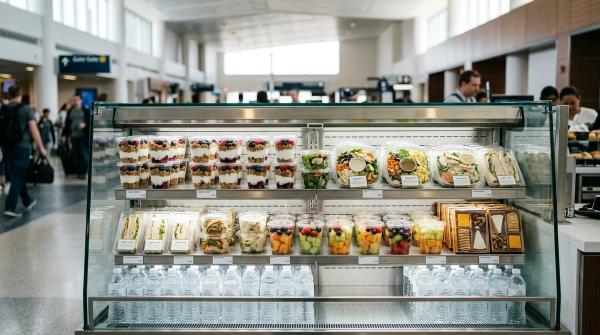
- Riskier stuff is cut fruit from random platform carts, old cream biscuits opened and repacked, limp sandwiches with mystery filling, uncovered chutneys, and rice meals that are neither hot nor recent
- If a vendor is handling cash, food, and wiping surfaces with the same cloth... yeah, maybe walk away
What I almost always say yes to on Indian trains
#Let me start with the happy part. There are foods I get genuinely excited about when I travel by rail in India. Morning chai in those tiny cups, for one. It’s not fancy, not artisanal, not some single-origin thing, but on a cold platform in Kota or Itarsi it can taste like life itself. Add a hot samosa or kachori from a busy, reputable station stall and suddenly you’re not just travelling, you’re participating in one of the great Indian rituals.
Breakfast foods are often the safest and, weirdly, the most lovable. On southern routes, especially around Tamil Nadu, Karnataka, Telangana, Andhra Pradesh and Kerala-linked journeys, I trust idli-vada more than almost anything else because when it’s fresh, it’s steamed or fried, it’s simple, and it usually moves fast. Some of my best train breakfasts have been idli with decent sambar at stations where I had exactly four minutes to get off, panic, buy, and jump back in while pretending I was calm. I was not calm.
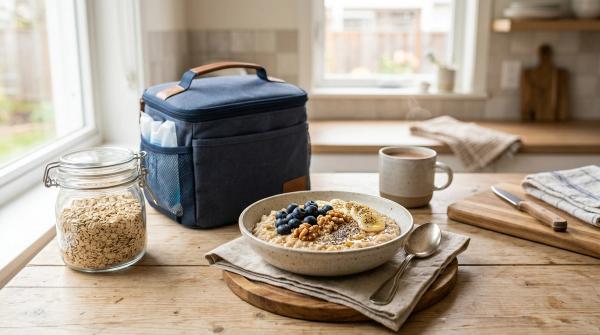
Poha is another winner, especially in Madhya Pradesh and Maharashtra sectors. If it’s hot, fluffy, with peanuts, sev, coriander, a squeeze of lemon... ah man. Lovely. Same with upma if it hasn’t gone dry. And then there’s bread omelette. This is where I become slightly contradictory because railway omelettes can be excellent or deeply regrettable. But when made fresh on a platform by someone who clearly does 200 of them a morning? Absolutely yes. Salt, green chilli, too much pepper, cheap bread toasted on a greasy griddle. Perfect. Don’t overthink it.
The eCatering thing is actually a game changer now
#Okay so if you haven’t used IRCTC eCatering recently, you probably should. It’s one of the biggest changes in train food culture, and in 2026 it’s become less of a niche planning hack and more of a regular traveler habit. You can order meals from approved restaurant partners to your seat at selected stations, and on many major routes there’s a much bigger mix now: thalis, biryani, Jain meals, millet bowls, sandwiches from chains, regional combos, even sweets from known local brands in some cities. It’s not perfect everywhere, and a few deliveries still arrive five minutes before departure which is stressful beyond reason, but overall? Massive improvement.
I used it on a Delhi to Varanasi run and ordered a proper veg thali instead of rolling the dice on pantry food. It arrived hot, labelled, packed decently, and with less oil than I expected, which in train food terms is basically a miracle. On another trip toward Nagpur I ordered biryani and got one of those neat, sealed packs with raita separate. Not amazing-amazing, but solid. Reliable. And honestly reliability is underrated when your nearest backup plan is a dusty packet of chips and emotional damage.
My current train-food philosophy is pretty simple: romance the chai, respect the station breakfast, and outsource lunch to eCatering when you can.
Regional stuff you absolutely should try, if timing and hygiene line up
#This is where train travel in India becomes really fun for food people. Every major route gives you little edible clues about where you are. Passing through Rajasthan? Kachori and mirchi vada are calling. Gujarat side? Thepla travels ridiculously well, and farsan snacks make so much sense on long trips. West Bengal routes can give you cutlets, patties, and sometimes really nice sweets from known shops if you order smart. Bihar and eastern UP sectors often have litti-chokha around stations, though I only buy it when it’s fresh and from a busy stall. South India, as I said, is breakfast heaven. Kerala-bound routes may reward you with banana chips and proper filter coffee near certain stations if you know where to look. It’s like a moving tasting menu, kinda.
And some station food is famous for a reason. Ratlam’s savory snack culture still has loyal fans, Agra and Mathura stopovers make people hunt for petha and peda, Nagpur still tempts with oranges and local snacks, and in places like Jaipur, Jodhpur, Vijayawada, Madurai, Howrah-side journeys, or Lucknow corridors, the station-adjacent food scene can be half the thrill. Though to be clear, I’m not saying buy from the first random person you see. I’m saying look for the busy counters, the local chain outposts, the places families are using, the vendors who are actually moving volume.
Stuff I usually skip now, no matter how hungry I get
#Right. Here comes the boring-but-important section. I usually skip creamy curries from uncertain sources, especially in hot weather. Same for paneer dishes that have been sitting out, mayonnaise sandwiches, pre-cut salad, chutneys in open tubs, and anything with an odd sweet-sour smell that shouldn’t be there. I know that sounds obvious, but hunger makes people irrational. I once bought curd rice that was definitely no longer in its best years. I ate half because I was trying to be brave and thrifty. Big mistake. Huge. The rest of that trip became a lesson in locating train washrooms with urgency.
I’m also suspicious of pantry car rice meals on some trains unless I can see they’re newly loaded or freshly served and they’re properly hot. Some trains are totally fine, by the way. Others... less so. Pantry quality varies wildly by route, operator, staffing, time of day, and probably planetary alignment. Cutlets and pakoras are safer than gravies in my book. Sealed curd cups from a trusted brand, yes. Loose dairy desserts from nowhere, no. Fruit you peel yourself, good. Fruit somebody sliced with a knife they also used on the counter and maybe the newspaper, not good.
A quick reality check about pantry car food, because people always ask
#Pantry car food gets mocked a lot, sometimes deservedly, but not all of it is trash. I’ve had decent tomato soup and breadsticks on overnight trains. I’ve had perfectly okay veg meals, especially when served soon after cooking. I’ve also had dal that tasted like hot yellow uncertainty. So my take is this: pantry food is fine when you keep expectations sensible and choose low-risk items. Freshly made tea, coffee, cutlets, omelettes on some routes, simple veg meals while still hot, maybe. Delicate dairy, fish curries, stale bread products, or anything sitting in bulk for ages, maybe not.
One trend I’ve noticed by 2026 is that passengers are much more food-aware than before. People check reviews, compare station options in WhatsApp groups, order from apps, carry backups, and look for cleaner labels, lower-oil options, millet rotis, diabetic-friendly meals, Jain food, kid meals, all that stuff. The wellness wave has reached trains too, which is funny because ten years ago we were all just inhaling oily cutlets and pretending that counted as nutrition.
What I pack myself every single time now
#This part matters more than people think. Even if I plan to buy food en route, I always carry a little food kit. Not because I’m paranoid. Okay maybe a bit paranoid. But delays happen, eCatering can miss, station halts can be too short, and sometimes you just don’t wanna gamble. My standard stash is thepla or stuffed paratha for day one, bananas or oranges if I’m eating them soon, roasted chana, nuts, khakra, protein bars, electrolyte sachets, and one comfort snack that’s absolutely not healthy. Usually chips. Sometimes those cream wafers I just warned you about, because I contain multitudes.
- Carry your own spoon, tissues, wet wipes, and a small sanitizer. It makes a huge difference
- Bring a steel or reusable bottle and refill only from trusted filtered water stations or buy sealed bottles
- If you’ve got a sensitive stomach, pack ORS, basic meds, and don’t act heroic. Heroism is overrated on trains
My favorite kinds of train meals, personally
#If I had to build the ideal Indian railway eating day, it would go like this. Early morning chai and maybe two glucose biscuits before fully waking up. Then proper breakfast at or from a trusted station: idli-vada, poha, kachori, or omelette depending on the route. Lunch from eCatering, usually a thali because balanced meals make me feel like I have my life together. Afternoon snack, definitely chai again, maybe samosa or peanuts. Night time, something light-ish. Khichdi if available, simple roti-subzi, lemon rice, curd rice if I trust the source, or just a packed home meal if I was organized enough to bring one. This sounds extremely planned. In reality I still get lured by random pakodas all the time.
And can we talk about home-packed food for a sec? Some of the best train meals I’ve ever seen were homemade dabbas shared by Indian families with total strangers. Aunty opens one steel box and suddenly the whole compartment smells like methi thepla, aloo fry, pickle, puri, lemon rice, coconut chutney powder, heaven, basically. Once on a train toward Kochi, a family shared tamarind rice and curd chillies with me because my own dinner plan had collapsed. I still think about that meal. Train kindness hits different.
A few destination-specific food notes from routes I’ve loved
#On Delhi-Lucknow-Varanasi type routes, I lean into kachori, bedmi-style breakfasts where available off-station, and ordered thalis over random curries. Mumbai-Goa or Konkan side, I carry extra because timing can be odd, but station snacks and pre-ordered meals are better than they used to be. Chennai-Bengaluru-Mysuru belts are easy for breakfast lovers. Kolkata side journeys can be amazing if you sync with local sweets or cutlets from trusted places. Rajasthan routes are dangerous for me because I have zero self-control around pyaz kachori. Like actually none.
One thing travelers are doing more in 2026, especially younger travelers and remote workers doing slow travel, is planning train routes around food stops. Not in a hyper-organised influencer way, but in a “oh we’ve got a 20-minute halt near this city, can we get that famous local breakfast?” kind of way. Food-led rail travel is very much a thing now. People are making reels about station chai, ranking biryanis delivered to berths, hunting GI-tag sweets, and comparing veg thalis across routes. Slightly chaotic trend, but I kinda love it.
So... what should you eat, and what should you skip?
#| Eat | Skip or Be Careful |
|---|---|
| Fresh hot chai or coffee | Milk drinks sitting around unchilled |
| Idli-vada, poha, upma when freshly made | Cold rice meals of uncertain age |
| Busy-stall samosa, kachori, vada pav | Limp mayo sandwiches |
| IRCTC eCatering thalis, biryani, regional meals from known vendors | Open chutneys, exposed salads, cut fruit from random carts |
| Sealed water, branded curd, packaged snacks | Unsealed water or reused bottles |
| Home-packed thepla, parathas, lemon rice, dry snacks | Rich paneer or meat gravies that aren’t very hot |
Final thoughts from someone who’s eaten way too much on trains
#Indian railway food is part of the trip, not just a side issue. It tells you where you are, what people crave on the move, how regions travel with their food, and how comfort works in this country. It’s messy and nostalgic and improving all at once. If you do it right, you’ll eat really well. If you do it recklessly, you may spend quality time regretting your choices between two stations in the middle of nowhere. So be adventurous, but not silly. Be curious, but not careless. And when in doubt, choose the hot thing over the pretty thing.
Anyway, that’s my very opinionated railway food guide. Yours might look a bit different, and honestly that’s the fun of it. Every train trip writes its own menu. If you’re into this mix of food, routes, station gossip, and mildly chaotic travel stories, go wander around AllBlogs.in too. There’s always something new to read there, and probably something that’ll make you hungry.