That awkward hotel lobby moment nobody plans for
#You know that feeling when your train reaches at 6:10 in the morning, you reach the hotel by 7, hair looking like you fought with the upper berth bedsheet all night, and the receptionist gives that polite smile: “Sir, room is not ready yet.” Bas. Mood down. This has happened to me in Jaipur, Kochi, Mumbai, even once in Goa where I was so sure they’ll give early check-in because I had called twice. They didn’t. And honestly, I can’t even fully blame them. Most hotels in India have check-in around 12 noon, 1 pm, 2 pm, or sometimes 3 pm, depending on the property. Checkout is usually 10 or 11 am. So if the previous guest hasn’t left, housekeeping can’t magically clean the room just because we arrived with sleepy eyes and one dying phone battery.
Still, when your hotel room is not ready, it feels personal. Especially after overnight travel. Your back is gone, stomach is confused, and you don’t want “sir please wait in lobby” as your first destination experience. Over time, I’ve made my own early check-in survival checklist, mostly from mistakes. Like keeping my toothbrush deep inside my suitcase which was already in the hotel luggage room. Or leaving my power bank in the cab. Or eating a suspicious sandwich from my bag after six hours. Not proud, but useful learning.
First thing: don’t fight, negotiate nicely
#Indian hotel front desks deal with a LOT. Wedding groups, families asking for three adjacent rooms, corporate guests demanding invoice corrections, someone shouting about AC remote. If you enter angry, you’ll probably get the standard answer only. What has worked for me is asking clearly but softly: “Any chance of early check-in if a room is free? Even a smaller room for freshening up is okay.” Sometimes they’ll say no. Sometimes they’ll say they can offer one room for freshening if you’re in a group. Sometimes they’ll charge early check-in, which is common at business hotels and airport hotels. I’ve seen charges vary from free, to half-day tariff, to a fixed few hundred or few thousand rupees depending on the city and hotel category.
If you have hotel loyalty membership or booked directly through the hotel, mention it. Not in a show-off way. Just mention. Direct bookings sometimes get better flexibility than third-party bookings, because the hotel can modify things faster. Also, if you’re arriving very early, like 5 am or 6 am, don’t assume it counts as early check-in. For many hotels that is basically previous night occupancy. They may ask you to book the previous night if you want guaranteed access. Painful for budget, I know, but if you’re travelling with kids, parents, or after a red-eye flight, paying extra can save the whole day.
My basic early check-in survival checklist
#This is the part I wish someone had told me before my first proper solo trip. I used to pack like all items are equally important. They are not. When your room is not ready, your big suitcase becomes useless if it’s kept behind reception. Your real life is inside a small day bag. That bag decides whether you survive comfortably or sit in the lobby like a defeated person staring at the aquarium.
- Keep one small freshen-up pouch outside: toothbrush, mini toothpaste, face wash, deodorant, wet wipes, comb, sunscreen, and basic meds. Don’t keep it in the checked-in suitcase. I repeat, don’t.
- Carry a clean T-shirt or kurta, innerwear, and maybe socks in your backpack. If the hotel lets you use a common washroom, you can feel human again in 10 minutes.
- Power bank, charging cable, and phone adapter should be easy to reach. Hotel lobbies never have enough plug points, and the one plug point will already have someone’s iPhone charger hanging there since morning.
- Keep valuables on your body or in your small bag: wallet, jewellery, laptop, camera, passport if travelling international, original ID, medicines, and house keys. Big luggage can go to reception, but not your life.
On the documents side, I’ve become a little boring but careful. Aadhaar, passport, hotel booking screenshot, train or flight ticket, emergency contacts, all should be available offline because network behaves very filmi exactly when you need it. I also keep one printed copy of hotel booking if travelling with parents, because they trust paper more than phone. This guide on Travel Document Backup Checklist: Offline, Printed & Secure is actually very practical for this exact situation, when your bags are floating around and you don’t have a room locker yet.
What to ask the hotel before you disappear outside
#Once they say room isn’t ready, don’t just dump your bags and leave. Ask a few boring questions. Boring questions save headaches later. Ask if luggage storage is free. In most decent hotels and hostels, it is, but small lodges near railway stations may have limited space. Ask if they tag bags. Take a photo of the bag tags. Ask expected room-ready time, not “when will it be ready?” because that gets vague answers. Ask, “Should I come back by 12:30 or will you call me?” Give them your correct number, including WhatsApp if possible.
Also ask if you can use the common washroom, restaurant, pool area, business lounge, or changing room. Many mid-range and upscale hotels will allow lobby washroom access even before check-in. Resorts sometimes let you use common facilities once your booking is confirmed, though some may not allow pool or breakfast before official check-in unless included. Hostels are usually more relaxed. Budget hotels can be hit or miss, but if you ask politely, they may help. Don’t assume. In India, policy is one thing and human adjustment is another thing, but it starts with how you ask.
Breakfast decision: hotel lobby, cafe, or street-side poha?
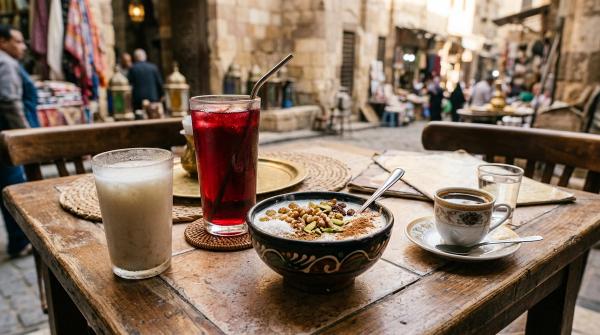
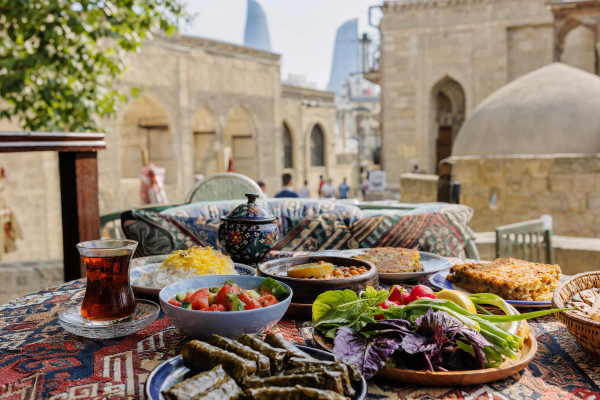
#Food is the emotional support system of early arrivals. If I reach a hotel before check-in, first thing I calculate is breakfast. Hotel breakfast can be convenient, especially if you’re tired, carrying kids, or it’s raining outside. But if breakfast isn’t included before check-in, the hotel buffet may cost a lot for what you actually eat. In metro cities, a hotel buffet can easily feel overpriced compared to a nearby darshini, Irani cafe, bakery, or simple South Indian place where idli, dosa, upma, chai, bun maska, paratha, whatever local thing, fills you properly.
There’s no one correct answer. In Bengaluru, I’ll happily leave bags and go find filter coffee. In Jaipur, early kachori and chai sounds better than sitting under hotel AC. In Goa, honestly, I’ve waited at a beach shack with coffee until the room was ready, but keep your luggage safe and don’t get too relaxed. If you’re confused between convenience and cost, this post on Hotel Breakfast vs Cafe Breakfast: Which Should Travelers Choose? explains that exact decision nicely. My simple rule: if I slept badly, I choose comfort. If I’m fresh enough, I choose local food.
The food-in-bag problem nobody talks about
#Indian travellers carry snacks. This is not even a debate. Thepla, mathri, banana chips, homemade poha chivda, biscuits, dry fruits, and one random apple your mother forced into the bag. All fine. But dairy and fresh food are tricky when you don’t have room access. I once carried curd rice in summer and thought “haan haan, it’ll be okay for a few hours.” It was not okay. If you have yogurt cups, milk, cut fruit, paneer sandwich, or anything that needs cooling, don’t leave it inside luggage storage for half a day. Either finish it soon, ask hotel restaurant if they can refrigerate it, or just don’t carry it in hot weather.
This matters more in places like Goa, Chennai, Mumbai, Kochi, and Kolkata during humid months. Even hill stations can surprise you if the bag sits in a warm storage room. Dry snacks are your friend. Fresh coconut water outside is your friend. Suspicious mayonnaise sandwich from yesterday is not your friend. Btw, if you do carry dairy often, check this piece on Yogurt Cups While Traveling: Pack, Chill, or Skip?. It sounds oddly specific, but trust me, early check-in waiting makes it relevant.
Transport options while waiting, because dragging bags is not travel
#If the hotel stores luggage safely, your waiting time can become bonus exploring time. But plan transport sensibly. In Indian cities, auto-rickshaws are great for short hops, metro is best where available, and app cabs are useful if you’re tired or the weather is bad. Near airports, don’t underestimate distance. “Only 8 km” can mean 45 minutes depending on traffic. Railway station hotels can be convenient but some areas get chaotic early morning, so keep your phone charged and don’t flash cash or gadgets unnecessarily.
If you’re in Delhi, Bengaluru, Hyderabad, Kochi, Chennai, Kolkata, Mumbai, or Pune, metro or local transport can save money, but only if you’re not carrying luggage. For hill stations like Manali, Shimla, Ooty, Munnar, Coorg side, or Darjeeling, early arrivals can be awkward because check-in is later and sightseeing taxis may not start at your exact timing. Ask the hotel if they can arrange a half-day cab or suggest a nearby cafe with washroom. In beach places, renting a scooter before check-in is tempting, but don’t do it if you’re sleep deprived. I did that once in North Goa after an overnight bus and my brain was basically buffering. Bad idea.
Where to wait if the lobby is boring or too crowded
#Hotel lobbies are fine for 20 minutes. After that, they become a psychological test. If the room is not ready for 3-4 hours, I look for a better waiting base. Cafes are the obvious option. Choose one with clean washroom, charging point, and not too much pressure to keep ordering. In cities, co-working cafes and mall food courts work surprisingly well. Malls open later though, usually around 10 or 11, depending on the place. Airport lounges can be worth it if your hotel is far and you have lounge access, but once you leave airport security area, options reduce.
Some cities have luggage storage or cloakroom facilities near railway stations, but I prefer hotel luggage storage if I’m already booked there. It’s simpler. Hostels sometimes allow common area usage before check-in, and that’s one reason I like them for solo trips. You can sit, charge phone, refill water, maybe chat with other travellers. Day-use hotel rooms are another option in metros and airport zones. Many apps and hotels offer 3-hour, 6-hour, or 12-hour stays, though availability and pricing changes a lot. In budget areas, you may find basic rooms for a few hours, but please check hygiene and safety before paying.
Accommodation types and what early check-in usually feels like
#Not all stays behave the same. A five-star hotel may have better lounge and luggage handling but stricter policy. A homestay may be warm and flexible, but if the family is cleaning the room themselves, you can’t rush them. Hostels are chilled but dorm beds depend on previous guests leaving. Boutique hotels are my favourite when they communicate well, but some are too small to have spare rooms. Budget lodges near stations may give early check-in if rooms are empty, but cleanliness and security can vary wildly. So choose based on your arrival time, not just Instagram photos.
Typical price ranges also depend heavily on city and season, but roughly speaking, backpacker hostel beds in India often sit around ₹500-₹1,500 per night in many tourist places, basic budget rooms may be ₹1,000-₹3,000, mid-range hotels around ₹3,000-₹7,000, and upscale properties can go much higher. In Goa, Jaipur, Udaipur, Rishikesh, Manali, and popular hill stations, long weekends, weddings, festivals, and school holidays can push rates up badly. During peak season, early check-in becomes harder because hotels run full. During off-season or weekdays, you have better chances, especially if you call ahead and sound like a normal reasonable human being.
Season matters more than we think
#Early check-in stress is different in different months. In summer, the biggest problem is heat. If you arrive in Rajasthan, Delhi, Agra, Ahmedabad, Nagpur, or anywhere properly hot, don’t plan to roam outside for hours just because room is not ready. Hydrate, sit indoors, and use sunscreen even if you’re only stepping out “for 10 minutes.” In monsoon, the issue is wet luggage, muddy shoes, and transport delays. Keep a small towel or plastic bag for wet clothes. In winter hill stations, arriving early morning can be freezing, and your warm jacket must not be inside the suitcase you just handed to reception. Sounds obvious, but I have done this stupidity.
Best months to travel in India vary by region. For Rajasthan and many plains, October to March is comfortable. For Kerala, coastal Karnataka, Goa, and Tamil Nadu, winter months are pleasant, though Goa has its own peak-season madness. For Himalayan areas, spring and autumn are lovely, but weather can change quickly. During big festivals, wedding season, New Year period, and extended weekends, hotel staff are stretched. Safety-wise, most tourist areas are manageable if you use basic common sense: don’t leave bags unattended, avoid dark isolated lanes when tired, use known transport, and share your live location with someone if you’re heading out before check-in.
The mini freshen-up routine that saves your day
#If the hotel gives you lobby washroom access, don’t underestimate it. Wash face, brush teeth, change T-shirt, apply deodorant, drink water, and sit for five minutes. Suddenly life becomes 40 percent better. I keep a tiny “arrival kit” now. It has wet wipes, face towel, deo, sunscreen, lip balm, ORS sachet, paracetamol, bandaid, hand sanitiser, and a small perfume tester bottle I got free somewhere. Not fancy. Just useful. Women travellers may want to keep sanitary products, safety pins, scarf, and a comfortable change handy. If travelling with kids, keep diapers, snacks, extra clothes, and one toy outside. Parents already know this, but still.
If you’re in a group, don’t all crowd reception. One person should talk, others can sit. If one room becomes available early, use it smartly. Let elders or kids rest first, then rotate for shower. Don’t unpack like it’s your final room if the hotel says they might shift you later. Also, keep your temper. I know, easy to say. But I’ve noticed hotel staff help more when they feel you are cooperative. Once in Udaipur, the receptionist couldn’t give room early, but he arranged tea, let us use a washroom, and called us the moment housekeeping finished. That was enough. Not luxury, but kindness.
When paying for early check-in is actually worth it
#I’m a budget-conscious Indian traveller, so I don’t like paying extra unless needed. But sometimes early check-in charges are worth it. If you have a business meeting, wedding function, exam, medical appointment, or you’re travelling with elderly parents, book the previous night or pay early check-in if possible. Same for international flights landing at odd hours. Saving ₹2,000 but ruining the whole day is not always smart saving. On the other hand, if you’re young, travelling light, and the city has good cafes or public transport, waiting can be totally fine.
Before paying, ask what exactly you get. Is it immediate room access? Is breakfast included? Will they charge full day or half day? Can they offer a lower-category room till your booked room is ready? Can checkout be extended instead? Sometimes hotels can’t give early check-in but can allow late checkout, which helps on the last day. If they quote too much, check day-use rooms nearby. But don’t compromise safety just to save money, especially solo women travellers or anyone arriving at odd hours. A clean, known property is better than a cheap unknown room where you don’t feel comfortable.
My final no-drama checklist before every early arrival
#- Call or message the hotel one day before arrival. Tell them your expected arrival time and ask if early check-in is possible. Don’t demand, just ask.
- Pack an arrival kit in your backpack, not suitcase. Fresh clothes, toiletries, charger, medicines, documents, and valuables stay with you.
- Take screenshots of booking, payment, address, and hotel phone number. Network and app logins love to fail at the worst time.
- Plan one nearby waiting option: cafe, mall, temple area, beach shack, museum, co-working space, or just the hotel restaurant if nothing else.
- Keep snacks safe and avoid carrying perishable food too long. Heat plus closed bag plus dairy is a bad combo, yaar.
- Decide your money limit in advance. If early check-in costs more than your mental peace is worth, pay. If not, go eat breakfast and chill.
Room not ready doesn’t have to ruin the trip
#A delayed hotel room feels like a bad start, but it doesn’t have to become the story of your whole trip. Honestly, some of my best first-morning moments happened because rooms weren’t ready: unexpected chai near a railway station, a quiet walk by Marine Drive before the crowd, hot idli at a tiny place in Mysuru, sitting in a homestay garden in Coorg while they cleaned the room and the aunty brought coffee without even asking. Small things. Travel is like that only, little irritation and little magic mixed together.
So next time your hotel room is not ready, don’t panic and don’t sit helplessly staring at your suitcase. Ask properly, store luggage safely, keep essentials with you, eat something decent, and use the waiting time wisely. Early check-in is never fully guaranteed unless the hotel confirms it in writing or you pay for the previous night, but being prepared makes the gap much easier. And if you’re planning more trips around India and want practical, non-fancy travel tips, I keep finding good reads on AllBlogs.in, so maybe browse there before your next overnight train adventure.