
There are some trips you plan with spreadsheets, hotel tabs open, weather apps checked every 20 minutes. And then there are trips that kind of pull you in by the collar. This one was like that for me. I wanted flowers, yes, but not in that neat “garden tourism” way. I wanted the full Indian spring drama — Kashmir’s tulips going mad for a few weeks, rhododendron forests in the hills, and then that calm, misty slide into tea country where mornings smell green and damp and a little sweet. Honestly, if you’ve been craving a spring trip in India that feels cinematic without becoming a logistical nightmare, this circuit is such a good idea. Not always easy, not always cheap-cheap, but worth it.
The rough route I did was Srinagar for the tulips, then Sikkim side for rhododendrons, and finally Darjeeling for tea gardens and that old hill-town mood. You can tweak it, obviously. Some people swap Sikkim for Uttarakhand or Arunachal if they’re chasing blooms differently. But this combo worked because it gave me three very different versions of spring in India. Kashmir was bold and showy. Sikkim felt wild and high and slightly mysterious. Darjeeling... well, Darjeeling was slower, softer, and made me want to stay another week doing basically nothing.
Why this spring circuit works so well, especially if you live in India and don’t want a crazy complicated itinerary
#A lot of “flower trips” online are written like everyone has unlimited leave and a foreign passport and no interest in budgets. Real life is different na. This route works because each stop is a major destination by itself, with decent transport links and enough stay options for different budgets. You can do 8 to 12 days comfortably, or stretch it to 2 weeks if you like slow travel. Also, the bloom windows overlap just enough in spring that, with a little luck and flexible dates, you can catch all three moods in one journey.
- Srinagar tulip season usually peaks around late March to mid-April, depending on weather and snowmelt
- Rhododendrons in Sikkim and nearby eastern Himalayan belts tend to show best from April into early May, with altitude changing the timing quite a bit
- Tea estates around Darjeeling start feeling lovely in spring, and first flush tea season is a huge draw for tea nerds... yes, those people are intense and kind of adorable
One thing though — climate has made bloom timing less predictable than before. Locals told me this again and again. A warmer spell, an odd snowfall, too much rain, road work, all of it can shift your “perfect bloom” by days. So don’t plan this like a military operation. Keep buffer time. Follow local tourism pages, call your hotel, ask recent travelers. That helped me a lot more than random old blogs did.
Stop 1: Srinagar and the tulip madness nobody can fully prepare you for
#I had seen photos of the Indira Gandhi Memorial Tulip Garden so many times that I was actually worried I’d be underwhelmed. Happens often, right? Instagram ruins everything a little. But nope. Walking in, with the Zabarwan range behind and rows and rows of tulips in ridiculous colors, I just stood there like an idiot for a minute. It’s not just pretty. It’s overwhelming in that very spring way — fresh, cold air, families dressed up, kids running around, everyone taking too many pictures, chai in hand, sunlight changing every 3 seconds because clouds keep moving. Such a vibe.
The garden usually opens seasonally for a short period, and if you’re aiming for maximum bloom, early morning or weekday visits are much better. Weekends get packed. Like proper packed. Entry tickets are usually affordable for Indian travelers, but what catches people off guard is local traffic around peak bloom. From Dal Lake side it may look close on map, but congestion can stretch a simple ride. I stayed near Boulevard Road and was glad I did because I could also enjoy the lake without over-planning every outing.
Latest safety-wise, Srinagar tourism has been active and well-managed in main tourist zones, but I’d still say the obvious thing — check current advisories before flying, keep ID handy, don’t wander into sensitive areas just because Google Maps shows a shortcut, and use registered cabs or hotel-arranged transport if you’re arriving late. On the ground I felt okay in the tourist belt, and local hosts were very straightforward about what’s fine and what’s not. That honesty, I appreciated.
What to do in Srinagar besides the tulip garden, because one hour of flowers is not a full trip
#Please don’t do the rushed “land, tulip selfie, leave” thing. Srinagar deserves at least 2 nights, 3 if you can. Stay in a houseboat once if that’s your thing, though personally I prefer a lakeside hotel for comfort and easier movement. Dal Lake at sunrise is still magic, even with all the clichés. The Mughal gardens start looking lovely in spring. The old city has a completely different rhythm. And if almond blossom timing lines up in places like Badamwari, wow... that soft pale pink against old stone and mountain air, really nice.
- Budget stays and guesthouses can start around ₹1,500 to ₹3,000 a night in shoulder dates
- Mid-range hotels around the lake often fall in the ₹4,000 to ₹8,000 range depending on view, heating, and demand
- Houseboats vary wildly — some are charming, some are tired, so read recent reviews, not just the pretty photos
Food in Srinagar deserves more respect than it gets in quick itineraries. I had a simple nadru yakhni one afternoon that was better than the fancy meal I paid too much for later. Try kahwa, girda bread in the morning, rogan josh if you eat meat, haak, and if you find a good wazwan place through locals, go. Just don’t over-order on the first meal. I made that mistake. Felt heroic for 15 minutes, then useless.
From tulips to rhododendrons: why the eastern Himalaya feels like a different country almost
#Flying out of Srinagar and heading east was the most jarring, beautiful switch. Kashmir spring is broad and open. Sikkim spring creeps up in layers. The road from Bagdogra/Siliguri side into the hills already changes your headspace, but once you get higher and start seeing rhododendrons in bursts of red, pink, white, sometimes even deeper shades tucked inside mist, it becomes something else. Not “garden pretty”. More raw. More mountain. More earned.
For this part, I based myself between Gangtok and a higher excursion route rather than hopping hotels too much. If you want rhododendrons properly, look at areas connected to Yumthang Valley in North Sikkim, Barsey Rhododendron Sanctuary in West Sikkim, or trails and viewpoints around higher belts depending on permits, weather, and road conditions. North Sikkim is stunning but not always predictable. Landslides, convoy timings, rough roads, sudden fog — all normal. If you get motion sickness, prepare yaar. Don’t act brave and then suffer in silence like I did.
The best spring trips in India aren’t always the easiest ones. But maybe that’s why they stay with you. You earn the view a little, and somehow it hits harder.
Rhododendron season tips I wish someone had explained to me properly
#This is where people go wrong. They assume one fixed bloom date, book non-refundable hotels, then complain online. Rhododendron bloom depends hugely on altitude. Lower slopes may start earlier. Higher regions can be late. One valley can be peaking while another still looks sleepy. So instead of searching “best date for rhododendrons”, search by region and elevation. Ask homestays what’s blooming right now. Not last month, right now.
- If you want easy access and less road exhaustion, stay in Gangtok and do curated day trips where possible
- If you want the wow factor and can handle bumpy travel, North Sikkim gives you that full alpine-spring feeling
- For quieter forest bloom experiences, West Sikkim and sanctuary zones are more peaceful and less performative, if that makes sense
Permits matter in Sikkim, especially for certain protected areas and for non-local vehicles entering some zones. Most tour operators arrange them, but carry multiple ID copies and passport photos just in case. Weather can turn quickly, and roads may close temporarily. This is normal, not drama. Build flexibility. One extra day in the hills is not a waste, it’s insurance.
Stay options around Gangtok are now pretty broad — hostels and simple hotels from around ₹1,200 to ₹2,500, nice boutique stays around ₹3,500 to ₹7,000, and more polished mountain properties much higher than that. In smaller places and homestay belts, you’ll often get warmer hospitality and better local food than fancy decor. I had one homestay meal with nettle soup, local greens, rice, pickle, and tea that honestly beat half the restaurant meals of the trip. Sometimes the best food comes when you stop asking for “famous places” all the time.
The tea chapter: Darjeeling in spring is quieter than people expect, and that’s exactly why I liked it
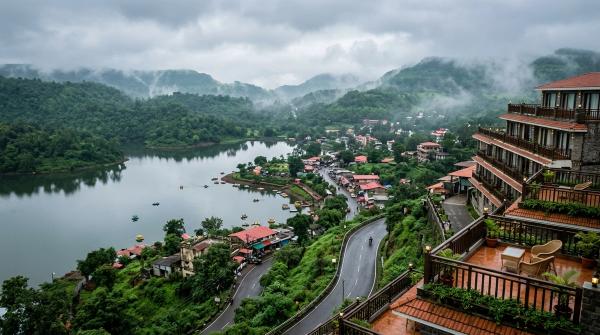
#After the floral high of Kashmir and Sikkim, Darjeeling felt like exhaling. Old schools, toy-train nostalgia, prayer flags, bakery smells, steep roads that humble your knees, and tea gardens folding over hillsides like green fabric. If you go in spring, the air still has that cool edge, and the tea conversation gets interesting because first flush starts coming up. I’m not pretending to be some tea expert, but once you do a proper estate visit and taste side by side, you realise supermarket tea has been lying to you a bit.
I stayed a little away from the noisiest central stretch and that was the right call. Darjeeling town can be crowded and traffic is annoying, no point sugarcoating it. But if you choose your base carefully, you can wake up to mist over tea bushes, hear birds before honking, and walk into town only when needed. Tea estate stays are more popular now, especially with domestic travelers wanting slower, experience-led trips rather than just checking off viewpoints. Book early if you’re travelling in school holiday periods because the good ones fill up.
- Budget rooms in town may start around ₹1,500 to ₹3,000, but room size and hot water reliability can be... unpredictable
- Comfortable boutique hotels are often ₹4,000 to ₹9,000 depending on view and season
- Tea estate stays or heritage properties can jump to ₹8,000 and go way beyond, but some include guided walks or tastings
A lot of people ask if Darjeeling is still “worth it” with the traffic and crowds. I’d say yes, but only if you do it right. Don’t squeeze it into 24 hours. Visit a tea garden, walk in the quieter lanes, try local cafes, have thukpa when the weather turns chilly, eat momos from a busy place where locals are actually eating, and if the sky is clear head for a Kanchenjunga view without expecting perfection. Mountains don’t perform on command. Sometimes they hide. That’s part of the deal.
Food, little local details, and the stuff I think makes this circuit feel Indian in the best way
#One reason I loved this route is that it never felt repetitive. In Srinagar, mornings meant kahwa and bread. In Sikkim, tea tasted different, the soups got heartier, and there was this lovely in-between of Tibetan, Nepali, and local hill influences. In Darjeeling, I bounced between cafe breakfasts, momos, aloo dum, churpee-based bits, and endless cups of tea because obviously. This is also the kind of trip where talking to drivers, hotel staff, market aunties, and small café owners gives you half the actual guidebook. Indians travelling within India often forget how much easier that makes things. Language shifts, sure, but there’s still a shared rhythm. A shared jugaad. You ask one person where to eat and suddenly three people are debating your dinner plan.
Btw, pack for temperature swings. This sounds basic but people still mess it up. Srinagar mornings can be properly cold in spring. Higher Sikkim can feel biting, specially if wind picks up. Darjeeling may seem milder, then rain arrives and you’re shivering in the same hoodie you thought was enough. Layers are your best friend. Good shoes too. Not fashion sneakers that give up on slopes after one day.
Transport, budgets, and practical planning without the boring robotic checklist
#If you’re doing the full circuit, the smartest flow is usually to fly into Srinagar, then take a flight connection toward Bagdogra for the eastern Himalaya section, and finally exit via Bagdogra or nearby rail if you’re extending elsewhere. Internal flights are the expensive bit if booked late. Within each region, local taxis remain the default. Self-drive is not what I’d recommend unless you really know hill driving and local rules. Shared cabs are cheaper in the east, but comfort is another matter entirely.
A realistic mid-range budget for 9 to 12 days, excluding major shopping, can land somewhere around ₹45,000 to ₹85,000 per person depending on flights, room category, and how fancy you get with tea estates or private transfers. Backpacker style can be lower, especially if you use hostels, shared transport, and simpler meals. A comfort-heavy trip can easily cross ₹1 lakh. The trap is local transport in hilly areas — it adds up quietly.
| Category | Typical Range | My honest take |
|---|---|---|
| Flights between regions | ₹8,000 - ₹22,000+ total | Book early, this is where budgets get wrecked |
| Hotels & homestays | ₹1,500 - ₹9,000+ per night | Read recent reviews, not old ratings |
| Local taxis & day trips | ₹1,500 - ₹6,000+ per day depending on route | Negotiate gently, but don’t be weirdly stingy |
| Meals | ₹300 - ₹1,500 per day budget to mid-range | Local food usually tastes better and costs less |
| Permits/misc | Variable | Keep cash and ID copies handy |
A few mistakes I made, so maybe you don’t have to
#First, I overpacked for “cute spring photos” and underpacked for actual mountain weather. Dumb. Second, I tried doing too much in Sikkim in too few days. Distances there are not the issue, roads are. Third, I assumed every famous tea estate would allow walk-ins whenever I arrived. Not always true. Some prefer advance booking for tours or tastings, especially in busy weeks. And fourth — this is silly but real — I didn’t leave enough mental space. This circuit is visually dense. Tulips, lakes, forests, mountain roads, tea slopes, local markets... after a point you stop absorbing if you rush.
Also, please be a decent traveler. Flower fields are not props. Don’t climb barriers for photos. Don’t pluck blooms from public spaces and then laugh about it. Don’t blast music in mountain viewpoints. In some places I saw exactly this nonsense and it was embarrasing, honestly. Spring tourism is growing, which is nice for local economies, but only if people behave half-sensibly.
So, when should you actually go?
#If you want the best chance of doing the whole tulips-rhododendrons-tea combo in one trip, I’d aim for a window from early April to late April, with some flexibility on either side. That gives you a fair shot at tulips in Srinagar, rhododendrons in sections of the eastern Himalaya, and lovely tea-country weather. If you go too early, higher bloom zones may lag. Too late, and you could miss tulips at their best. Still, no one can promise exact peak because mountains and weather don’t care about our itineraries. Rude but true.
Would I do this circuit again? Hundred percent. Maybe with fewer hotel changes and one extra night in Darjeeling just to sit with a pot of first flush and do absolutely nothing useful. That’s the thing about spring trips in India — they can be dramatic and soft at the same time. You get colour, cold air, road chaos, unexpected kindness, and those weird little travel moments that stay longer than the “main attraction”. If you’re planning your own version of India’s Spring Bloom Circuit 2026, or even just borrowing parts of it, trust me, this one can be special. And if you like reading travel stories that feel a bit lived-in instead of polished to death, have a look at AllBlogs.in too.