The churro smell hits first, and then the planning brain kicks in
#Theme parks are weird little food cities, honestly. You walk through the gates and suddenly the air smells like popcorn, fryer oil, sunscreen, cinnamon sugar, and that fake-but-wonderful vanilla smell from bakery windows. I love it. I am extremely easy to influence by a Mickey-shaped waffle or a smoky turkey leg or some ridiculous neon slush in a souvenir cup. But when you’re traveling with food allergies in the family, that dreamy snack haze gets a little more complicated. Not ruined. Just… layered. Like a parfait, but with paperwork and EpiPens.
Our family has done Disney, Universal, LEGOLAND, a couple of smaller regional parks, and one very hot day at Hersheypark where I thought I was going to melt into the pavement near the kettle corn stand. We’ve traveled with peanut, tree nut, and sesame concerns in our group at different times, plus one cousin who reacts badly to dairy and acts like cheese personally betrayed him. So yeah, food is emotional for us. Travel is emotional too. Put them together in a theme park and you get joy, anxiety, hunger, and a child crying because everyone else got a pretzel. Fun times!! But also some of our best food memories happened because we planned well enough to relax.
First rule: don’t make the allergy kid carry the whole day
#This is the part I feel really strongly about. If a child has allergies, they already spend so much of life asking, checking, refusing, explaining, watching other people eat the thing they can’t eat. A theme park day should not become eight hours of them being the “problem.” I’ve seen parents do it without meaning to, and I’ve done it myself on a tired morning, like, “Can you just eat the granola bar we brought?” while everyone else is staring at glossy cupcakes in a case. Ugh. Not my finest moment.
The better version is making allergy planning a family travel skill, not a kid burden. Before we go, we talk through the day like we would talk through rides. We say, “Here are three meals we know are likely to work. Here are snacks we packed. Here’s when we’ll stop and ask a chef or manager.” It sounds boring, but it actually frees everyone up. The kid knows there is a plan. The adults know who is carrying medication. Siblings know we’re not stopping at every random cart and negotiating like it’s a tiny courtroom.
What I check before booking, before packing, and again in the hotel room
#I’m not a spreadsheet vacation person by nature. I want to wander into the cute place with the smell of garlic bread and see what happens. But theme parks are not the best place for total freestyle eating when allergies are involved. So I do a boring little ritual, usually with coffee, about two weeks before we leave. I check the official park website and app for allergy menus, special dietary request pages, and restaurant lists. Then I check again the night before because apps update, restaurants close for refurbishments, and menus change because apparently life enjoys humbling us.
The U.S. major food allergens are milk, eggs, fish, Crustacean shellfish, tree nuts, peanuts, wheat, soybeans, and sesame. Sesame became part of the federal major allergen labeling rules in January 2023, which matters for packaged snacks and bakery items, but it does not magically make every loose theme park pretzel safe or every sauce obvious. Cross-contact is the sneaky little gremlin. A bun may look plain. A fryer may look harmless. A topping bar may look like freedom. Nope, ask.
- I save screenshots of allergy menus or restaurant pages, because park Wi-Fi can be moody and your phone battery will absolutely pick the worst time to act dramatic.
- I pack a small “safe food” bag with shelf-stable snacks that feel like treats, not punishment. Think cookies, crackers, fruit pouches, jerky, safe chocolate, whatever your family can actually eat and enjoy.
- I bring printed chef cards with the allergens listed clearly. Not cute, not poetic. Just direct. Allergies, cross-contact concerns, and emergency contact info.
- I call or email only when the park recommends it or when the allergy situation is complicated. For basic allergies, official in-park conversation with a trained food manager is often more useful than a vague phone answer from someone far away.
The big parks can be surprisingly good, but don’t get lazy
#Here’s my honest opinion after eating around a lot of theme parks: the big destination parks often have better allergy systems than random restaurants off the highway. Walt Disney World and Disneyland have allergy-friendly menu sections at many table-service and quick-service restaurants, and Disney’s official guidance generally tells guests to speak with a chef or special diets-trained Cast Member for questions. Universal Orlando also directs guests with allergies to talk to restaurant managers or trained food staff, and their full-service restaurants have been pretty solid in our experience. LEGOLAND parks tend to be family-aware too, though the exact menu situation depends on location. Policies change, so I always verify directly with the park before travel, not from some old Facebook post from 2018.
But good systems are not magic. Mobile ordering is convenient, and I love not standing in a line with hungry children breathing hot rage on my arm, but if the allergy is severe or there are multiple allergens, I do not rely only on a checkbox in an app. I use it for scouting. Then I talk to a human. Politely, always. Food workers in theme parks are dealing with giant crowds, weird requests, heat, noise, and people asking if fries are “gluten friendly” while holding a churro over the counter. Kindness goes far.
| Park food situation | What I usually do | Why it helps |
|---|---|---|
| Quick-service meal | Check allergy menu, then ask for a manager or allergy-trained staff member | Fast places can still have fryer, bun, sauce, and prep-area cross-contact issues |
| Table-service restaurant | Book ahead when possible and note allergies on the reservation | It gives the kitchen a heads up, though you still confirm at the table |
| Snack cart | Ask to see ingredient packaging if available | Carts may have limited info and shared tongs or warmers |
| Buffet or character meal | Be extra cautious and ask for chef guidance | Shared serving spoons and guest behavior make cross-contact more likely |
| Hotel breakfast before park day | Use your own safe items when needed | Starting hungry makes every decision worse, truly |
My Disney breakfast meltdown, and the waffle that saved us
#One morning at Walt Disney World, I got too confident. We had done the research, we had snacks, we had a dining reservation, and I had the smug energy of a person who packed matching ponchos. Then transportation took forever, one kid stepped in a puddle even though it had not rained, and by the time we reached breakfast everyone was starving. That is when allergy planning gets tested, not when you’re calmly reading menus on the couch.
The restaurant handled it well. A chef came out, asked clear questions, and talked through what could be made separately. I remember this because the allergy-safe waffle arrived looking almost identical to the regular ones, warm and crisp-edged, with that theme park breakfast smell that somehow makes adults act like toddlers. The kid smiled. I almost cried, which is embarrasing but whatever. Food inclusion is not a small thing. When everyone gets to eat something celebratory, the whole trip shifts.
That meal taught me that a safe meal does not have to be fancy. It needs to feel intentional. A separate plate, a clear explanation, a staff member who does not act annoyed, and a parent who is not panic-whispering over the syrup. That’s the dream.
Snack timing matters almost as much as snack safety
#Theme park hunger is not normal hunger. It has its own personality. It shows up after two rides, one long queue, and a child asking for bubble wand money. With allergies, waiting too long to eat can turn into a bad decision spiral where you buy the first “maybe safe” thing because everyone is cranky. I try to feed the family before hunger gets sharp. Mid-morning snack, real lunch before the lunch rush if possible, afternoon cool-down, and something small before fireworks or the last big ride.
If you’re building a whole park-day rhythm, I like pairing allergy planning with general ride-and-snack timing. This piece on Theme Park Food Timing for Families: Snacks & Rides lines up with how we actually move through a day: hydration, queue snacks, and not eating a huge greasy meal right before a spinning ride that was invented by someone with no mercy.
Our safe snack bag is not glamorous, but it has saved the mood so many times. I pack salty, sweet, protein-ish, and something fun. If all the park options fall apart, the allergy kid still gets choice. Not just “here’s the emergency rice cake of sadness.” I learned that the hard way.
Packing food without turning into a traveling pantry goblin
#There is a fine line between prepared parent and person who brought enough crackers to survive a mild apocalypse. I have crossed that line. More than once. The trick is packing for real situations, not every possible disaster movie. Most theme parks allow food for allergies and medical needs, but rules about coolers, glass, loose ice, and bag sizes vary. Check the park’s official outside food policy before you go, because security staff don’t care that your cousin on a blog said it was fine.
For hotel stays, I love having a mini-fridge but I do not blindly trust it. Some hotel fridges are basically cold-ish cabinets with commitment issues. We bring a cheap fridge thermometer when we’re storing anything perishable, and if food has been sitting in the danger zone too long, I toss it. Painful, yes. Cheaper than ruining a vacation with stomach trouble. If you’re prepping allergy-safe foods in a hotel room, the practical tips in Hotel Mini-Fridge Food Safety for Travelers are worth reading before you load that tiny fridge with yogurt, lunch meat, or safe cream cheese.
- Shelf-stable snacks are king for long park days. They handle heat, bag checks, and being crushed under a poncho.
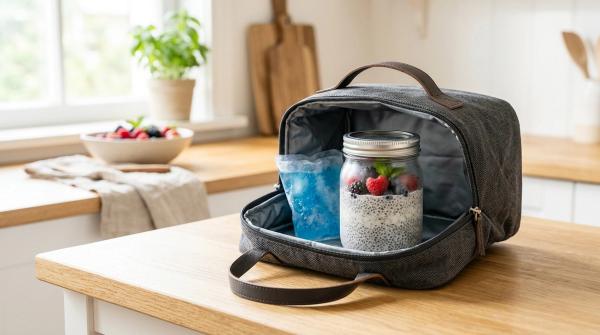
- For cold items, use an insulated lunch bag with solid ice packs if the park allows it. Loose ice can be a no-go at some places.
- Put medication in the same bag every time and make sure more than one adult knows where it is. I say this because I once had a full panic while the EpiPens were exactly where I packed them.
Buffets, bakeries, and other beautiful danger zones
#I love a theme park bakery. I am weak for cupcakes with character ears, giant cookies, seasonal doughnuts, all of it. But bakeries are also where allergy planning gets real. Flour floats. Nuts migrate. Sesame shows up in buns and crackers and toppings. Shared display cases are cute little museums of cross-contact. Sometimes the answer is yes, they have a packaged item with a label. Sometimes the answer is no, not today. I try not to make bakery stops emotional, but I’m human, and pastries are persuasive.
Buffets are similar. Character breakfasts are adorable and chaotic, which is maybe the worst combination for careful eating. Kids are hugging a giant dog, someone spills juice, serving spoons wander from one tray to another, and suddenly the “safe” potatoes are not so clear. At buffets, I ask if the chef can bring a plate from the kitchen instead of having us serve from the line. Many places can do this, some cannot, and sometimes the answer depends on staffing and time of day. This is why I ask early, before the child is starving and the adults are pretending they’re still patient.
Destination flavor still matters, even with restrictions
#One thing I refuse to believe is that allergy travel means boring food travel. No. Absolutely not. Food is why I remember places. In Florida parks, I want citrusy drinks, Caribbean-ish bowls, smoky barbecue, and those tropical pineapple flavors that make you feel like vacation is happening even if your shoes are wet. In Southern California, I want tacos, bao, churros, and anything with avocado that costs too much but tastes perfect after walking 18,000 steps. At Dollywood, I want cinnamon bread energy, mountain comfort food, skillets, and that cozy Smoky Mountains smell of sugar and wood smoke. Can every family member eat every iconic food? Nope. But we can still build a food story around what is safe.
At Universal Orlando, one of my favorite family food moments was not even the famous wizard drink everyone talks about. It was sitting in the shade with safe packed snacks for one kid and hot, messy theme park food for the rest of us, and nobody felt left out because we had planned a special treat later that worked for everyone. That’s the balance. Sometimes you eat the park food. Sometimes your “local cuisine” is a safe cookie from home eaten beside a lagoon while roller coasters scream overhead. Still counts. Travel is not less real because you packed your own crackers.
How I talk to food staff without making it awkward
#I used to over-explain. Like, full family medical history at the counter while a line formed behind me. Now I keep it short and clear. “Hi, we have a severe peanut and tree nut allergy. Could we speak with a manager or allergy-trained team member about ingredients and cross-contact?” That’s it. If they look unsure, I do not push them to guess. Guessing is not helpful. I’d rather hear “I don’t know” than recieve confident wrong information.
I also avoid asking, “Is this safe?” because safe means different things to different people. I ask specific questions. Is this fried in a shared fryer? Is the bun packaged with sesame? Are the toppings handled with shared utensils? Is the sauce made in-house or from a labeled container? Can the meal be prepared on a clean surface with fresh gloves? It sounds like a lot, but it becomes normal after a while. And honestly, many park food workers appreciate specific questions because they know exactly what to check.
- Start with the allergen and the severity, not the whole vacation story.
- Ask for a manager, chef, or allergy-trained staff member when needed.
- If the answer feels rushed or fuzzy, choose something else. Pride is not worth it.
- Thank people. Like, really thank them. Good food staff can change the whole day.
The emergency backup plan nobody wants, but everybody needs
#I don’t like thinking about emergencies on vacation. Nobody does. But ignoring the possibility does not make the day more magical, it just makes you less ready. Before we enter a park, we know where the medication is, who carries it, and what symptoms mean we act fast. This is personal medical territory, so families should follow their own doctor’s plan, not some random travel blogger’s vibes. But please don’t bury emergency meds at the bottom of a stroller under three ponchos and a plush dinosaur. Been there, regretted that.
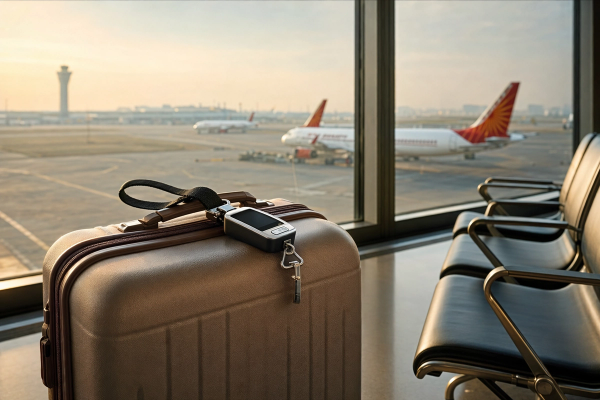
I also treat promised meals as nice, not guaranteed. Restaurants run out of things. Flights forget special meals. Apps glitch. Humans make mistakes. That’s why the same backup-food thinking I use for air travel applies to park days too, and the advice in Airline Special Meal Not Loaded? What Travelers Should Do is weirdly relevant here: confirm early, carry safe food, and don’t let one missed meal wreck the trip.
On arrival, I notice first aid locations. Not in a doom way. Just like I notice bathrooms and coffee. Many parks have first aid centers, but they are not a substitute for carrying prescribed medication. If you need emergency services, ask a staff member immediately and use local emergency numbers. Theme parks are busy, loud places, and speed matters.
My imperfect one-day allergy food plan
#If we’re doing a full park day, my plan looks something like this. Breakfast in the hotel room or a vetted hotel restaurant, because starting the day with a safe, filling meal is everything. Then we rope-drop rides while everyone is still cheerful and not too sweaty. Around 10:30, safe snack. Not “if people are hungry.” Just snack. Lunch around 11:30 or early noon at a restaurant I already checked, before the lunch crowd makes the kitchen and the kids frazzled. Afternoon cold drink or frozen treat if we can find a safe one, backup snack if not. Dinner either table-service with allergy notes or quick-service at an off-peak time. Then one planned treat so the day ends with a yes.
Does this always work? Hah. No. One time a ride delay threw off lunch, then rain hit, then the restaurant we wanted had a giant line, and I ended up handing out safe bars under a gift shop awning while my youngest tried to convince me a bubble wand was a necessary medical device. But because we had options, it was annoying instead of scary. That’s the goal. Not perfect. Just resilient.
A few destination-specific things I’ve learned the sweaty way
#Orlando is the easiest allergy theme park region for us, partly because so many restaurants are used to tourists with dietary needs. It is also hot enough to make chocolate melt into a tragic paste, so pack accordingly. Anaheim is wonderful because you can leave the park area and find lots of Southern California food nearby, but traffic and timing can mess with meal plans. Smaller parks can be charming and delicious, especially regional parks with local specialties, but they may have fewer trained staff or fewer ingredient binders available at snack stands. I don’t say that to scare anyone. I love smaller parks. I just pack more backups there.
Hersheypark is a funny one because the whole place smells like candy joy, which is either wonderful or complicated depending on your allergies. Dollywood has some of the best food atmosphere of any park I’ve visited, but iconic baked goods may not work for every allergy family. Disney gets a lot of praise for allergy handling and, in my experience, often deserves it, but even there I still ask every time. Universal has big, fun food theming and some staff who really know their stuff, yet I still do the same calm question routine. Basically: trust systems, verify details.
Let the allergy kid have a food memory too
#This is the heart of it for me. A theme park trip becomes family legend through food. The fries eaten on a curb. The safe cupcake found after two “no” answers. The popcorn bucket that becomes a household object for years. The cold lemonade after a brutal sunny parade. If one child is always excluded from those memories, they notice. Of course they do. So I plan for inclusion on purpose. I look for one special thing each day that the allergy kid can safely enjoy, even if I have to bring it myself and present it with a little vacation sparkle.
A safe snack is good. A safe snack that feels like part of the adventure is better.
Sometimes that means buying safe packaged candy at home and saving it for fireworks. Sometimes it means finding a restaurant where the chef can make a real dessert. Sometimes it means letting the whole family choose from the safe snack bag so nobody is eating “the allergy food” alone. It’s a small shift, but it changes the emotional temperature of the day.
Final thoughts from a tired, snack-obsessed park person
#Theme park food allergy planning is not about being scared of every crumb. It’s about building enough structure that you can enjoy the messy, loud, delicious chaos of travel. Check official park info close to your trip. Ask specific questions. Pack food that your family actually likes. Keep medication accessible. Don’t let hunger make decisions for you. And, maybe most important, make room for joy. Food allergies are serious, yes, but vacations are still allowed to be fun.
I still get excited when I smell popcorn at a park entrance. I still want to try the seasonal cupcake and the weird limited-time drink and whatever regional snack the place is bragging about. I just carry a better plan now. And when the day ends with everyone fed, safe, sticky, tired, and arguing about which ride was best, that feels like a win to me. If you’re into real-world food travel stories and practical family travel stuff, I’d poke around AllBlogs.in too, it’s the sort of place I’d browse while making my next snack list.