If you’ve been invited to an Indian wedding and you’re flying in from abroad, first of all... nice. You’re about to attend one of the most chaotic, beautiful, overdressed, emotional, loud, generous events on earth. And secondly, please don’t pack like it’s just “a wedding”. It is never just a wedding here. It’s usually 2 to 5 functions, sometimes more, with weather mood swings, family expectations, random dancing, late-night food, temple visits, heels that betray you, and somebody’s auntie asking why you didn’t wear brighter colours. I’m Indian, I’ve travelled across cities for weddings from Delhi winter functions to sticky beach weddings in Goa and super glam palace ones in Jaipur, and trust me, packing right can save your life... or at least your back and your patience.
A lot of NRIs and foreign guests either underpack or pack the wrong stuff. They bring one formal outfit, one pair of painful shoes, a giant suitcase full of things they’ll never use, and then end up panic-shopping in a crowded market 24 hours before the mehendi. Which, okay, can be fun, but also mildly traumatic if you’re jetlagged. So this guide is basically the real packing list I’d give a cousin from Toronto or a friend flying in from London, Singapore, Sydney, wherever. Not too fussy. Not too textbook. Just what works.
First, understand what kind of Indian wedding you’re attending
#This sounds obvious but people skip it. India weddings are not one fixed template. A Punjabi wedding in Delhi feels very different from a temple wedding in Tamil Nadu, a destination wedding in Udaipur, or a breezy resort wedding in Kerala. Even within the same city, one family can be super traditional and another can be cocktail-first, afterparty-till-3-am types. Before packing, ask for the schedule. Like the actual schedule. Not “there’s a wedding on Saturday” but the full thing: welcome dinner, haldi, mehendi, sangeet, wedding ceremony, reception, maybe brunch. If you don’t ask, you’ll regret it.
- North Indian weddings often mean multiple events, lots of bling, night functions, baraat dancing, and sometimes chilly evenings in winter
- South Indian weddings can start very early in the morning, involve temple etiquette, and usually need more modest, breathable outfits
- Destination weddings in Goa, Jaipur, Rishikesh or Udaipur often mix Indian wear with resort wear, poolside looks, and practical footwear
- Big city weddings in Mumbai, Bengaluru or Delhi can be surprisingly glam, and yes, people do dress up properly even for “just a small function”
Also, ask if there’s a dress code. These days couples are way more specific. You’ll get messages like “pastel mehendi”, “indo-western cocktail”, “jewel tones for sangeet”, “no red please for wedding”. Very useful, actually. Saves everyone from fashion confusion.
The core rule: pack outfits by function, not by days
#This is probably my biggest tip. Don’t think, I’m there for four days so I need four nice outfits. Nope. Think function by function. One wedding event can need one look, and some days have two events. Plus weather changes, sweat happens, makeup stains happen, and luggage delays are a real thing. If you’re attending 4 wedding functions, I’d pack at least 5 proper outfits and 1 backup mix-and-match option. That backup matters more than people think.
For women, this usually means a mix of lehenga, saree, sharara, kurta set, or gown depending on your comfort. For men, think kurta-pajama, bandhagala, Nehru jacket, maybe one suit, maybe one sherwani only if you’re very close family or the dress code asks for it. Foreign guests don’t need to go overboard trying to look more Indian than Indians. That can get costumey real fast. Keep it elegant, comfortable, and event-appropriate.
Honestly, the best-dressed wedding guests are usually not the most expensive-looking ones. They’re the people who can move, sit cross-legged if needed, survive the weather, and still look fresh in photos six hours later.
What I’d pack for each function, realistically
#Let me break this down the simple way. If I was advising an NRI cousin or a foreign friend coming for a full wedding in India, this is more or less the packing formula I’d suggest.
- Mehendi or welcome lunch: light outfit, breathable fabric, easy sleeves, nothing too precious because mehendi cones, snacks, and hugs will happen
- Haldi: wear something inexpensive or old-ish in yellow/white because turmeric stains do not care about your designer budget
- Sangeet or cocktail: this is where you can go glam, but still choose something dance-friendly. Very important. You will be pulled into dancing even if you say no
- Wedding ceremony: respectful, polished, slightly more traditional. Carry a shawl or dupatta if the venue is religious
- Reception: usually formal, dressy, and easier to repeat jewellery with a new outfit if you’re trying to pack lighter
If you’re only attending one or two functions, great, life is easier. But if it’s a full Indian wedding week, outfit planning really matters. Also, wrinkle-friendly fabrics are your friend. Raw silk, crepe blends, lighter brocades, structured cotton-silk. Pure linen for weddings? Hmm, risky. One car ride and it looks like you slept in it.
Clothes are obvious. Accessories are where people mess up
#I have seen this too many times. Someone brings stunning outfits and then forgets basic stuff like blouse tape, safety pins, a nude camisole, or earrings that don’t hurt after 20 minutes. In India, yes you can buy these things, but depending on where the wedding is, you may not want to run around hunting for fashion tape in traffic. Pack a small emergency style pouch. Boring but lifesaving.
- Safety pins in multiple sizes
- Fashion tape or double-sided clothing tape
- Small sewing kit and extra hooks
- Blister patches for shoes
- Jewellery pouch with one statement set and one simpler backup set
- Bindi pack if you want to wear Indian outfits properly, though not compulsory at all
- Neutral innerwear, strapless option if needed, and shapewear only if you actually like wearing it... I mostly don’t
And dupattas. If your outfit comes with one, learn how to pin it. Please. A flying dupatta in a breezy baraat is not as romantic as Bollywood made it seem.
Shoes: the part nobody respects until their feet are dead
#This, omg, this is where common sense should win but rarely does. Indian weddings look glamorous in photos because no one photographs the moment guests take off their heels under the table. Venues are huge now, especially destination weddings and luxury properties. You may walk across lawns, marble courtyards, gravel paths, hotel corridors, temple steps, and dance floors in one evening.
So pack at least three footwear types. One dressy comfortable pair, one flats/juttis/sandals pair, and one totally practical pair for airport/hotel/morning functions. Men too, please don’t bring only stiff formal shoes. Mojaris or loafers can work well, but break them in before the trip. New shoes plus Indian wedding schedule equals pain.
- Block heels work much better than stilettos at outdoor venues
- Juttis are pretty and practical, but wear them at home first so they soften
- If there’s a temple ceremony, choose footwear that slips off easily
- Keep foldable flats in your bag for late-night rescue
Weather in India is not one thing, and wedding guests forget that
#India isn’t weather-simple. Somebody says “pack for India” and I’m like... for where exactly? A December wedding in Delhi can be seriously cold at night, while a wedding in Chennai or Kochi around the same time can still feel warm and humid. Goa can be sticky. Jaipur can be dry in the day and cold after sundown. Mumbai can surprise you with humidity even when your outfit looked breathable in your bedroom mirror abroad.
Best wedding months are generally from around October to March because the weather is more manageable in many regions, which is why peak wedding season gets busy and pricey. Hotels sell out, flights jump, and good makeup artists get booked months in advance. Summer weddings happen too, and then lightweight fabrics, electrolyte sachets, anti-chafing balm, and facial mist become weirdly important. Monsoon weddings are romantic till your hem gets muddy. Just saying.
| Season/Setting | What to Pack | What Usually Goes Wrong |
|---|---|---|
| North India winter weddings | Shawl, light jacket, closed shoes option, moisturiser | Guests assume daytime weather = night weather and freeze during outdoor functions |
| Coastal or tropical weddings | Breathable fabrics, anti-humidity hair products, sandals | Heavy embroidery + humidity = discomfort and frizz |
| Summer weddings | Cotton-silk, light makeup, sunscreen, rehydration salts | People overdress in thick fabric and feel faint |
| Monsoon weddings | Backup footwear, garment bag, quick-dry essentials | Wet hems, slippery shoes, delayed transport |
Don’t forget the practical travel bits, not just the pretty ones
#NRIs and foreigners sometimes focus so much on wedding outfits that they forget the normal India travel basics. Then they arrive with three lehengas and no adaptor. Brilliant. So yeah, keep a proper travel essentials section in your bag. Especially if you’re moving between cities for a wedding trail, which happens a lot now. One function in Delhi, then everyone flies to Udaipur, then maybe a family stay in Mumbai... full movie.
- Passport, visa docs, travel insurance, photocopies, and a few digital backups
- Universal adapter and power bank
- Local SIM or eSIM with data because wedding coordination lives on WhatsApp
- Prescription medicines, basic painkillers, antihistamine, tummy meds
- Hand sanitiser, tissues, wet wipes, mini detergent or stain remover pen
- Sunscreen, mosquito repellent for outdoor events, and lip balm
- Electrolyte packets because dancing + heat + wedding drinks = dehydration sneaks up on you
One more thing people overlook is cash. UPI is everywhere in India now, like genuinely everywhere from fancy stores to chai stalls in many cities, but foreign cards can still be hit or miss at smaller places and international guests can’t always use UPI easily unless they’ve set it up through supported options. So carry some cash for tips, small purchases, porters, random wedding errands.
Luggage strategy matters more than the suitcase itself
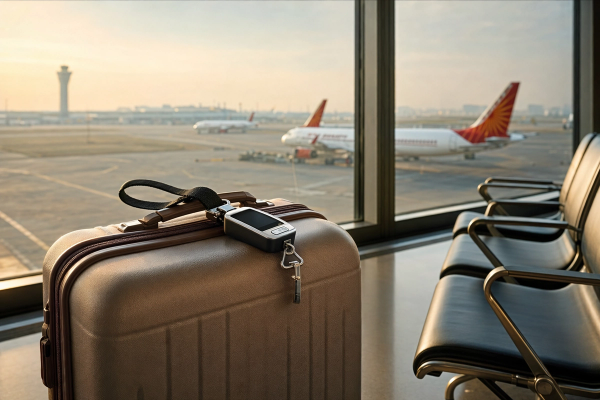
#I used to think one giant suitcase solves everything. It doesn’t. It becomes a giant messy box of regret by day two. Better idea: one check-in suitcase for outfits, one cabin bag with one full backup wedding look plus essentials, and garment covers for the important pieces. If the airline delays your checked luggage, at least you’re not wearing airport joggers to the sangeet. Seen it happen. Not ideal.
Roll basic clothes, but don’t roll heavy embellished wear unless you know how. Use tissue paper between embroidered pieces. Keep jewellery in pouches, not tangled in one pouch like some sort of festive electrical wiring. Pack steam-release wrinkle spray if you use it, though many hotels can help with pressing. Luxury wedding hotels obviously do this better. Mid-range properties can too, but maybe slower.
Where guests usually stay, and what it costs now
#Okay, this isn’t exactly packing, but it affects what you pack. If the wedding is in a luxury hotel or palace property, a lot of your logistics become easier. Laundry, ironing, salon access, transfers, all sorted. Destination weddings in places like Jaipur, Udaipur, Goa, and Kerala often happen in upscale resorts where rooms can range anywhere from roughly ₹8,000 to ₹25,000+ a night for good properties, and much, much higher if it’s a big-name luxury brand. In metros, solid business hotels can start around ₹4,000 to ₹8,000, while premium stays jump quickly.
If you’re not staying at the wedding venue and are booking independently, choose location over fantasy. Traffic in Indian cities can eat your soul a bit. Staying 45 minutes away because the hotel looked cute online is not worth missing the baraat. Also check if the property has reliable hot water, elevators, ironing service, and early breakfast if there’s a morning ceremony. This stuff sounds small till it’s 6 am and you’re trying to drape a saree on no sleep.
Beauty, grooming, and the tiny stuff that quietly saves the day
#You really don’t need to carry your whole bathroom. But wedding grooming in India can be intense because of heat, long hours, and photos nonstop. I keep it basic now. Long-wear but not heavy makeup, compact powder, setting spray, dry shampoo, safety pins, mini perfume, and products that I know work in humidity. Don’t experiment with a brand-new foundation right before a wedding trip. Why create drama for yourself?
For men, same logic. Good grooming kit, beard trimmer if you use one, sweat-proof deodorant, face wash, hair product that survives humidity, maybe collar stays if you’re wearing formal shirts. And if you’re planning salon appointments in India, book ahead if it’s peak wedding season. In many wedding cities, good artists and salons are overbooked, specially on auspicious dates.
Food, stomach safety, and why I always pack one boring snack
#Indian wedding food is incredible. Like dangerously incredible. Live chaat counters, kebabs, dosas, regional sweets, midnight Maggi at afterparties in some places, proper coffee in the South, rich desserts in the North... but if you’re flying in from abroad and your stomach is sensitive, be a little sensible the first day. Jet lag plus spicy food plus sweets plus maybe celebratory drinks is a combination that can humble anyone.
I usually tell people to pack a few safe snacks, digestive tablets, and rehydration packets. Eat the wedding food, obviously, that’s half the joy, but pace yourself. Bottled water is easy to find in hotels and major venues. If you’re exploring local markets before or after the wedding, choose busy and reputable food spots. India is amazing for food travel, but don’t go fully reckless on day one, yaar.
Cultural details that help you blend in respectfully
#This bit matters. You don’t need to act Indian to attend an Indian wedding, but a little cultural awareness goes a long way. Modesty expectations can vary by family and ceremony. Covering shoulders or carrying a dupatta/shawl is smart for religious venues. It’s normal to remove shoes in temples or some homes. Public drunkenness at a family wedding... not a good look. And yes, people may feed you too much. That is affection. Resistance is mostly symbolic.
Gift-wise, envelopes with cash are still very common, though many couples now prefer registry gifts or no boxed gifts at all. If you’re travelling internationally, cash in a nice envelope or a thoughtful compact gift is easiest. Also be ready for lots of photos. Family members you met 3 minutes ago may pull you into group pictures. Just go with it. It’s part of the fun, basically.
My honest packing checklist for NRIs and foreign guests
#If you want the shortest possible version, this is the stuff I’d never skip. Not the dreamy Pinterest version. The actually useful version.
- 4 to 6 event-ready outfits depending on schedule, plus 1 backup outfit
- 1 haldi-safe outfit you don’t mind staining
- 3 pairs of shoes minimum: dressy, comfortable, practical
- Shawl or light jacket, even if you think you won’t need it
- Jewellery that matches more than one look
- Safety pins, fashion tape, blister pads, stain wipes
- Medicines, sunscreen, electrolytes, mosquito repellent
- Passport docs, charger, adapter, local payment plan, some cash
- One full wedding look in cabin luggage in case checked baggage vanishes into the universe
And if you still have space, add one simple Indian outfit you can wear for a casual family puja, breakfast, or unexpected extra function. Because there is almost always an unexpected extra function. An “intimate” Indian wedding can still somehow have 200 people and three unannounced events. I don’t make the rules.
Final thoughts before you zip that suitcase
#The best way to pack for an Indian wedding is to accept one truth: this trip is not only about fashion. It’s about stamina, comfort, weather, family energy, travel delays, and being ready to enjoy the madness. You want to look good, sure, but more than that you want to feel relaxed enough to dance at the sangeet, survive a late dinner, sit through a long ceremony, wake up for brunch, and still smile when someone says “just one more photo”. That’s the sweet spot.
Honestly, once you get the basics right, the rest falls into place. Pack smart, not excessive. Leave a little room in your suitcase because you’ll probably shop in India anyway... almost everybody does. And if this is your first shaadi here, lucky you. It’s loud, emotional, slightly insane, sometimes delayed, often gorgeous, and very, very memorable. For more easy travel reads and practical India guides, have a look at AllBlogs.in.