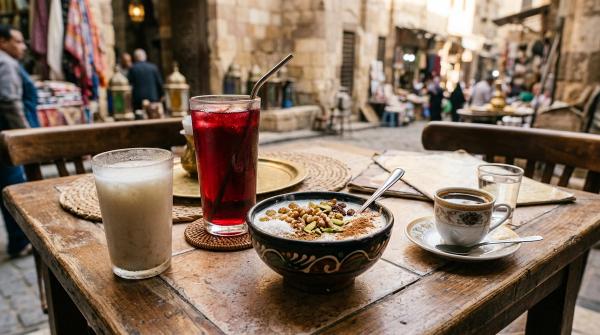
Cambodia is one of those countries where the food looks familiar for about three seconds and then surprises you. There’s rice everywhere, coconut milk in curries, fresh herbs, grilled snacks, tropical fruit, and enough chilli on the side to keep an Indian palate happy. But for Indian travelers, especially vegetarians, Jains, and families traveling with children or elders, Cambodia also needs a little planning. Fish sauce hides in “veg” dishes, street food hygiene varies by stall, and outside Phnom Penh and Siem Reap, pure vegetarian restaurants become rare fast.
That doesn’t mean you should survive on packaged snacks and hotel breakfast toast. Some of my best Cambodia food memories came from simple, careful choices: a clean bowl of coconut-rich Khmer curry in Siem Reap, crisp chive cakes at a market stall where the oil looked fresh and the turnover was high, peppery Kampot dishes adjusted without meat, and a South Indian dosa in Phnom Penh when my stomach needed something familiar. Cambodia rewards the traveler who asks questions, watches the cooking, and knows when to say no.
First, Understand Cambodian Food Before You Start Ordering
#Khmer food is not Thai food, though the two share ingredients like lemongrass, galangal, lime, coconut milk, tamarind, palm sugar, and fresh herbs. Cambodian cooking is usually gentler on chilli than Thai cooking, earthier than Vietnamese food, and less curry-heavy than Indian food. The national comfort zone is rice with soup, vegetables, herbs, fermented flavors, and grilled or stir-fried protein. For non-vegetarians, the big names are fish amok, beef lok lak, bai sach chrouk, and kuy teav. For vegetarians, the key is not just removing meat; it’s checking broth, fish sauce, shrimp paste, oyster sauce, and chicken powder.
The word “vegetarian” can be interpreted loosely in Cambodia. A vendor may remove visible meat but still use fish sauce because, locally, that’s seasoning rather than the main ingredient. This is the single most important food lesson for Indian travelers. If you’re okay with eggs and sauces, Cambodia becomes easier. If you’re strict vegetarian, vegan, or Jain, you’ll need a translation card, patient ordering, and a few backup restaurants marked on your map.
Useful Khmer Food Phrases for Indian Vegetarians
#Keep these phrases saved on your phone and show them politely before ordering. Pronunciation varies, and written Khmer works better than English in local markets, so it’s smart to use a translation app and screenshot the request. Don’t rush the conversation; Cambodian vendors are usually kind, but busy stalls may not have time for detailed customization.
- Vegetarian / no meat: “A-har buos” is commonly understood as vegetarian or monk-style food, but still confirm no fish sauce.
- No meat, no fish: Say or show: “No chicken, no pork, no beef, no fish.”
- No fish sauce: “No fish sauce” is essential. Ask again if the dish is stir-fried or salad-based.
- No oyster sauce / shrimp paste: Useful for fried rice, noodles, morning glory, and vegetable stir-fries.
- No egg: Say clearly if you’re vegan or Jain. Fried rice and noodles often include egg by default.
- Jain note: Onion, garlic, and root vegetables are not automatically avoided in Cambodia. Explain ingredient by ingredient, or eat at Indian restaurants where the kitchen understands the requirement.
The Best Cambodia Food Cities for Indian Travelers
#| Destination | Why go for food | Vegetarian comfort level | Hygiene notes |
|---|---|---|---|
| Phnom Penh | Best Indian restaurants, modern cafés, markets, Cambodian classics, international options | High, especially around BKK1, Riverside, and expat-friendly areas | Good choice for your first or last stop; easier to find filtered water, clean cafés, and familiar food |
| Siem Reap | Angkor temples plus strong veg/vegan scene, food tours, cooking classes, Khmer tasting menus | High by Cambodian standards | Tourist-friendly kitchens are used to dietary requests; still check sauces and stocks |
| Battambang | Laid-back food town, cooking classes, market snacks, social enterprise cafés | Medium | Good for adventurous eaters; strict vegetarians should plan lunch and dinner ahead |
| Kampot | Pepper farms, riverside cafés, vegan-friendly backpacker food, Kampot pepper dishes | Medium to high in town | Great produce and cafés; be careful with seafood-heavy menus near the river |
| Kep | Crab market, seafood, coastal eating | Low for strict vegetarians | Go for views and Kampot pepper, but don’t expect many pure veg meals |
| Koh Rong / islands | Beach cafés, simple guesthouse food | Low to medium | Hygiene and cold-chain reliability vary; stick to busy places and bottled water |
Phnom Penh: Where to Start If You’re Nervous About Food
#Phnom Penh is the best landing point for Indian travelers who want to ease into Cambodia. It has the country’s widest range of Indian restaurants, cleaner modern cafés, supermarkets, delivery apps, and hotel kitchens used to international requests. I like Phnom Penh as a “reset city”: if you’ve spent two days eating market snacks or temple-town food, this is where you can get curd rice, dal, dosa, or a clean salad without overthinking every ingredient.
For vegetarian-friendly Cambodian and café-style meals, look around the BKK1 area, Bassac Lane side streets, Riverside, and Tuol Tom Poung. Places such as Backyard Cafe and Farm to Table are popular with travelers looking for cleaner, produce-forward food, smoothie bowls, salads, and vegan-friendly plates. For Khmer food in a polished setting, Malis is a well-known name; it’s not vegetarian-only, but the staff are more likely to understand dietary adjustments than a random roadside stall. Eleven One Kitchen is another commonly recommended Cambodian restaurant with a relaxed atmosphere and vegetable options, though strict vegetarians should still confirm sauces.
When homesickness hits, Indian restaurants in Phnom Penh are a practical blessing. Namaste India is a long-running option, and you’ll also find South Indian and North Indian places around tourist and expat neighborhoods. Masala Dosa Street Kitchen is worth checking if you’re craving dosa, idli, or familiar vegetarian comfort food. As with any city, confirm current opening hours before you go; restaurant turnover in Southeast Asia can be quick, and Google Maps’ latest reviews are more useful than old blog posts.
What to Eat in Phnom Penh Without Regret
#- Vegetable amok: Ask if it can be made without fish sauce or shrimp paste. The coconut, turmeric, lemongrass, and banana leaf flavors are worth trying.
- Nom ka chai: Cambodian chive cakes, pan-fried until crisp. Good market snack if cooked fresh in front of you.
- Vegetable fried rice or noodles: Safe only after confirming no fish sauce, oyster sauce, meat stock, or egg if needed.
- Fresh tropical fruit: Mango, dragon fruit, rambutan, pineapple, banana, and mangosteen when in season. Prefer whole fruit you peel yourself.
- Khmer curry with vegetables: Mild, coconut-based, usually comforting for Indian palates. Again, check the base stock.
Siem Reap: The Easiest Veg Food Stop Near Angkor
#Siem Reap is where Cambodia becomes surprisingly friendly for vegetarian travelers. The town has grown around Angkor tourism, so restaurants are used to dietary restrictions, cooking classes often offer vegetarian versions, and food tours increasingly ask about allergies and preferences before confirming bookings. In 2026, this is part of a wider travel trend: food experiences are becoming more customizable. Travelers don’t just want “local food”; they want local food that fits vegan, gluten-free, halal, Jain, low-spice, or child-friendly needs. Siem Reap has adapted better than most Cambodian destinations.
For strict vegetarians, Banlle Vegetarian Restaurant is one of the safest names to keep on your list. It focuses on vegetarian and vegan food, with Khmer-influenced dishes, fresh vegetables, and a calm garden setting. Chamkar House is another well-known vegetarian restaurant in Siem Reap, popular for plant-based Cambodian flavors rather than just Western café food. Peace Cafe has also been known for vegetarian meals, community workshops, and a gentle traveler atmosphere; check current timings before planning around it.
If you’re traveling with mixed eaters, restaurants like Haven, Sister Srey Cafe, Mie Cafe, and some hotel restaurants can work well because they offer both Cambodian and international dishes, with more staff awareness around ingredients. For a splurge, Siem Reap’s modern Cambodian dining scene has been rising for years, with places such as Cuisine Wat Damnak, Embassy, and Lum Orng shaping the city’s culinary reputation. These are not budget veg stops, and not all are vegetarian-focused, but they show how Cambodian food is moving beyond backpacker menus into seasonal, local, and chef-led dining.
Angkor Temple Day Food Plan: Don’t Wing It
#Temple days are where many Indian travelers make avoidable food mistakes. You start before sunrise, skip breakfast, drink too little water, then eat the first oily noodles available near a temple when you’re exhausted. Angkor is magical, but the heat and walking can punish your stomach. A better plan is simple: carry safe snacks, eat a proper breakfast, and choose lunch near areas with reliable tourist restaurants rather than random low-turnover stalls.
- Before sunrise: Eat a banana, packaged biscuits, thepla, khakhra, or a small hotel-packed breakfast. Don’t start on an empty stomach if you’re prone to acidity.
- Morning hydration: Carry sealed bottled water or a bottle filled from your hotel’s filtered station. Add ORS if you sweat heavily.
- Lunch: Return toward Siem Reap town if you’re strict vegetarian, or use a pre-checked restaurant near the temple circuit.
- Avoid: Cut fruit sitting open, watery chutneys, lukewarm curries, ice from unknown sources, and noodle soups unless you know the broth.
- Evening: Book a good vegetarian dinner in town. After a temple day, comfort and cleanliness matter more than experimentation.
Battambang: Markets, Cooking Classes, and Gentle Food Discovery
#Battambang doesn’t have the restaurant density of Phnom Penh or Siem Reap, but it’s one of Cambodia’s loveliest food towns if you enjoy slower travel. The central market is lively, the surrounding countryside supplies fresh produce, and cooking classes here tend to feel less commercial. Nary Kitchen and Coconut LyLy are names many travelers look up for cooking classes; ask ahead for vegetarian versions and be very clear about sauces. A class is often a better route than random ordering because you can see every ingredient before it goes into the wok.
For restaurants, Jaan Bai has been a respected social enterprise restaurant with Cambodian and Southeast Asian dishes, and it usually has vegetarian-friendly options. Kinyei Cafe is useful for coffee, breakfast, and lighter meals. Battambang is also a good place to try simple fruit shakes, baguettes, rice dishes, and vegetable stir-fries, but the strict vegetarian rule remains the same: no fish sauce, no oyster sauce, no meat stock. If you’re Jain, pre-ordering is strongly advised.
Kampot and Kep: Pepper, Cafés, and the Seafood Trap
#Kampot is famous for Kampot pepper, a protected Cambodian ingredient with a floral, sharp, beautifully aromatic profile. It’s one of the best edible souvenirs from the country and one of the easiest ways for Indian cooks to bring Cambodia home. Visit a pepper farm if your schedule allows; many farms explain the difference between black, red, white, and green pepper, and some offer simple tastings. Green peppercorn dishes are often cooked with seafood or beef, but vegetarian versions can be excellent if the kitchen is willing: tofu, mushrooms, eggplant, or mixed vegetables with fresh green pepper are all worth asking for.
Kampot town has a relaxed café culture, and Simple Things has been a favorite among vegetarian and vegan travelers for exactly the reason the name suggests: clean, satisfying, plant-based food when you need a break from fish sauce negotiations. Epic Arts Cafe is another useful stop, known for its inclusive social mission and traveler-friendly meals. Kep, on the other hand, is a seafood destination. The crab market is iconic, especially for crab with Kampot pepper, but strict vegetarians may feel left out. Go for the coastal atmosphere, order carefully, and don’t assume a vegetable dish is cooked separately from seafood.
Street Food Hygiene: How to Choose a Stall in Cambodia
#Street food in Cambodia can be wonderful, but hygiene is uneven. I don’t judge by whether a stall looks fancy; I judge by movement, heat, water, and hands. A busy stall cooking one or two items repeatedly is usually safer than a quiet stall with twenty dishes sitting in trays. Food should be hot, cooked fresh, and served quickly. If the vendor handles money and food with the same hand, if sauces look uncovered and watery, or if cooked food has been sitting in the heat, walk away. There’s always another stall.
- Choose high-turnover stalls where locals are eating, not stalls waiting only for tourists.
- Prefer food cooked in front of you: pancakes, chive cakes, grilled corn, fried bananas, fresh noodles, or made-to-order stir-fries.
- Avoid raw salads from street stalls unless you trust the washing water.
- Be careful with ice. Factory-made tube ice with a hole is generally safer than random crushed ice, but if you’re sensitive, skip it.
- Use bottled water for drinking and brushing teeth if your stomach is delicate.
- Carry hand sanitizer, tissues, ORS, and basic stomach medication recommended by your doctor.
A Practical Veg Ordering Checklist
#This checklist saves stress, especially when you’re tired or hungry. Cambodia is not a country where you should order a “veg fried rice” and relax. Ask the full question before you order, not after the dish arrives. Smile, point, translate, and confirm. If the person looks unsure, choose something else.
- Is the dish cooked in vegetable oil, not pork fat or shared meat gravy?
- Does it contain fish sauce, oyster sauce, shrimp paste, dried shrimp, or chicken powder?
- Is the rice or noodle cooked fresh, or has it been sitting?
- Can they make it without egg?
- Can they use soy sauce, salt, lime, chilli, and garlic instead of fish sauce? If you avoid garlic, say that too.
- Is the wok used for meat? If cross-contamination matters to you, choose a vegetarian restaurant or Indian restaurant.
What Indian Travelers Should Pack for Food Safety and Comfort
#A small food kit makes Cambodia much easier, especially for vegetarians. You don’t need to carry half your kitchen, but familiar dry snacks can rescue early mornings, long bus rides, and towns where dinner options close early. Pack thepla, khakhra, roasted makhana, protein bars, dry fruits, instant poha/upma cups, tea bags, and small sachets of pickle if you like. Avoid carrying fresh fruits, homemade wet food, or anything that can leak or spoil in the heat. If you’re traveling with children or elders, ORS is non-negotiable.
In 2026, food travel is also more app-driven than ever. Use Google Maps recent reviews, not just star ratings. Search terms like “vegan,” “vegetarian,” “Indian,” “Jain,” and “food poisoning” inside reviews can be revealing. WhatsApp restaurants before arrival if you need Jain food or no onion-garlic meals. Many mid-range restaurants now use QR menus, but don’t rely on menu labels alone; allergen and vegetarian labeling is still inconsistent in Cambodia. Delivery apps can help in Phnom Penh and Siem Reap, though they’re less useful in smaller towns.
Markets Worth Visiting, Even If You Don’t Eat Everything
#Cambodian markets are part food court, part grocery, part social theatre. Phnom Penh’s Central Market and Russian Market are popular with travelers, while local wet markets give a better look at everyday Khmer cooking. In Siem Reap, the Old Market area is touristy but convenient, and evening food areas near Pub Street are easy to explore. Battambang’s central market has a more local rhythm. Go early if you care about freshness and photography; go at dinner time if you want atmosphere and hot snacks.
Vegetarian-friendly market foods include grilled corn, palm sugar sweets, sticky rice with banana, coconut desserts, fresh sugarcane juice, fried banana, chive cakes, baguettes with egg or cheese if available, and fruit. Hygiene still matters. I avoid pre-cut fruit unless I see it being cut fresh with a clean knife. I also avoid drinks where ice is scooped from an open cooler with bare hands. Cambodia’s heat is unforgiving, and one bad drink can ruin two temple days.
Food Souvenirs to Bring Back to India
#Cambodia has excellent edible souvenirs if you shop carefully. Kampot pepper is the standout: buy from reputable farm shops or sealed packets that mention origin and type. Palm sugar is another lovely ingredient, especially for desserts and tea. You’ll also find cashews, dried mango, lotus tea, lemongrass tea, local coffee, and spice mixes. Check India’s customs rules before packing agricultural products, and keep everything sealed and labeled. Don’t bring fresh produce, unpackaged powders, or anything oily that may leak into your luggage.
What to Avoid If You Have a Sensitive Stomach
#- Raw herbs and salads from unknown kitchens, especially if washed in tap water.
- Buffet food sitting lukewarm for hours.
- Cheap seafood in places without obvious refrigeration.
- Very spicy food on day one. Let your stomach adjust before testing chilli limits.
- Unsealed water bottles or bottles opened before reaching your table.
- Smoothies with unknown ice or pre-cut fruit.
- Bus-stop meals where food has low turnover and poor hand hygiene.
A Simple 7-Day Veg-Friendly Cambodia Food Route
#If I were planning a first Cambodia trip for Indian vegetarian travelers, I’d keep the route focused rather than trying to see everything. Start with two nights in Phnom Penh to settle in, try one Cambodian restaurant and one Indian comfort meal, and pick up snacks from a supermarket. Then spend three nights in Siem Reap for Angkor, vegetarian restaurants, a cooking class, and one nicer Cambodian meal. Add one or two nights in Kampot if you’re curious about pepper farms and riverside cafés. Skip the islands on a short food-focused trip unless you’re comfortable with limited veg choices and basic hygiene conditions.
For families, I’d make the trip even simpler: Phnom Penh and Siem Reap only. For younger backpackers with flexible diets, add Battambang. For strict Jain travelers, book hotels with kitchen flexibility, email restaurants ahead, and carry more dry food than you think you’ll need. Cambodia is kind, warm, and hospitable, but it isn’t built around Indian vegetarian norms. Planning makes the difference between “I couldn’t eat anything” and “I found some surprisingly beautiful meals.”
Final Thoughts: Eat Curious, But Don’t Eat Carelessly
#Cambodia’s food scene is changing quickly. Plant-based cafés, chef-led Khmer restaurants, food tours with dietary filters, farm visits, QR menus, and cleaner travel cafés are all making the country easier for Indian vegetarians than it was a decade ago. At the same time, the old rules still matter: hot food, clean water, clear questions, and no assumptions about sauces. The best meals happen when you balance curiosity with caution.
Go for the amok, the pepper, the fruit, the markets, the café breakfasts, the temple-day snacks, and the occasional dosa when your stomach wants home. Cambodia won’t always be effortless for Indian travelers, but it’s absolutely rewarding when you know how to order and where to look. For more practical food routes and travel planning ideas, keep an eye on AllBlogs.in.
Related reading
#For more context, read Malaysia Food Courts for Indian Travelers: Veg, Seafood & Hygiene, Vietnam Food Markets for Indian Travelers: Veg & Hygiene Tips, Sri Lanka Food Stops for Indian Travelers, Bali Warung Hygiene for Indian Vegetarians: Safe Orders, and Nepal Food Guide for Indian Travelers.