The first morning I stopped pretending I knew what I was doing
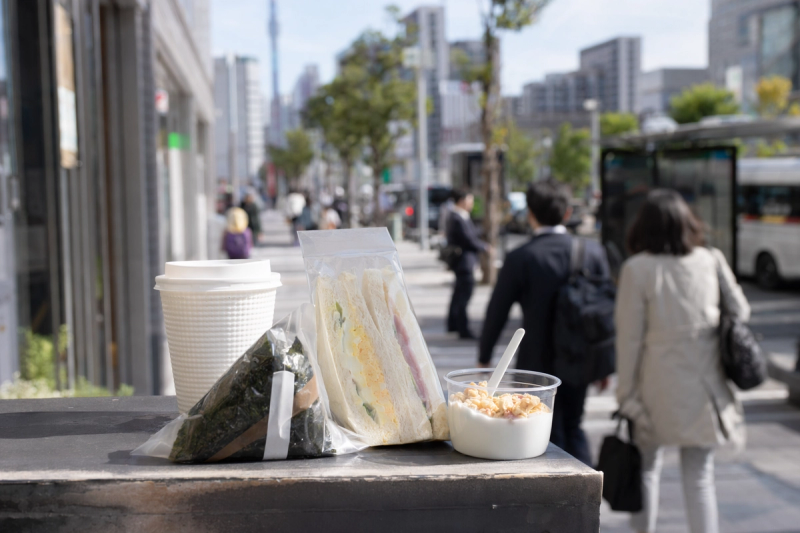
#My first breakfast in Japan was not some dreamy ryokan tray with grilled fish and miso soup arranged like art. I wish I could say it was. Actually, I was standing outside a FamilyMart near Shinjuku Station at 6:40 in the morning, hair doing its own terrible thing, phone battery at 18%, and my stomach making those rude empty noises because my airline meal had been tiny and sad. I had landed the previous night from India, slept badly, and woke up with one thought: chai. Proper chai. Cardamom, ginger, the whole thing. Japan, bless it, gave me hot canned coffee and a konbini egg sandwich instead. And honestly? It was wonderful in that slightly confusing travel way.
If you are an Indian traveler in Japan, especially on your first trip, convenience stores are going to become your breakfast lifeline. 7-Eleven, Lawson, FamilyMart, and sometimes Mini Stop or Daily Yamazaki, they are everywhere in big cities and even at many train stations. In Japan they are called konbini, and they are not like the dusty emergency snack shops we sometimes imagine back home. They are bright, efficient, open early or all night, and full of food that is weirdly fresh for something sitting under fluorescent lights. I know, I also judged it at first. Then I ate my third onigiri on a rainy Kyoto morning and stopped being dramatic.
Why konbini breakfast works so well for Indian travelers
#Japan is an incredible food country, no argument there, but breakfast can be tricky if you come from India. We are used to choices that actually feel like a meal: poha, idli, paratha, dosa, upma, bread-omelette, chai, maybe something spicy enough to wake up your soul. Japanese breakfast, when you find the traditional kind, can be rice, miso soup, pickles, fish, egg, natto, seaweed. Beautiful, but not always easy if you are vegetarian, Jain, don’t eat fish, don’t like seaweed first thing in the morning, or just need caffeine before making moral decisions.
Konbini solve a lot of that. They open early. They have pictures. You can grab food before catching a Shinkansen. You can pay with cash, card, or transport IC cards in many stores, though I still kept coins because vending machines and tiny panic moments. Most stores can heat food for you if you ask or point politely. And the portions are small enough that you can experiment without destroying your budget or your mood. Prices change by city and item, so I won’t pretend one neat number fits everything, but most breakfasts I made were in the “a few small items and a drink” zone, not fancy cafe money.
- If your hotel breakfast is too expensive or too non-veg heavy, konbini is the backup.
- If you are leaving at 7 am for Mount Fuji, Nara, Nikko, Hakone, wherever, konbini is the plan.
- If you are vegetarian and tired of explaining “no fish also”, konbini is still tricky, but at least labels give you something to work with.
- If you just want to stand outside in cold air eating a warm pancake sandwich, nobody will judge you. Okay maybe they won’t even notice.
My go-to konbini breakfast plate, Indian stomach approved-ish
#After a few mornings of trial, errors, and one regrettable mystery bun that tasted like dessert pretending to be lunch, I found a rhythm. My ideal konbini breakfast was usually one rice item, one protein-ish item, one fruit or yogurt, and a drink. Not always perfect nutrition, but travel breakfast is about survival and joy, not some gym influencer chart. On a Tokyo morning I’d do an onigiri with plum, a boiled egg if I was eating eggs, a banana, and hot coffee. In Kyoto, where I walked ridiculous distances because every lane looked like it might contain enlightenment, I added a sweet red bean bun and called it cultural research.
Onigiri is the first thing I tell Indian travelers to try. It is rice shaped into a triangle or cylinder, usually wrapped with nori seaweed, with filling in the center. The packaging has a little numbered pull system that made me feel like I was defusing a bomb the first time. Fillings matter a lot. Umeboshi, which is pickled plum, is sour and salty and wakes you up fast. Kombu, simmered kelp, can be good for vegetarians in theory, but please check labels because sometimes bonito or fish-based seasoning sneaks in. Tuna mayo is everywhere, salmon is everywhere, and neither helps if you are vegetarian. There are also plain salted rice balls sometimes, which are boring in the exact way plain rice can be comforting when you’re tired.
Sandwiches, buns, and the famous egg sando situation
#The Japanese egg sandwich is famous for a reason. Soft milk bread, creamy egg filling, cut neatly, tastes like someone took a simple train-station snack and gave it manners. If you eat eggs, try it once from 7-Eleven or Lawson or FamilyMart and then try not to compare every airport sandwich for the rest of your life. I failed. There are also fruit sandwiches with cream and strawberries, which feel like breakfast only if you have a very generous definition of breakfast. I do, when on holiday.
For Indian vegetarians who don’t eat egg, sandwiches become more complicated. Many vegetable sandwiches may still contain ham, fish flakes, gelatin in sauces, or animal-derived seasonings. Cheese items can be fine, but again labels. Sweet buns are safer sometimes: melon pan, red bean anpan, custard bread if you eat egg and dairy. But don’t assume every “plain” bread is vegetarian because some bakery items can use shortening, emulsifiers, or fillings that are not obvious. I know this sounds exhausting. It is a little exhausting. But after two days you get faster, like some detective who only investigates breakfast.
The label-reading part nobody tells you properly
#This is where I need to be a tiny bit serious. Japan has food labeling rules and major allergens are commonly highlighted, including things like egg, milk, wheat, buckwheat, peanut, shrimp, crab, and walnut. That helps, but it does not automatically tell you if something is vegetarian in the Indian sense. A product may clearly show wheat and egg, but fish extract or chicken stock can still be buried in the ingredient list. Dashi, the base of so much Japanese flavour, is often made with bonito flakes, though it can also be kombu-based. The problem is not Japanese food being “bad” for vegetarians. It’s just a different food culture where fish stock is considered background seasoning, like we might use hing or jeera without thinking.
Learn a few characters or save them in your phone. Ingredient list is usually 原材料名. Meat is 肉. Chicken is 鶏, pork is 豚, beef is 牛. Fish is 魚. Bonito is かつお or 鰹. Gelatin is ゼラチン. Lard is ラード. Shrimp is えび, crab is かに. Egg is 卵, milk is 乳. If you see “extract” written in English on a sticker, still don’t relax too quickly, because “pork extract” and “chicken extract” are common in soups, noodles, sauces, and even things that look harmless. I’ve written before about how confusing this gets in other countries too, and this guide on Vegetarian Food Labels Abroad: Hidden Ingredients is honestly the kind of thing I wish I had read before my first supermarket panic abroad.
| Japanese label clue | What it can mean for breakfast | Indian traveler note |
|---|---|---|
| 原材料名 | Ingredients list | Start here, don’t rely only on front photos |
| かつお / 鰹 | Bonito fish | Common in dashi, even in seaweed or rice items |
| ゼラチン | Gelatin | Avoid if vegetarian or Jain |
| 豚 / 牛 / 鶏 | Pork / beef / chicken | Can appear as extract or stock, not only meat pieces |
| 卵 / 乳 | Egg / milk | Useful for eggetarian and dairy choices |
| こんぶ / 昆布 | Kombu kelp | Often veg-friendly, but check for bonito seasoning |
The breakfast items I kept buying, again and again
#There are things I bought once for curiosity, and things I returned to because travel makes you loyal to small comforts. Plain yogurt was one. Japanese yogurt tends to be smooth and mild, and with a banana it became my “I need my stomach to behave today” breakfast. Fresh fruit in konbini can be pricey compared with India, and yes, I winced paying for cut pineapple the first time, but on day five after too much fried food, that little plastic cup tasted like medicine. Not medical medicine, relax, just emotional medicine.
Boiled eggs are also everywhere, usually with a lightly salted taste. For egg-eating travelers, they are brilliant. Pair with rice ball and coffee and you’re done. There are also salads, but dressings can contain fish or meat extract, so watch it. Miso soup cups are tempting, especially on cold mornings, but many use fish-based dashi. Instant noodles are even more dangerous for vegetarians because the picture might show vegetables while the soup base is pork, chicken, seafood, or all of the above having a party.
Sweet breakfast, because holiday logic is not normal logic
#I developed an unreasonable affection for konbini sweets. Dorayaki with red bean paste. Baumkuchen slices. Mochi. Cream puffs. Pancake sandwiches with margarine and syrup tucked inside like a tiny sugar trap. Are these ideal breakfast? No. Did I eat them at 8:15 am before walking through Arashiyama bamboo grove? Absolutely yes. Sometimes travel food memories are not about authenticity. Sometimes they are about standing near a station bin, licking custard off your finger, while an elderly Japanese aunty walks past dressed better than you have ever dressed in your life.
One thing Indian travelers may enjoy is that Japanese sweets are often less aggressively sweet than many Western desserts, though konbini cream items can still be rich. Red bean paste might split opinion. Me and my friend had a small argument about it near Osaka Castle because I loved it and he said it tasted like “rajma dessert,” which was unfair but also... I understood what he meant. Try it anyway. Travel is not for eating only familiar things.
Coffee, tea, and the painful absence of proper chai
#Let’s talk beverages. Konbini coffee is genuinely good for the price and convenience. Most major chains have self-serve hot coffee machines near the counter. You buy the cup, put it in the machine, press the size button, and pray you pressed hot not iced. I once stood there too long because the buttons were in Japanese and a salaryman behind me silently aged five years. Staff are usually kind, but they are busy, so don’t treat the counter like a tourist information desk.
Tea is available, but Indian chai people need to adjust expectations. You’ll find bottled green tea, roasted barley tea, milk tea, cafe latte, sometimes spiced seasonal drinks if luck is feeling cute. But masala chai? Not really a standard konbini thing. I started carrying tea bags from India and used hotel kettles. If you need ginger tea in the morning to become a functioning adult, pack some. Same with snacks for kids or elders. Actually, if you have strict food needs, don’t rely on the flight or arrival airport to magically sort everything. This is true for Japan and anywhere else. The advice in Airline Special Meal Not Loaded? What Travelers Should Do applies so well here: always carry a safe backup before landing tired and hungry.
Vegetarian, Jain, and halal-ish realities at Japanese konbini
#I’ll be honest because sugarcoating helps nobody. Strict vegetarians can eat from Japanese konbini, but it takes patience. Jain travelers will find it much harder because onion, garlic, root vegetables, gelatin, sauces, and hidden stocks are not always easy to identify. Halal travelers also need caution because pork extract, alcohol in sauces, and gelatin can show up in places you do not expect. Japan has more vegetarian, vegan, and halal awareness than before, especially in big tourist areas, but konbini shelves are still made for everyday local convenience, not specifically Indian dietary systems.
Safer-ish options for vegetarians can include plain rice balls, umeboshi onigiri, some kombu onigiri after checking, bananas, plain yogurt if you take dairy, milk, some cheese items, nut packs, salads without dressing or with checked dressing, sweet red bean buns, some breads, and packaged fruits. But “safer-ish” is doing heavy work. I met a Gujarati couple in Kyoto who survived mornings on bananas, yogurt, and bread because they were too nervous to risk labels. I didn’t blame them. They had come from a long Europe trip too, and we ended up chatting about how vegetarian travel is a skill you build continent by continent. If that’s your life, this piece on Croatia & Slovenia Vegetarian Food for Indians has a similar vibe of supermarket backups and menu confusion.
A very practical konbini breakfast strategy for your first week
#- On day one, keep it simple. Buy bottled water, bananas, yogurt, bread, maybe an egg sandwich if you eat egg. Don’t make your first jet-lagged morning a label exam.
- Choose a chain near your hotel and learn its layout. After two visits, you’ll know where the rice balls, hot drinks, bakery shelf, fruit, and microwave area are. It becomes weirdly comforting.
- Use Google Translate camera mode, but don’t trust it blindly. It sometimes translates food words in hilarious and dangerous ways. “Pork extract” once became “pig essence” on my screen and I nearly dropped the cup noodles.
- Ask staff for heating if needed by saying “atatamete kudasai” or just pointing to the microwave symbol. Many bentos and hot items can be warmed. Breakfast rush is busy, so be quick and polite.
- Carry a small foldable spoon or use the one provided, and take napkins when offered. Public bins are not everywhere in Japan, so you may need to carry trash until you find a store bin or station bin.
Tokyo mornings: Shinjuku, Ueno, and the station breakfast life
#Tokyo is where konbini breakfast feels most like a sport. Everyone is moving fast. Office workers grab coffee and sandwiches. Students buy rice balls. Tourists stare at the fried chicken case like it contains secrets. In Shinjuku, I loved the convenience of ducking into a 7-Eleven before catching trains, but the stores can be crowded and tight. Ueno felt slightly calmer in the morning, especially if you’re heading to museums or the park. Near big stations, konbini shelves can get picked over during rush hours, so if you see the vegetarian-ish item you want, don’t wander away thinking you’ll compare options at the next store. This is not Sarojini bargaining. Just buy it.
One of my favourite Tokyo breakfasts was embarrassingly simple: ume onigiri, hot black coffee, and a custard taiyaki from a nearby stall later, because I am not made of discipline. I ate the rice ball while walking toward the station, then remembered Japan generally prefers people not eat while walking around in busy public spaces. So I stopped near a side area and finished it like a guilty school kid. You’ll see locals eating on trains less than in many countries, especially on regular commuter trains. On Shinkansen, eating a bento is normal. On a packed Yamanote Line at 8 am, please don’t open your tuna mayo sandwich and perfume the carriage.
Kyoto mornings are slower, but breakfast still matters
#Kyoto made me appreciate konbini in a different way. The city can be gentle and elegant, but tourist days there are long. Temples open early, buses get crowded, and if you plan Fushimi Inari at sunrise, you need food before most cafes are ready. I bought breakfast the night before more than once. A yogurt, a rice ball, a sweet bun. Not glamorous, but sitting on a hotel window ledge eating melon pan while the street below slowly wakes up? That’s a travel memory too, even if Instagram doesn’t care.
There are lovely traditional breakfasts in Kyoto if you have time and budget, and some hotels do beautiful spreads. But as an Indian traveler, I liked having konbini as the safety net. It gave me freedom to start early and then spend lunch properly, maybe on soba if I could confirm the broth, or tofu cuisine around Arashiyama, or a vegetarian-friendly place I had researched in advance. Breakfast did not have to carry the whole cultural burden. It could just be rice, coffee, and me trying not to miss a bus.
Osaka: where konbini breakfast competes with actual temptation
#Osaka is dangerous for people who love food. You wake up thinking you’ll have a sensible konbini breakfast, and by noon you are staring at takoyaki, okonomiyaki, kushikatsu, and every fried smell in Dotonbori. For vegetarians, Osaka’s famous street foods are not automatically easy because broths, bonito flakes, octopus, meat, and sauces are everywhere. So I actually used konbini breakfast as my calm start before the chaos. Coffee. Banana. Maybe a red bean bun. Then I could spend mental energy finding a proper vegetarian lunch instead of being hungry and making poor decisions.
My weird Osaka discovery was that I liked buying breakfast late at night. After wandering around Namba, I’d stop at Lawson and pick next morning’s items while still awake enough to read labels. Morning-me is useless. Night-me is more responsible, apparently. This also helps if you have early day trips to Nara or Himeji. Store selection can vary, but the big chains near stations are usually stocked well late evening. Just check expiry times because some fresh items are meant to be eaten soon.
What to avoid when you’re half-asleep and hungry
#First, don’t assume green packaging means vegetarian. Japan loves elegant green labels for all sorts of things, including fishy things. Second, don’t assume vegetable soup is vegetarian. Third, don’t buy cup noodles blindly unless you’re okay with pork, chicken, seafood, or mystery stock. Fourth, don’t panic if you make a mistake. It happens. Give the item to a travel partner who eats it, or dispose responsibly. Nobody learns a foreign food system perfectly on day one.
Also, be careful with “konbini fried chicken” if you don’t eat meat. It is a cult favourite for many travelers, and yes, the smell is unfairly good, especially in winter. But most hot case items are chicken, pork, croquettes with meat, or fish-based. Some potato croquettes may look vegetarian but can contain meat or animal stock. I know someone will say “but I found a vegan one in Tokyo,” and yes, possible. Japan has occasional plant-based items, especially in bigger cities, but availability changes and you cannot build your whole plan on one viral snack you saw online last year.
A sample three-day konbini breakfast plan I’d actually use
#Day one, arrival recovery: banana, plain yogurt, bottled water, hot coffee or milk tea, and a sweet bun. Easy on the stomach, no big decisions. Day two, sightseeing day: umeboshi or checked kombu onigiri, boiled egg if you eat it, fruit cup, black coffee. Day three, train day: sandwich if suitable for your diet, rice ball, nuts, and a drink you can close and keep in your bag. If you’re vegetarian, take extra time the night before to verify labels. If you are traveling with kids or elders, buy familiar snacks whenever you see them because hunger plus language barrier creates family drama so quickly, yaar.
For spice cravings, carry small thepla, khakhra, ready poha cups, masala peanuts, or whatever your family trusts, within Japan’s customs and airline rules. Don’t carry fresh produce, meat products, or anything restricted. Packaged dry snacks are usually the practical route, but always check current entry rules before travel because regulations can change. I carried mini packets of chaat masala and put it on boiled eggs once. Was it classy? No. Did it fix my mood? Completely.
Konbini etiquette, because breakfast is also travel culture
#The food is only half the experience. The other half is learning how Japan does small everyday systems. Queue properly. Have payment ready. Don’t block the tiny aisles with your suitcase if you can avoid it. If the cashier asks something and you don’t understand, it may be about heating, a bag, or cutlery. A smile and a small “sumimasen” goes far. Many stores charge for plastic bags, so carry a tote. Some konbini have seating areas, but not all, and some removed or limit them depending on location. If there’s no seating, eat at your hotel room, a park bench where allowed, or the Shinkansen if you’re traveling long-distance.
Trash is the thing that surprises Indian travelers. Japan is clean, but public bins can be scarce. Konbini often have bins, sometimes inside, sometimes outside, sometimes not available for public use depending on the store. Don’t leave wrappers in random places. I kept a small zip bag in my daypack for wrappers and tissues. Not glamorous travel advice, but very useful. Also, don’t pour leftover soup or coffee into random street drains. It sounds obvious, but travel brain makes people strange.
Why I still think konbini breakfast is part of the Japan experience
#Some people act like convenience store food is not “real” travel eating. I disagree so much. Food culture is not only Michelin restaurants, old markets, and grandmother recipes, though I love all that too. It is also the everyday rhythm of office workers buying egg sandwiches, school kids grabbing melon pan, station staff heating a bento, tourists discovering that rice balls have engineering-level packaging. Konbini are part of modern Japanese life. They show efficiency, seasonality, design, and that very Japanese talent for making small things feel considered.
And for Indian travelers, they become more than convenience. They are a negotiation between our food habits and Japan’s food world. We miss chai but learn canned coffee. We search for vegetarian labels and discover umeboshi. We carry masala snacks but fall in love with red bean buns. We get frustrated, then we get better. That’s travel, no? Not always smooth, not always photogenic, but full of tiny victories. Like finally opening an onigiri correctly without tearing the seaweed into sad confetti.
My best Japan breakfast was not the fanciest one. It was a warm coffee, a plum rice ball, and the feeling that I could handle the day even without masala chai. That felt like winning.
Final bites before you raid your first 7-Eleven
#If I had to give one simple piece of advice, it would be this: don’t fear konbini, but don’t be careless either. They are fantastic for quick breakfasts, train snacks, budget control, and those mornings when your hotel buffet looks like a seafood festival. Indian travelers, especially vegetarians, should learn a few label words, carry backup snacks, and keep expectations flexible. Try the egg sando if you eat eggs. Try ume onigiri even if sour plum sounds odd. Buy fruit when your body asks for it. Pack chai if you know you’ll miss it. And please, please don’t wait until you are starving to decode Japanese ingredients for the first time.
Japan taught me that breakfast can be humble and still memorable. A convenience store can be a culinary destination if you enter it with curiosity and a slightly hungry heart. Next time I go, I’ll still chase ramen alternatives, temple food, tofu restaurants, market snacks, and all that good stuff, but I know my mornings will begin under bright konbini lights, choosing between rice balls like it’s a serious life decision. If you’re planning your own food-filled Japan trip, or just want more messy, practical travel food stories, have a wander through AllBlogs.in sometime. It’s the sort of rabbit hole you open for one article and then suddenly your tea has gone cold.