The time my mango achar nearly missed its flight
#I learnt the pickle-on-flights lesson in the most Indian way possible: standing near the check-in counter at Delhi airport, clutching a plastic dabba of homemade aam ka achar like it was family jewellery. My aunt had packed it for me in Jaipur, wrapped it in yesterday’s newspaper, then one old dupatta, then two layers of tape. “Nothing will happen,” she said, which is exactly when you should become nervous. Because with achar, something always happens. Oil finds a corner. Masala escapes. Your suitcase smells like methi and mustard for the next three countries.
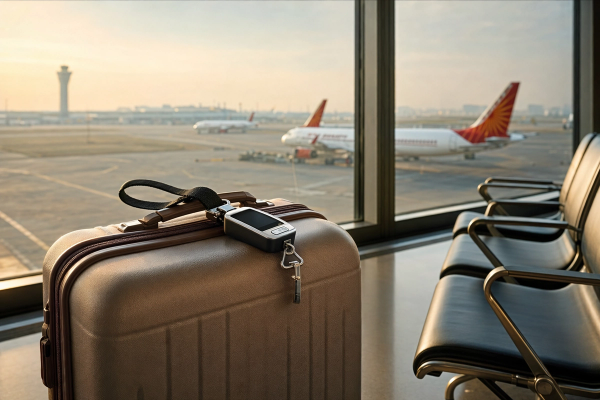
The short answer, before I wander into food memories and airport drama: yes, you can usually carry pickle from India on a flight, but not casually and not always in cabin baggage. In most cases, achar should go in checked luggage, packed like it is a tiny spicy bomb. Cabin baggage is risky because pickle is oily, semi-liquid, and can fall under liquid or gel-style security rules, especially on international routes. Many Indian airline baggage pages, including guidance from Air India and IndiGo that passengers commonly rely on, treat pickles, oils, and ghee as items not meant for the cabin and accepted only in checked baggage if properly sealed. And then, after the airline, there is the arrival country. Customs people may care even more than airline people, especially if your pickle has meat, seeds, fresh plant material, or no label. So yeah. Achar travels, but it needs manners.
Why achar is never “just food” when you’re leaving India
#If you’ve ever flown out of India after a long trip home, you know the suitcase is not really a suitcase. It is an emotional storage unit. There’s one kurta someone forced you to take, a packet of bhujia, some masala your mother says is “better than foreign one”, maybe podi from Chennai, thepla from Ahmedabad, nankhatai from Surat, and then achar. Always achar. Mango pickle if it’s summer, lime pickle if someone’s digestion is being discussed, garlic pickle if the family is bold, and that red chilli stuffed pickle from Rajasthan that looks like it can fight back.
I’m obsessed with how every region in India has its own pickle personality. In Andhra, gongura pachadi hits you with that sour leafy slap. In Gujarat, chhundo is sweet and sticky and gorgeous with thepla. In Punjab and Haryana, the mixed vegetable achar has gobi, gajar, shalgam, all sitting in mustard oil like they own the winter. Kerala fish pickle is a whole different universe, and if you’ve had it with hot rice near the coast, honestly, regular airport sandwiches start looking like punishment. In Benaras, I once ate kachori-sabzi so hot it made my eyes water, then a tiny spoon of mirchi achar made it worse, but in a beautiful way. Food travel is strange like that. You suffer and then call it memorable.
So, can you carry pickle in hand baggage?
#Personally? I don’t. Not anymore. Even if someone says “small jar only” or “dry pickle hai”, I still avoid putting achar in my cabin bag unless it is factory-sealed, tiny, and I am fully okay with losing it at security. Pickle is oily and saucy, and airport security doesn’t have time to debate whether your mother’s lemon pickle is a solid, liquid, paste, gel, or national treasure. On international flights, liquids, aerosols, and gels in cabin baggage are generally limited to containers of 100 ml each, placed in a transparent resealable bag, based on standard aviation security rules followed at many airports. But achar in a glass jar with oil floating on top? That’s asking for a discussion you will probably lose.
Domestic flights inside India can feel more relaxed in some ways, but don’t take that as a promise. Security screening is still security screening, and oily foods in jars are often refused in cabin bags because they can leak, spill, smell, or be treated like restricted liquids. I’ve seen people argue at Mumbai and Bengaluru airports with that tired “but it’s only food!” tone. The security person does not care that your nani made it. And honestly, fair enough. Imagine one jar of red chilli pickle breaking in the overhead bin. Everyone’s laptop bag becomes achari.
My practical rule is boring, but it works
#If the pickle is important, check it in. If it is not important, eat it before the airport. If it is extremely important, courier it or buy a sealed commercial jar after checking the destination rules. I know that sounds less romantic than smuggling one last taste of home in your backpack, but I’ve had enough travel days ruined by leaking food to become boring on this topic. I still pack food, btw. I am not some minimalist airport person sipping only sparkling water. But I choose my battles. Dry snacks in cabin, pickle in checked baggage, curd-based stuff only when the weather and timing makes sense. If you’re packing other homemade Indian food, it’s worth reading up on things like Biryani on Indian Trips: How Long It Stays Safe, because biryani at room temperature in Indian summer is not the same as mathri in a tin.
| Travel situation | Can you carry achar? | Where to pack it | What I’d do |
|---|---|---|---|
| Domestic flight within India | Usually possible, but cabin can be refused | Checked luggage is safer | Use plastic leakproof jar, double bag, keep away from clothes |
| International flight from India | Possible, but cabin rules are stricter | Checked luggage, not cabin | Check airline and destination customs before packing |
| Small commercial sachet | Sometimes okay if within liquid rules | Cabin only if security accepts it | Don’t depend on it, keep it disposable |
| Homemade oily pickle | Risky in cabin | Checked luggage | Label it, seal it, declare if required |
| Meat or fish pickle | More complicated | Maybe checked, but customs may restrict | Avoid unless you’ve checked destination rules properly |
Checked baggage: where achar usually belongs
#Checked baggage is the safer home for achar, but it’s not a magic kingdom where leaks don’t happen. Pressure changes, rough handling, hot tarmac time, all of it can make a badly packed jar misbehave. The worst leak I ever had was not even pickle, it was homemade ghee from my grandmother. Same category of disaster. It coated a pair of jeans and one book, and for months the book smelled like a paratha shop. Good smell, wrong context.
For pickle, I use a plastic food-grade jar if possible, not glass. Glass feels classy until it breaks and turns your luggage into crime scene pasta sauce. Fill the jar only about three-fourths, because oil expands and shifts. Put cling film over the mouth before tightening the lid. Then tape the lid. Then put the jar in one zip pouch, then another. Then put that inside a hard plastic container or wrap in clothes you don’t love too much. I also write “MANGO PICKLE - NO MEAT” on a piece of tape if I’m flying internationally. It may sound silly, but a clear label helps if your bag is inspected. Also it reminds you which suspicious oily parcel is which.
- Don’t pack achar loose in a thin takeaway container. That is not optimism, that is self-sabotage.
- Avoid filling jars to the brim, even if your aunt is shouting “space waste mat karo” from the kitchen.
- Keep pickle away from electronics, gifts, silk sarees, passports, and anything you can’t wash easily.
- If it’s a commercial jar, keep the original label and seal. Customs officers like labels more than handwritten mystery food.
The customs bit nobody wants to think about
#Airline permission is only half the story. The other half is the country you land in. This is where many travellers get surprised. You can check in a jar in Delhi, fly comfortably, collect your bag in Melbourne or New York or London, and then customs asks: “Are you carrying food?” The answer is yes. Please don’t do that thing where people say no because “it’s only achar”. Declare it when the form asks. Declaring does not automatically mean they take it away. Not declaring, if they find it, can become expensive and embarassing.
Countries like Australia and New Zealand are famously strict about food, seeds, plant products, and homemade items. The United States Customs and Border Protection also expects travellers to declare food, and some homemade or agricultural items can be refused depending on ingredients. The UK and EU have rules around animal products and plant products, and these can change by origin and item type. Gulf countries often allow reasonable personal food, but you still need to be careful with prohibited ingredients. And yes, meat or fish pickle is much more sensitive than mango or lemon pickle. If your achar has meat, fish, or even unclear ingredients, think twice. Actually think three times.
What kind of pickle travels better?
#In my experience, dry-ish mango pickle travels better than watery lime pickle, and commercial sealed jars travel better than homemade dabbas. Chhundo travels well if sealed tight, but it can get sticky and dramatic if it leaks. Stuffed red chilli pickle is tasty but oily. Fish pickle is heaven with rice, but internationally it can be a customs headache. Garlic pickle smells like a confession. I love it, but one leak and your entire suitcase announces itself before you do.
The safest food-travel vibe is this: vegetarian, commercially packed, labelled, sealed, not too oily, and in checked baggage. Is homemade tastier? Often yes. I’m not going to lie and pretend supermarket pickle has the same soul as your neighbour aunty’s ceramic bharni pickle sunning on the terrace. But travel has its own reality. Sometimes the best pickle is the one that survives the journey.
Achar and the Indian airport stomach problem
#There is another angle here, and maybe it’s not glamorous, but food travellers know: what you eat before flying matters. Achar is salty, spicy, oily, and deeply persuasive. I have made poor choices at airport lounges with parathas and pickle, then spent two hours in a middle seat regretting my personality. Before a flight, I now go gentle. Tea, maybe idli, maybe a plain dosa if it’s available, not a heavy oily meal unless it’s a short flight and I’m feeling brave. If you’re the kind of person who plans airport chai like other people plan museum visits, this piece on Indian Airport Tea and Coffee Before Flights: What to Drink is actually useful, especially if acidity hits you mid-air like a villain.
One time at Hyderabad airport, after a food crawl that involved biryani, double ka meetha, Irani chai, and a little too much mirchi ka salan, I bought a jar of gongura pickle because I had no self-control. The shop guy wrapped it nicely. Very professional. Still, I could smell it through the bag. Not leaking, just powerful. I kept imagining the cabin crew opening the overhead bin and being like, sir, is there a Telugu wedding in here? I checked it in last minute. Best decision. It reached fine, and later I ate it with plain rice in a cold apartment abroad, and suddenly the whole room felt warmer.
Culinary places in India where buying pickle becomes part of the trip
#Some people collect fridge magnets. I collect edible problems. Pickle shopping has become a weird little ritual on my India trips. In Ahmedabad, I love how pickle sits naturally beside thepla, khakhra, farsan, all those travel-friendly foods that Gujaratis honestly perfected before the rest of us even thought about meal prep. In Amritsar, the winter pickle scene around markets is so alive: carrots, turnips, cauliflower, mustard oil, that sharp smell that cuts through the cold. In Hyderabad, gongura and tomato pickles are everywhere if you know where to look. In Kerala, fish pickle and prawn pickle are the kind of things people whisper about lovingly, but again, customs. Be careful.
Jaipur is where I got sentimental about achar. There’s something about Rajasthani food that understands travel: papad, mangodi, ker sangri, mathri, mirchi vada, and pickles that can wake up the dead. I remember eating dal baati churma near MI Road, then being offered a spoon of garlic pickle on the side. It was fierce. Not “cute spicy”, but proper desert heat. Later, in the market, jars of pickle were stacked like gemstones. Red, yellow, green, oily, glossy. I bought too much, obviously. Travellers always say “pack light” and then enter an Indian food market. Useless advice.
Homemade versus store-bought: the emotional fight
#Homemade pickle wins on memory. Store-bought pickle wins on paperwork. That’s the annoying truth. A sealed, labelled jar from a known brand is easier to explain at airport screening and customs than a reused peanut butter jar full of dark red mystery masala. But homemade achar has texture and mood. The mango pieces are uneven, the oil is richer, the salt is never exactly the same, and someone in the family will always say “this batch came better than last year.” That sentence alone makes you want to carry it across oceans.
What I do now is compromise. For domestic flights, I’ll carry homemade pickle in checked baggage if it’s packed properly. For international flights, I prefer commercial sealed jars unless I’m going somewhere with relaxed rules and I’ve checked the food import requirements. If my mother insists, I take a very small homemade portion, label it clearly, declare it, and emotionally prepare myself to lose it. This is important. Never pack achar you are not willing to surrender. Airports can smell attachment.
Packing achar like a slightly paranoid professional
#- First, choose the right container. Plastic screw-top jars with a wide mouth work better than glass. If you must use glass, wrap it like it’s going to war.
- Second, reduce extra oil if possible. I know, the oil is flavour. I’m not saying drain it dry, just don’t carry a swimming pool.
- Third, seal the mouth with cling film or foil before closing the lid. Then tape around the lid. Don’t use weak tape that gives up after one airport conveyor belt.
- Fourth, double-bag it in zip bags. If you don’t have zip bags, use thick plastic and tie tight, but honestly zip bags are worth it.
- Fifth, place it in the middle of the suitcase, cushioned by clothes. Never near the edge. Suitcases get thrown. I have seen it. We have all seen it.
Also, think about temperature. Pickles are preserved with salt, oil, and spices, but that doesn’t mean every homemade food is travel-proof. Curd rice, for example, is comfort food but not always a great summer travel food if it sits too long in heat. If you’re packing a bigger homemade meal with your pickle, check out Curd Rice for Travel: Safe in Indian Summer?, because food safety is not just a foreign concept your mother ignores until someone gets a stomach ache.
What not to do, from a person who has done some of it
#Don’t put a pickle jar in your laptop bag because “it’s only for the layover.” Don’t pack five varieties of achar and then act shocked when your bag is overweight. Don’t assume duty-free rules apply to homemade food. Don’t argue with security staff like your pickle has diplomatic immunity. And please don’t open achar on the plane unless it is a tiny controlled amount with your own meal and nobody around you is suffering. I love pickle, but enclosed aircraft air plus garlic pickle is a social experiment.
Another thing: don’t forget airline weight rules. Pickle is heavy. Oil is heavy. Glass is heavy. That one “small” jar becomes 700 grams, then you add snacks, masalas, sweets, and suddenly you’re at the check-in counter removing shoes from your suitcase to balance weight. I have done this. It was not dignified. Achar should not cost you excess baggage unless it is truly legendary.
My airport achar philosophy is simple: if it can leak, it will leak. If it smells strong, assume the whole aircraft can smell it. If customs asks, declare it. And if your family says “nothing will happen”, pack extra plastic.
Quick answers people keep asking me
#Can I carry pickle in cabin baggage from India? I wouldn’t plan on it. It may be refused because it is oily or semi-liquid, and on international flights the 100 ml liquid rule makes it even trickier. Can I carry pickle in checked baggage? Usually yes, if your airline accepts it and it is packed securely. Should it be glass or plastic? Plastic is safer. Can I carry mango pickle to the USA, UK, Canada, Australia, or Dubai? Maybe, but you must check destination food rules and declare it where required. Vegetarian commercial sealed pickle is generally easier than homemade meat or fish pickle. Can I carry pickle bought at the airport? If it’s after security, cabin rules may be easier, but arrival customs still applies, and airlines may still have their own restrictions. Don’t treat airport shopping as a loophole.
And the big one: will my pickle explode? Probably not explode like a movie, but it can leak, ooze, stain, and emotionally damage you. The oil creeps. Masala gets everywhere. Your suitcase becomes a travelling achar factory. So pack like a pessimist and eat like an optimist later.
The real reason we carry it
#At some point, this stops being about rules. We carry achar because travel makes us miss small things. A spoon of mango pickle can make a bland hostel kitchen dinner taste like home. Lime pickle with dal and rice in a foreign winter can fix a bad day better than motivational quotes. I’ve eaten achar in hotel rooms, on road trips, in rented apartments, at friends’ houses where everyone suddenly became Indian for ten minutes because the jar opened and the smell took over. Food does that. It travels ahead of language.
But love needs logistics. That’s the adult part. Put the pickle in checked luggage, pack it properly, check your airline, check customs, declare food when asked, and don’t carry more than you need. Buy local when you can. Eat the regional stuff when you’re there. If you’re in Chennai, eat pickle with curd rice. If you’re in Gujarat, eat chhundo with thepla. If you’re in Rajasthan, let the mirchi pickle bully you a little. And when you fly, respect the fact that achar is both food and cargo with attitude.
So yes, carry your pickle from India if you must. I still do. I just do it with tape, labels, zip bags, and a healthy fear of mustard oil. And if you’re the sort of traveller who plans trips around snacks, markets, airport tea, and what can survive in a suitcase, you’ll probably enjoy more of these food-travel rabbit holes on AllBlogs.in.