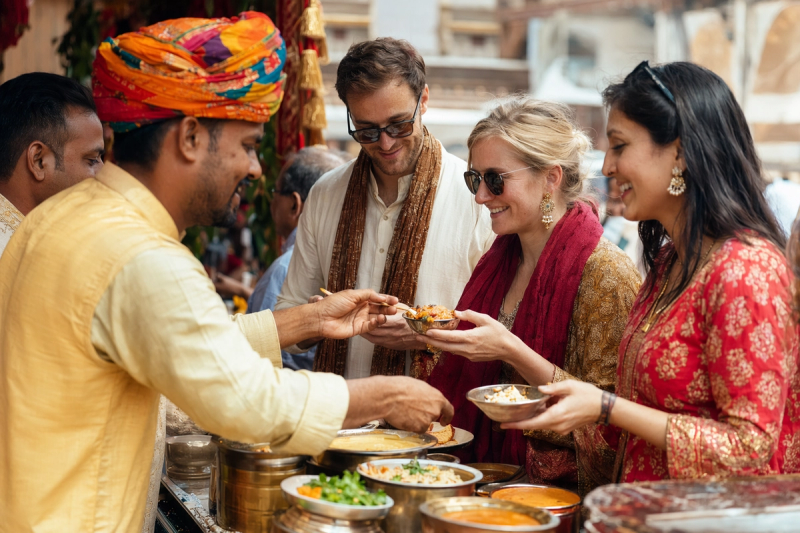
The first Indian wedding I attended as a foreign guest was in Jaipur, and honestly, I thought I was prepared. I had watched videos, read blogs, packed loose clothes, and told myself very confidently, “I love spicy food, I’ll be fine.” Famous last words, right? By the second night, I was standing near a live chaat counter with a plate of pani puri in one hand, a mango lassi in the other, and my brain was trying to decide if I was in heaven or if my mouth had just been lightly set on fire. Maybe both.
Indian wedding food is not just dinner. It’s theatre. It’s travel, family history, regional pride, religious tradition, Instagram chaos, and someone’s auntie insisting you take “just one more” gulab jamun even though you are clearly struggling. For foreign guests, it can be one of the best food experiences of your life, but it also helps to know how to handle spice levels, water safety, buffet hygiene, and the beautiful madness of 400 dishes that all look tempting.
And in 2026, Indian destination weddings are even more food-focused than before. Couples are doing hyper-regional menus, millet-based snacks, vegan thalis, zero-waste catering, mocktail bars, gourmet chai stations, and QR-coded allergen cards. I’ve seen wedding planners in Rajasthan and Goa talk about “culinary storytelling” like it’s a Netflix series, and honestly… they’re not wrong. A wedding meal here can tell you where the family is from, what they value, and how much they want you to leave with your trousers tighter than when you arrived.
Why Indian Wedding Food Feels Like a Full-Blown Travel Experience
#If you’re flying in from Europe, the US, Australia, or anywhere that has more polite wedding buffets, Indian wedding food can feel overwhelming in the best possible way. There are pre-wedding events, wedding-day meals, late-night snacks, breakfast spreads, regional counters, dessert rooms, sometimes even food trucks now. I went to one wedding near Udaipur where the welcome dinner had Rajasthani dal baati churma, a Gujarati farsan corner, South Indian dosas, Italian pasta, and a sushi bar that nobody’s grandmother trusted but all the cousins loved.
That’s the thing. Indian weddings are not shy about abundance. Food is hospitality, status, emotion, and love. If a guest leaves hungry, it’s basically a family crisis. I remember an uncle in Delhi telling me, “You must eat properly, you have travelled so far,” while putting another spoonful of paneer into my plate. Me and him had just met ten minutes ago, but suddenly he was personally responsible for my caloric intake.
The destinations matter too. A wedding in Jaipur or Jodhpur might lean into royal Rajasthani food with laal maas, ker sangri, gatte ki sabzi, and bajra roti. In Goa, you may get seafood curries, bebinca, kokum drinks, and beachside grills. A Kerala wedding could bring appam, stew, banana leaf meals, and coconut-heavy dishes that are gentler on the stomach than the fiery stuff up north. In Punjab, well, prepare yourself. Butter chicken, chole, naan, lassi, tandoori everything. No one is playing small there.
My First Mistake: Saying “Yes” to Everything
#At my first wedding in Jaipur, I made a very touristy mistake. I accepted every single thing offered to me. Kachori? Yes. Mirchi vada? Yes. Three types of chutney? Sure. Sweet lassi? Why not. Jalebi at 11 p.m.? Obviously. Then someone handed me a tiny clay cup of masala chai and I thought, “This is cute, I’m doing great.” I was not doing great. My stomach was basically negotiating peace terms by midnight.
The food was incredible, by the way. I still remember the smoky dal baati churma, where the baati was cracked open and drowned in ghee like nobody had ever heard of moderation. The laal maas was deep red, rich, goat meat cooked until it almost gave up and became silk. The sweets were everywhere: ghewar, rabri, rasmalai, laddoo stacked like edible gold coins. But foreign guests, listen to me: you do not have to eat everything in the first hour. Indian weddings are marathons, not tapas night.
My personal rule now is simple: taste widely, eat slowly, drink carefully, and never underestimate a chutney that looks innocent.
Spice Tips for Foreign Guests Who Think They Can Handle It
#Spice in Indian wedding food isn’t just about heat. It’s about layers: cumin, coriander, turmeric, garam masala, mustard seeds, curry leaves, dried chillies, green chillies, black pepper, asafoetida, ginger, garlic, and sometimes all of them in one dish because why be boring? If you’re used to mild food, you may find even “medium” dishes intense. And if a local says, “It’s not spicy,” please understand that this is based on their mouth, not yours.
- Start with creamy dishes like paneer makhani, dal makhani, korma, malai kofta, curd rice, or coconut-based curries if you’re nervous about heat.
- Be careful with green chutney, red chutney, pickle, and anything called “thecha,” “achaar,” or “mirchi” unless you enjoy dramatic sweating in formalwear.
- Raita is your friend. Yogurt cools things down better than water, and cucumber raita with biryani is basically a small miracle.
- Don’t chug fizzy drinks after very spicy food. It sounds helpful, but sometimes it just spreads the fire around your mouth like gossip.
- Ask the caterer or a younger cousin. Seriously. Younger cousins at Indian weddings know everything: where the best counter is, which dish is too spicy, which dessert is worth waiting for.
One thing I learned in Mumbai at a wedding reception was to use rice and bread as buffers. If a curry seems too much, don’t eat it like soup. Mix it with rice, scoop it with naan, add raita, slow down. Also, take tiny first bites. You don’t win anything by proving you can eat spicy food. Well, maybe respect from one uncle, but at what cost?
The Hygiene Question Nobody Wants to Ask, But Should
#Let’s be real for a second. Foreign guests often worry about getting sick in India, and food is usually the first concern. I don’t like fear-mongering about Indian food, because some of the cleanest and most professional catering I’ve seen has been at Indian weddings. Big wedding caterers in cities like Delhi, Mumbai, Jaipur, Bengaluru, Hyderabad, Goa, and Kochi can be extremely organized, with live cooking stations, gloves, temperature control, filtered water, and spotless service teams.
But weddings are also long events. Food sits out. Guests hover. Kids poke things. Outdoor venues can be hot. Destination weddings at forts, beaches, palace hotels, and farmhouses add another layer. So yes, hygiene matters, especially if your stomach isn’t used to local water, raw herbs, or heavy spices.
My Practical Hygiene Rules at Indian Weddings
#- Stick to bottled or filtered water. Check that the seal is intact, and use bottled water for brushing teeth if you’re in a rural or remote venue.
- Choose hot, freshly cooked food over room-temperature dishes that have been sitting out for ages. Live dosa, tandoor, kebab, pasta, chaat, and jalebi counters are usually safer because you can see the food being made.
- Be cautious with cut fruit, raw salads, and chutneys if you’re not sure about the water used to wash them. I know, sad. But stomach drama during a sangeet is sadder.
- Carry hand sanitizer, but also wash your hands properly when you can. Indian weddings involve lots of greetings, dancing, phones, shared serving spoons, and general chaos.
- Don’t eat from a buffet tray that looks lukewarm, dried out, or like it has been attacked by 200 guests already. Fresh batch? Yes please.
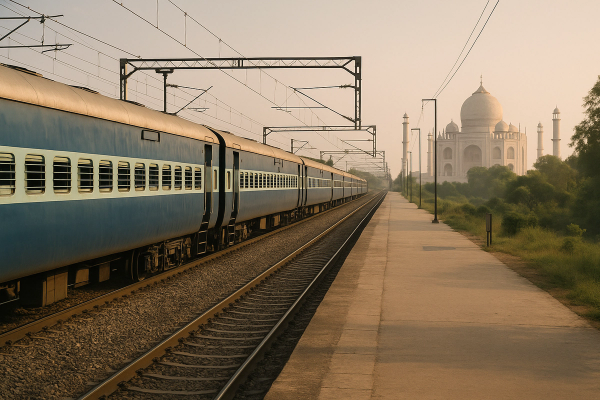
I learned the chutney lesson in Agra, and not in a cute way. The mint chutney was delicious, bright green and zingy, and I kept adding it to everything. Later, I discovered it was probably not the spice that got me, but maybe the water or the fact that it had been outside in warm weather too long. Nothing tragic happened, but I spent the next morning drinking electrolyte sachets and looking at the Taj Mahal with slightly less romance than planned.
What to Eat First: The Best Wedding Foods for Beginners
#If this is your first Indian wedding, don’t start at the hottest counter. Warm up. Literally and emotionally. The safest beginner-friendly foods are usually familiar in texture but still properly Indian. Tandoori paneer, butter chicken, dal makhani, jeera rice, naan, biryani with raita, idli, dosa, appam, mild vegetable korma, and most sweets are good entry points. Though, small warning, Indian sweets can be very sweet. Like, “I can hear colors now” sweet.
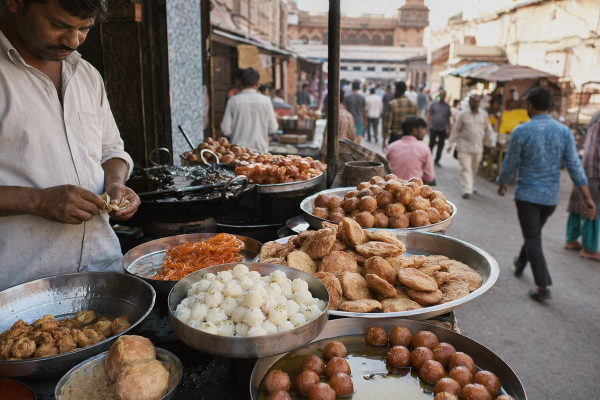
Chaat is where things get exciting. Pani puri, dahi bhalla, papdi chaat, aloo tikki, sev puri… I love chaat more than is reasonable. It’s crunchy, tangy, spicy, sweet, cold, hot, messy, perfect. But for foreign guests, I’d choose chaat at a wedding only if it’s a reputable caterer and the water is filtered. Ask if the pani puri water is RO-filtered. This is common at better events now, especially destination weddings catering to international guests.
In 2026, I’m seeing more wedding menus include clear labels: vegetarian, vegan, Jain, gluten-free, nut-free, low spice. Some luxury planners even use QR codes at buffet counters so guests can scan ingredients and allergens. This is such a good trend, honestly. Indian food can hide cashews, cream, ghee, peanuts, sesame, and gluten in places you don’t expect. If you have allergies, don’t be shy. Ask. Ask twice. Then ask the chef if you can.
Regional Wedding Foods Worth Traveling For
#One of my favorite things about Indian weddings is how regional they are. You can attend three weddings in three states and feel like you’ve visited three countries, food-wise. In Rajasthan, I’d look for dal baati churma, laal maas, safed maas, pyaz kachori, rabri, and ghewar. In Gujarat, expect dhokla, khandvi, undhiyu, thepla, farsan, shrikhand, and that lovely sweet-salty balance that confused me at first but now I crave.
In Punjab and Delhi weddings, the tandoor section is usually a whole event. Fresh naan, kulcha, kebabs, paneer tikka, chole bhature, butter chicken, dal makhani. It’s rich, loud, delicious food that matches the energy of the dance floor. In Bengal, wedding meals may include fish fry, luchi, cholar dal, kosha mangsho, mishti doi, sandesh, and rosogolla. I once had a Bengali wedding fish course so good I got quiet for a full minute, which is rare for me.
South Indian weddings can be more soothing for foreign stomachs, depending on the menu. Banana leaf meals in Tamil Nadu or Kerala are gorgeous: rice, sambar, rasam, poriyal, avial, pickles, papad, payasam, all served in a rhythm that makes you feel slightly lost but very happy. In Hyderabad, biryani is the big star, and it should be. A good Hyderabadi wedding biryani has this perfume of saffron, meat, rice, fried onions, mint, and slow-cooked patience. I would travel for that alone.
Destination Weddings and Food Trends I’m Seeing in 2026
#Indian destination weddings have become serious culinary productions. Jaipur, Udaipur, Jodhpur, Goa, Kerala, Rishikesh, Mussoorie, Alibaug, and even smaller heritage towns are attracting couples who want food to feel like part of the journey. Palace hotels in Rajasthan often build menus around royal thalis and live folk-style cooking. Goa weddings mix coastal seafood, Portuguese-influenced sweets, beach barbecue, and late-night comfort food. Kerala weddings are leaning into banana leaf feasts, spice plantation experiences, and coconut-forward menus that feel rooted in place.
The newer trends are actually exciting, not just fancy for the sake of fancy. Millets are showing up more after India pushed them hard in recent years: ragi dosas, bajra khichda, jowar rotis, millet laddoos. Plant-forward wedding menus are popular too, partly for health, partly for sustainability, partly because younger couples want lighter food between heavy events. I’ve also seen zero-waste dessert counters, local farm sourcing, regional pickle bars, artisanal mithai, and non-alcoholic cocktail menus with kokum, jamun, aam panna, sugarcane, and spice-infused shrubs.
And late-night food? That’s where weddings get funny. After everyone has danced for hours, suddenly there’s Maggi noodles, masala fries, mini dosas, bun maska, kulhad chai, kebab rolls, or tiny sliders. At one Goa wedding, people ignored the elegant dessert table at 1 a.m. and formed a queue for anda bhurji and chai. Same, honestly. Sometimes the simplest thing is the thing you remember.
How to Survive a Multi-Day Indian Wedding Without Food Regret
#The trick is pacing. Most foreign guests don’t realize that Indian weddings can last three to five days, sometimes longer if families are doing all the ceremonies. You may have a mehendi lunch, sangeet dinner, haldi brunch, wedding feast, reception buffet, after-party snacks, and hotel breakfast in between. If you treat every meal like your last meal on earth, your stomach will resign.
- Eat breakfast, but keep it simple: toast, eggs, idli, fruit with peel, yogurt from a trusted hotel, or plain dosa.
- Hydrate more than you think you need, especially in Rajasthan, Goa, or outdoor summer weddings. Alcohol plus spice plus dancing is a rough little triangle.
- Carry basic travel meds: oral rehydration salts, antacid, anti-diarrheal medicine, and any personal prescriptions. Not glamorous, but neither is missing the baraat.
- Take breaks from rich food. A bowl of plain rice and dal can feel like spa treatment after two days of kebabs and sweets.
- If something smells off, looks old, or makes your instincts twitch, skip it. There will be another dish in 14 seconds.
Also, don’t be embarrassed to ask for less spice. Many caterers are used to international guests now, especially at weddings in popular destinations. Some even prepare a mild version of key dishes. The phrase “less mirchi, please” is useful. So is “not too spicy.” Will it always work? Not always. But it helps.
Vegetarian, Vegan, Jain, and Allergy Notes
#A lot of Indian wedding food is vegetarian, but that doesn’t mean it’s automatically vegan or allergy-safe. Ghee, paneer, yogurt, cream, and nuts are everywhere. Jain food, which avoids onion, garlic, and root vegetables, is common at many weddings, especially among Gujarati, Marwari, and Jain families. If you’re vegan, you’ll often do well with dal, rice, vegetable curries, dosas, idlis, chutneys, and some snacks, but confirm whether ghee or dairy has been used.
For gluten-free guests, rice dishes, many lentil dishes, dosas, idlis, appam, and some millet breads are useful, but watch out for wheat in naan, roti, puri, samosa wrappers, and some fried snacks. Nut allergies need extra caution because cashew paste is used in rich gravies, and sweets may contain almonds, pistachios, or traces from shared kitchens. If your allergy is serious, tell the hosts before the trip. Don’t wait until you are standing at a buffet under fairy lights trying to mime “anaphylaxis” to a busy server.
Street Food Before or After the Wedding: Yes, But Be Smart
#If you’re already in India for a wedding, it’s tempting to explore street food in Delhi’s Chandni Chowk, Mumbai’s Mohammed Ali Road or Juhu, Jaipur’s old city, Ahmedabad’s Manek Chowk, Kolkata’s Park Street and old sweet shops, or Kochi’s seafood spots. I get it. I would never tell a food traveler to avoid street food completely. That would be miserable advice. But timing matters.
Don’t go on a wild street-food crawl the day before the wedding if your stomach is new to India. Try trusted, busy vendors where food is cooked fresh and turnover is high. Avoid raw toppings unless you’re confident. Drink bottled water. And if you are going with local friends, let them guide you. Locals usually know which famous place is actually good and which one is just famous because tourists keep filming it.
In Delhi, I love the idea of doing chaat and paratha, but slowly. In Mumbai, vada pav is usually a good beginner snack if it’s hot and fresh. In Kolkata, sweets from established shops are safer than random dairy sweets sitting outdoors. In Kerala, appam and stew at a clean restaurant before a wedding feels like such a gentle, beautiful introduction to local food. Basically, follow the crowds, follow the heat, and don’t follow your bravado.
What I’d Put on My Perfect Indian Wedding Plate
#If I had to build my perfect plate now, after a few weddings and a few digestive mistakes, I’d start with a small spoon of dal, a little rice, one piece of paneer tikka, one kebab if I’m eating meat, some raita, and a mild vegetable curry. Then I’d go back for the regional special: maybe dal baati in Rajasthan, biryani in Hyderabad, fish curry in Goa, or a banana leaf meal in Kerala. I’d save dessert for last, but not too much dessert because Indian sweets are tiny sugar grenades and they sneak up on you.
My favorite wedding dessert is probably hot jalebi with rabri. It’s ridiculous. Crunchy, syrupy, creamy, warm, cold, all wrong and so right. But I also have a soft spot for kulfi, especially pistachio or malai kulfi served on a stick when everyone is standing around after midnight, shoes off, makeup fading, music still thumping somewhere in the background. That’s when travel feels real to me. Not the perfect postcard moment, but the messy human one.
Final Advice for Foreign Guests: Be Curious, Not Reckless
#Indian wedding food can be one of the greatest travel experiences you’ll ever have. It’s generous, emotional, regional, and sometimes completely over the top. You’ll taste spices you don’t recognize, sweets you can’t pronounce, breads pulled hot from a tandoor, rice dishes perfumed like a memory, and snacks that make no sense until suddenly they become your new obsession.
But go in with a little strategy. Respect spice. Choose hot fresh food. Be careful with water, raw foods, and chutneys. Ask about allergens. Pace yourself through multi-day events. And don’t feel bad for saying no, even when aunties are persuasive enough to run small countries. You are there to celebrate, not to destroy your digestive system in the name of politeness.
Most of all, enjoy the hospitality. Indian weddings are loud, loving, exhausting, and delicious in a way that stays with you. I still think about that Jaipur chaat counter, the Udaipur dal baati, the Goa late-night chai, and the uncle who decided I needed more paneer. He was probably right, to be fair. If you’re planning your own food-filled trip around an Indian wedding, keep reading travel stories and practical guides on AllBlogs.in — it’s the sort of rabbit hole I happily fall into before every journey.