The first 60 minutes after landing can make or break your mood, seriously
#I don’t know why nobody talks about this enough, but airport-to-city transfer is that one small travel decision which can either make you feel like a sorted adult… or like a lost child standing outside Terminal 3 with two bags, low phone battery, and one uncle saying “taxi taxi taxi” in your ear. As an Indian traveller, I’ve done all versions. Delhi Airport Metro with a backpack and full confidence. Mumbai app cab in peak rain, regretting life choices. Bengaluru airport bus at 1 am, surprisingly peaceful. Bangkok train where I got down one stop early because I was too overconfident. Dubai metro where I felt like I had cracked some NRI-level travel hack. And yes, I’ve also taken overpriced airport taxis when I was too tired to bargain with destiny.
So this is not a fancy theory guide. This is my airport-to-city transfer checklist, the one I mentally run through now before choosing train, taxi or bus. Because the cheapest option is not always the best, the fastest option is not always stress-free, and the “door-to-door” taxi can become door-to-traffic-jam-to-wallet-damage very quickly. Trust me, I learnt it after dragging a suitcase across a broken footpath in Kochi because my hotel was technically “near metro” but not near enough when it was humid and I was hungry.
Before you choose anything, check where your hotel actually is
#This sounds obvious, but we Indians love booking hotels based on “near city centre” and then later realising the city centre has 5 meanings. Near railway station, near old town, near business district, near beach, near mall, near airport… everything is apparently central if the hotel listing wants to sell it. Your airport transfer depends heavily on where you are staying. If your hotel is next to a metro stop, train wins. If it’s inside some lane where even Google Maps starts sweating, taxi might be better. If it’s near a major bus corridor, airport bus can be a solid jugaad.
I usually open the map before flying, not after landing. I check airport distance, public transport stops, last train timing, walking distance from the station, and whether the walking route looks like a proper road or one of those dark service lanes where even street dogs look suspicious. Btw, if you are still deciding where to stay, this long but genuinely useful guide on Hotel Location Checklist: How to Choose Where to Stay Before You Book AllBlogs category. Travel & Adventure Region scope: Global evergreen / Region-neutral / India-specific / Destination-specific. Global evergreen Why this scope was chosen. Hotel-location decisions apply globally and should not be narrowed to India. Search intent. Informational / travel planning Primary keyword. how to choose hotel location Natural search queries people may use. how to choose where to stay what to check before booking a hotel best hotel location for tourists Long-tail keywords. hotel location checklist before booking how to choose a hotel near public transport hotel area safety and convenience checklist SEO meta title. Hotel Location Checklist: Choose Where to Stay Smartly SEO meta description. Learn how to choose the best hotel location by checking transport, safety, noise, food access, airport transfers and total trip cost. Suggested URL slug. hotel-location-checklist-choose-where-to-stay Short description. A decision checklist that helps travelers avoid cheap hotels that cost more in time, taxis, stress, and poor sleep. Why this topic today. GSC shows travel planning and hotel/stay-related pages getting traction; Sanity has sleep/quiet hotel guides but not a full location decision checklist. GSC signal or adjacent GSC signal. Adjacent to hotel breakfast, refundable hotel booking, sleep tourism, quiet travel, and airport-to-city transfer signals. Why this fits AllBlogs. It is evergreen, practical, and useful for broad modern-living travel planning. Why this is not duplicate or cannibalizing. Existing hotel posts focus on sleep, food, refunds, or safety; this focuses on location choice before booking. Adjacent expansion reason. Expands from hotel comfort to pre-booking trip-friction prevention. Novelty score: High Cannibalization risk: Low AI SEO / AEO / GEO angle. Can win AI answers with a “map-check framework” and “central to your trip, not central to the city” decision model. CTR hook. “A cheap hotel can become expensive twice a day.” Demand signal. Web validation shows recent and evergreen search coverage for hotel-location decision checklists, and travel sites advise checking maps, walkability, transit, and points of interest before booking. is worth reading before you book. A cheap hotel can become expensive twice a day, especially if every outing needs a cab.
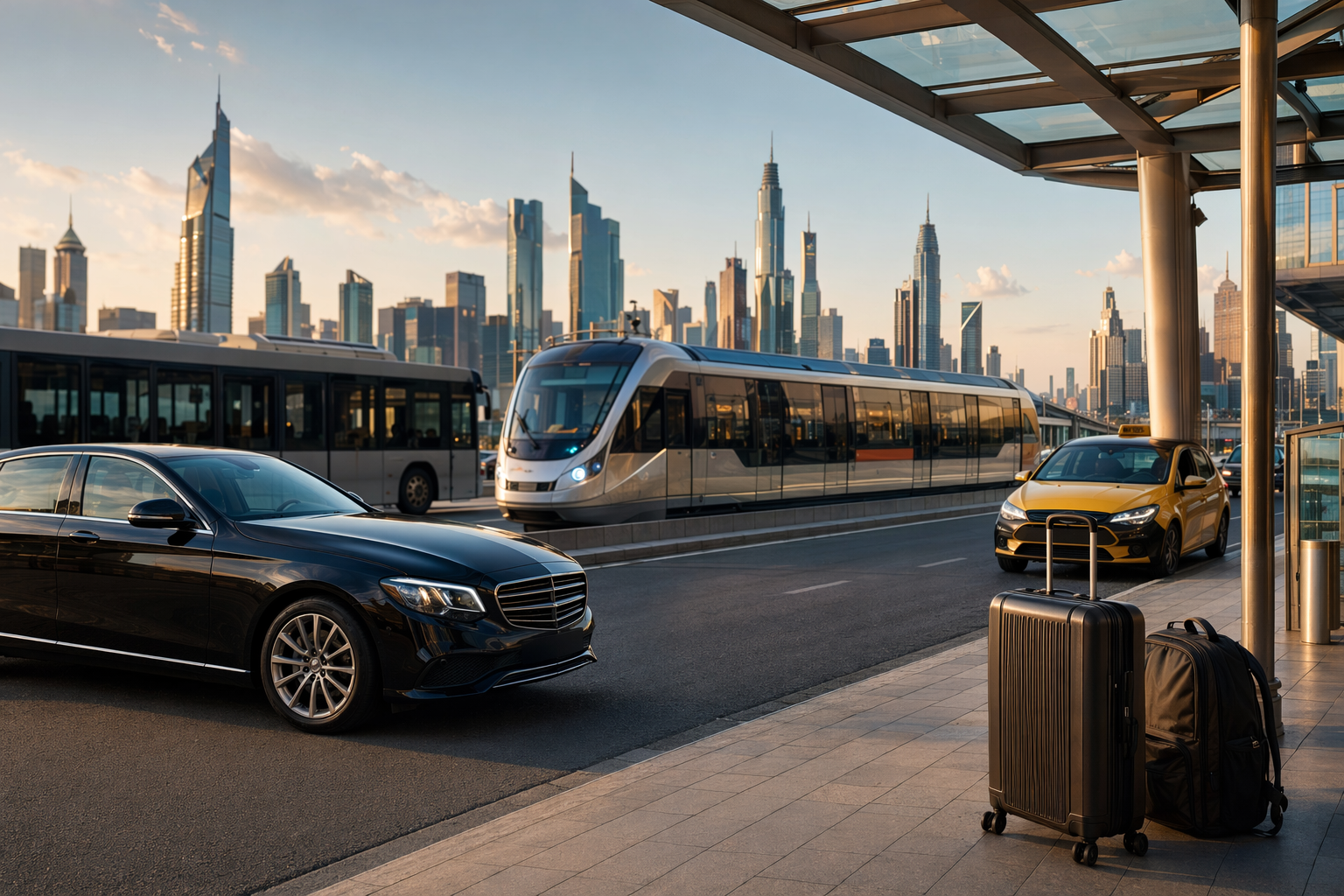
Quick comparison: train vs taxi vs bus from airport to city
#| Option | Best for | Usually not great for | Typical cost feel | My honest take |
|---|---|---|---|---|
| Train / Metro | Solo travellers, light luggage, traffic-heavy cities, predictable timing | Late-night arrivals if service has stopped, hotels far from station, too much luggage | Often cheapest or mid-range, depending on city | Best when it connects cleanly. Feels like a win. |
| Taxi / App cab | Families, late arrivals, heavy bags, first-time city visit, door-to-door comfort | Peak traffic, surge pricing, budget trips | Usually highest, can jump during rain or late hours | Convenient but check fare before sitting. |
| Airport bus | Budget travellers, backpackers, some business districts, cities with good airport shuttle routes | Confusing routes, very late nights, hotels away from bus stops | Generally affordable | Underrated. Not glamorous, but can be very practical. |
Of course, every city has its own drama. Delhi Airport Metro is smooth if you are going towards New Delhi or changing lines. Bengaluru’s Vayu Vajra airport buses are actually useful because the airport is far from the city and taxis can get expensive. Mumbai has app cabs and public transport combinations, but depending on terminal and your area, you may need patience. Chennai metro can be helpful if your stay is near the line. Hyderabad airport buses work for many areas, though cab is easier with family. Goa is still one place where transfer planning matters a lot because airport, hotel zone, and taxi availability can become a whole separate chapter.
My basic airport transfer checklist before I even exit arrivals
#Before I walk out like a confused hero, I do 7 small checks. Not in a very formal way, okay, but mentally. First, how tired am I? Second, how many bags do I have? Third, is it daytime or night? Fourth, is the hotel near a metro or bus stop? Fifth, is my internet working? Sixth, what is the weather doing? Seventh, is the fare looking normal or is the app showing some nonsense surge because three flights landed together.
- Save your hotel address in English and local language if travelling outside India, especially in places where taxi drivers may not understand your pronunciation.
- Screenshot the route from airport to hotel, including train platform names, bus stop name, and walking directions. Airport Wi-Fi is not always your friend.
- Keep small cash even if you plan to pay digitally. UPI is beautiful in India, but outside India or even in some taxi counters, cash still saves you.
- Check last metro or train timing before boarding the flight if you’re landing late. Don’t assume big city means 24-hour transport.
- If travelling with parents, kids, or too much shopping luggage, stop being heroic and book the taxi.
I also keep my booking PDFs, hotel address, passport copy, cab pickup details, and transport tickets offline now. Earlier I used to depend on email, then one time in Singapore my roaming didn’t start for 20 minutes and I was standing there refreshing inbox like an idiot. This Digital Travel Wallet Checklist: Save Travel Docs Offline is a good habit to copy, especially before leaving the airport zone where everything feels safe and organised.
When the train or metro is the smartest choice
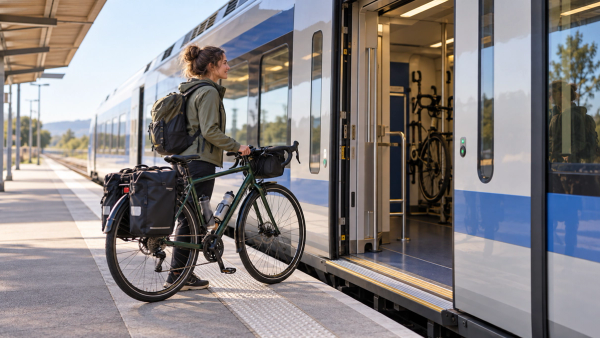
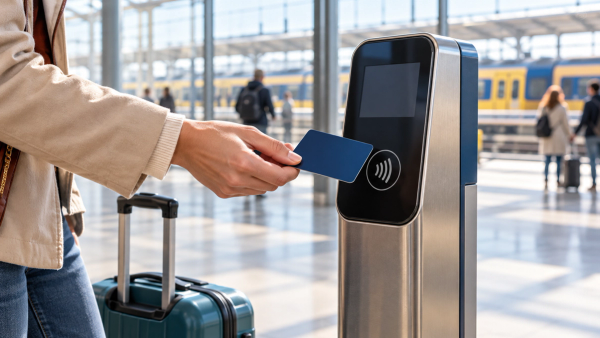
#Airport train is my favourite when it is direct, well-marked, and my hotel is within a short walk or easy interchange. It gives you predictable timing, which is gold in cities with monster traffic. Delhi is the classic Indian example. If you land at IGI and need to reach New Delhi side, the Airport Express line is clean, fast, and honestly less stressful than sitting in a cab during rush hour. In cities like Dubai, Kuala Lumpur, Bangkok, London, Singapore, or Tokyo, trains are often the most efficient airport transfer if you can handle your luggage.
But train is not automatically best. This is where travel influencers sometimes lie a little, or maybe they travel with only one stylish cabin bag. If you have two suitcases, one backpack, one duty-free bag, and your mother’s extra food packet, stairs and platform changes become cardio. Also check whether the station near your hotel has lifts or escalators. I once reached a station in Europe and the lift was not working. Me and my suitcase had a full emotional breakdown on the stairs, and one kind stranger helped. Nice memory now, but at that time? Not cute.
Choose train if these things match
#- Your flight lands during train operating hours and you are not cutting it too close to the last service.
- Your hotel is within 500 to 800 metres of a station, or you can take a short final taxi from the station.
- You are travelling solo or as a couple with manageable luggage.
- The city has traffic problems and airport train is known to be reliable.
- You already know which line, direction, and interchange you need. Even basic clarity helps a lot.
One more thing: airport trains are good for safety too, especially during the day and early evening. Well-lit platforms, CCTV, clear signage, and official staff make it easier. Still, keep your wallet and phone close. Crowded train plus sleepy traveller is pickpocket’s dream combo, not to scare you, just common sense.
When taxi or app cab is worth the extra money
#Taxi is the comfort king, no doubt. You exit, sit, dump your bags, breathe. For late-night arrivals, family trips, work trips where you need to be fresh, or destinations not connected by metro, taxi is usually the best. In India, app cabs have made airport transfers less scary than the old days of random bargaining, but surge pricing and pickup confusion still happen. Some airports have dedicated Ola, Uber, BluSmart, Meru or prepaid taxi zones depending on city, and you should follow the official signage rather than going with someone who approaches you inside or just outside arrivals.
My rule is simple: if I land after 10:30 pm in a new city, I lean taxi unless I know the public transport route properly. Especially if the hotel lane is small or the area is quiet. Safety first, budget later. Same if I’m carrying camera gear, laptop, winter clothes, or gifts for relatives because Indian families never travel light, no matter how much we promise ourselves.
Taxi checklist I actually use
#- Compare app cab fare with prepaid taxi counter fare before deciding. Sometimes prepaid is calmer, sometimes app is cheaper.
- Check pickup point carefully. Big airports can have different levels, pillars, parking zones, and cab bays. It’s not always “outside gate number 5” simple.
- Confirm car number and driver name in the app. Don’t get into a car because someone says your name loudly. It happens.
- Share trip status with someone if travelling alone at night. I do this even in cities I know.
- Avoid paying the full fare upfront to random drivers. Official counters are different, random advance payment is not.
In Indian metros, airport taxi fares can feel anywhere from reasonable to painful depending on distance, tolls, parking charges, and surge. A short city ride may be a few hundred rupees, while far airport runs can cross ₹1,000 or more easily in places like Bengaluru or NCR suburbs. Outside India, airport taxis can be properly expensive, so always check airport websites, hotel pages, or fare estimate apps before you land. And remember, tolls and airport parking fees may be added. That small line in the app matters.
When airport bus is the hidden budget hero
#Airport buses don’t get enough love because they don’t sound cool. Train sounds efficient, taxi sounds comfortable, bus sounds like struggle. But honestly, many airport buses are clean, air-conditioned, luggage-friendly, and they go to places where trains don’t. Bengaluru airport bus is one of those services I recommend often because Kempegowda Airport is far from most parts of the city, and the bus network touches many areas. Hyderabad also has airport buses to key city points. In some international cities, airport coach services are very convenient if your hotel is near a stop.
The catch is route understanding. Bus names, bay numbers, last stop, intermediate stops… you need a little patience. If you are landing fresh and your brain is working, great. If you are landing after a red-eye flight and you slept like a folded dosa in the aircraft seat, maybe bus route decoding is not the moment. I’ve taken the wrong direction bus once in a new city and realised only when the buildings started looking less city and more highway. Not my proudest travel blogger moment.
Bus works best when
#- Your hotel is near a major stop, not hidden 3 km inside from the bus drop.
- You are not in a hurry and can handle 15 to 30 minutes extra.
- You have light or medium luggage.
- The city has a known airport shuttle service, not just random local buses.
- You are arriving in daylight or early evening, unless the route and stop are familiar.
Bus also gives a nice local feel. You see the city waking up, office crowd, food stalls, flyovers, posters, all that. In India especially, the ride from airport to city tells you a lot. Bengaluru’s long airport road with tech park traffic, Mumbai’s chaos and sea-salt air depending where you go, Kolkata’s yellow taxi nostalgia near the city, Chennai’s heat hitting your face like someone opened an oven. Transfer is not just transport, it’s your first impression.
Season, weather and timing can change the whole answer
#This is where many people make mistakes. The best airport transfer in January may not be best in July. During monsoon, taxis can surge, roads can flood, and walking from metro station to hotel with luggage becomes comedy for everyone except you. In summer, especially in Delhi, Jaipur, Chennai, Hyderabad and similar hot cities, a 700-metre walk from station can feel like a small punishment if you land around afternoon. Winter fog in North India can delay flights, which means your planned last metro may vanish. Festival season, long weekends, big concerts, cricket matches, expos, weddings, and school holidays also affect taxi fares and traffic badly.
Best months for smoother city transfers in much of India are generally the pleasant-weather months, roughly after monsoon and before peak summer, but that changes by region. Hill airports, coastal airports, desert cities, and metros all behave differently. For international trips, always check if your arrival overlaps with public holidays, local festivals, or large events. I once landed during a major city marathon abroad and half the roads were blocked. My taxi driver was calm. I was not.
Accommodation budget and airport transfer: don’t calculate them separately
#A lot of us Indians are expert deal hunters. We’ll spend 2 hours finding a hotel ₹700 cheaper, then spend ₹900 extra on taxis because the hotel is in an awkward location. I have done this stupidity. More than once. For Indian cities, rough stay ranges can look like ₹800 to ₹2,500 for budget hotels or hostels, ₹3,000 to ₹8,000 for decent mid-range hotels, and ₹9,000 upward for premium stays, depending on city and season. Airport hotels cost more but can save stress for early morning flights. In international cities, central hotels may look expensive but reduce transport cost and time. So total trip cost is hotel plus transfer plus daily movement, not just room price.
If you land late and fly out early, staying near the airport can make sense, especially in cities where airport is far. But if you have 3 or 4 days of sightseeing, don’t stay near airport just because the first taxi is cheaper. You’ll pay in daily commute. Look for areas near public transport, food options, safe walking streets, and your actual plans. Not necessarily the geographic centre. Central to your trip is better than central to the map. This one line has saved me so much money, yaar.
Safety checks, especially for solo travellers and late-night arrivals
#I’m not trying to make travel sound scary. Most airport transfers are totally fine. But airports attract tired people, confused people, and sometimes people who want to take advantage of both. So a few basic safety habits help. Use official taxi counters or app pickup zones. Don’t accept rides from aggressive touts. Keep your phone charged or carry a power bank. If your SIM or roaming is not active, don’t leave the terminal Wi-Fi area until you’ve loaded your route. For women travelling alone, I’d say avoid empty public transport late at night unless it is a well-used airport express system and you know your route.
Also, check local safety conditions before travelling. Not dramatic news doom-scrolling, just practical checks: transport strikes, road closures, extreme weather alerts, curfews, protests, or airport terminal changes. In India, even a VIP movement can mess up airport road traffic. Outside India, some cities have train maintenance closures on weekends. Your hotel reception can also advise, but ask before landing if possible. Many decent hotels will send pickup instructions on WhatsApp or email if you request them.
My personal rule: if the route requires too much bravery, too many changes, or too much walking after dark, I pay extra and sleep peacefully. Budget travel is nice, but peace of mind is also a travel expense.
Food, culture and small arrival joys you shouldn’t ignore
#This may sound funny in a transfer checklist, but airport-to-city rides are where your food journey starts. If you land hungry, don’t take complicated public transport just to prove a point. Eat something first. Many Indian airports now have decent chai, dosa, rolls, thali, filter coffee, and quick snacks, though airport prices can hurt the soul. In cities like Kolkata, Lucknow, Amritsar, Chennai, Kochi, Goa, or Jaipur, I sometimes choose transfer based on where I can stop for food after check-in. A taxi gives flexibility. Train gives speed. Bus gives local route views. Depends what you want.
Lesser-known tip: if your hotel check-in is later and you arrive early morning, pick a transfer that drops you near a cafe, luggage storage, metro hub, or market area rather than reaching the hotel too early and sitting in lobby like a tired potato. In some cities, railway-station areas have old breakfast joints, while business districts have cleaner cafes and easier luggage handling. Airport malls and metro-linked shopping areas are also becoming popular for killing time before check-in. Not always cheap, but convenient.
A simple decision formula I use now
#If you want the shortest version, here it is. Choose train or metro when the route is direct, timing is reliable, and your hotel is close to a station. Choose taxi when you land late, have luggage, travel with family, or stay far from public transport. Choose bus when you’re on a budget, the airport shuttle route is clear, and your stop is close to the hotel. And if two options look equal, choose the one with less walking. I know this sounds lazy, but after a flight, 1 km with luggage is not the same as 1 km evening walk with pani puri waiting at the end.
For Indian travellers going abroad, one extra thing: don’t convert every fare into rupees and cry immediately. Yes, a €45 taxi hurts when you multiply it, but if you’re arriving late in a new country with family and bags, it may be worth it. Balance cost with safety and tiredness. On the other hand, don’t take taxi everywhere just because foreign public transport feels confusing. Most airport train systems are designed for travellers. Read signs slowly, ask staff, and keep screenshots. You’ll be fine.
My final airport transfer checklist before booking the flight home also
#Return airport transfer deserves equal respect. Somehow we plan arrival carefully and then on departure day we act overconfident. Big mistake. For morning flights, check whether trains or buses start early enough. For international flights, keep buffer for check-in and immigration. For Indian domestic flights from busy airports, still keep enough time because security queues can be moody. If your city has heavy traffic, don’t trust “it takes 40 minutes” blindly. It takes 40 minutes on Google Maps in a parallel universe where nobody else owns a car.
- Book early-morning taxi the previous night if apps are unreliable in your area.
- Ask hotel reception about realistic airport travel time, not just map time.
- Keep toll cash or digital payment ready, depending on the city.
- If taking metro, check first train timing and station entry rules for luggage.
- Don’t pack your passport, ticket printout, or power bank deep inside check-in luggage. Sounds basic, still people do it.
At the end of the day, airport-to-city transfer is not about train vs taxi vs bus in some fixed way. It’s about your flight time, your energy, your bags, your hotel location, your budget, and honestly your mood also. Some days I’ll happily take metro and feel smart. Some days I’ll pay for a cab and not feel guilty. Travel is not an exam where cheapest answer gets full marks. It’s your trip. Start it calmly if you can. And if you enjoy practical travel stuff written in a real, no-nonsense Indian way, keep browsing AllBlogs.in — I keep finding useful little guides there before my own trips too.