
I love street desserts with a slightly embarrassing intensity. Like, I will cross a four-lane road in Bangkok for the smell of coconut pancakes, I have stood in a late-night queue in Istanbul for sticky baklava I absolutely did not need, and I once planned half a day in Oaxaca around finding churros that somebody’s auntie swore were “the real ones.” So this is not me being a boring travel scold wagging a finger at you. Not at all. Street sweets are one of the best ways to taste a place. They’re cheap, joyful, messy, and often way more memorable than the polished dessert plate at a hotel restaurant.
But. There’s always a but, isn’t there? Dessert can be sneakier than savory street food. With grilled meat or hot soup, you can often see heat doing its thing. With desserts, the dangerous bits are sometimes hidden under whipped cream, crushed ice, cut fruit, custard, syrup, or a cute little dusting of something. And when you’re traveling, especially somewhere your stomach hasn’t made peace with yet, that innocent-looking bowl of shaved ice can become the plot twist nobody asked for. I’ve learned this the hard way. Twice, actually. Once in Southeast Asia and once in a beach town where I should’ve known better, because the whipped cream was sitting there in the sun looking like it had given up on life.
First, I Don’t Think You Should Fear Street Desserts
#Let me say this clearly: skipping every street dessert is a sad way to travel. I mean, imagine going to Thailand and never trying mango sticky rice from a stall where the rice is still warm and the coconut cream smells like heaven. Or visiting Mexico and refusing a fresh churro because you’re nervous. Or walking through a night market in Taiwan and pretending you don’t see those chewy, bouncy sweet potato balls coming out of the fryer. That’s not travel, that’s punishment.
The trick is not fear. It’s picking your risks like a grown-up, or at least like a hungry person who has been humbled before. Food safety advice from public health folks tends to come back to the same boring-but-useful points: clean hands, safe water, proper refrigeration, food cooked hot, avoiding cross-contamination, and not letting perishable stuff hang around at unsafe temperatures. Street desserts hit several of those points all at once, especially anything with dairy, cut fruit, ice, eggs, or cream. Basically, the prettier and colder it is, the more questions I ask. Not always out loud, because I don’t want to be that tourist, but in my head? Oh yes. Full detective mode.
My Bangkok Shaved Ice Lesson, Also Known as “Why Am I Like This?”
#Years ago in Bangkok, I had one of those sticky, sweaty evenings where the whole city felt like it had been wrapped in plastic. I’d eaten noodles, walked too much, drank too little water, and then I saw a mountain of shaved ice with neon syrups, jelly cubes, sweet beans, condensed milk, and little bobbly things I still can’t identify. It looked perfect. It looked like childhood and chaos in a bowl.
The stall was busy, which is usually a good sign, and the woman running it was fast and friendly. But the ice was sitting uncovered in a cooler that had been opened roughly 7,000 times, the scoop was resting in cloudy water, and the syrup bottles had that sticky crust around the caps. I noticed all of this. Then I ordered anyway because I was hot and dumb and very easily seduced by condensed milk. Was it delicious? Yes. Did my stomach hold a dramatic press conference at 3 a.m.? Also yes. I can’t prove it was the dessert, obviously, but me and my gut both know.
That night changed how I look at cold street sweets. Not because I stopped eating them, please, I’m not made of stone. But now I ask myself: where did the water come from, how has the ice been handled, is the dairy cold, is the fruit freshly cut, and is the vendor moving enough product that nothing sits around too long? If I can’t answer even half of that, I usually keep walking. Grumpily, but I walk.
The Big Skip: Shaved Ice When You Don’t Trust the Water
#Shaved ice is the dessert I skip most often while traveling. Not always. In places with reliable potable water and high hygiene standards, or at a busy shop using commercial ice and clean tools, I’ll happily eat it. Korean bingsu in a clean cafe? Absolutely. Japanese kakigori at a respected shop? Yes, bring it here. But mystery ice from a street cart in a place where I’m already brushing my teeth with bottled water? That’s where I back away, even if it hurts my soul a little.
Ice is basically water with a better outfit. If the local tap water isn’t safe for visitors, ice made from it isn’t magically safer because it sparkles in the sun. And even if the ice started clean, it can get contaminated from hands, scoops, coolers, dirty towels, or meltwater. I’ve seen ice blocks dragged across pavement in markets, chopped on boards that looked like they’d survived three wars, and then turned into dessert five minutes later. Maybe locals handle it fine. My tourist stomach, however, is not a hero.
This also goes for snow cones, granitas, crushed-ice fruit cups, iced sweet soups, and those gorgeous syrupy cups that look amazing in photos. If the ice is factory-bagged, handled with clean tools, and the stall looks organized, I’m more relaxed. If the ice is a mystery slab sweating next to the garbage bin, nope. I whisper goodbye and buy something fried instead.
Skip Cut Fruit That’s Been Sitting Around Looking Tired
#Cut fruit is where I become annoyingly picky. Whole fruit with a peel? Love it. Bananas, oranges, rambutan, lychee, mangosteen, mango you cut yourself, yes please. But pre-cut fruit sitting in a tray, especially in warm weather, is one of those “hmm, maybe not” situations. Once fruit is cut, all that juicy surface area is exposed to knives, boards, hands, flies, dust, water used for rinsing, and time. Time is the sneaky one.
India taught me this lesson in a very practical way. I adore fruit chaat, especially when it’s tossed with lime, black salt, chili, and that tangy masala that makes everything wake up. In Delhi and Mumbai, I’ve had versions that were so bright and addictive I wanted to eat them every day. But during monsoon, when humidity is high and drainage can be rough in some areas, I’m more careful with cut fruit and ice. If you’re heading that way, this piece on Indian Monsoon Fruit Chaat Safety: Cut Fruit & Ice gets into exactly the stuff I wish I’d paid attention to earlier.
What do I skip? Fruit that’s already cut and not covered. Fruit sitting on melted ice that looks like a sad puddle. Fruit being sprayed with water from a bottle I don’t trust. Fruit handled by the same hands taking cash. Also fruit salads with cream, yogurt, condensed milk, or custard if they’re not clearly kept cold. Fresh pineapple cut right in front of me with a clean knife? Maybe. A plastic cup of mixed melon cubes that has been sunbathing since lunch? Hard pass.
Cream-Filled Anything from a Hot Cart Is Usually a No from Me
#This one breaks my heart because I am deeply weak around cream pastries. Give me a flaky horn stuffed with vanilla cream, a custard bun, a little tart, a doughnut piped with something sweet and cold, and I become a different person. But cream desserts are not casual travel snacks unless storage is really, really clear. Dairy and egg-based fillings need proper temperature control. If they’re sitting out in the heat, especially for hours, I skip them. Even if they look fancy. Maybe especially if they look fancy, because fancy can distract you from the basics.
In Naples, I ate sfogliatelle from a bakery where the trays were moving constantly and everything felt fresh and intentional. In Lisbon, I had pastéis de nata warm from the oven, custardy and blistered and honestly kind of emotional. Those felt like good choices because turnover was high and the pastries were baked hot. But in a bus station somewhere else, I saw cream-filled pastries stacked under a plastic dome with condensation dripping down the inside. No refrigeration, no visible time control, no thank you. A dome is not a fridge, friend.
Same goes for whipped cream toppings on waffles, crepes, pancakes, and sundaes from outdoor carts. If the cream is in a chilled dispenser and the vendor is using it fast, fine. If it’s in a bowl with a spoon, slowly melting beside the stove, I don’t care how cute the strawberry arrangement is. Skip.
The Sauces and Syrups Tell You More Than People Think
#I’ve become weirdly obsessed with sauce bottles. Chocolate syrup, caramel, condensed milk, fruit syrup, coconut cream, sweet chili sugar stuff, all of it. The bottle area is like a tiny hygiene confession booth. Are the caps clean? Are flies landing on them? Is the vendor wiping the nozzle with a dirty rag? Are bottles sitting in the sun all day? Is the same spoon going from syrup to topping to cash counter? You can learn a lot in 30 seconds.
A sticky bottle isn’t automatically a disaster, because street food is street food and sugar is basically glue. But when every surface is crusty, the cloth is grey, and the vendor’s hands are doing money-dessert-phone-dessert without a pause, I’m out. This is the same logic I use for savory food trucks too, honestly. Queue quality, turnover, sauce handling, and the general “does this stall have its act together?” vibe matters. I liked this practical breakdown on Food Truck Meals While Traveling: Safety Clues and Red Flags because the clues apply so well to dessert carts too.
In Mexico City, I had churros from a busy stand where the dough went straight into hot oil, then cinnamon sugar, then into my greedy hands. The chocolate was served from a hot pot, not a sad squeeze bottle sitting in the sun. That felt good. In another town, I skipped a crepe cart because the Nutella knife was being wiped on the vendor’s apron between orders and there were chopped bananas going brown in a bowl. Would I have survived? Probably. Was there a better dessert 20 steps away? Also yes.
Skip Desserts With Raw or Barely Cooked Egg, Unless You Really Know the Place
#Raw egg isn’t super common in street desserts everywhere, but it pops up in fillings, foams, mousses, certain custards, homemade mayonnaise-ish sweet sauces, and some old-school recipes. I’m not saying every egg dessert is scary. A hot, freshly baked custard tart is one of life’s great blessings. But anything raw, lightly cooked, or held warm for ages is not where I choose to be adventurous while traveling.
I had a spectacular egg waffle in Hong Kong once, crisp at the edges and soft in the middle, eaten while walking with powdered sugar on my shirt like a toddler. That was cooked properly in a hot iron, made to order, and the queue was flying. Great. Different story with a dessert mousse at a night stall in a very hot climate, where the texture looked a bit split and it wasn’t on ice. I wanted it, badly. I skipped it. Then I bought sesame balls instead and felt smug for maybe nine minutes.
If you’re pregnant, immunocompromised, traveling with small kids, or recovering from being sick already, I’d be even more conservative here. Travel is not the time to test your immune system’s personality.
Coconut Milk Desserts: I Love Them, I Watch Them Closely
#Coconut milk is one of the reasons I travel, basically. Thai khanom krok, Vietnamese chè, Malaysian kuih, Indonesian es cendol, Filipino ginataang bilo-bilo, Sri Lankan wattalappam, Caribbean coconut sweets, I could go on and on and become annoying. Coconut gives desserts that lush, soft richness without tasting heavy. But it can spoil, and it can be watered down or handled badly, so I treat coconut milk desserts with the same respect I give dairy.
My safest-feeling coconut dessert moments usually have heat involved. Fresh khanom krok cooked in those little round pans, edges crisp and centers creamy. Hot sticky rice with coconut sauce ladled from a clean container at a stall that’s selling like mad. Warm sweet soups bubbling away. I’m much more cautious with cold coconut milk desserts sitting at room temperature, especially if ice is involved or if the toppings are pre-scooped from open tubs.
In Hanoi, I once had chè from a shop that looked simple but clean, with ingredients in covered containers and a constant stream of local office workers. I ordered what everyone else was ordering, watched the server use clean utensils, and ate it happily. Another time in a market, I saw similar ingredients sitting uncovered with flies having a full social event. Same dessert family, totally different decision. That’s the thing, isn’t it? The dish name doesn’t decide safety. The handling does.
The Dessert Stall Checklist I Actually Use, Without Making It a Whole Performance
#I don’t walk around with a clipboard. I’m not inspecting people like a health officer, because that would be rude and also deeply unsexy. But I do a quick scan before buying, especially for desserts. It takes less than a minute, and after a while it becomes automatic. If you want a more detailed version, the Food Market Hygiene Checklist for Travelers is basically the practical brain I wish I had on my first big food trip.
- I look for turnover first. A busy stall where food is being made fresh usually beats a quiet stall with gorgeous desserts slowly aging in the sun.
- I watch hands and tools. If the same bare hand handles money, toppings, ice, and my spoon, I suddenly remember I’m not hungry.
- I check temperature clues. Hot should be properly hot, cold should be properly cold, and lukewarm cream is my enemy.
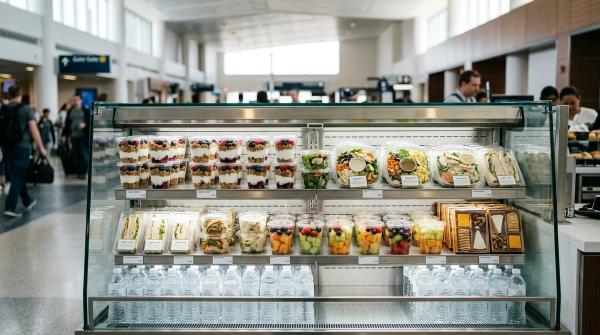
- I notice covers. Covered fruit, covered toppings, covered pastry trays, and clean containers make me much happier than open bowls next to traffic.
- I trust my nose more than my optimism. Sour dairy smells, stale oil, old coconut, or that musty wet-rag smell? Nope, nope, nope.
And honestly, I watch locals. Not in a creepy way, just lightly. Where are families buying sweets for kids? Which stall has regulars chatting with the vendor? Which one has a queue that moves fast? Tourist crowds can be misleading because we’ll line up for anything colorful, but local repeat customers are a better sign. Not a guarantee, but a sign.
Desserts I’m More Likely to Say Yes To
#This is the happy part. I’m not out here living a dessert-free life. I just prefer desserts that have less mystery. Freshly fried is one of my favorite categories: churros in Mexico and Spain, jalebi in India when it’s coming right out of the oil and dunked in syrup, sesame balls in Chinese markets, banana fritters in Indonesia, mandazi in East Africa, loukoumades in Greece if they’re hot and moving quickly. Hot oil is not a magic forcefield, but made-to-order fried sweets tend to give me more confidence than room-temperature cream things.
Baked sweets from busy bakeries are another good bet. Baklava in Turkey from a shop with high turnover. Pastéis de nata in Portugal where they’re still warm. Japanese taiyaki cooked in front of you. Fresh waffles where the batter is handled cleanly and toppings aren’t suspicious. Packaged sweets from reputable shops are also underrated when you’re tired, especially on travel days. A sealed box of local cookies eaten on a train can be just as romantic as a street cart moment, depending on your mood and how dramatic the scenery is.
I also love peelable fruit when I need something sweet and safe-ish. A vendor in Chiang Mai once sold me the best mangosteen of my life, and all he did was laugh at my terrible peeling technique. In Colombia, I ate little bananas from market stalls almost daily. In Morocco, fresh dates and nuts saved me during long bus rides. Not every dessert needs a sauce, a topping, and a possible gastrointestinal subplot.
A Few Specific Things I Usually Skip, Even If Everyone Else Is Ordering
#Okay, here’s my personal skip list, and yes, I break my own rules sometimes because I am human and mango sticky rice exists. But generally, I skip pre-cut melon and papaya cups that are uncovered. I skip shaved ice when I don’t trust the water or handling. I skip cream pastries from outdoor carts without refrigeration. I skip cold rice pudding, custard, or coconut puddings if they’re sitting at room temperature. I skip desserts with ice cream scooped from a freezer that keeps getting soft and refrozen, because that texture tells a story. I skip anything with toppings stored in open containers right next to raw foods, drains, or busy roads.
I also skip the “last few pieces” at the end of the night unless it’s something dry and sturdy. This is controversial because end-of-night discounts are tempting. But those last cream buns or fruit cups may have been waiting all day for someone exactly as cheap as me. I’ve been that person. I have regret.
And if a stall looks empty in a crowded market, I ask myself why. Sometimes it’s just bad location, sure. Sometimes the vendor is new. But if every other dessert cart has a line and this one has lonely puddings sweating under plastic wrap, I don’t need to solve the mystery with my intestines.
When I Took the Risk Anyway, Because Travel Is Not a Spreadsheet
#Here’s the contradiction part: some of my best food memories came from slightly risky choices. In Istanbul, a man selling dondurma did the whole stretchy ice cream performance, teasing customers and ringing a little bell, and I absolutely bought one even though I was tired and not in my most rational state. The stall was clean, the freezer seemed proper, and the line was long. Worth it. In Penang, I ate cendol from a famous old-school spot because the turnover was insane and the ingredients were moving fast. Cold dessert, ice involved, still felt okay. In Jaipur, I ate kulfi from a shop recommended by a local friend, not from a random cart, and it was dense and saffron-scented and beautiful.
So no, I’m not saying “never eat cold desserts” or “never trust a street vendor.” That would be lazy advice. I’m saying context matters. A beloved shop with refrigeration, clean handling, and hundreds of orders a day is different from a lone cart with melting dairy and flies. Same country, same dish, totally different risk. Food travel is always a dance between curiosity and common sense, and sometimes your feet get tangled. Mine definitely have.
What To Do If You’re Traveling With Kids or a Sensitive Stomach
#When I travel alone, I’m more willing to gamble a bit. When I’m with family, especially kids, older relatives, or anyone who gets stomach issues easily, I become much more boring. Boring is not always bad. I choose hot fresh sweets, busy bakeries, packaged treats, peelable fruit, and cafes where I can see refrigeration. I avoid shared toppings, open sauces, crushed ice, and anything dairy-heavy from a cart. Also, I don’t introduce five new desserts in one day anymore, because then if someone gets sick you have no idea what caused it. Learned that one on a trip where everyone blamed the wrong pudding for 48 hours.
I carry oral rehydration salts, not because I expect disaster, but because dehydration can sneak up fast when you’re walking in heat and eating unfamiliar foods. I also try not to eat the sketchiest dessert on the first day in a new country. Give your stomach a minute to settle, you know? The first 24 hours are for observing, drinking bottled water if needed, and deciding which dessert vendor deserves your trust. Very scientific. Also vibes-based.
My Final Rule: If You’re Unsure, Wait for the Better Version
#This is the food-travel advice I come back to again and again: you don’t have to eat the first version you see. There will almost always be another mango sticky rice, another churro, another waffle, another sweet pancake, another fruit cup, another ice cream shop. Hunger and FOMO make us stupid. I say that with love, because I am the mayor of FOMO Town. But the better version is often around the corner, at the busier stall, in the cleaner market lane, or at the little family shop your guesthouse owner recommends.
Street desserts are joy. They’re how a city flirts with you. They’re the smell of sugar hitting hot oil, the clink of syrup bottles, the old man folding crepes faster than seems physically possible, the kid with powdered sugar on her nose, the vendor who gives you an extra piece because you tried to say thank you in the local language and butchered it completely. I don’t want to travel without that. I just want to enjoy it without spending the next day memorizing the tile pattern in a hotel bathroom.
So skip the tired cut fruit, the mystery ice, the warm cream, the raw egg mousses, the uncovered toppings, and the stall that gives you that tiny internal “hmm.” Say yes to fresh, hot, busy, clean, and local-loved. And if you’re still unsure, walk a little more. Dessert tastes better when you’re not worried about it. Anyway, if you’re into this kind of food-and-travel rambling, I’ve been finding more practical food travel reads over on AllBlogs.in, the kind you can skim before a trip and then remember right when you’re standing in front of something delicious and questionable.