Let’s just say it straight. If you’re visiting India for the first time, the toilet situation might confuse you more than traffic, bargaining, or spicy food. And honestly, that says a lot. I’m Indian, I travel around the country pretty often for work and random weekend trips, and even me — born and brought up here — still get caught off guard by some railway station washrooms, roadside dhabas, old heritage hotels, bus stands, tiny mountain homestays, all of it. So if you’re a foreign traveler wondering how Indian toilets work, how to stay clean, what to carry, what not to panic about... you’re not overthinking. This is one of those things you should know before landing.
Also, small but important thing: India does not have just one kind of toilet experience. There’s a massive difference between a clean airport restroom in Bengaluru, a paid washroom near a market in Jaipur, a squat toilet in a village guesthouse, a modern bidet setup in a business hotel in Mumbai, and a not-so-great public toilet on a highway somewhere in between. People talk about “the Indian toilet” like it’s one thing. It really isn’t. It changes by city, budget, region, and honestly by pure luck sometimes.
First thing first: what foreigners usually mean by “Indian toilet”
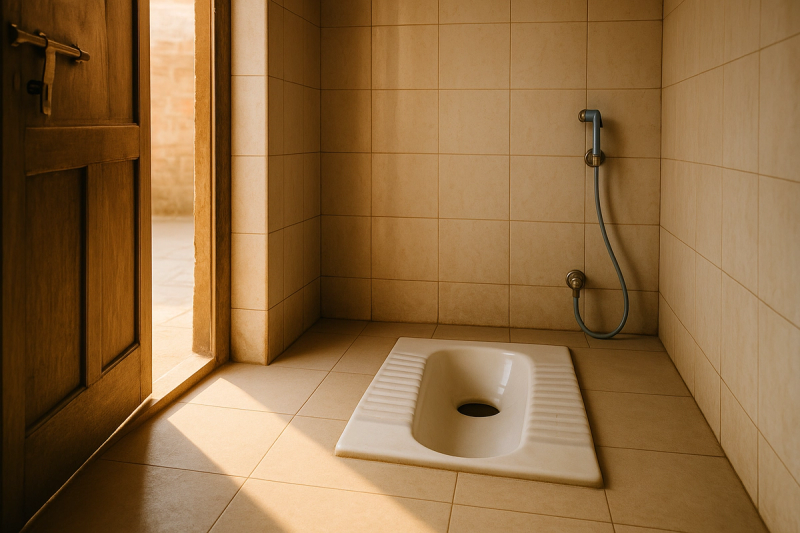
#Usually they mean the squat toilet. The pan is on the floor, you place your feet on the textured footrests, squat over it, and use water to clean yourself after. That’s the basic idea. But in India you’ll also find western seated toilets everywhere now, especially in airports, malls, newer cafés, chain hotels, co-working spaces, metro stations, and mid-range to luxury stays. In the last few years there’s been a big push for cleaner public sanitation and more access, especially in urban and tourist-heavy places, so it’s not like every bathroom is old-school. Still, you should be ready for both. Trust me, the worst mindset is expecting Europe-style consistency. India is a mix. A glorious, messy, sometimes brillant mix.
- Squat toilet = common in older buildings, budget stays, highways, village homes, small restaurants, local transport hubs
- Western toilet = common in hotels, airports, malls, upscale restaurants, newer homes and tourist zones
- Water-based cleaning is normal in India, toilet paper is often secondary or absent
- Public washroom quality ranges from very clean to “hmm maybe I’ll hold it another hour”
My honest advice: don’t act grossed out too quickly
#This sounds blunt, I know. But one thing that really helps foreigners travel better in India is dropping the automatic reaction that anything unfamiliar must be unhygienic. A squat toilet is not inherently dirty. In fact, sometimes it’s cleaner than a western toilet because there’s less skin contact. A lot of Indians actually prefer it for that reason, and also because squatting can feel more natural for bowel movement. I’m not saying every squat toilet is pleasant — lol no, absolutely not — but the format itself is not the problem.
Where hygiene really depends is maintenance, water availability, foot traffic, drainage, and whether the place is cleaned regularly. I’ve seen spotless squat toilets in Kerala homestays and really grim western toilets in fancy-looking transit points. So yeah, don’t judge too fast. Observe first.
How to actually use an Indian squat toilet without losing your balance or your mind
#Okay, practical bit. Face the hooded end of the pan — in most cases that’s the front. Put one foot on each side where the grip areas are. Pull your clothes well out of the way. Then squat fully, heels planted if you can manage it. If you’re not used to squatting, your thighs will complain the first few times. That’s normal. Don’t hover awkwardly half-standing, because that’s when people slip or make a mess. Full squat is better. Slower, steadier.
And please, this is a common confusion, don’t stand on a western toilet seat to squat over it. It’s dangerous and also damages the seat. If there’s a western toilet, sit on it normally. If you’re worried about hygiene, use toilet seat spray, tissue barrier, or just wipe it before sitting. I’ve actually seen signs in some airport and mall restrooms asking people not to squat on the seat because it cracks. Fair enough.
The bucket, the mug, the jet spray... yes, this is all normal
#One of the first things many visitors notice is that Indian bathrooms often include a bucket and a small plastic mug, or a hand-held bidet spray sometimes called a jet spray, health faucet, or just “the spray.” Water washing is standard here. Toilet paper may be provided in hotels and modern cafés, but in many local places it won’t be. Even where it is available, Indians often still use water because that’s what we’re used to. Frankly, after using water properly, dry paper alone feels... unfinished. Sorry, but true.
If there’s a jet spray, open the tap gently. GENTLY. I’m saying this with feeling because I once watched a backpacker in Varanasi blast the thing full pressure and nearly baptise the whole cubicle. It was chaos. Test the pressure first. If it’s a bucket-and-mug setup, you scoop water and wash manually. In most places, the left hand is traditionally used for cleaning, and the right hand for eating and greeting. That cultural detail matters in India, especially in homes or more traditional settings. Wash your hands properly after, obviously.
The biggest bathroom culture shock for many foreigners in India isn’t the toilet itself. It’s realising that water is the main cleaning tool, not paper.
What to always carry in your day bag. Like, always
#This one saves trips. I don’t care if you’re staying in a five-star hotel in Delhi or backpacking through Himachal, carry your own mini bathroom kit. India is improving fast in terms of tourism infrastructure, but supply inside washrooms can still be hit-or-miss. Tissue finished. Soap dispenser empty. No hooks. No dryer. No change for paid toilet. It happens.
- Pocket tissues or a small toilet paper roll
- Hand sanitiser
- Travel soap sheets or a tiny liquid soap bottle
- Wet wipes, but don’t flush them
- A spare paper napkin or hanky
- Small change in cash for paid public toilets
- For women: menstrual products, disposal bags, and maybe seat sanitiser
If you’re traveling long-distance by train or bus, add a bottle of water just for handwashing backup. Not always needed, but wow, on some routes you’ll be glad. And if you have a sensitive stomach, keep meds with you because bad timing and bad toilets are a rough combo, yaar.
Public toilet reality in India: better than before, still uneven
#This is the honest middle-ground version, not the romantic one and not the doom one either. Public sanitation access has improved a lot in many parts of India over the past decade, especially around major cities, highways, airports, tourist monuments, and government-backed facilities. You’ll find more pay-and-use toilets now, more women-focused facilities than before, and in some states cleaner highway rest areas too. Big metro systems like Delhi Metro, Bengaluru Metro and others usually have usable washrooms at major stations, though not every station is equal.
But uneven is the key word. One clean toilet does not predict the next one. Hill stations can have water shortages. Beach areas can have overloaded facilities in peak season. Pilgrimage towns get insanely crowded during festivals, and washroom cleanliness can drop very fast by afternoon. During monsoon, drainage issues make some public toilets smell much worse, not gonna lie. If your standards are very high, plan your toilet breaks around hotels, malls, museums, branded cafés, or better restaurants whenever possible.
Where foreigners usually find the cleanest bathrooms
#If you’re trying to play it smart, here’s the pattern I’ve seen across dozens of Indian cities. The most reliable restrooms are usually in airports, good hotels, upper-mid restaurants, shopping malls, modern museums, premium co-working spaces, and newer metro interchanges. In tourist states like Rajasthan, Kerala, Goa, Tamil Nadu, Karnataka, Maharashtra and parts of Uttarakhand, decent washrooms are getting easier to find in popular areas because tourism businesses know reviews matter now. A bad bathroom photo can hurt bookings, and owners know it.
- Airports and major hotel lobbies are your safest bet
- Chain coffee shops and malls are usually reliable in big cities
- Better highway food plazas are often worth paying a bit extra for
- At monuments, go early in the day before heavy crowds wreck the place
- On trains, use the washroom earlier rather than waiting till late in the journey
Train toilets, bus stops, and road trips... ah, the real test
#If you ask me where travelers get humbled in India, it’s not luxury hotels or cute heritage cafés. It’s overnight transport. Indian trains now have much better coaches on many routes, especially premium ones like Vande Bharat, Tejas-type services where available, AC classes on major intercity routes, and newer rolling stock. But train toilets still depend a lot on how many people used them before you. Early in the journey they can be okay. By morning after a full night? Hmm. Let’s just say lower your expectations and carry supplies.
Buses are trickier because long-distance routes may stop at random roadside places. Some are fine, some are horror stories waiting to happen. If you’re on a road trip with a hired driver, tell them clearly you want decent restroom stops. Indian drivers usually know which petrol pumps, food plazas, or branded stops have cleaner facilities. Ask without embarrassment. They’ve heard it before.
Bathroom etiquette in India that people don’t always explain
#This part matters because hygiene isn’t only about your comfort, it’s also about respecting local norms. In many Indian bathrooms, especially older ones, the floor may be wet because people wash with water. Wet floor does not automatically mean filthy floor. It can just mean active use. Though yes, wear footwear, obviously. Another thing — don’t put used toilet paper in the corner unless there is a bin and that’s clearly the system. In many Indian toilets, paper can clog weak plumbing, so use the bin if available. If no paper is provided and no bin is visible, use your judgment and avoid flushing anything thick.
Also, if you used a bucket-and-mug setup, leave it neatly. Don’t toss the mug somewhere weird. Don’t splash the whole area if you can help it. In guesthouses and homes, basic tidiness is appreciated. And if you’re staying with an Indian family, maybe ask politely how their bathroom system works. Some homes have septic systems that are picky. It’s not awkward, actually it’s smarter than pretending you know.
For women travelers, a few extra things that are genuinely useful
#I’ve travelled with female friends, cousins, colleagues, and this comes up every single time. Toilet access can shape the whole day, especially during long sightseeing plans. Women’s queues are often longer in busy places. Some public toilets have poor disposal systems for sanitary products. Carry zip pouches or disposal bags. In bigger cities you’ll find sanitary pads in pharmacies everywhere and often in supermarkets or quick-commerce apps too if you’re staying in one place. Tampons are available in metros and tourist hubs, but not as universally as pads. Menstrual cups are easier if you already use one, but maybe not something to experiment with for the first time on a Rajasthan road trip in peak summer. Just being honest.
Pregnant travelers, families with toddlers, or anyone needing accessible washrooms should plan more carefully. Accessibility has improved in airports, nicer malls, and branded hotels, but it’s inconsistent at monuments, old buildings, ghats, forts, and local transit points. Call ahead if it’s important. Don’t rely on websites only because half the time the info is outdated.
Season matters more than you’d think
#Bathroom comfort in India changes with the weather. Summer means dehydration, so you need more toilet breaks but you also need cleaner hydration habits. Monsoon means wet floors, muddy entrances, humidity, smell issues, and occasional waterlogging around public facilities. Winter in north India is actually easier for many travelers because there’s less smell and less sweating, but early morning train washrooms can be ice-cold and not exactly inviting. If you’re planning a broad India trip, the most comfortable months for many regions are roughly October to March, though south India and the coast have their own patterns. Peak holiday crowds around festivals and long weekends can make public toilets much worse simply due to volume.
Food, stomach issues, and why toilet planning is basically part of travel planning
#You can’t really write a bathroom guide for India without talking about stomachs. Most visitors are not doomed to get sick, despite what dramatic forum posts say, but digestive changes do happen. Different water, spice levels, rich wedding-style meals, too much street food too fast, irregular meal timings, all of that can mess with you for a day or two. My usual advice is boring but works: eat hot fresh food, start mild, avoid cut fruit from questionable places, drink sealed or properly filtered water, and don’t combine beer, pani puri, butter chicken, mystery kebab, and train station chai in one reckless evening. Me and my friends have done this. It was not a succes story.
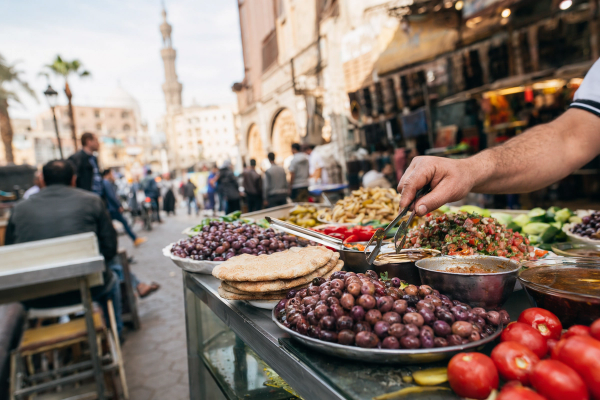
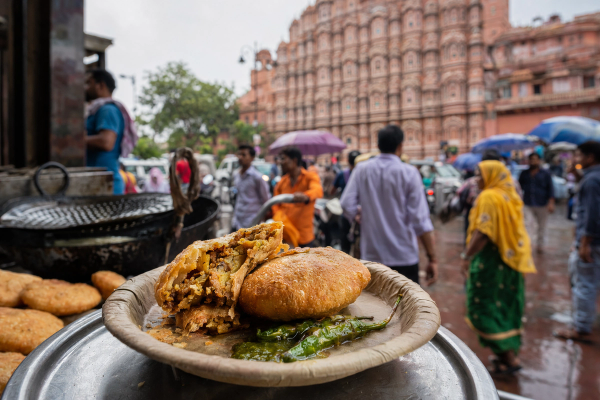
In places known for amazing food — Delhi, Lucknow, Indore, Amritsar, Kolkata, Hyderabad, Ahmedabad, Kochi, Goa, Chennai — enjoy yourself, just pace it. And while exploring local food streets, quietly note where the nearest usable restroom is. This is such an Indian traveler habit, by the way. We all do it without announcing it.
Accommodation choices and what kind of bathroom you’ll likely get
#If bathroom comfort is a top priority for you, don’t go ultra-cheap just to save a few hundred rupees. In many Indian cities, budget hostels and guesthouses can still be charming, social, and decent, but bathrooms are where cost-cutting shows first. As a rough idea, dorm beds in popular backpacker areas often start around budget range pricing, simple private rooms in decent guesthouses sit in the affordable middle, and reliable business hotels cost more but usually give you far better bathroom consistency. Heritage stays look beautiful on Instagram but sometimes have older plumbing, lower water pressure, or quirky layouts. Cute, yes. Practical... depends.
Read recent reviews carefully and search specifically for words like clean bathroom, hot water, western toilet, water pressure, smell, and housekeeping. Reviews from the last few months matter more than older ones because standards change fast. In fact, by 2026 or even earlier, I think this whole conversation will shift more toward consistency than access, because access is improving but upkeep is the next battle.
Little-known but very real tip: use hotel lobbies strategically
#This sounds sneaky but it’s honestly just practical travel behavior. In big Indian cities, if you’re sightseeing all day and need a clean restroom, taking a tea or coffee break in a good hotel café can save you from a miserable public toilet later. Same with upscale restaurants in busy markets. You don’t always need to be a guest to use the facilities if you’re paying customer-side for something small. I’ve done this in Mumbai during monsoon, in Jaipur during wedding season crowds, and in Bengaluru when traffic trapped me for ages. No shame. Smart is smart.
What not to do, seriously
#- Don’t assume there will always be toilet paper
- Don’t flush pads, tampons, wipes, or thick tissue unless you’re sure the plumbing can handle it
- Don’t wait till the last possible second before finding a washroom in a crowded market area
- Don’t drink random tap water and then blame the entire country when your stomach protests
- Don’t mock local bathroom habits in front of people. It’s rude, and also kind of immature
- Don’t panic if a floor is wet. Check if it’s just from water use first
So... is it hard for foreigners? Yes a bit. Is it manageable? Totally
#That’s my real conclusion after seeing friends from Europe, Southeast Asia, Australia, the US, and Latin America travel through India with very different comfort levels. The people who do best are not necessarily the fanciest travelers. They’re the flexible ones. The ones who carry tissues, ask questions, laugh off the weird moments, and adapt fast. India rewards that attitude in general, not just with toilets. If you come expecting every bathroom to be polished and familiar, you’ll get frustrated. If you come prepared, respectful, and a little bit adventurous, you’ll be fine. More than fine, actually.
And after a week or two, there’s a decent chance you’ll start appreciating water-based cleaning too. Happens to a lot of people. Funny world.
Anyway, that’s the guide I wish more travelers read before arriving here instead of learning the hard way in some random bus stop washroom off the highway. India is chaotic, warm, generous, exhausting, beautiful — and yes, occasionally very confusing in the bathroom department. But it’s manageable, promise. If you like practical travel posts written the normal human way, have a look at AllBlogs.in too, there’s some pretty useful stuff there.