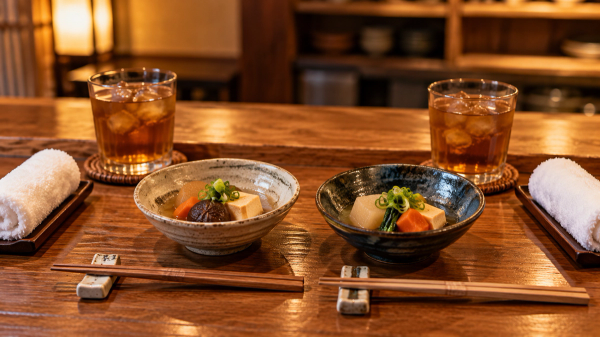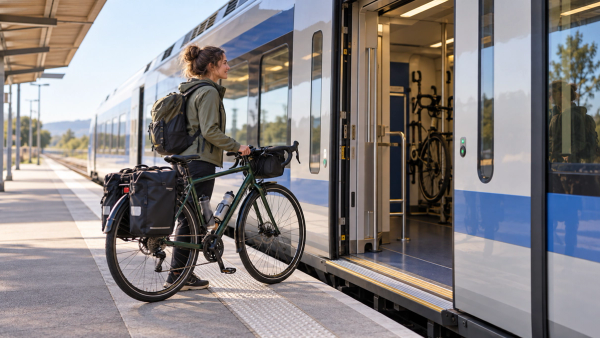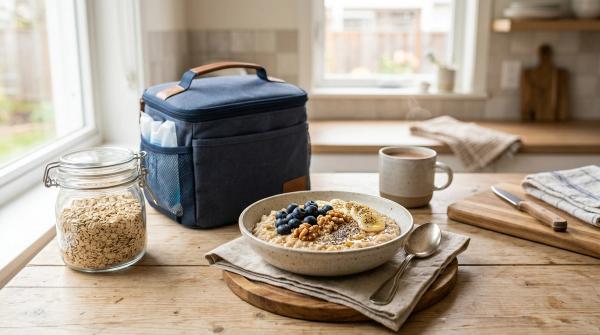
I used to think the hotel mini-fridge was just where overpriced tiny bottles of water went to die. You know the ones, sitting there with a little sensor underneath them, threatening to charge your card if you breathe too close. But after years of traveling for food, eating too much street-side grilled seafood, buying cheese I had no business buying before a 6-hour train ride, and stuffing leftovers from really good restaurants into mystery hotel fridges, I’ve become weirdly passionate about mini-fridge food safety. Not glamorous, I know. But nothing ruins a food trip faster than waking up at 3 a.m. in a beautiful city because yesterday’s ceviche decided to fight back.
Food travel in 2026 feels bigger and more personal than ever. People are planning trips around markets, chef counters, fermentation workshops, farm stays, and late-night noodle stalls instead of just museums and beaches. I love that. I’m one of those annoying people who books lunch before booking the hotel. But with all this snack-hauling and leftover-saving and local-ingredient-shopping, we really do need to talk about the humble hotel mini-fridge. Because it is not always a real fridge. Sometimes it’s basically a cool-ish box with a light and good intentions.
The Mini-Fridge Lesson I Learned in Lisbon, the Hard Way
#A few years back in Lisbon, I bought this gorgeous little sheep’s milk cheese from a market, plus olives, smoked fish, and a custard tart that absolutely did not need refrigeration but I saved one anyway because I have no self control. I checked into a cute boutique hotel near Baixa, opened the mini-fridge, and thought, perfect. It felt cold enough. Big mistake. By morning the cheese was sweating, the fish smelled like the inside of a fishing boat in August, and the custard tart was... honestly still fine probably, but emotionally I could not do it. That’s when I learned that “feels cold” means almost nothing.
The basic food safety rule is still the one travelers should memorize: perishable foods should be kept at 40°F or below, that’s about 4°C. The “danger zone” is 40°F to 140°F, or 4°C to 60°C, where bacteria can multiply fast. Most food safety agencies still give the 2-hour rule: don’t leave perishable food out more than 2 hours, or 1 hour if it’s hotter than 90°F, around 32°C. This matters so much when you’re traveling in Bangkok, Oaxaca, Lima, Singapore, Naples, New Orleans, or basically anywhere delicious and warm.
What Makes Hotel Mini-Fridges So Tricky
#Here’s the annoying thing: hotel mini-fridges vary wildly. Some are legit little refrigerators. Some are beverage coolers. Some are thermoelectric units that keep drinks pleasant but don’t reliably hold food-safe temperatures. Some are packed with minibar items, some switch off when your room key isn’t in the slot, and some have a dial that says “cold” but seems to be more of a suggestion than a setting. I’ve stayed in fancy hotels where the fridge barely chilled sparkling water, and budget guesthouses where the tiny fridge was colder than an Arctic research station. There is no logic.
In 2026, hotels are getting better about food-focused travelers. I’ve seen more apartment-style rooms, boutique hotels offering local grocery baskets, extended-stay brands adding real kitchenettes, and even some wellness hotels offering little in-room “gut health” snacks like kefir, kombucha, miso dips, and pre-cut fruit. Nice idea. But fermented foods and dairy and cut fruit still need safe temperatures. Trendy does not mean magically safe. Same with all the plant-forward travel food right now. Vegan cashew sauces, tofu dishes, cooked grains, rice bowls, and cut vegetables can still spoil. People sometimes think meat is the only risky food, but no. Cooked rice has humbled many travelers.
My Current Mini-Fridge Test, Because I Don’t Trust Vibes Anymore
#I now travel with a tiny fridge thermometer. It cost less than a sad airport sandwich and has saved me from several questionable decisions. When I get to the room, I put it in the fridge and check it after a couple hours. If it’s 40°F or colder, great. If it’s hovering around 45°F or 50°F, I treat it like a drink cooler, not a food fridge. And if there’s no fridge at all, I adjust my eating plans. That usually means buying smaller portions, eating leftovers immediately, or choosing shelf-stable snacks like nuts, crackers, whole fruit, tinned fish if I can open it without making the room smell criminal, and instant oats.
- I keep perishables on the middle shelf or back of the fridge, not the door, because the door warms up every time you open it.
- I don’t cram the fridge full. Cold air needs space to move around, which is very inconvenient when you’ve just discovered a night market.
- I put restaurant leftovers in shallow containers when possible, because a giant deep box of hot noodles cools slowly.
- If something smells off, looks slimy, has puffed-up packaging, or makes me pause and say “hmmm,” I toss it. No heroic travel stomach nonsense.
The Leftover Problem: Amazing Restaurant, Tiny Room, Big Regret?
#Food travelers are sentimental about leftovers. I get it. When you finally score a table at a place you’ve been dreaming about, wasting food feels awful. I still think about a smoky tomato dish I had in San Sebastián and a half portion of mole negro in Oaxaca that I guarded like treasure. But leftovers are where mini-fridge safety gets real. Restaurant food should go into the fridge within 2 hours. If you walked around afterward, stopped for drinks, took photos, got lost, then returned to your hotel 4 hours later with seafood pasta in a paper box... I’m sorry. That pasta had a full life. Let it go.
The dishes I’m most careful with are seafood, poultry, meat sauces, creamy desserts, dairy, eggs, cooked rice, cooked noodles, tofu, deli meats, and anything with mayo or fresh cut fruit. Sushi and ceviche are not “save for tomorrow” foods for me unless the restaurant packed it cold and I got it into a properly cold fridge fast. Even then, honestly, I usually don’t. When I’m in Lima and eating ceviche, I eat it right there, bright and cold and citrusy, the way it was meant to be. The hotel fridge is not the place for a second act.
A Quick Cheat Sheet I Wish Every Hotel Put on the Fridge
#| Food or situation | What I do when traveling | Why it matters |
|---|---|---|
| Perishable leftovers | Refrigerate within 2 hours, sooner in hot weather | Bacteria grows fast in the danger zone |
| Mini-fridge above 40°F / 4°C | Use it for drinks only | Not cold enough for safe food storage |
| Cooked rice or noodles | Cool quickly, eat next day, don’t keep for days | Rice and pasta can grow nasty bacteria if mishandled |
| Raw seafood or meat from a market | Only buy if I have a real fridge or kitchen | Leakage and temperature abuse are a bad combo |
| Cheese and charcuterie | Keep cold, sealed, and eat within a day or two | Delicious, but still perishable |
| Cut fruit | Treat like a perishable food | Once fruit is cut, it’s more vulnerable |
| Travel day with no fridge | Buy shelf-stable snacks or eat fresh immediately | Less stress, less waste, less bathroom drama |
Markets Are My Weakness, and Also My Biggest Food Safety Test
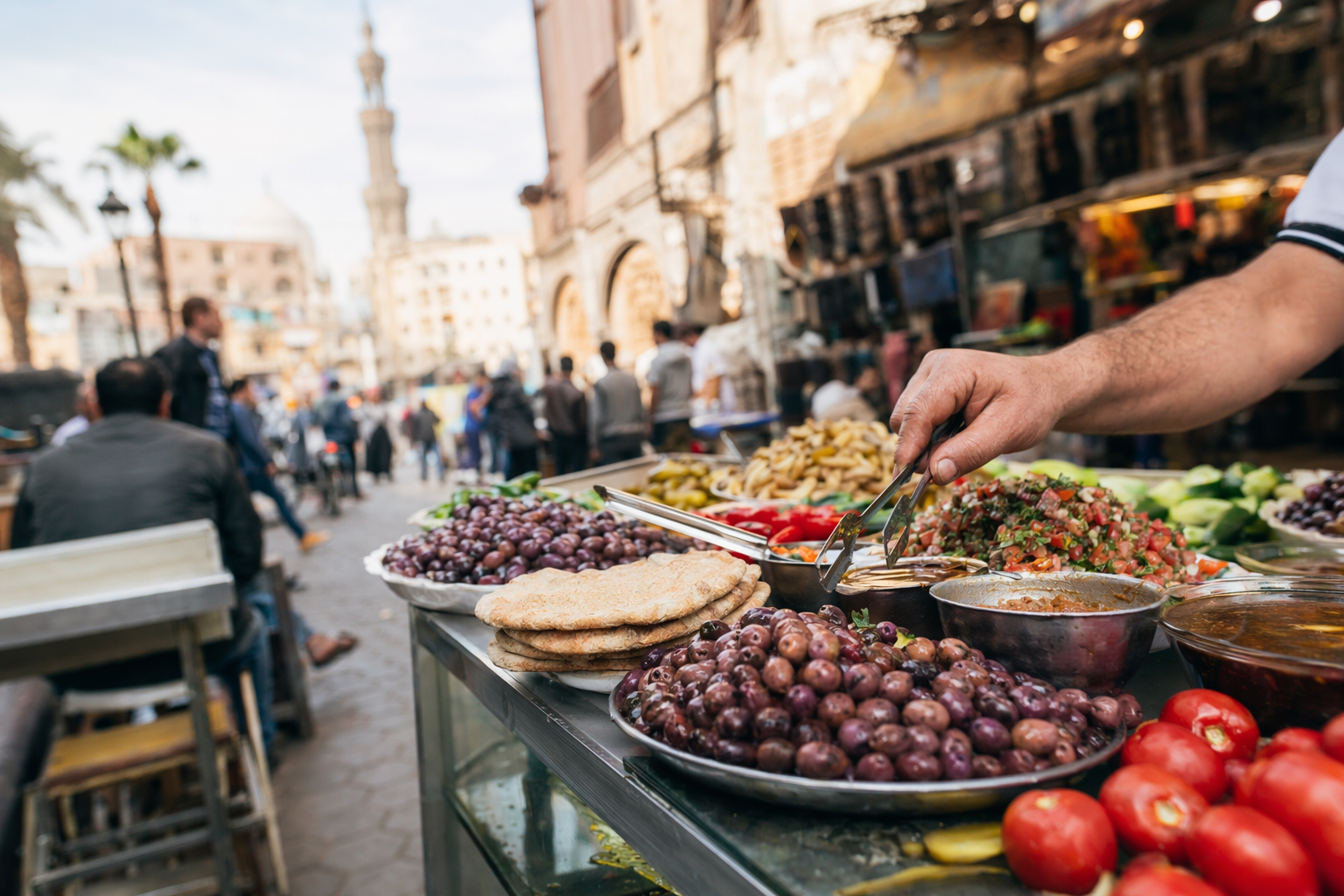
#Markets are why I travel. I can spend hours in Mercado de la Boqueria in Barcelona even though it’s busy, or in a neighborhood market in Seoul staring at banchan like it’s jewelry. In Tokyo, depachika food halls under department stores are still one of the best eating experiences on earth, especially if you like perfect little boxes of grilled fish, pickles, fruit sandwiches, and seasonal sweets. In Mexico City, I always end up buying sauces, tortillas, fruit, and some snack I don’t fully understand but need immediately. The problem is that market food makes you greedy. You buy for the person you imagine yourself to be, not the person with one mini-fridge and a morning flight.
My rule now is boring but useful: I buy what I can eat that day. If I’m staying somewhere with a real kitchen, then sure, I’ll buy more. But if I’m in a standard hotel room, I avoid raw meats, raw seafood, large tubs of dairy, and anything that needs careful chilling. I ask vendors if something is meant to be eaten today. Not in a dramatic way, just normal. In many places, vendors are incredibly honest if you ask. I’ve had fishmongers tell me, “eat tonight, not tomorrow,” which I appreciated more than any travel guide advice.
The 2026 Food Travel Trends Making Mini-Fridges More Important
#The big food travel mood right now is hyperlocal. Travelers want the neighborhood bakery, the family-run noodle shop, the vineyard that does lunch under olive trees, the indigenous food tour, the regenerative farm dinner, the zero-waste restaurant, the natural wine bar with snacks that are better than the wine. People are also traveling with more dietary needs and preferences: gluten-free, plant-based, low-FODMAP, halal, kosher, allergy-aware, high-protein, all of it. That means more travelers are keeping their own food in hotel rooms, whether it’s medication-adjacent snacks, special breakfast items, baby food, protein yogurt, or leftovers from a restaurant that actually understood their allergy.
Another trend I keep seeing is grocery delivery to hotels. It’s very handy. After a long flight, ordering sparkling water, fruit, yogurt, crackers, and maybe a local cheese feels civilized. But groceries can arrive while you’re stuck in immigration or wandering the wrong terminal. If perishable groceries sit at reception for hours, that’s not great. I always add a note asking the hotel to hold cold items in refrigeration if possible, and then I call. Yes, a phone call, like it’s 2009. It works better than hoping an app note gets read.
Destination Notes: Where I’m Extra Careful
#In hot, humid cities, I’m stricter. Bangkok, Singapore, Cartagena, Ho Chi Minh City, Miami in summer, New Orleans in August, pretty much anywhere your shirt sticks to your back by breakfast. Street food can be safe and spectacular when it’s cooked hot, served fast, and busy with locals. I happily eat sizzling skewers, wok-fried noodles, tacos fresh off the plancha, and hot soups that fog my glasses. But carrying leftovers around in that weather is where trouble starts. A bag of takeout in a warm taxi is not a refrigerator, even if the air conditioning is blasting your knees.
In cooler destinations, I still don’t get lazy. Copenhagen, Montréal, Edinburgh, Hokkaido, the Alps, they can trick you. People think, “oh it’s cold outside, the food is fine.” Maybe. But hotel rooms are warm, train stations are warm, bags sit by heaters, and sunlight through a window can heat food quickly. Also, winter travel often means rich dairy-heavy food: cream sauces, cheeses, pâté, custards. Beautiful stuff. Needs proper chilling.
Restaurant Leftovers in Food Capitals: My Personal Rules
#If I’m eating somewhere special, I plan around it. In Barcelona, after one of those long lunches where every dish looks like architecture, I don’t ask to box up delicate seafood unless I’m going straight back. In Lima, after ceviche or tiradito, no leftovers. In Tokyo, I’ll save convenience store onigiri or packaged desserts if the fridge is cold, but I don’t mess around with sushi. In Mexico City, leftover tacos al pastor usually don’t exist because I eat them all, but if they did, I’d refrigerate quickly and reheat until properly hot. In New York, pizza is forgiving compared with cream-filled pastries, but still, don’t leave it on the desk all night and call it breakfast. I mean, I’ve done it. I am not proud.
- First, I check whether I’m going straight back to the hotel. If not, I usually skip taking leftovers.
- Second, I ask for sauces on the side if I know I might store food, because soggy food cools weirdly and reheats badly.
- Third, I write the date on containers with a pen or even a torn bit of receipt. Sounds fussy, but travel days blur together.
- Fourth, I eat leftovers within 24 hours when traveling, even though some leftovers can be safe for 3 to 4 days in a proper fridge. Hotel fridges are just too unpredictable for my comfort.
What About Hotel Breakfast Loot?
#Ah yes, the ancient traveler tradition of taking a banana and a roll “for later.” I support this, within reason. Whole fruit, sealed jam, packaged crackers, and maybe a wrapped pastry are usually fine for a short while. But please don’t take yogurt, sliced melon, ham, cheese, or boiled eggs and let them roll around in your backpack until mid-afternoon. Breakfast buffets are already temperature-sensitive little ecosystems. Cold foods should stay cold, hot foods should stay hot, and once you remove them from that setup, the clock starts.
I once watched a man in a hotel in Rome pack smoked salmon into a napkin and put it in his tote bag. No container. No ice. Just vibes and salmon. I still think about him sometimes. I hope he’s okay.
The Ice Bucket Trick, and Why It’s Not Perfect
#If your mini-fridge is weak, an ice bucket can help for a short window. Put sealed food containers in a clean bag, surround with ice, and drain water so the food isn’t swimming in mystery melt. But this is a temporary fix, not overnight storage unless you’re checking and replacing ice. Also, hotel ice machines can be questionable. I’m not saying never use them, I use them plenty, but I don’t let unpackaged food touch hotel ice directly. Sealed container, sealed bag, then ice. That’s the move.
For road trips, I like a small soft cooler and ice packs. In the U.S., I’ve done this through the Southwest with farmers market peaches, green chile cheese, and leftovers from diners. In Europe, I’ve used insulated grocery bags on train days. If I’m carrying anything truly perishable, I treat travel time like a countdown. Under 2 hours, okay. Longer than that, I need ice packs or I buy later. It’s not romantic, but neither is food poisoning on a train between Bologna and Florence.
Allergies, Medications, Baby Food, and Asking the Hotel for Help
#This part matters. Some travelers need refrigeration for medical foods, insulin, certain medications, baby formula, breast milk, or allergy-safe meals. In that case, don’t rely on a random minibar. Contact the hotel before arrival and ask for a medical fridge or guaranteed refrigerator, and ask what temperature it maintains. Many hotels are used to this request now, especially larger chains and business hotels. If they can’t provide one, at least you know early and can plan with a cooler, nearby pharmacy, or different lodging.
For allergy-safe travel, I’m also careful about cross-contact in shared hotel fridges, especially in hostels or guesthouses. I use sealed containers, zip bags, and labels. In communal fridges, I don’t place my food under raw meat or seafood. Actually I try not to use communal fridges unless I really need to, because some of them look like a science project with postcards on the door.
How I Pack a Mini-Fridge Food Kit Now
#My little kit changes depending on the trip, but it’s simple: fridge thermometer, a few zip-top bags, one collapsible container, a tiny roll of tape, a marker, electrolyte packets, and sometimes a spoon because hotels never give you enough spoons. If I’m planning market picnics, I add a lightweight cutting board and a travel knife if I’m checking a bag. For carry-on only, no knife, obviously. I’ve also started carrying a couple of shelf-stable meals for late arrivals. Not glamorous, but when you land at midnight and every restaurant kitchen is closed, instant noodles or tuna crackers can feel like luxury.
The funny thing is, packing this way has made me eat better. I waste less. I buy more thoughtfully. I don’t panic-buy five things from a bakery just because I’m excited. Okay, I still do that sometimes. But now I know which ones need the fridge and which ones can hang out on the desk without becoming a hazard.
The best food travel is adventurous, but it doesn’t have to be reckless. Eat the street food, buy the cheese, bring back the leftovers if you must, just don’t trust a hotel mini-fridge until it proves itself.
My Final Mini-Fridge Rules After Too Many Delicious Mistakes
#If I could give one piece of advice, it’s this: treat the hotel mini-fridge as suspicious until proven safe. Check the temperature. Don’t overload it. Keep risky foods cold and sealed. Eat leftovers quickly. Throw away anything questionable without turning it into a moral crisis. Food waste feels bad, I know, but losing a day of your trip feels worse. Especially if that day was supposed to include ramen in Tokyo, pintxos in San Sebastián, laksa in Singapore, barbecue in Austin, or a long lazy lunch in Puglia with burrata and tomatoes that taste like sunshine.
Travel has made me braver with food, but also more respectful of it. Good food is alive with place and weather and timing. Sometimes the safest, happiest thing is to eat it right there, on the curb, at the market counter, standing outside a bakery with powdered sugar on your shirt. Not everything needs to become a leftover. And when it does, give it a properly cold home.
So yes, I’m the person checking a mini-fridge thermometer before unpacking my socks. I’m also the person planning a whole afternoon around noodles, coffee, and whatever seasonal pastry everyone in town seems to be carrying. Both can be true. Food travel is joy, but a little caution keeps the joy going. If you’re into this kind of practical, hungry, slightly overexcited travel chat, have a wander through AllBlogs.in sometime, there’s always something there that makes me want to book a ticket and pack snacks.