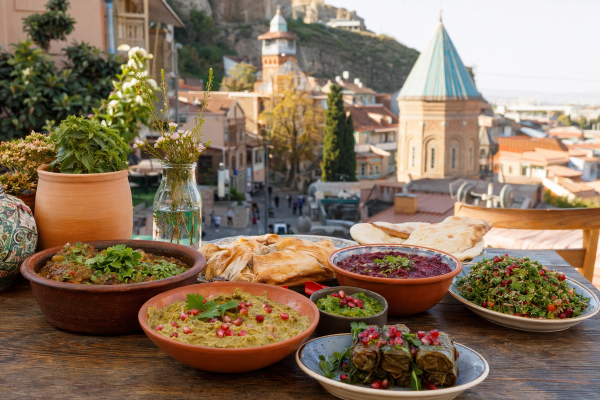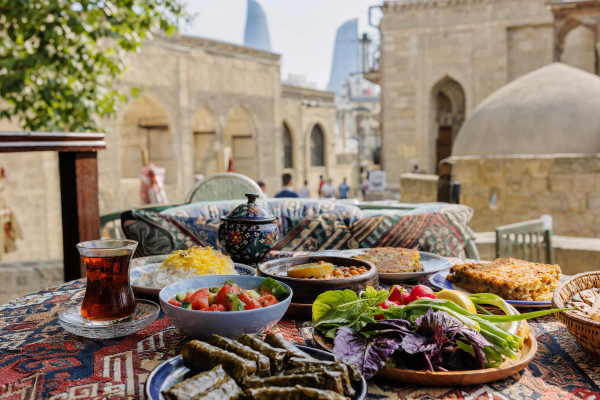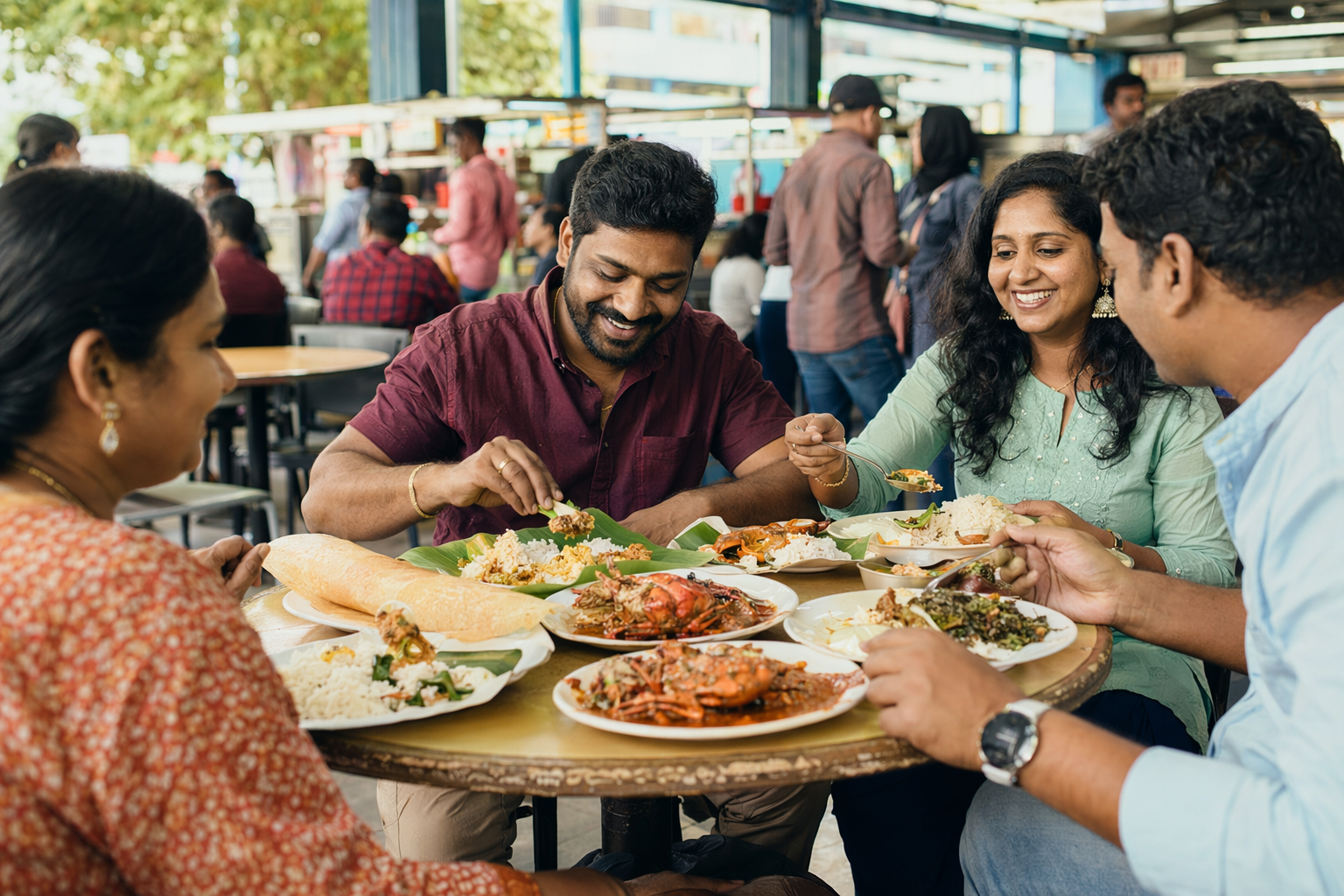
Malaysia is one of those countries where I land with a proper plan — hotel, transport, maybe two museums — and then immediately throw the plan away because I smell something frying. Honestly, food courts in Malaysia are not just “cheap places to eat.” They are little travel maps. You’ll find Malay nasi campur next to Chinese noodle stalls, Tamil Muslim roti canai counters, Penang laksa, grilled seafood, fresh juice, kaya toast, and somewhere in the corner, one uncle making teh tarik like it’s a performance art. For Indian travelers, especially vegetarians or families worried about hygiene, Malaysia can feel both comforting and confusing. Comforting because there’s Indian food everywhere, from banana leaf rice to dosa. Confusing because “vegetarian” can still sometimes mean sambal with anchovies, soup stock with chicken, or noodles fried with oyster sauce. So yes, you can eat beautifully here. You just need to know how to look, ask, and choose.
I’ve eaten my way through food courts in Kuala Lumpur, Penang, Melaka, Johor Bahru, Langkawi and Ipoh, sometimes with great confidence and sometimes standing in front of a menu board wondering why everything that looks veg has tiny dried fish on it. Malaysia is gearing up strongly for Visit Malaysia 2026, and food travel is definitely part of that push — more curated hawker tours, QR menus, cashless payments, cleaner mall food halls, halal-certified counters, vegetarian labels in bigger cities, and younger travelers chasing “local but safe” meals instead of only fine dining. But the old-school food court is still the real classroom. That’s where you learn Malaysia by spoon, hand, chopstick, and occasionally by sweating over sambal you underestimated.
First Thing First: Food Court Culture in Malaysia Is Not Like a Mall Canteen Back Home
#When Indian travelers hear “food court,” we often imagine a predictable mall setup — one dosa counter, one pizza place, one chaat stall, everybody eating under bright lights. Malaysia does have those polished mall food courts, like Signatures Food Court at Suria KLCC, Food Republic at Pavilion Kuala Lumpur, Lot 10 Hutong, and NU Sentral’s options near KL Sentral. They are useful, especially on day one when you’re tired and don’t want to negotiate with a street stall while your luggage is still emotionally attached to you. But Malaysia also has hawker centres and kopitiam-style food courts: semi-open spaces, many independent stalls, shared tables, and drinks ordered separately from a drinks uncle or auntie who somehow remembers everyone’s order.
In Kuala Lumpur, I like using mall food courts for my “settling in” meal and then slowly becoming braver. My first meal on one trip was at KLCC after visiting the Petronas Towers. Very touristy, yes, but I was jet-lagged and hungry, and sometimes convenience is also a cuisine. I had rice with vegetables, tofu, and a lime drink, and watched office workers eat faster than I could even decide what sambal was safe. The next day I went to Brickfields, KL’s Little India, and that felt like someone had turned the spice volume back up. Banana leaf rice, thosai, filter coffee, sweet shops, flower garlands, temple bells, traffic, rain, everything.
Vegetarian Travelers: Malaysia Is Friendly, But You Need the Right Questions
#Let’s be honest. Malaysia is not difficult for Indian vegetarians, but it is not automatically simple either. If you eat at Indian restaurants, life is easy. In Brickfields, Penang’s Little India, Klang, Ipoh, and many parts of KL, you’ll find pure vegetarian restaurants, South Indian meals, North Indian gravies, chapati, idli, dosa, appam, and proper curd rice when your stomach wants peace. But in mixed food courts, the word “sayur” means vegetables, not necessarily vegetarian. A vegetable noodle dish may have oyster sauce. Fried rice may include egg. Sambal often has ikan bilis, dried anchovies, or belacan, shrimp paste. Soup may be chicken stock. This is the part many first-time travelers miss.
- Useful phrases: “Saya vegetarian” means I am vegetarian. “Tak mahu daging, ayam, ikan, udang” means no meat, chicken, fish, prawns. “Tanpa telur” means without egg. “Tanpa belacan” means without shrimp paste. “Tanpa ikan bilis” means without anchovies.
- For Jain food, be extra clear: “Tanpa bawang putih, bawang merah” means without garlic and onion. But honestly, Jain food is much easier at Indian vegetarian restaurants than random hawker stalls.
- If you’re strict vegetarian, choose stalls that cook fresh in front of you rather than pre-mixed gravies. You can see what goes into the wok.
One of my safest vegetarian food-court meals in Malaysia is economy rice, also called chap fan or mixed rice, but only when the stall clearly separates dishes. You point to rice, then choose stir-fried greens, tofu, eggplant, long beans, mushrooms, maybe curry vegetables. The problem is sauces. A beautiful-looking brinjal dish can have dried shrimp. So ask. Don’t feel shy. Malaysians are generally kind about food restrictions, though sometimes busy hawker aunties will answer in a hurry because there are ten people behind you and one of them is already waving a plate.
My Favorite Veg-Friendly Food Court Stops
#In KL, Brickfields is still my comfort zone. Not exactly one single food court, more like a neighborhood where Indian travelers can breathe easy. You’ll find vegetarian meals at places around Jalan Tun Sambanthan, and nearby KL Sentral/NU Sentral is useful if you’re connecting to airport trains or intercity travel. For a cleaner, air-conditioned experience, KLCC and Pavilion food courts are practical. They are not always the cheapest, but they’re easier if you’re traveling with parents, kids, or someone who wants washrooms and seating without adventure.
Penang is where things get interesting. George Town is heaven for food lovers, but vegetarian travelers need to be more alert because many iconic dishes are seafood-based — assam laksa is fishy, char kway teow may use lard or prawns, Hokkien mee is usually prawn broth. Still, Penang has excellent Indian vegetarian food in Little India around Lebuh Queen and Lebuh Chulia, plus vegetarian Chinese places if you search a bit. At New World Park Food City, I found it easier to eat with mixed groups because one person could get noodles, another seafood, another Indian food, and nobody had to compromise too much. Sri Weld Food Court is famous for nasi lemak packets, but vegetarians should check fillings carefully because many include anchovies or fish-based sambal.
Seafood in Malaysia: Fresh, Spicy, and Sometimes a Bit Too Tempting
#For Indian seafood lovers, Malaysia is dangerous in the best way. You tell yourself you’ll eat light and then someone brings ikan bakar, grilled fish wrapped in banana leaf with sambal, and suddenly your “light dinner” has side dishes. Coastal Malaysia does seafood beautifully: Penang, Langkawi, Melaka, Kota Kinabalu if you go to Sabah, even KL has strong seafood restaurants and food-court stalls. The flavors are familiar enough for Indian palates — chilli, tamarind, turmeric, coconut, curry leaves sometimes — but also different because of belacan, lemongrass, kaffir lime, galangal, torch ginger, and that sweet-spicy balance Malaysians love.
My most memorable seafood food-court style meal was in Penang, near Gurney Drive. Now, Gurney’s hawker scene has changed over the years with redevelopment around Gurney Bay and shifting stalls, so always check what’s currently open before you go. But that evening feeling — sea breeze, plastic tables, sugarcane juice, families sharing plates — that stays. I had grilled stingray with sambal, cockles which I was nervous about, and a plate of vegetables just to pretend I was being responsible. The stingray was smoky, soft, spicy, and messy. The kind of food where you stop talking for a few minutes.
| Dish | Why Indian travelers may like it | What to check |
|---|---|---|
| Ikan bakar | Grilled fish with spicy sambal, very coastal and satisfying | Ask if sambal has belacan if you avoid shrimp paste |
| Butter prawns | Rich, crispy, slightly sweet, often a crowd favorite | Not usually dairy-free, and can be expensive by weight |
| Chilli crab | Messy, sweet-spicy, great with mantou buns | Confirm price before ordering, especially live crab |
| Asam pedas | Sour-spicy fish curry, popular in Melaka/Johor | Fish-based, obviously, and can be quite spicy |
| Curry laksa with seafood | Coconut curry noodles, familiar but Malaysian | Broth may have shrimp/chicken stock, not veg-friendly |
Halal, Pork, Lard and the Indian Traveler Confusion
#Malaysia is Muslim-majority, so halal food is widely available, especially Malay and many Indian Muslim stalls. But Chinese hawker stalls may use pork, lard, or non-halal ingredients, especially in classic noodle dishes. Lot 10 Hutong in KL, for example, is famous for heritage hawker brands, but it includes non-halal stalls, so Muslim travelers and some Indian families need to check carefully. Same with kopitiams where one stall may be halal-friendly and another may not be. Don’t assume the whole food court follows one rule unless it’s clearly marked.
Indian travelers who don’t eat beef should also ask. Beef rendang, beef noodles, and mixed gravies are common. If you’re Hindu and avoiding beef, use “tak mahu daging lembu” for no beef. For pork, “tak mahu babi.” I know it feels awkward the first time, but it’s better than guessing. And honestly, after two days you become fluent in food survival Malay. Not poetic Malay, but enough to protect your plate.
Hygiene: How I Choose Food Courts Without Getting Paranoid
#People ask me about hygiene in Malaysia a lot, especially families traveling from India with kids or older parents. My answer is: Malaysia is generally manageable, and mall food courts are usually very safe, but you still need common sense. The Malaysian authorities require food handlers to undergo food-handling training and typhoid vaccination, and many premises display hygiene grades or local council cleanliness ratings. In practice, I look for simple signs: busy stall, fast turnover, food served hot, clean prep area, covered ingredients, and staff handling money separately from food if possible. If a place smells stale, I leave. No heroism needed.
- Pick stalls where locals are lining up. A queue means turnover, and turnover means food is not sitting there sadly for hours.
- Eat cooked-hot dishes when you’re unsure: noodles from a wok, fresh roti, grilled fish, soups boiling away.
- Be careful with cut fruit, raw salads, cockles, and lukewarm buffet trays, especially in hot weather.
- Carry hand sanitizer and tissues. Many hawker centres have wash basins, but tissue is not guaranteed.
- In 2026-style travel, cashless is growing fast — Touch ’n Go eWallet, cards, QR payments — but keep some cash because old stalls may still prefer it.
Ice is another thing Indian travelers worry about. In established food courts, malls, and busy restaurants, I usually take iced drinks without stress. Malaysia has commercial tube ice widely used, and you’ll see those hollow cylindrical cubes. At very random roadside spots, I choose bottled water or hot teh tarik. Not because I’m scared of everything, but because ruining a food trip over one questionable drink is just bad planning.
The 2026 Food Travel Trend I Actually Like: Safer Local Eating, Not Boring Eating
#One nice shift I’ve noticed in Malaysia’s travel scene is that “safe food” no longer means bland hotel buffet. Food tours in KL and Penang are getting more specific — halal street food walks, vegetarian-friendly heritage walks, private tours for families, cooking classes in George Town, even market-to-table experiences where you shop for ingredients and then cook. With Visit Malaysia 2026 bringing more attention to cultural travel, I expect food courts and hawker centres to become even more important for travelers who want authenticity without spending fine-dining money every night.
Tech has changed the experience too. QR menus are common in newer food halls, Google reviews are brutally useful, and short-form video has made some stalls famous overnight. This is good and bad. Good because you can find vegetarian laksa or a famous nasi kandar place quickly. Bad because some viral places become crowded beyond sense. My rule: use reviews to shortlist, but trust your eyes and nose when you arrive. If the famous stall looks chaotic and another stall next door is quietly serving beautiful food to regulars, I’m going next door.
What to Eat If You’re a Vegetarian Indian Traveler
#Start with Indian food when you land, then experiment. Roti canai with dhal is a classic, though check if the curry sides are fish or chicken. Thosai, idli, vadai, appam, chapati and banana leaf meals are easy wins. In Malay stalls, look for nasi campur with sayur dishes, tempeh, tofu, and eggs if you eat them, but ask about anchovies and shrimp paste. Chinese vegetarian stalls can be excellent, especially Buddhist-style places, but some mock meats may not suit everyone’s taste. I personally love stir-fried kangkung, tofu with ginger, and simple rice after a heavy travel day.
One funny meal in Melaka: I was very confident ordering “vegetarian noodles” at a small food court, and the vendor nodded so confidently that I relaxed. Then he reached for oyster sauce. I stopped him, he laughed, removed it, then reached for egg. I stopped him again. He laughed more. By the end we were both laughing and he made me plain fried noodles with vegetables, soy sauce, chilli, and too much garlic. It was not a famous dish, nobody will put it on a travel poster, but I still remember it because it tasted like negotiation and kindness.
What to Eat If You Love Seafood
#If seafood is your thing, don’t only chase restaurants with aquariums and giant crabs. Food courts can be more fun. Try ikan bakar, sambal sotong, prawn mee, seafood char kway teow, curry laksa, asam pedas in Melaka, and grilled shellfish if you trust the stall. In Langkawi, night markets rotate by day and are great for grilled items, satay, rice dishes, and fresh juices. In Kota Kinabalu, if your Malaysia trip extends to Sabah, seafood markets and waterfront food courts are a whole different level — but again, confirm prices by weight before ordering. This is universal travel wisdom. Crab math can hurt.
For Indian taste buds, Malaysian seafood usually works because the flavors are bold. But the sweetness can surprise you. Some chilli crab sauces are sweeter than expected, some sambals have a fermented shrimp punch, and some soups taste lighter than Indian curries but have deep seafood stock. Add lime, ask for extra chilli, and don’t compare everything to home. That’s the whole point of travel eating, no? Let the place be itself.
My Practical Food Court Checklist for Indian Families
#- Choose the right type of food court for your mood: mall food court for comfort, hawker centre for adventure, Indian neighborhood for dietary certainty.
- Walk once around before ordering. The first stall is not always the best stall. Also, you’ll spot hygiene and veg options better after one round.
- Ask about hidden non-veg ingredients. For vegetarians, the main traps are belacan, ikan bilis, oyster sauce, fish sauce, chicken stock, and lard.
- For seafood, check freshness and price. If ordering by weight, confirm before cooking. Smile, ask, repeat if needed.
- Use busy hours wisely. Peak meal times mean fresh food, but also crowds. With kids or elders, go slightly early.
- Keep basic medicine, ORS, and travel insurance. Not dramatic, just sensible. Food trips should be brave, not reckless.
Final Thoughts: Malaysia Feeds You If You Let It
#Malaysia food courts are perfect for Indian travelers because they let everyone eat differently at the same table. Your vegetarian cousin can get dosa or tofu rice, your seafood-loving friend can attack grilled fish, your parents can find tea, and you can wander around pretending you’re “just looking” while secretly planning three dinners. The trick is not to be careless, but also not to be afraid. Ask questions. Look for hygiene clues. Learn five Malay food words. Respect the mix of cultures. And leave space in your itinerary for meals that take longer than expected, because in Malaysia, lunch has a way of becoming the main sightseeing activity.
I came back from my last Malaysia trip with sambal in my bag, curry stains on one shirt, and a long list of places I still hadn’t eaten at. That’s the problem with Malaysia. You don’t finish it. You just pause and plan the next visit. If you’re heading there in 2026 or after, go hungry, go curious, and don’t waste every meal inside the hotel. For more food-travel ramblings and practical destination ideas, I’d casually point you toward AllBlogs.in — it’s the kind of place I like browsing when the next trip starts calling.