Every summer there’s that one mango thing that absolutely takes over my feed, my cravings, and honestly my wallet too. This year, well, 2026, it’s a proper face-off: Mango Mastani vs Mango Sago. And I’ve been very, very willing to do the hard work of drinking both over and over again in the name of research. Rough job, I know. If you’ve somehow missed this whole thing, Mango Mastani is that gloriously over-the-top Pune classic, thick mango milkshake-ish drink loaded with ice cream and toppings, while Mango Sago is the softer, silkier, chilled dessert-drink situation you see all over Asian cafes, with mango puree, coconut milk or evaporated milk, and those little chewy sago pearls. They’re both viral, both photogenic, both yellow in a way that just screams summer. But they hit real different.
I should say this up front, I’m not pretending the internet invented either of them. Not even close. Mango Mastani has been beloved in Maharashtra for ages, and Mango Sago, especially the Hong Kong style mango pomelo sago family of desserts, has had a long life way before reels discovered glass cups and slow-motion pours. What changed in 2026 is the way cafes, dessert bars, and home cooks have remixed them. Suddenly everybody wants single-origin Alphonso puree, vegan coconut foam, low-sugar versions, protein add-ins, house-made basil seeds jellies, boba crossovers, freeze-dried mango dust... a bit excessive? Yes. Do I still want all of it? Also yes.
The summer I accidentally became annoying about mango drinks
#I remember being a kid and treating mango season like a personal holiday. At my nani’s place, the counter would be full of mangoes wrapped in newspaper, ripening slowly, making the whole kitchen smell insane. We weren’t making viral drinks back then. We were just squeezing pulp into bowls, chilling steel glasses in the fridge, maybe blending mango with milk if it was really hot and nobody wanted chai. Fast forward to now and me, fully grown, standing in line at a cafe because they launched a “limited 2026 tropical cloud menu” and I needed to know if their Mango Sago was worth the hype. Somewhere nani is probably rolling her eyes... but she’d also take a sip, I think.
What Mango Mastani actually feels like to drink
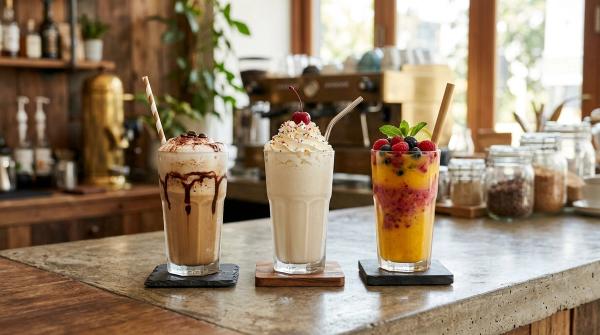
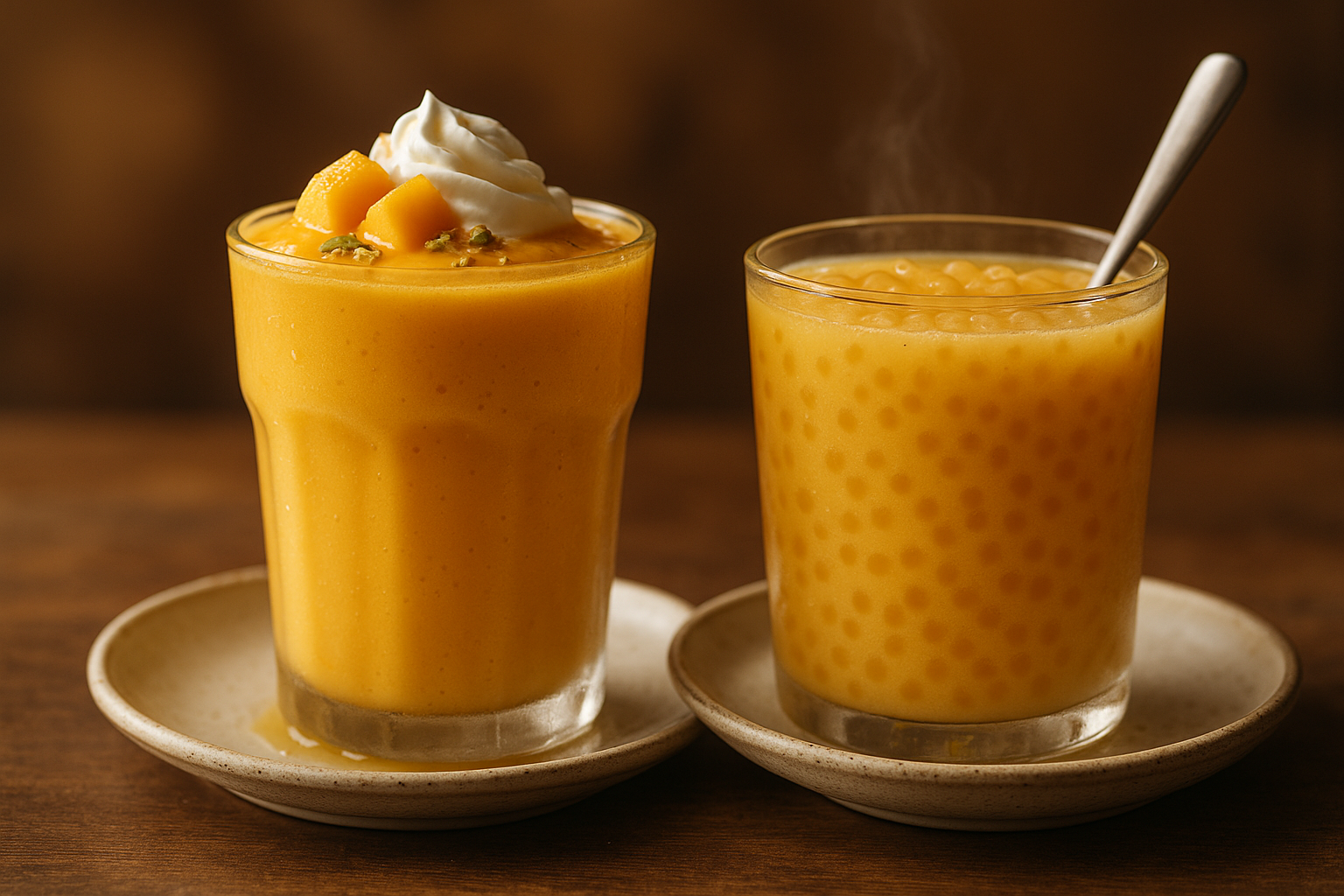
#Mango Mastani is not subtle. It doesn’t want to be subtle. It arrives like it has a PR team. Tall glass, thick mango base, a scoop (or two if the place loves you) of vanilla or mango ice cream, chopped nuts, maybe tutti frutti if they’re going old school, whipped cream in newer versions, saffron strands if they’re feeling fancy. In Pune, people get very serious about where to drink it, and fair enough. A good Mastani should be dense but not stodgy, sweet but not weirdly sugary, cold enough to refresh without numbing the mango flavour. The best ones taste like actual ripe mango first, dairy second, sugar third. Bad ones are just yellow milkshakes with identity issues.
- Best texture: thick enough for a spoon, still loose enough for a straw
- Best mango choice: Alphonso when it’s good, Kesar when the cafe knows what it’s doing
- Most common mistake: too much ice cream and syrup, not enough real fruit
- My opinion nobody asked for: dry fruit overload kinda ruins it
And Mango Sago... this one sneaks up on you
#Mango Sago is gentler, cooler, a little more elegant even when it’s sold in a plastic takeaway cup. It’s usually made with mango puree or cubes, cooked sago pearls, and some creamy liquid element, often coconut milk, regular milk, condensed milk, or evaporated milk depending on the style. A lot of places now fold in pomelo, which I LOVE, because that bitter-citrusy little pop keeps the whole thing from becoming baby food. Sorry, that sounds harsh, but you know what I mean. If Mastani is maximalist and dessert-first, Mango Sago is more about contrast: slippery pearls, lush mango, creaminess, occasional tartness, and a cleaner finish. You can have it after a meal and not feel like you need a nap immediately.
That said, I’ve had some miserable Mango Sago this year. Pearls undercooked in the middle, mango puree from a carton that tasted flat, coconut milk split because somebody rushed it, cups loaded with too much ice so by the time you get halfway it’s basically pale yellow sadness. A good one, though? Chilled just right, pearls translucent and bouncy, mango actually fragrant, sweetness balanced. It’s kind of perfect. I had one recently at a new-style Asian dessert cafe that leaned very clean and ingredient-led, and I kept thinking, wow, this is the anti-Mastani but in a good way.
Why both of these exploded again in 2026
#A few things happened all at once. First, mango itself keeps winning because people want seasonal menu items that feel joyful and recognizable. Second, cafes are chasing nostalgia but also “customization,” which is a corporate word I usually hate, except here it means you can choose dairy, sweetness, toppings, even whether your mango drink goes indulgent or refreshing. Third, short-form video still rewards texture. Sago pearls glistening in a glass, Mastani being topped with a melting scoop of ice cream, thick mango puree ribbons down the side of the cup... obviously that’s going viral. Also, there’s been a noticeable push in 2026 toward premium fruit sourcing and cleaner labels in beverages. More places are bragging about using no artificial mango flavor, less refined sugar, and fresh seasonal pulp. Some of that is marketing fluff, sure, but not all of it.
Another very real trend this year is the hybrid dessert-drink menu. I’ve seen Mango Sago soft serve, Mango Mastani sundaes, sago topped with cold foam, and one honestly ridiculous but strangely nice “Mastani boba float.” Plus, more cafes are doing vegan versions because coconut-based drinks are easy to adapt and because, let’s be real, lactose intolerance didn’t suddenly vanish just because it’s summer. And in Indian metro cities especially, there’s a growing crossover between regional nostalgia drinks and pan-Asian dessert formats. You can feel that in this whole Mango Mastani vs Mango Sago debate. It’s not just old vs new. It’s local comfort vs globally fluent cool.
If Mango Mastani is the friend who says ‘we’re not leaving till we order dessert,’ Mango Sago is the friend who books a breezy cafe, orders something chilled, and somehow always looks put together.
My most memorable Mango Mastani this year, and the Sago that nearly beat it
#So, okay. Earlier this summer I had a Mango Mastani in Pune after a brutally hot afternoon, and I genuinely went quiet after the first sip. That almost never happens because I’m annoyingly chatty around food. It had that proper old-school feel: fresh Alphonso pulp, cold milk, not over-blended, a scoop of vanilla that slowly melted in and made every sip richer, a few chopped pistachios, no nonsense. The mango tasted sunny, almost floral. It reminded me why classics survive trends. Not because they’re “authentic” in some stiff museum sense, but because when they’re made right they just make immediate emotional sense.
But then, a week later, I tried a Mango Pomelo Sago at a newer dessert spot and nearly changed loyalties. It came in a wide chilled bowl-glass, pale gold and glossy, with cubes of mango, just enough pomelo, tiny sago pearls suspended like little moons, and a light coconut cream that wasn’t heavy at all. I thought it might be underwhelming after the Mastani, but nope. It was refreshing in a way Mastani can’t quite be. More hydrating-feeling, less dessert bomb, and weirdly addictive. Me and my friend ended up scraping the bowl with the spoon like two shameless goblins.
If we’re talking ingredients, here’s where the battle is won or lost
#For Mango Mastani, the mango variety matters a lot. Alphonso is the glamour fruit, obviously, but honestly a beautifully ripe Kesar can make a fantastic Mastani too, especially when it has that deeper, slightly honeyed vibe. The milk needs to be cold and not too watery. Ice cream should support the mango, not hijack it. I feel strongly about this!!! If a Mastani tastes mostly of vanilla essence, somebody messed up. Cardamom can be nice in tiny amounts. Saffron can be lovely. Rose syrup? Hmm. Sometimes yes, often no.
For Mango Sago, the non-negotiable is the sago itself. You have to cook and rinse it properly so the pearls stay glossy and separate, not clumped into one tragic blob. Mango puree needs enough body to hold flavour after chilling. Coconut milk gives the nicest aroma, in my opinion, but evaporated milk creates a different creamy nostalgia that some people swear by. Pomelo is optional, but I’d argue it shouldn’t be. A squeeze of citrus or a pinch of salt also helps more than people realize. Tiny things, but they change the whole bowl.
A quick real-life ranking, because I know that’s why some of you are here
#- For pure indulgence and drama: Mango Mastani wins, no contest
- For hot-day refreshment: Mango Sago, easily
- For texture lovers: honestly a tie, depends if you like creamy thickness or chewy pearls
- For Instagram/reels: Mastani if you want maximalism, Sago if you want glossy minimal pretty
- For drinking regularly without collapsing into a sugar coma: Mango Sago... probably
Restaurant chatter, trends, and what I’m noticing in 2026 menus
#This year I’ve noticed more specialty beverage counters and dessert cafes building entire seasonal mango sections rather than just one token item. There’s also a weirdly strong “regional revival” thing happening, where Indian cafes are reclaiming drinks like Mastani, panhe, jigarthanda, and badam milk but plating them with modern dessert-shop aesthetics. At the same time, Asian dessert chains and indie cafes are pushing Mango Sago with premium fruit, alternate milks, and less-sweet profiles because customers are asking for lighter desserts. You can see the market split pretty clearly: one side wants comfort and abundance, the other wants clean flavours and controlled sweetness. Both groups are correct, which is inconvenient for my bank account.
I’m also seeing sustainability talk creep into summer menus, and not in a preachy way. Some places mention working with local growers during peak mango months, using ugly-but-delicious fruit for purees, or reducing waste by turning trim into sauces, jellies, and toppings. Is every cafe doing this? Definitely not. But enough are talking about it in 2026 that it feels like more than a passing gimmick. Frozen fruit tech and better cold-chain handling have also improved consistency, especially for dessert shops trying to keep mango flavour stable across the season. That sounds nerdy, but it matters when your entire menu depends on fruit tasting like fruit.
Can you make these at home without losing your mind? Yeah, mostly
#Mango Mastani is actually easier at home than people think. Blend ripe mango pulp with chilled milk and a little sugar if needed, pour into a cold glass, top with ice cream, done. The trick is restraint. Don’t put every topping in your pantry on top of it just because Pinterest said so. Let the mango breathe a little. I made one last weekend with leftover Alphonso pulp and vanilla bean ice cream, and it was sort of perfect, though I accidentally overdid the milk in the first batch and it turned into plain smoothie territory. Still drank it, obviously. Waste not.
Mango Sago takes a tiny bit more patience because sago pearls can be fussy. You boil them, simmer till mostly translucent, cover-rest if needed, rinse well, then chill. After that it’s easy. Blend mango, stir with coconut milk and maybe a touch of condensed milk, fold in the sago, add mango cubes, chill more, finish with pomelo if you’ve got it. I honestly think home versions can be better than cafe ones because you can control sweetness and use really ripe fruit. Also because you’re not paying silly money for three tablespoons of mango and a mountain of ice.
So... which one is the best viral summer drink of 2026?
#My annoying, very food-writer answer is: it depends what kind of summer mood you’re in. If you want celebration, nostalgia, fullness, joy with zero restraint, then Mango Mastani is the winner. It tastes like saying yes to dessert first. If you want something cooler, more balanced, more spoonable-sippable and maybe a little more modern-feeling, Mango Sago takes it. But if you’re forcing me to crown one single viral drink of 2026, I’m giving the edge to Mango Sago. Barely. And I say that as someone who has deep emotional attachment to Mastani.
Why Sago? Because 2026 food trends are clearly leaning toward refreshment, texture play, customizable sweetness, dairy-free flexibility, and desserts that feel luxe without being too heavy. Mango Sago fits that moment almost perfectly. It travels better, adapts better, and works across cafe styles from fancy to casual. Mastani still rules when you want a treat-treat, like capital T treat, but Sago feels more in sync with how people are eating and drinking now. I hate admitting that because Mastani is more fun. Then again, maybe fun is the point, and maybe I’m contradicting myself. I probably am.
My final mangoy verdict
#Here’s the real truth. This isn’t actually a battle where one must destroy the other. Mango Mastani and Mango Sago are solving different summer problems. One says, “you deserve abundance.” The other says, “cool down, slow down, have another spoon.” I want both in my life, preferably within the same week, and ideally not on the same day unless I plan on lying down after. If you’ve never tried either, start with the one that sounds more like your personality. Loud and creamy? Mastani. Chill and chewy? Sago. If you’ve tried both, I genuinely wanna know where you landed because people get weirdly passionate about this, me included.
Anyway, that’s my very biased, very thirsty take after a summer of chasing mango drinks all over town and making my own in a slightly chaotic kitchen. If you’re hunting for more casual food rambles, restaurant opinions, and those very specific cravings that somehow turn into full essays, go have a scroll on AllBlogs.in. That site’s a bit of a rabbit hole, fair warning.