Rainy Imphal mornings and the smell of fermented fish
#The first thing I remember about eating in Manipur during monsoon is not even a dish. It’s the smell after rain. Wet earth, wood smoke, green leaves, and somewhere in the lane this sharp, funky hit of ngari, the fermented fish that seems to sit quietly inside so many Manipuri kitchens until it suddenly announces itself like, hello, I’m here. I’d reached Imphal on one of those grey mornings where the clouds felt low enough to touch, and my shoes were already damp before breakfast. Classic me, I had packed one nice pair of sneakers thinking I was being practical. Nope. Monsoon in Manipur has its own personality, and it is not interested in your footwear plans.
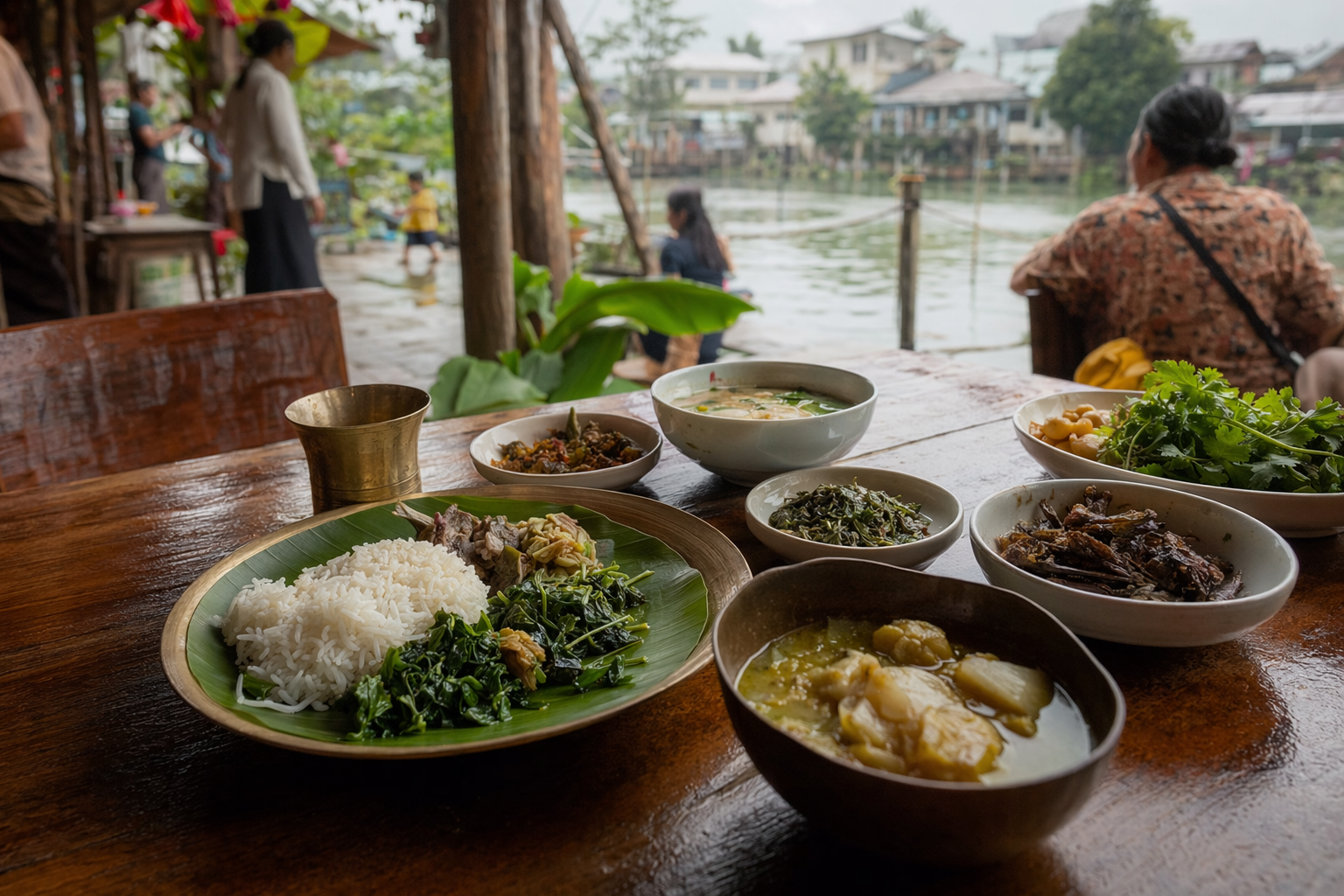
Manipuri food, especially in the rains, felt different from the richer, oilier comfort food I usually chase when travelling. It’s lighter in fat, sharper in flavour, often boiled or steamed, and full of greens that I honestly could not identify half the time. But that’s the charm. You sit down with rice, a bowl of kangshoi or chamthong, something spicy and mashed like eromba, maybe a fish curry if the day has been lucky, and suddenly the rain outside doesn’t feel like an inconvenience. It feels like the whole meal was designed for that exact weather.
Why monsoon changes the way you should eat in Manipur
#If you’re visiting Manipur in the rainy months, roughly the June to September stretch though weather does what weather wants, you need to think slightly differently about food. Not in a scared way. Please don’t come here and eat only packaged biscuits in your hotel room, that would be such a sad thing to do. But yes, roads can get messy, some routes toward Loktak Lake or hill areas may slow down because of rain, markets feel wetter and more crowded, and your stomach might be dealing with a new climate, new water, new ferments, new chillies, all at once.
My basic monsoon rule became simple: eat hot, eat busy, eat what locals are eating, and don’t act like you’re invincible just because you watched three travel reels. I broke that rule once with a cold snack that had been sitting around too long, and I spent the next afternoon being very dramatic near the guesthouse bathroom. Nothing tragic, but yeah, lesson recieved. In Manipur, the safest and most rewarding plates in wet weather were usually steaming bowls, fresh-fried snacks, newly cooked rice meals, and tea so hot it almost hurt.
This is similar to how I felt travelling through other rainy food regions in India. Northeast food especially has this quiet intelligence about wet weather eating, with broths and fermented things and greens that feel medicinal without being boring. If you’re comparing regional monsoon food choices, the Shillong Monsoon Café & Khasi Food Guide has a lot of the same practical mood: go for hot dishes, watch hygiene without being rude, and let locals guide you toward what’s fresh that day.
Ima Keithel: where I finally understood Manipuri ingredients
#You can read menus all day, but for me Manipuri food started making sense only after walking through Ima Keithel in Imphal. It’s widely known as a women-run market, and honestly, even that description doesn’t fully capture the feeling. Rows and rows of women selling greens, smoked fish, chillies, lotus stems, black rice, mushrooms, bamboo shoots, herbs tied into small bunches, little heaps of things that look mysterious until someone kindly explains them. Or doesn’t explain and just laughs because your pronunciation is terrible.
I went there after a night of heavy rain, and the market had that slippery, alive, slightly chaotic energy that only monsoon markets have. Umbrellas bumping, scooters honking, water dripping from tarpaulin edges, vendors sitting calm in the middle of all of it. I bought a small packet of chak-hao, the famous black rice of Manipur, because I had already fallen for chak-hao kheer at a tiny place near my stay. It was purple, nutty, mildly sweet, and not like the usual rice pudding I grew up eating. More earthy. More grown-up somehow.
One vendor showed me fresh yongchak, also called tree beans, though they’re seasonal and not always around. Another pointed at a basket of herbs and said something I didn’t catch, then made an eating gesture with rice. That’s basically the best travel language anyway. Rice plus gesture plus smile. Done.
Market things worth looking for, even if you don’t cook
#- Chak-hao, the black rice, especially if you want to carry something home that doesn’t spill in your bag and ruin your clothes. Ask how to cook it because it takes longer than regular rice.
- Ngari, fermented fish, which you may smell before you see. Don’t judge it raw. In eromba or singju it becomes this deep savoury backbone.
- Soibum, fermented bamboo shoot, which can be strong for first-timers but really lovely in the right dish. I say right dish because I tried one version that was... intense. Not bad. Just bossy.
- Local greens and herbs. Even if you don’t know names, notice how many there are. Manipuri cooking is a masterclass in making greens taste exciting without drowning them in oil.
The monsoon meal I kept going back to: rice, eromba, kangshoi, fish
#If someone asked me what to eat first in Manipur during the rains, I’d probably say don’t order one show-off dish. Order a simple meal. Rice, eromba, kangshoi or chamthong, maybe nga thongba, and something crunchy if available. Manipuri meals make most sense as a set of textures and temperatures. Steamed rice softens the chilli. The broth warms you. The fermented fish adds depth. The greens make you feel like you’ve made a healthy decision, even if you later eat fried bora with tea.
Eromba was my big love. It’s usually made with boiled vegetables mashed with chillies and ngari, sometimes potato, sometimes colocasia, sometimes other vegetables, depending where you eat. The first bite can be a bit shocking if you’re not used to fermented fish and serious chilli. But after that, it becomes addictive in a very dangerous way. I had one eromba on a rainy afternoon that made my eyes water, and I still kept scooping more onto rice like an idiot. A happy idiot.
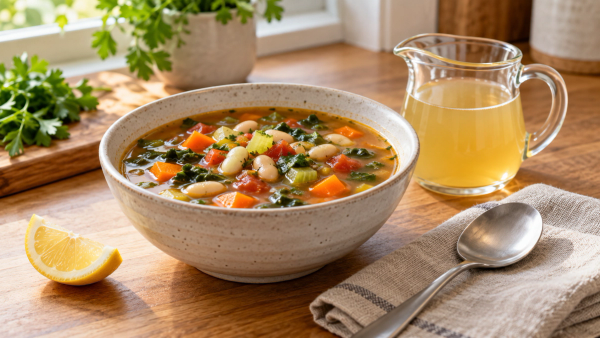
Kangshoi, sometimes called chamthong, felt like the dish my body wanted after too many travel snacks. It’s a light vegetable stew, usually not oily, with seasonal greens and sometimes fish. Not glamorous. Not Instagram dramatic unless you are very talented with bowls and natural light. But when the rain is tapping the roof and your stomach is tired, kangshoi is perfect. It’s the kind of food that whispers instead of shouts.
Nga thongba, a fish curry, is where I became more careful during monsoon. Fish is wonderful in Manipur, no question, but in wet weather I always asked if it was fresh and chose places with turnover. Same thing I do in Kerala with toddy shop fish meals actually. Different cuisine, different coastline and climate, but the same traveller logic applies: hot curry, busy kitchen, clean water, and don’t be shy to ask basic questions. If you like that sort of fish-and-rain eating, this Kerala Toddy Shop Meals in Monsoon: What to Eat makes a funny parallel.
A rainy day route for food people in Imphal
#Here’s what I’d do if I had one proper monsoon food day in Imphal, and honestly I’d repeat this route again. Start slowly. Don’t rush because rain will slow you anyway. Morning tea first, preferably somewhere basic where the kettle is always going. Then head to Ima Keithel before it gets too late. Walk, look, ask, buy black rice or dried herbs if you’re the souvenir type. Please watch where you step because wet market floors can be sneaky. I almost did a full cartoon slip near a basket of vegetables and pretended I meant to stretch. Nobody believed me.
For lunch, find a local eatery serving thali-style Manipuri meals or simple rice plates. I’m avoiding naming random restaurants because small places change hours, cooks, and even locations, and I don’t want to send you somewhere that was great once and closed next month. Around central Imphal, especially near busy market and office areas, you’ll find places serving rice with vegetable stews, chutneys, eromba, fish, and seasonal sides. Look for steam. Look for people actually eating. Look for food moving fast.
Afternoon, if the rain softens, visit Kangla Fort or just wander nearby for a bit of non-food breathing space. I love food travel but if you only eat and nap, Manipur deserves better from you. Later, tea and pakoras or bora. In Manipur I had bora made with lentils and herbs, fried hot, eaten while the rain returned like it had remembered an appointment. That snack with black tea? Very good. Very dangerous because you keep saying one more, one more, and then dinner becomes complicated.
Loktak Lake, wet roads, and the fish meal that tasted like weather
#I took a day trip toward Loktak Lake during a cloudy break, and the drive itself felt like a moodboard of monsoon Manipur: green hills, wet paddy fields, mist hanging low, little shops with steam on their windows, and roads that occasionally reminded you not to be too confident. Loktak is famous for its phumdis, those floating masses of vegetation, and even in grey weather it has this strange, quiet beauty. Not postcard-blue, not shiny tourist brochure beauty. More like a dream you only half remember.
Lunch near the lake was simple fish and rice. I won’t pretend it was some fancy plated travel magazine moment. There was rainwater dripping from a roof corner, plastic chairs, a table that wobbled, and a fish curry that tasted exactly right for the place. Mild at first, then warm, with that earthy fish flavour you only enjoy when you trust the kitchen. I asked if the fish was cooked fresh, the woman nodded like obviously, why would you ask such a silly thing. Fair.
But this is where I’ll be a little bossy: if you’re going out toward Loktak or smaller towns in monsoon, carry water, don’t depend on finding your perfect café fantasy, and eat earlier rather than waiting until you’re starving. Rain can delay the return drive, and not every roadside place will have food that suits a sensitive stomach. Also network can be patchy in places, so don’t plan like you’re in a metro city with delivery apps saving you. You are travelling. Act like it.
Singju, paknam, ooti, and other things I wish I’d eaten sooner
#Singju is one of those dishes that sounds simple if someone calls it a salad, but that word feels too small. It can include shredded vegetables, herbs, cabbage, lotus stem, pea shoots depending on season and place, with roasted gram flour, chilli, and often that fermented fish note. It’s crunchy, spicy, funky, and bright. In monsoon, I was cautious with raw-ish preparations, so I ate it only at a place recommended by a local friend and during a busy hour. Worth it. But if your stomach is nervous, maybe start with cooked dishes first and graduate to singju after a day or two.
Paknam was another favourite: a kind of steamed or sometimes pan-cooked savoury cake, often made with gram flour, herbs, and ngari, wrapped traditionally in leaves. The texture reminded me a little of dhokla’s serious cousin who moved to the hills and got into fermented flavours. That’s a bad description maybe, but you get me. It was soft, savoury, and perfect with rice. I liked it more than I expected.
Ooti, made with peas or lentils and often associated with Manipuri Vaishnav food traditions, was comfort in a bowl. Gentle, filling, not trying too hard. After multiple chilli-heavy meals, ooti felt like someone turning the volume down. I also tried hawaijar, fermented soybean, which I loved in small amounts but I can see how some travellers might need time. Fermentation is not a side character in Manipuri cooking. It’s one of the main storytellers.
A small ordering cheat-sheet, not fancy but useful
#- Ask for rice and one mild broth first if you’re new to the cuisine. Kangshoi or chamthong is a good entry point, especially on rainy days.
- Try eromba with rice, not by itself like some brave tourist challenge. It is meant to sit with the meal, and the rice helps.
- If you’re sensitive to chilli, say it clearly. Don’t just say “little spicy” and smile. Manipuri chilli can humble you fast.
- For fish, choose places where food is cooked fresh and eaten quickly. Monsoon is not the time for lazy buffet confidence.
- Keep black rice dessert for the end of a meal or with tea. Chak-hao kheer is beautiful, and yes, you probably want seconds.
Vegetarian travellers, you’re not stuck with boring food
#I’ve heard people assume Northeast food is only meat and fish, which is just not true and also kind of lazy. Manipur has plenty for vegetarians, though you do need to ask about ngari or fish-based seasoning if you avoid fish completely. Many dishes that look vegetable-based may still use fermented fish for flavour. That’s not deception, it’s just how the cuisine works, so be clear and polite.
Vegetarian-friendly options can include ooti, vegetable kangshoi without fish, singju without ngari if possible, rice, local greens, bamboo shoot preparations, and sweets like chak-hao kheer. In Vaishnav households and certain eateries, you may find meals without onion, garlic, fish, or meat, depending on tradition. I had one such meal that was almost austere at first glance: rice, dal-like ooti, greens, a mild vegetable dish, something tangy on the side. But the flavours built slowly. I remember thinking this is not restaurant drama food, this is daily-life food, and that makes it more special.
One thing though: don’t assume every place understands your version of vegetarian. Say “no fish, no fermented fish, no meat” if that matters to you. And maybe learn a few local food words before going, because pointing and hoping can get funny results. I once nodded at something thinking it was a leafy chutney and it was very much fishy. My fault. Totally my fault.
Monsoon stomach safety without killing the joy
#Food safety talk can get boring and preachy, I know. But nothing ruins a food trip like losing two days to your stomach. In Manipur during the rains, I followed the boring rules and still had a great time. Bottled or properly filtered water. Hot tea over cold drinks with ice unless I trusted the place. Freshly cooked snacks. Fruit I could peel myself. No random chutney sitting open in the rain. It sounds restrictive, but it really wasn’t.
The bigger thing is pacing. Manipuri food has fermented ingredients, chilli, herbs, and textures that may be new to you. Don’t land in Imphal and immediately eat five intense things because you want to “experience everything.” Experience also includes sleeping well and not panic-searching pharmacies. If you’re travelling with kids, older parents, or anyone with a sensitive stomach, the same common-sense monsoon rules matter even more. I liked the practical tone in NRI Kids Trying Indian Street Food in Monsoon: Safety Guide, especially the clean-water and spice-pacing bits, because adults need reminders too, frankly.
My personal rule now: if the food is hot enough to fog my glasses, busy enough that it doesn’t sit around, and local enough that people are actually choosing it for lunch, I’m interested.
Tea shops, rain breaks, and the snacks nobody talks about enough
#Some of my happiest Manipuri food memories were not big meals. They were those in-between stops where the rain got too heavy and I ducked into a tea shop with foggy windows. There would be tea, maybe black, maybe milk tea, sometimes too sweet but I’m not complaining. Then fried things. Bora, pakora-like snacks, little savoury bites, sometimes biscuits from a jar that looked older than my travel plans. These are not the dishes people fly across the country to eat, maybe, but they’re the ones that hold a trip together.
I remember sitting beside two college students who were sharing one umbrella and one plate of snacks, arguing about something on a phone. Outside, a scooter went through a puddle and sprayed water everywhere. The shop owner shouted. Everyone laughed. I had no idea what the joke was, but I laughed too because travel makes you shameless like that. The bora was hot, slightly oily, and exactly what the hour needed.
This is why I always say don’t over-plan every meal. Yes, make a list of dishes. Yes, ask locals. But leave space for weather. In Manipur, the rain decides when you stop, and sometimes that stop becomes your best snack of the day.
A practical 3-day monsoon eating plan for first-timers
#If it’s your first trip and you want a loose food plan, here’s how I’d do it. Day one in Imphal: keep it gentle. Visit Ima Keithel, try a simple rice meal with kangshoi, a mild vegetable side, and maybe a tiny bit of eromba. Have chak-hao kheer if you find it. Day two: go deeper. Try singju from a clean, busy place, paknam, ooti, and fish curry if you eat fish. Add tea shop snacks when the rain traps you, because it will. Day three: if weather allows, head toward Loktak Lake or a nearby village area with a local guide or reliable driver, and eat whatever fresh home-style meal is available, but don’t be stubborn if roads are bad.
For where to stay, I prefer central Imphal in monsoon because getting around is easier, and you’re closer to markets and food options. If you stay far out for views, lovely, but remember rain makes short distances feel longer. Carry cash because smaller food places may not always be smooth with digital payments, especially in patchy network areas. Also carry a light rain jacket, not just an umbrella. You need hands free for food, photos, and grabbing railings when the ground decides to become soap.
And please don’t treat Manipuri food like a checklist. The same dish can taste different in a market eatery, a family home, a lakeside stall, or a more polished restaurant. Eromba is not one fixed thing. Kangshoi changes with greens. Singju changes with season. That’s not inconsistency, that’s life.
What I’m still craving, months later
#I thought I’d come home craving only the dramatic flavours: the chilli, the fermented fish, the black rice dessert. And yes, I do crave those. But weirdly, what I miss most is the balance. Manipuri food in monsoon gave me that rare travel feeling where meals matched the landscape. Green hills, wet markets, steamy broths, smoky fish, sharp herbs, rice at the center of everything. Nothing felt random.
At home I tried making a version of eromba with potatoes and whatever greens I could find. It was decent. Not great. The missing thing wasn’t just ngari, though that was part of it. It was also the rain outside Ima Keithel, the woman who corrected my pronunciation, the lake road, the tea shop laughter, the way rice tasted after walking in damp clothes for three hours. Food is annoying like that. You can bring back ingredients, but you can’t fully bring back the weather.
So if you’re heading to Manipur in the monsoon, go hungry but go gently. Eat hot food. Respect ferments. Ask questions. Don’t pretend you know more than the aunty serving you. Carry water, carry patience, and carry an extra pair of socks because wet socks are a spiritual punishment. And when the rain ruins your plan, let it. Some of the best meals happen in the gap between what you planned and what the place gives you.
I’d go back to Manipur just for one more rainy lunch of rice, kangshoi, eromba, and fish, followed by black rice kheer and too much tea. Actually, no, I’d go back for the market too. And the lake. And the snacks. See, this is how food travel gets you. Anyway, if you like these slightly messy, very hungry travel notes, I keep finding good rabbit holes on AllBlogs.in, so maybe wander there next with a cup of tea.