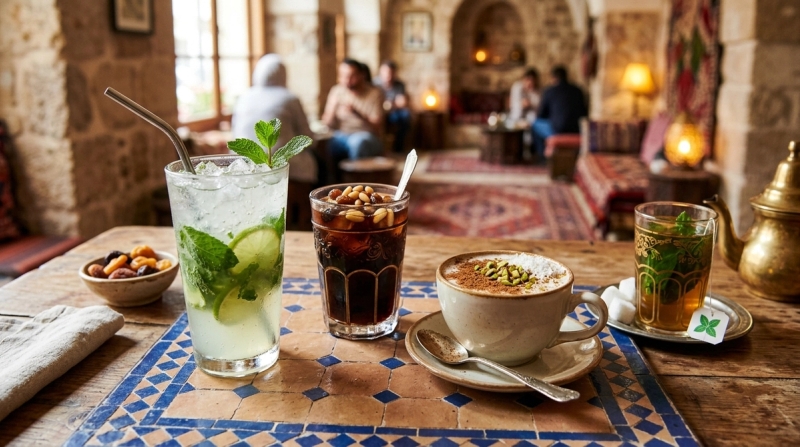
Walk into a Middle Eastern café, and the drinks menu can be just as exciting as the food. You might spot tall glasses packed with fresh mint, dark sweet drinks poured over ice, salty yogurt drinks served cold, tiny glasses of tea, or a warm creamy mug finished with cinnamon, coconut, and nuts.
If you are traveling, skipping alcohol, exploring café culture, or just curious about what locals drink, Middle Eastern drinks without alcohol are absolutely worth trying. These are not boring “soft drink” replacements. Many of them are traditional drinks with real history, built around ingredients like lemon, mint, dates, grape molasses, yogurt, dried apricot, rose water, hibiscus, tea, and spices.
Some are icy and sharp. Some are creamy and filling. Some are perfect with grilled food. Others feel almost like dessert in a glass.
Why Middle Eastern Café Drinks Are Worth Trying
#Many non alcoholic Middle Eastern drinks are not alcohol-free versions of cocktails. They are their own category entirely. They come from the region’s ingredients, climate, hospitality, and everyday café habits.
In hot weather, drinks made with lemon, mint, hibiscus, apricot, dates, and grape molasses feel bold and refreshing. In cooler months, people often lean toward tea or warm milk-based drinks. And at the table, drinks have a purpose. Ayran balances rich food. Mint tea keeps the conversation going. Jallab and qamar al-din give you a sweet break in the day.
The only tricky part is knowing what each drink actually tastes like before you order. So let’s make that easier.
Limonana: Lemon, Mint, Ice, and Instant Refreshment
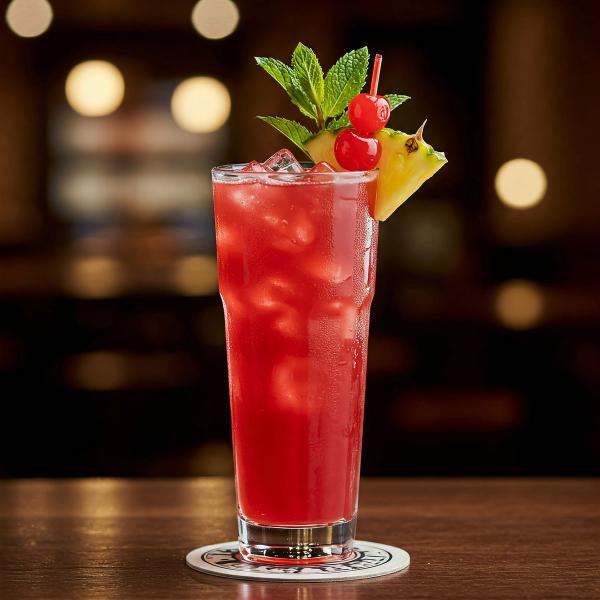
#Limonana is one of the easiest Middle Eastern café drinks to love, especially on a hot day. The name combines lemon and mint, which tells you most of what you need to know.
It is usually made with fresh lemon juice, lots of mint, sugar, and ice. In many cafés, it is blended until slushy, so it feels like a cross between lemonade and a frozen mint drink. The flavor is bright, tart, sweet, and very refreshing.
This is the drink to order when the weather feels heavy, when you have been walking around in the sun, or when you want something cold but not creamy.
A few things to know:
- It is usually sweetened.
- It often comes with a lot of ice.
- Some cafés blend it, while others serve it over ice.
- If you want it less sweet, ask before they make it.
Best for: hot afternoons, café breaks, citrus lovers, mint lovers, and anyone who wants a non-dairy drink.
Jallab: Dark, Sweet, Fruity, and Fragrant
#A jallab drink is cold, rich, and sweet. It is usually made with date syrup and grape molasses, sometimes with rose water or carob added too. It is served over ice, and in some cafés it comes with nuts or raisins floating on top.
The flavor is deeper than lemonade or regular fruit juice. Think dates, dark grape syrup, dried fruit, and maybe a soft floral note if rose water is used. It can feel almost dessert-like, but because it is served cold, it still works as a refreshing drink.
Jallab is a good choice when you want something traditional, sweet, and a little different. If you like dates, molasses, or richer fruit flavors, you will probably enjoy it.
A few things to know:
- It is usually quite sweet.
- The sweetness may be hard to adjust because the syrup base is often already mixed.
- It may be served with pine nuts, raisins, or other garnishes.
- If you have a nut allergy, ask before ordering.
Best for: sweet cravings, warm evenings, date and molasses flavors, and anyone who wants something more interesting than ordinary juice.
Sahlab: The Warm, Creamy Café Comfort Drink
#A sahlab drink is completely different from limonana or jallab. It is warm, creamy, thick, and comforting.
Traditionally, sahlab is a milk-based drink thickened with flour made from wild orchid tubers. These days, many cafés use other starches instead. Either way, the texture is smooth and thick, almost like a drinkable pudding. It is usually served hot and topped with cinnamon, shredded coconut, and crushed nuts such as pistachios, almonds, or walnuts.
Sahlab is not really something you order because you are thirsty. It is more like a warm sweet snack in a cup. If you like rice pudding, custard, or cozy winter drinks, sahlab will probably make sense to you right away.
A few things to know:
- It is usually dairy-based.
- It is often topped with nuts.
- It is normally sweet.
- If you avoid dairy or have nut allergies, ask carefully.
Best for: cold weather, dessert moods, slow café stops, and anyone who wants something warm and filling.
Ayran: Salty, Tangy, Chilled, and Great with Food
#Not every Middle Eastern café drink is sweet. Ayran is a chilled yogurt drink made with salt, and it is one of the best things to order with grilled meat, spicy dishes, or anything rich and heavy.
The taste is tangy, salty, and refreshing. It can be thin and pourable, sometimes with a little foam on top. If you are expecting a sweet yogurt smoothie, ayran may surprise you. It is not sweet at all. It is more like a savory yogurt cooler.
Ayran works so well with food because it cuts through richness and cools your mouth at the same time. With kebabs, shawarma, grilled chicken, or spicy dishes, it just fits.
A few things to know:
- It contains dairy.
- It is salty, not sweet.
- It is served cold.
- If you are lactose-sensitive, it may not be the best option.
Best for: meals, grilled dishes, spicy food, savory drink lovers, and people who do not want something sugary.
Mint Tea: The Classic Social Drink
#Mint tea is one of the most familiar drinks in Middle Eastern café culture. It is often served hot in small glasses and may be very sweet, depending on the place.
Sometimes it is made with fresh mint and black tea. Sometimes green tea is used. Sometimes it is closer to a simple mint infusion. So yes, it may contain caffeine. If that matters to you, ask whether the mint tea is herbal only or made with tea leaves.
The flavor is simple and comforting: warm tea, fresh mint, and sugar. It is a good choice when you are not sure what to order, when you want to sit for a while, or when you want something that feels like part of the café ritual.
A few things to know:
- It is often sweet by default.
- It may contain caffeine.
- It is usually served hot.
- You can often ask for less sugar.
Best for: conversation, after meals, cooler evenings, and anyone who wants a safe first order.
Qamar al-Din: Thick Apricot Sweetness
#Qamar al-din is a sweet apricot drink made from dried apricot sheets or paste that are soaked and blended into a thick orange nectar. It is especially associated with Ramadan, but you may also find it in cafés, restaurants, or homes outside Ramadan.
The taste is fruity, smooth, and concentrated. It is not sharp like lemonade. It is more like a rich apricot nectar. If you like apricots, dried fruit, or thicker fruit drinks, qamar al-din is worth trying.
A few things to know:
- It is naturally sweet from apricot and may also have added sugar.
- It can be fairly thick.
- It is usually served cold.
- If you are watching sugar, treat it like a sweet drink, not a light refreshment.
Best for: apricot lovers, Ramadan tables, fruit nectar fans, and anyone who wants a traditional sweet cooler.
Karkadeh: Hibiscus, Tartness, and Bright Color
#You may also see karkadeh on the menu. It is a hibiscus infusion with a deep red color and a tart, fruity flavor.
Karkadeh can be served hot or cold. Cold karkadeh is especially good in warm weather, while hot karkadeh works nicely when you want something fruity and tea-like without milk.
A few things to know:
- It is often sweetened.
- It is usually caffeine-free if made only from hibiscus.
- It may be served hot or iced.
- If you are traveling, ask about the ice if your stomach is sensitive.
Best for: tart fruit flavors, caffeine-free sipping, warm weather, and people who already like hibiscus drinks.
What to Order by Weather and Mood
#Choosing between these drinks gets much easier when you match the drink to the moment.
When it is very hot
#Order limonana if you want something icy, tart, and minty.
Order cold karkadeh if you want something fruity and sharp, but not creamy.
Order jallab if you want something cold with a deeper, sweeter flavor.
When you want something sweet
#Order jallab for date and grape molasses richness.
Order qamar al-din for thick apricot sweetness.
Order sahlab if you want your sweet drink warm, creamy, and cozy.
When you are eating a rich or spicy meal
#Order ayran. Its salty yogurt tang goes really well with heavy, grilled, or spiced dishes.
If you do not drink dairy, choose something else. Just keep in mind that very sweet drinks may not balance the food in the same way.
When it is cold outside
#Order sahlab for a warm, creamy, dessert-like drink.
Order mint tea if you want something lighter but still warming.
When you want a safe first order
#Order mint tea if you are fine with possible caffeine and sweetness.
Order limonana if you want something familiar, but still local in style.
Order ayran only if you like savory yogurt drinks, because it is not sweet at all.
Dairy, Nut, Sugar, and Ice Cautions
#Middle Eastern café drinks are delicious, but if you have allergies, dietary needs, or a sensitive stomach, it is worth asking a few questions before ordering.
Dairy
#Sahlab and ayran are the main dairy-based drinks here.
Sahlab is usually made with milk. Some modern cafés may offer plant-based versions, but do not assume that unless the menu says so or the staff confirms it.
Ayran is yogurt-based, so it is not suitable if you are avoiding dairy. If you are lactose-sensitive, ask first or choose something else.
Nuts
#Nut caution matters most with sahlab. It is often topped with pistachios, walnuts, or almonds. Even if you ask for no nuts, cross-contact can happen in cafés that use nuts often.
Jallab may also be served with pine nuts or other garnishes. If you have a nut allergy, say that clearly before ordering, not after the drink arrives.
Sugar
#Many of these drinks are sweet by default.
Limonana, jallab, qamar al-din, mint tea, and karkadeh may all contain plenty of sugar. Jallab and qamar al-din are also based on naturally sweet ingredients like date syrup, grape molasses, or apricot paste.
If you want less sugar, ask before ordering. Tea and limonana are usually easier to adjust than syrup-based drinks.
Ice and Water
#Cold drinks like limonana, jallab, cold karkadeh, and sometimes qamar al-din may include ice or added water.
If you are traveling somewhere where tap water might upset visitors’ stomachs, ask whether the ice is made from filtered or safe drinking water. If you are not sure, choose a hot drink like mint tea, or pick a sealed bottled drink if one is available.
It is not about being nervous. It is just sensible travel ordering.
Traveler-Friendly Ordering Tips
#A few small habits can make ordering much easier.
Ask for Less Sugar Early
#If the drink is made fresh, ask for less sugar before they prepare it. A useful Arabic phrase is sukkar khafeef, which means light sugar.
This can work well for mint tea or limonana. It may not help much with jallab or qamar al-din if the base is already mixed.
Mention Allergies Clearly
#If you have a nut allergy, do not just say “no nuts.” Say you have an allergy and ask if nuts are used in the drink or nearby.
This matters most for sahlab and jallab, but it is a smart habit anywhere.
Check Whether Mint Tea Has Caffeine
#Mint tea may be made with black or green tea, not just mint leaves. If you want caffeine-free, ask whether it is herbal only.
Ask About Dairy Before Ordering Creamy Drinks
#Sahlab and ayran are usually dairy-based. If you avoid dairy, ask directly rather than assuming there is a non-dairy version.
Be Careful with Ice if Your Stomach Is Sensitive
#If you are unsure about water safety, ask about filtered ice. If you still feel uncertain, go for hot tea or something that does not depend on ice.
Remember That Alcohol-Free Does Not Always Mean Light
#Many alcohol-free café drinks are still rich, sweet, or filling. Limonana can be sweet, jallab can be very sweet, and sahlab can feel like dessert. So if you want something light, choose carefully.
A Simple Ordering Cheat Sheet
#Use this quick guide when you are standing at the counter:
- Hot day: Limonana, cold karkadeh, jallab
- Cold day: Sahlab, mint tea
- With grilled or spicy food: Ayran
- Want dessert in a cup: Sahlab
- Want deep fruit sweetness: Jallab
- Want apricot flavor: Qamar al-din
- Want something familiar: Mint tea or limonana
- Avoiding dairy: Skip ayran and traditional sahlab
- Nut allergy: Be careful with sahlab and ask about jallab garnishes
- Watching sugar: Ask for light sugar, and be cautious with jallab and qamar al-din
Final Sip
#The best part about exploring Middle Eastern drinks without alcohol is the variety. You are not stuck with one basic soft drink. You can have a salty yogurt drink with lunch, a slushy mint lemonade in the afternoon, a thick apricot cooler, a dark date-based jallab, or a warm cup of sahlab when the evening gets cool.
Start with the weather, then think about your mood. Cold and sharp? Choose limonana. Sweet and deep? Try jallab. Warm and creamy? Sahlab is the one. Eating something rich? Ayran makes sense. Want to sit and talk for a while? Mint tea rarely feels out of place.
And if you are traveling, ask about sugar, dairy, nuts, and ice. A little care makes the whole café experience easier, safer, and much more enjoyable.