Mauritius Food Costs for Indian Travelers: My Veg Meal Budget, Dholl Puri Obsession, and a Few Honest Surprises
#Mauritius looked expensive in my head before I went. You know how island holidays get marketed with those perfect blue lagoons, honeymoon resorts, candle-light dinners, and one lonely coconut costing more than a thali back home? That was my fear. I’m Indian, vegetarian most days, and I travel with that very specific stomach anxiety of “will I get proper food or will I survive on fries and bread?” So this trip became half beach holiday, half veg food investigation. And honestly, Mauritius surprised me in a nice way. Not cheap like some parts of India, obviously, but not scary if you eat smart. The trick is to not eat every meal inside beach resorts. Step out. Walk into markets. Follow office crowds in Port Louis. Buy fruit from a roadside stall. Order dholl puri twice because one is never enough. That’s where Mauritius becomes delicious and actually manageable for Indian travelers.
First, the quick money picture: what veg food actually costs
#Mauritius uses the Mauritian rupee, written as MUR or Rs locally, and food prices swing a lot depending on where you eat. At a street stall or market, a filling veg snack can be around MUR 20 to 80. A simple local meal, like veg noodles, rice, dhal, farata, or curry from a casual place, often lands around MUR 150 to 300. A proper sit-down restaurant in tourist zones like Grand Baie, Flic en Flac, or near resort beaches can easily become MUR 400 to 800 per person for veg food, more if you add drinks and dessert. Resorts are another planet, where a buffet or dinner can be MUR 1,000 plus, sometimes much more. My rough daily veg food budget was MUR 500 to 900 when I mixed street food, supermarket water, and one casual restaurant meal. On resort-heavy days, it went up fast. Like, painfully fast.
My biggest Mauritius food lesson: the same stomach can cost MUR 250 in Port Louis and MUR 1,200 beside a resort pool. Same hunger, very different bill.
Why Indian vegetarians shouldn’t panic in Mauritius
#Mauritius has a strong Indian-origin food culture, so you’ll see familiar words and flavors everywhere: dhal, roti, biryani, achar, samosa, chilli, chutney, alouda, gato piment. But it is not India, and I say that with love. Vegetarian food exists, yes, but “pure veg” in the Indian sense is not always assumed. Fish sauce, chicken stock, shared tawa, egg in noodles, and seafood cooked nearby are common in some places. The good news is that many people understand vegetarian if you explain clearly. I usually said, “vegetarian, no meat, no fish, no egg,” and sometimes added “sans viande, sans poisson, sans oeuf” because French and Mauritian Creole influence is everywhere. In tourist restaurants they understand English mostly, but in small local places, being very clear helps. And no, don’t be shy. Better to ask twice than eat something and regret it while staring at a gorgeous beach with a sad face.
My first veg meal: dholl puri in Port Louis, and I became that annoying fanboy
#My first proper Mauritius meal was in Port Louis near the Central Market, and it was dholl puri. I had heard about it before going, but I thought, okay fine, it’s like dal stuffed roti, how different can it be? Famous last words. The vendor slapped these soft yellow flatbreads, filled them with bean curry, rougaille, chilli, achar, and handed it over wrapped in paper. It cost me around MUR 25 to 35 for one, depending on filling and stall. I ate two standing near the market like I had discovered a secret government file. It’s soft, messy, spicy but not aggressively spicy, and very comforting for Indian tastebuds. If you like dal, roti, chana, and street food chaos, this is your Mauritius starter pack. Also, please don’t wear a white shirt. I made that mistake. Tomato rougaille remembers everything.
Port Louis Central Market: where veg budget travelers should begin
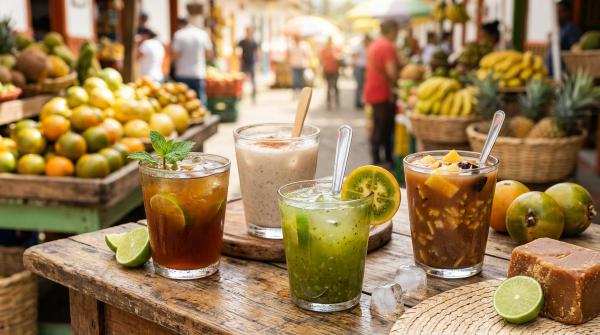
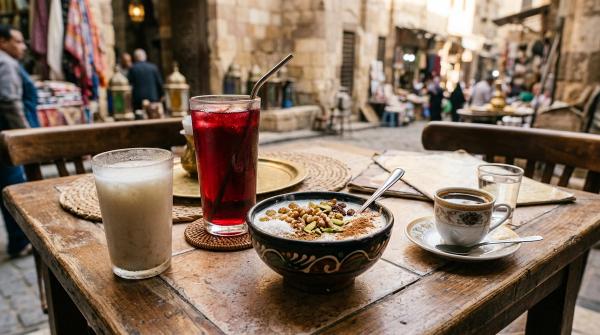
#If you’re trying to understand Mauritius food costs, start at Port Louis Central Market. Not because it’s the cleanest or calmest place, it’s not. It’s busy, touristy in parts, and vendors will call out to you. But it gives you a real price sense. Dholl puri, farata, samosas, gato piment, fresh fruit, juices, alouda, coconut water, all in one walkable zone. I found veg snacks mostly between MUR 15 and 80, with drinks around MUR 50 to 120 depending on what and where. Alouda, that chilled milk drink with basil seeds and jelly, was my reward after walking in the humid afternoon. It reminded me of falooda but lighter, more island-style. Bargaining is normal for souvenirs, not really for cooked food. For fruit, just ask the price before buying. Mangoes, pineapples, lychees in season, and bananas can become your budget breakfast if hotel breakfast is overpriced.
The veg dishes I kept ordering, because why pretend to be fancy
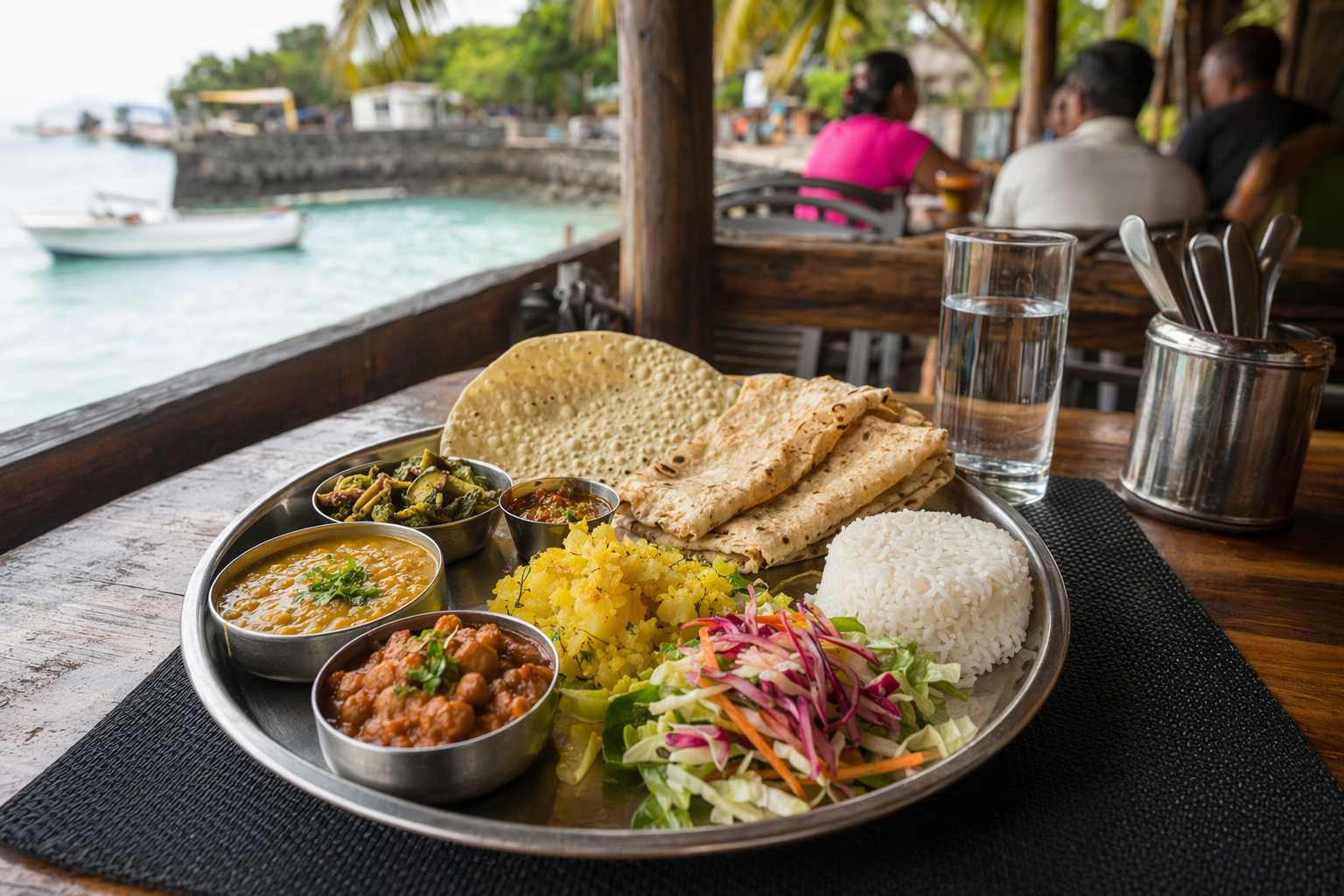
#Some dishes just worked again and again for me. Dholl puri was the obvious champion. Farata with veg curry came second, especially when I wanted something closer to paratha-subzi without paying restaurant rates. Gato piment, basically chilli-lentil fritters, made excellent bus-stop snacking. Veg mine frite, or fried noodles, was tasty but I always asked about egg and sauce. Veg biryani exists in some Indian and Mauritian places, though it can be hit-or-miss, and I found some versions too mild for my Indian masala expectations. Rice with lentils, pumpkin curry, rougaille, and achar is simple but satisfying. In coastal areas, many menus scream seafood first, so vegetarian sections may be smaller, but you can usually get pizza, pasta, curry, fried rice, noodles, or salad. Not always exciting, but edible. Still, the local street stuff beats generic tourist pizza by miles, no debate.
- Budget snack: gato piment, samosa, or small roti, usually MUR 10 to 50 depending on place and size.
- Filling street meal: 2 dholl puri or farata with curry, roughly MUR 50 to 120 if you’re away from fancy tourist strips.
- Casual veg lunch: fried rice, noodles, thali-style curry plate, or biryani, around MUR 150 to 350 in normal eateries.
- Tourist restaurant veg dinner: expect MUR 400 to 800 per person, and more if drinks, starters, or dessert join the party.
Grand Baie: convenient, tasty, but your wallet notices
#Grand Baie is fun. It has beaches, shopping, nightlife, cafes, Indian restaurants, and enough food choices that a vegetarian won’t feel trapped. But prices are higher than Port Louis or inland towns. I paid around MUR 350 to 500 for veg mains at casual restaurants, and Indian restaurant meals could go MUR 600 plus if I ordered naan, paneer, dal, and a drink. Paneer is expensive compared to India, by the way. Don’t expect Delhi pricing. One evening I craved “proper Indian food” and ordered dal tadka, jeera rice, and roti. It was decent, not life-changing, and cost more than three street meals. Still, after a day of swimming, sometimes you want familiar food. No shame. Just don’t do it every meal if you’re budgeting. Grand Baie is best for one nice dinner, not for all three meals unless you’ve planned for it.
Flic en Flac and west coast beach days: pack snacks like an Indian parent would
#Flic en Flac was one of those places where I understood why people fall for Mauritius. Long beach, sunset, water like glass in some parts, and families spreading out under trees. Food is around, but beach-area pricing is uneven. Some stalls and casual shops are reasonable, but sit-down places near tourist spots add up. My best hack was buying supermarket snacks, water, fruit, and maybe bread or yogurt before going. A 1.5 litre water bottle from a supermarket was usually much cheaper than buying small bottles repeatedly at beach kiosks. I kept peanuts, biscuits, bananas, and sometimes a packed veg sandwich. Very glamorous, I know. But it saved money and saved me from random hunger anger. If you’ve read my notes on practical travel eating, this is the same energy as picnic-style planning in the Schengen Day-Trip Picnic Food Guide for Indians, just with better beaches and more sunscreen.
South Mauritius and Mahebourg: cheaper, calmer, and more local-feeling
#Mahebourg felt slower to me, and I mean that as a compliment. The market, the waterfront, the old streets, the way everyone seems to be going somewhere but not in a dramatic hurry. Food costs felt a little kinder here compared to the main tourist strips. I found simple veg bites, fruit, bakery items, and local meals that didn’t make me calculate exchange rates with sadness. If you’re doing Blue Bay or the south-east, try not to depend only on resort meals. Mahebourg market days are especially nice for food wandering, though veg choices depend on what vendors are selling that day. I had farata and curry one morning, followed by pineapple with chilli salt. Was it a balanced breakfast? Probably not. Was it excellent? Absolutely. Travel breakfasts are allowed to be slightly chaotic, same like in India when you stop for dosa before sightseeing. I actually thought of this while reading about Indian Coastal Breakfast in Monsoon Before Sightseeing, because beach mornings and hot food just go together somehow.
Supermarkets saved my budget more than once
#Indian travelers sometimes ignore supermarkets on holiday, but in Mauritius they are gold. Super U, Winners, Intermart, and smaller grocery shops were useful for water, fruits, yogurt, bread, cheese, instant noodles, juice, biscuits, and basic snacks. If your apartment has a kitchen, you can cut food costs a lot. Even without cooking, supermarket breakfast can keep you going: bananas, bread, peanut butter, yogurt, juice, maybe some local bakery stuff. I did this on early sightseeing days when restaurants weren’t open or were too expensive near attractions. Also, drinking water matters. Tap water is treated in Mauritius, but many travelers still prefer bottled water, especially if their stomach is sensitive. I bought bigger bottles whenever possible. It’s the same boring-but-important travel rule I follow everywhere, from Nepal to Cambodia. If you’re comparing veg and water planning across destinations, the Nepal Food Guide for Indian Travelers has a very similar practical mindset.
Hotel breakfast: worth it or not?
#This depends so much on your hotel. Some hotel breakfasts in Mauritius are excellent for vegetarians: fruit, toast, beans, potatoes, cereals, pancakes, pastries, yogurt, maybe Indian items if the hotel caters to Indian tourists. Some are just okay and you end up eating bread, butter, and watermelon while watching other people attack sausages and omelettes. If breakfast is included, great. Use it properly. Eat enough, carry a fruit if that’s allowed, and start your day full. If it costs extra, check the price. I saw hotel breakfast add-ons that felt too high for what a veg traveler would actually eat. In that case, supermarket plus local snack is better. One small warning: ask if pancakes or bakery items contain egg if you avoid it. Many vegetarians from India are fine with eggless only, and Mauritius won’t automatically know your version of vegetarian. “No egg” must be said clearly. I learnt this after almost grabbing what looked like safe cake. Almost.
Pure veg restaurants: possible, but don’t build your whole trip around them
#You can find Indian restaurants and some vegetarian-friendly places, especially around Grand Baie, Port Louis, Quatre Bornes, Rose Hill, and areas with local residential crowds. But pure vegetarian restaurants are not as common as in Indian cities. If you’re Jain, strict no-onion no-garlic, or very concerned about cross contamination, plan harder. Call ahead, message the property, and stay somewhere with kitchen access if possible. I met one Gujarati family who carried theplas, khakra, ready poha packs, and masala sachets, and honestly they were living their best life. At first I laughed, then by day four I was jealous. If you need one guaranteed comfort meal per day, book an apartment or aparthotel instead of only resort rooms. Mauritius is easy to road-trip, so you don’t want food stress deciding your whole route. Keep backup snacks. Indian parents were right all along, annoyingly.
My rough daily veg budgets, from cheap day to splurge day
#On my cheapest enjoyable day, breakfast was fruit, bread, and yogurt from a supermarket, maybe MUR 150 total. Lunch was dholl puri and a drink, around MUR 100 to 150. Evening snack was gato piment and tea, around MUR 80 to 120. Dinner was veg noodles from a simple place, around MUR 220. So the whole day was roughly MUR 550 to 650, excluding transport and random ice cream, because I refuse to be held accountable for holiday ice cream. A comfortable day with one cafe or restaurant meal was more like MUR 800 to 1,100. A resort or fancy dinner day crossed MUR 1,500 easily. For couples, multiply but also share starters and water smartly. For families, supermarket breakfast and packed snacks make a huge difference. Kids don’t care if the beach snack is artisanal. They want chips and juice, bas.
- If you are backpacker-style or budget-focused, plan MUR 500 to 800 per person per day for veg food, if you eat local and keep drinks simple.
- If you want comfort, cafes, Indian meals, and some beach restaurants, MUR 900 to 1,500 per person per day feels more realistic.
- If you are staying in resorts and eating most meals there, budget MUR 2,000 plus per person per day, because resort pricing does not care about your spreadsheet.
Hygiene, spice levels, and the small things that matter
#Mauritius street food felt reasonably safe to me when I chose busy stalls with fast turnover. Same rule as India: go where locals are eating, avoid sad-looking food sitting too long, and be careful with raw chutneys if your stomach is delicate. I ate chilli chutney everywhere because I have no self-control, but maybe don’t copy me on day one. Spice levels are usually manageable for Indians, though Mauritian chilli can sneak up. The food is flavorful but not always “Indian spicy,” so if you like heat, ask for chilli. Carry ORS, basic stomach meds, and hand sanitizer. Also check sauces in noodles and fried rice if you’re strict vegetarian. Oyster sauce or fish sauce may appear in Asian-style dishes. I usually asked, “Only vegetables? No meat, no fish sauce?” and sometimes the server looked at me like I was being dramatic. Fine. I am dramatic when hungry.
Where I’d stay next time for better veg food access
#If food access is a major concern, I’d choose Grand Baie for convenience, though it costs more. You get supermarkets, Indian restaurants, cafes, and tour pickups. Flic en Flac is good if you want beach vibes and still decent food options, but I’d want a rental car or at least a supermarket nearby. Port Louis is great in daytime for food and markets, but I personally wouldn’t base my whole beach holiday there. Quatre Bornes or Rose Hill can be practical and more local, especially if you have work, family visits, or a car, but first-time tourists may prefer the coast. For honeymooners or families staying in remote resorts, please check meal plans. Half-board may be worth it if there are no nearby restaurants, but if the veg options are repetitive, it can become boring. Ask for sample menus before booking. Sounds fussy, but food can make or break a trip.
A little Mauritius veg food route I’d recommend
#Start with Port Louis Central Market for dholl puri, alouda, fruit, and that proper market noise. Then do Grand Baie for one comfortable Indian or vegetarian-friendly dinner, maybe after a catamaran or beach day. Keep a west coast day in Flic en Flac with supermarket snacks, sunset, and a casual dinner. Add Mahebourg or Blue Bay for a slower local-food day, especially if you like markets and sea views without too much polish. If you’re driving through the central plateau, stop in Curepipe or Rose Hill for bakeries, snacks, and local eateries. Mauritius is small, but food feels different depending on where you are. Tourist Mauritius is polished and pricey. Local Mauritius is warmer, cheaper, and more interesting on the plate. You need both, I think. One for the postcard, one for the memory.
Final thoughts: Mauritius is not a cheap-food destination, but veg travelers can eat very well
#So, is Mauritius expensive for Indian vegetarian travelers? Yes and no, which is an annoying answer but true. If you eat in resorts, order paneer every night, and buy drinks at beach cafes, it’s expensive. If you mix local street food, supermarkets, casual restaurants, and the occasional nice dinner, it becomes very doable. I came back craving dholl puri more than any fancy meal, which says everything. Mauritius food is Indian, African, French, Creole, Chinese, and island life all tangled together, sometimes messy and sometimes brilliant. For vegetarians, it needs a little asking, a little planning, and a snack bag that would make your mother proud. But the reward? Eating hot farata after swimming in blue water, sipping alouda in a noisy market, watching sunset with chilli pineapple in hand. That stuff stays with you. If you enjoy practical food-travel stories like this, I’d casually point you toward AllBlogs.in, because I keep finding useful, hungry-person travel ideas there.