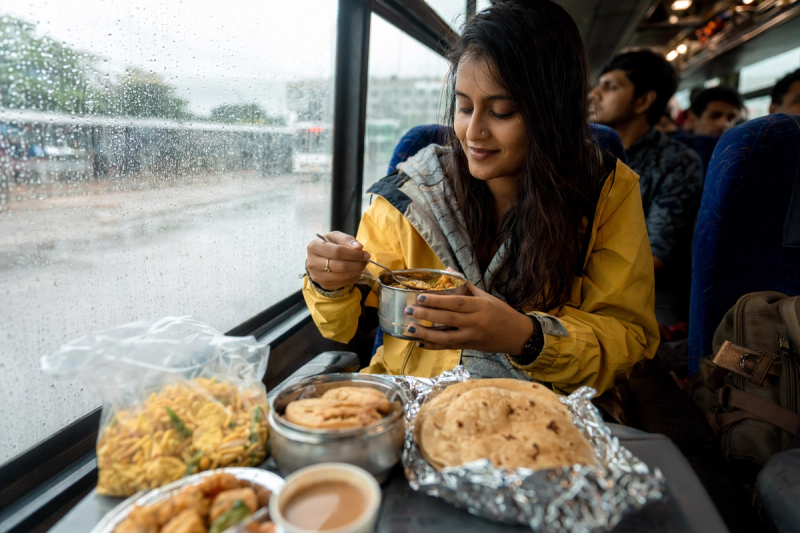
I have a weird love for overnight buses in India. Not the neck pain part, obviously, or the moment when the driver decides 2:17 am is the correct time to play a remix devotional song at full volume. But the whole thing has a romance to it. Rain streaking down the window, wet highways shining under truck lights, someone opening a tiffin of thepla three rows ahead, the smell of diesel mixing with ginger chai at a dhaba stop... it’s chaotic and somehow perfect. Monsoon makes it more dramatic, but also more risky for your stomach. I’ve learnt this the hard way, on a Pune-Goa bus where I trusted a suspiciously room-temperature paneer roll and then spent the next morning in Panjim pretending I was “just tired.” I was not just tired.
So this is not a fancy foodie guide where I tell you to chase Michelin-level meals from a sleeper bus. This is the real stuff: what to pack, what to buy, and what to avoid when you’re crossing Indian states overnight in the rains. In 2026, bus travel has gotten a bit easier with cleaner Volvo and BharatBenz sleepers, UPI everywhere, QR menus at many highway food courts, and apps like redBus and AbhiBus showing rest-stop reviews more clearly than before. But still, monsoon food rules are old-school. Hot is good. Sealed is good. Wet, cut, creamy, and sitting-out-since-evening is basically a dare.
Why Monsoon Bus Food Hits Different, and Why It Can Betray You
#Monsoon travel in India is basically appetite with anxiety. On one hand, the weather makes every snack taste better. Hot vada pav near Lonavala while the hills are covered in mist? Absolute poetry. Peppery rasam rice on the Bengaluru-Madurai route when your hoodie is slightly damp? I could cry. But the same humidity that makes the air smell like wet earth also makes food spoil faster. Chutneys ferment, cut fruit gets watery, fried snacks lose crispness, and dairy becomes a gamble if it hasn’t been chilled properly. Also, buses stop where they stop. You might dream of a clean highway café, but the bus may pull into a petrol pump where the only “meal” is chips, tea, and a samosa that looks like it has seen two governments change.
I don’t say this to scare anyone. Actually, some of my best meals have happened on bus journeys. I once had lemon rice from a lady’s steel tiffin on a Chennai-Bengaluru night bus because she saw me staring at a vending machine like a helpless child. She gave me a small scoop with pickle, and I still remember it better than many restaurant meals. But monsoon needs judgement. And maybe less ego. If something smells off, it is off. If you’re wondering whether the mayo sandwich is safe, the answer is probably no, yaar.
My Basic Monsoon Bus Food Rule: Eat Like a Cautious Local, Not a Hungry Tourist
#The best overnight bus food is not glamorous. It’s practical food with flavour. Indians have been building travel snacks for centuries, honestly. Thepla from Gujarat, podi idli from Tamil Nadu, lemon rice from Karnataka and Andhra homes, sattu paratha from Bihar, dry aloo paratha from north India, khakhra, chikki, roasted chana, banana chips from Kerala, til laddoo, murmura mixes, chakli, mathri... these things exist because travel is messy. They don’t need refrigeration for a few hours, they don’t leak everywhere, and they make you feel human at midnight when your co-passenger is snoring like a tractor.
- If it’s hot and cooked in front of you, I’ll usually consider it.
- If it’s sealed and from a known brand or busy shop, fine.
- If it’s raw, watery, creamy, or smells even slightly funky, I avoid it during monsoon.
- If the place has flies doing a group discussion on the chutney counter, I walk away. Politely, but fast.
What I Pack Before Boarding, Because Past Me Was an Idiot
#I used to be the kind of traveller who boarded overnight buses with one packet of chips and too much confidence. Then came the Jaipur-Delhi rainstorm journey where traffic stopped for hours near Behror and the bus didn’t reach till morning. I had eaten only a roadside cream bun, which, to be honest, tasted like sweet regret. Now I pack like a slightly paranoid auntie, and I’m proud of it. My bag always has one proper meal, two backup snacks, water, ORS, tissues, hand sanitizer, and one small trash bag because buses never have enough place for wrappers. Also, don’t pack food that smells too loud. Fish fry in an AC sleeper bus may be delicious, but everyone will hate you. They may not say it, but they will.
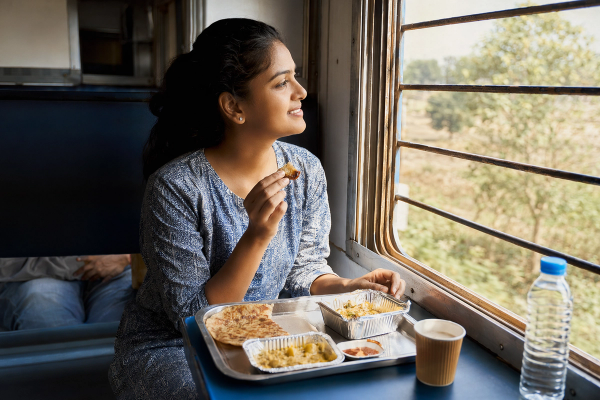
My favourite packed meal is still the humble thepla roll: thepla, dry potato sabzi, a little pickle, wrapped tight in foil. It survives rain delays like a champion. For south Indian routes, podi idli is unbeatable. Toss mini idlis in ghee and gunpowder, skip coconut chutney, and you’ve got a clean, non-messy meal. Lemon rice works too, especially if you keep peanuts separate so they stay crunchy. On Mumbai-Pune-Goa trips, I pack dry poha chivda from Chitale Bandhu or a local farsan shop, plus bananas. On Delhi-Himachal buses, I like ajwain paratha with dry bhindi or aloo jeera, nothing gravy. Gravy is the enemy of night travel. It spills, it smells, it stains, it ruins friendships.
| Pack This | Why It Works in Monsoon | Tiny Warning |
|---|---|---|
| Thepla or dry paratha | Doesn’t spoil quickly, filling, easy to eat | Avoid too much wet pickle |
| Podi idli | Tasty at room temp, no chutney needed | Use clean ghee, don’t overdo oil |
| Lemon rice or tamarind rice | Travel classic, bright flavour, good cold | Pack in a tight box, no watery raita |
| Roasted chana or peanuts | Protein, crunch, cheap | Can make you thirsty |
| Bananas | Clean peel, gentle on stomach | Don’t pack overripe ones |
| ORS sachet | Useful if food or humidity hits you badly | Not a meal, obviously |
| Sealed water bottle | Most important thing, really | Check cap seal before buying |
What to Buy at Highway Stops, If the Bus Gives You 18 Minutes and Panic
#The first rule of bus stops is: don’t waste the first five minutes deciding whether you need to pee or eat. You need both. Move. In 2026, a lot of major highway stops are better than they used to be, especially on routes like Bengaluru-Chennai, Mumbai-Pune, Ahmedabad-Udaipur, Hyderabad-Bengaluru, and Delhi-Jaipur. You’ll see cleaner food courts, QR payment, branded counters, and sometimes even filter coffee machines that don’t taste like sadness. Chains like A2B, Kamat Upachar, Haldiram’s, Bikanervala, Indian Coffee House outlets, and the newer food courts attached to fuel stations can be decent bets, depending on the branch. But branch quality varies. Always look at crowd turnover. Busy is good. Food moving fast means food is not sitting and sulking.
My safest buys are hot tea, black coffee, plain dosa without chutney if it’s made fresh, idli if steaming hot, dal khichdi at clean food courts, packed curd only if properly chilled, biscuits, sealed lassi from a fridge, and roasted corn if it’s being roasted right there. Vada pav in Maharashtra can be amazing in the rain, but I check if the vada is hot. A cold vada with damp pav is heartbreak. In Tamil Nadu, I love a fresh pongal or upma at early morning stops, but again, hot only. In Gujarat, packaged khakhra and fresh fafda from a busy counter is good, but be careful with raw papaya chutney if it’s been sitting open.
Monsoon bus food wisdom in one line: buy steam, not nostalgia.
Regional Bus Routes Where Food Actually Becomes Part of the Journey
#The Mumbai to Goa overnight bus is probably my most emotional route. It starts with the city still sweaty, then the rain gets heavier, and by morning the air smells greener. I usually pack thepla or a chicken cutlet from a trusted bakery if I’m leaving from Bandra or Andheri, then buy only tea on the way. Once in Goa, I save my appetite for poi, xacuti, ros omelette, or fish thali. Don’t waste your stomach on a random soggy roadside sandwich when Kokni Kanteen in Panjim, Ritz Classic, or a small local fish thali place is waiting the next day. That’s my philosophy, slightly dramatic but true.
Bengaluru to Kochi or Bengaluru to Mangaluru is another rainy beauty. The Western Ghats in monsoon are just showing off. Food-wise, I pack curd rice only if I’ll eat it within a few hours and it’s properly cooled before packing, otherwise no. Better is podi idli, banana chips, and a small box of tamarind rice. At stops, Kamat-style meals and hot filter coffee can be lovely, but I avoid coconut chutney late at night unless it’s clearly fresh. Once you reach Kerala, then eat properly: appam and stew, puttu kadala, Malabar biryani, parotta beef fry if that’s your thing, and fresh toddy shop food where legal and reputable. Bus food is survival. Destination food is celebration.
Delhi to Manali during monsoon is tricky because landslides and delays can mess up your plan. I’ve been stuck near Mandi longer than expected, watching rain hit the windshield while everyone shared snacks like we were in a disaster movie but with Kurkure. Pack heavier here: paratha, dry sabzi, nuts, dates, ORS, and water. Buy hot rajma chawal only from a clean, busy dhaba, and avoid cut salad. In the hills, I also avoid overeating before those twisty roads. Nothing ruins mountain romance like motion sickness mixed with chole bhature. Sorry, but someone had to say it.
Foods I Avoid in Monsoon, Even If They Look Tempting
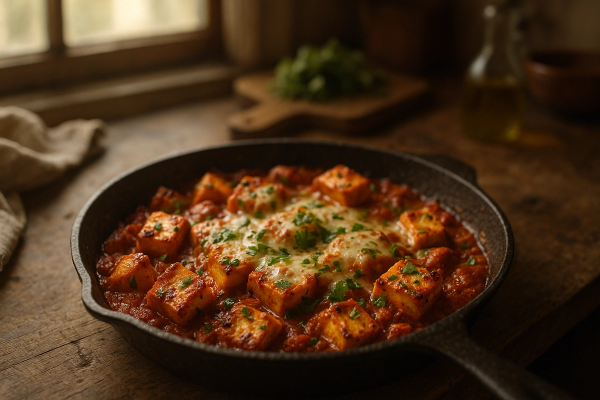
#This is where I become strict. I love street food, I really do. I’ve eaten pani puri in six cities and argued with friends about whether Kolkata puchka beats Mumbai pani puri. But on an overnight bus during monsoon? No. Not worth it. Pani puri water, cut onions, raw chutneys, open dahi, mayo, cream rolls, cold pakoras, pre-filled sandwiches, uncovered fruit chaat, and anything with suspicious paneer are all on my avoid list. Paneer is lovely, but badly stored paneer is basically a villain. Same for egg sandwiches that have been waiting in a glass case since sunset. They look innocent. They are not.
- Avoid pani puri, dahi puri, sev puri, and open chaat during night halts in rain.
- Avoid mayo rolls, creamy sandwiches, and cold cheese toast unless it’s made fresh and served hot.
- Avoid cut watermelon, pineapple, papaya, and cucumber from roadside stalls.
- Avoid seafood before or during a long bus ride unless you personally trust the kitchen. I know, painful.
- Avoid very spicy, oily meals if the route has ghats, bad roads, or long traffic jams.
The 2026 Food-Travel Trends I’m Seeing on Indian Bus Routes
#Food travel has changed a lot recently, and not just in airports. Highway eating is becoming more organized. More bus operators now mention planned rest stops in booking details, and travellers actually read reviews for washrooms and food before choosing a bus, which is very 2026 and honestly overdue. UPI has made small food purchases easier, even at tiny stalls. I’ve paid for tea at 1 am with a QR code taped to a biscuit jar. Also, millet snacks are everywhere now, thanks to the whole millet push of the last few years. You’ll find ragi chips, jowar puffs, bajra khakhra, and “healthy” chivda at food courts. Some are tasty, some taste like cardboard pretending to be wellness. Try, but keep backup snacks.
Another trend: regional packaged foods are getting better. Not just plain chips anymore. I’ve seen vacuum-packed thepla, podi idli mixes, ready-to-eat poha cups, millet upma cups, dehydrated khichdi bowls, and better cold-brew coffee bottles at urban departure points. ONDC and food delivery apps have also changed pre-boarding habits. In cities like Bengaluru, Mumbai, Pune, Hyderabad, and Delhi, people order from trusted restaurants to the bus pickup point before boarding. It’s clever if you time it right, but risky if the bus arrives late and your biryani sits around. I once picked up a neat millet khichdi bowl in Indiranagar before a night bus to Goa, and it was shockingly good. Then again, I also once ordered momos to a pickup point and had to sprint behind the bus with chutney leaking in my hand. Balance, friends.
My Personal Monsoon Bus Meal Formula
#After too many trips, this is my formula. Eat a light, proper dinner before boarding, preferably something simple like dal rice, curd rice if your stomach likes it, idli, khichdi, or roti sabzi. Don’t board hungry, because hunger makes you buy stupid things. Carry one dry meal for delays. Carry one sweet snack for morale, because rain plus traffic can make people gloomy. Carry a salty snack, but not one that makes your mouth feel like the Thar desert. Drink water, but don’t chug too much unless you trust the bus stop schedule. And always keep your food accessible, not buried under your jeans and charger and that one jacket you forgot you packed.
My typical bus bag looks like this: two theplas, one banana, roasted makhana or chana, a small dark chocolate, ORS, a 1-litre sealed water bottle, wet wipes, sanitizer, and maybe a thermos of ginger tea if I’m feeling very organized. If leaving from home, I pack in steel or good reusable boxes. If returning from travel, I buy packaged snacks from a reliable store. I try to reduce plastic, but I’m not going to lie and pretend I’m perfect. Overnight bus travel makes you choose convenience sometimes. Just don’t throw wrappers out the window. Please. Nothing kills the romance of monsoon ghats like seeing chips packets floating in rainwater.
A Few Destination Food Plans Worth Saving Your Appetite For
#One mistake people make is overeating on the bus and then arriving too full or too sick to enjoy the destination. If I’m going to Hyderabad, I’m not wasting my stomach on a random roadside biryani at midnight. I’m waiting for proper Hyderabadi biryani, haleem in season, or a solid Irani chai breakfast. If I’m going to Kolkata or Siliguri, I want kathi rolls, mishti doi, momos in the hills, and proper Bengali meals, not bus-stop noodles floating in red sauce. If I’m reaching Udaipur from Ahmedabad, I want dal baati churma and laal maas at a trusted local place, not questionable paneer butter masala from a highway counter. Food travel is also strategy. You protect your appetite like a budget.
For coastal routes in monsoon, I’m extra careful. Konkan, Kerala, and coastal Karnataka are heaven for food lovers, but humidity is high and seafood spoils fast if mishandled. I wait until I’m at a reputable restaurant or a busy local lunch home. In Mangaluru, give me neer dosa, kori rotti, ghee roast, and filter coffee the next day. In Kochi, I want appam, stew, meen curry, and banana fritters hot from oil. In Goa, I’ll happily plan a whole day around fish thali, bebinca, poi, and kokum soda. The bus is just the bridge to these meals. Don’t let one bad bus-stop prawn fry ruin the whole trip, which sounds obvious until you’re hungry and it smells good.
Little Hygiene Things That Sound Boring but Save Trips
#Wash your hands when you can. Use sanitizer when you can’t. Don’t put your food box on the bus floor. Don’t share spoons with strangers unless you’re comfortable with that, and even then, maybe don’t during monsoon. Check seals on water bottles. If buying packaged food, check expiry dates, especially at tiny stalls where stock may move slowly. Smell food before eating. Your nose is smarter than your optimism. Also, carry basic meds if your doctor says it’s okay: motion sickness tablet, acidity tablet, ORS, and whatever suits you. I’m not giving medical advice, just telling you what has saved me from becoming a tragic side character in my own travel story.
And please don’t underestimate sleep. Eating heavy and then curling into a sleeper berth on bumpy roads is not always fun. I prefer sitting upright for a while after eating, sipping water slowly, and not attacking spicy namkeen at 3 am just because I’m bored. Boredom hunger is real on buses. So is window nostalgia hunger, when rain makes you emotional and suddenly you want samosa. Have the samosa if it’s fresh and hot. Don’t have three. I say this as someone who has had three and then blamed the road.
Final Thoughts From a Person Who Still Loves Rainy Bus Rides
#Overnight bus food in India during monsoon is a beautiful little balancing act. Pack smart, buy hot, avoid risky cold stuff, and save your real appetite for the destination. That’s it, basically. The rain makes everything feel more alive: the chai stronger, the pakora more tempting, the highway lights softer, the conversations with strangers a bit warmer. But your stomach has to come along for the journey too, and it deserves respect. I still love those 2 am halts where everyone steps out half-asleep, hair messy, clutching tea in paper cups while trucks roar past. It’s not luxury travel, but it’s India in one of its most honest moods.
If you’re planning a monsoon bus trip this year, make a small food plan before you make an outfit plan. Your future self will thank you somewhere between a rain delay and a foggy sunrise. And if you do find a surprisingly great highway dosa, a perfect vada pav, or a bus-friendly snack I need to know about, tell me. I collect these things like other people collect fridge magnets. For more food trails, travel stories, and slightly hungry wandering, have a look around AllBlogs.in.