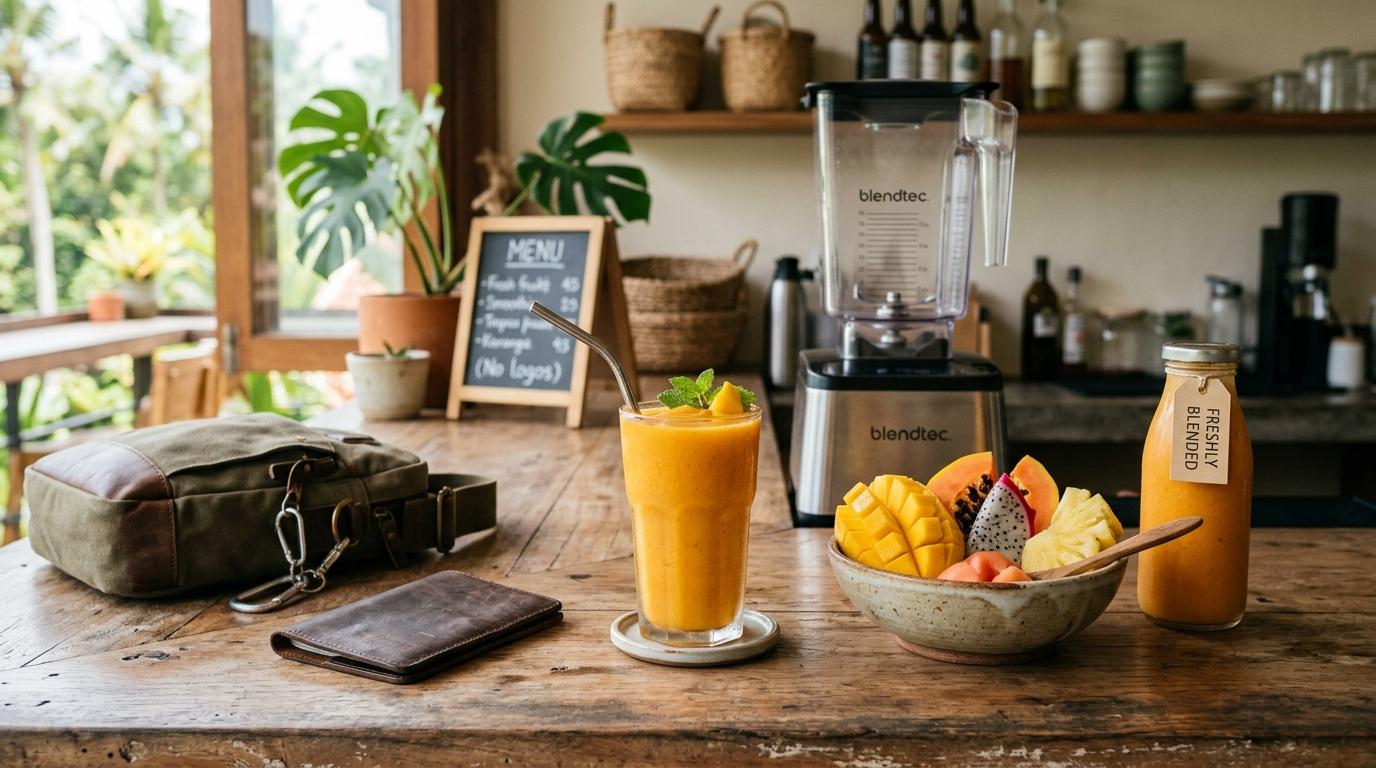
A smoothie can feel like the perfect travel snack.
You’re hot. You’re tired. You’ve been walking all morning, or sitting in transit for hours, and the last thing you want is another heavy meal. Then you see it: cold fruit, a blender, maybe a little mango or banana, maybe something green enough to make you feel like you’re making a responsible choice.
And honestly? Sometimes a smoothie is exactly what you need.
But smoothies while traveling deserve a little more thought than they do at home. They’re usually raw, often made with ice, and blended in equipment that’s used over and over again. If the water, ice, fruit, dairy, or blender isn’t handled well, that “healthy” drink can quickly become the thing that ruins your afternoon — or your flight, or the next two days of your trip.
This doesn’t mean you need to be afraid of every smoothie stand you pass. It just means you should know what to look for.
Here’s how to decide whether to buy a fresh smoothie, skip it, or choose a sealed bottled one instead.
Quick Answer
#Fresh smoothies while traveling are usually a good choice when they’re made to order with clean equipment, cold ingredients, safe ice, and fruit that looks fresh and properly stored.
Skip fresh smoothies if you can’t tell where the water or ice came from, the blender is being rinsed in dirty water, cut fruit is sitting out warm, dairy is left on the counter, or the whole place just looks a little questionable.
Choose bottled smoothies for travel when you have a sensitive stomach, you’re about to board a long flight, you’re on a road trip with limited bathroom stops, or you simply can’t judge how clean the fresh smoothie setup is.
A good rule of thumb: if you wouldn’t drink the local tap water, be careful with ice, rinsed fruit, raw greens, and blenders washed with that same water.
Why Smoothies Need a Little Extra Caution
#The main thing to remember is simple: smoothies aren’t cooked.
With cooked food, heat can help kill a lot of germs. Smoothies don’t get that step. Everything that goes into the blender goes straight into your cup.
That means problems can come from all sorts of small things, including:
- Ice made from unsafe water
- Fruit washed in contaminated water
- Cut fruit sitting out too long
- Milk or yogurt kept too warm
- Leafy greens that weren’t washed safely
- A blender jar rinsed in dirty or stagnant water
- Cups or straws handled with unclean hands
- Knives and cutting boards used on unwashed produce
Plenty of cafés, hotels, airport counters, and smoothie shops handle all of this well. But when you’re traveling, especially somewhere your stomach isn’t used to the local water or bacteria, the little details matter more.
The 10-Second Smoothie Check
#Before you order, pause for a moment and look around. You can usually tell a lot very quickly.
Does the place look clean? Are ingredients covered? Is fruit kept cold? Is the blender actually being washed, or just swished around? Is the ice protected? Are staff handling money and food with the same hands?
You don’t need to inspect the place like a health department official. Just trust what you see.
If your first thought is, “Hmm, not sure about this,” that’s useful information.
Check the Ice First
#Ice is one of the biggest smoothie risks when you travel.
Freezing doesn’t magically make unsafe water safe. If the ice was made from tap water you wouldn’t drink, it can still cause stomach trouble.
Better signs include:
- Ice from a sealed bag or clean commercial machine
- Ice stored in a covered bin
- Ice handled with a scoop, not bare hands
- Staff can clearly say the ice is made from purified or bottled water
Be more cautious if:
- Ice is sitting in an open bucket
- Someone grabs ice by hand
- The scoop is lying on a dirty counter
- No one knows where the ice came from
- You’re somewhere tap water isn’t safe for visitors and the ice source is unclear
If you’re unsure, ask for no ice. If the smoothie really needs ice to be good, it may be better to order something else.
Watch the Blender
#The blender matters because everyone’s drink passes through the same jar.
A clean smoothie shop should be washing or sanitizing blender jars properly between drinks. In a busy café or airport counter, you might see staff using hot water, soap, or a commercial rinse system.
I’d be more hesitant if the blender is:
- Quickly rinsed in cloudy water
- Dunked repeatedly into the same bucket
- Covered with old smoothie residue
- Wiped with a dirty cloth
- Sticky around the lid, base, or blade area
- Used for dairy, fruit, greens, and protein powders without much cleaning between orders
Don’t forget the lid. Smoothie lids can collect old bits around the edges and rubber seals. If the whole station looks sticky, sour, or neglected, skip it.
Look at the Fruit
#Fresh fruit is the whole appeal of a smoothie — but cut fruit can be risky if it’s been sitting around too long.
Good signs:
- Fruit is kept in a refrigerator or on clean ice
- Containers are covered
- Fruit looks bright and fresh
- There are no flies around it
- Staff use clean utensils or gloves
- Whole fruit is peeled or cut in front of you
Bad signs:
- Cut fruit is sitting uncovered in the sun
- Fruit looks mushy, slimy, dried out, or brown
- There’s old juice pooling at the bottom of the container
- Flies or dust are getting to it
- It smells sour or fermented
- It’s warm when it should be chilled
Whole fruit peeled right before blending is usually more reassuring than big trays of pre-cut fruit that may have been sitting there for hours.
Be Careful With Dairy
#Milk, yogurt, cream, and some plant-based milks need to stay cold once opened. A dairy smoothie can be great, but only if the shop is handling dairy properly.
A safer setup looks like:
- Milk or yogurt comes straight from a working fridge
- Containers are closed between uses
- The fridge looks cold and reliable
- The drink is made and served right away
Skip dairy smoothies if:
- Milk cartons are sitting on the counter
- Yogurt is in an open bowl at room temperature
- The shop is hot and the fridge looks questionable
- The smoothie was pre-made and left out
- Anything smells sour or off
If the dairy situation doesn’t look good but everything else does, a fruit-only smoothie may be a better choice. Just remember that fruit-only still depends on safe water, safe ice, clean equipment, and good handling.
Think Twice About Green Smoothies
#Green smoothies can be a little trickier on the road.
Leafy greens like spinach, kale, mint, parsley, and herbs can be hard to wash thoroughly. If they were rinsed in unsafe water, blending them raw won’t remove the risk.
If you’re in a destination where you’re avoiding tap water, be cautious with raw greens in smoothies. Peeled fruits like banana, mango, papaya, pineapple, orange, or melon are often a more comfortable choice, especially when prepared cleanly.
Don’t Ignore Cups, Straws, and Hands
#Even if the smoothie itself looks fine, the final serving step still matters.
Look for:
- Cups stored upside down or covered
- Staff touching only the outside of the cup
- Wrapped or protected straws
- Separate handling for money and food
- Handwashing or glove changes when needed
Be cautious if:
- Cups are sitting open on a dusty counter
- Staff touch the rim repeatedly
- Someone handles cash and then grabs fruit without washing hands
- Reusable cups are rinsed in questionable water
- Straws are loose and exposed
These things seem small, but you’re drinking directly from that cup or straw. They count.
When a Fresh Smoothie Is a Good Travel Choice
#Fresh smoothies can be a great option when the place looks clean, organized, and busy in a good way.
They make more sense when:
- The smoothie is made fresh to order
- Ingredients are cold and covered
- Fruit is peeled or cut safely
- Ice is made from safe water
- Blender jars are properly washed
- Dairy is refrigerated
- Cups and straws are handled cleanly
- You’re not about to be trapped in transit for hours
- Your stomach feels normal
A fresh smoothie is usually better for a relaxed day — walking around the city, hanging near your hotel, sitting by the beach, or taking a slow afternoon break.
It’s less ideal right before a long flight, ferry, bus ride, or car trip.
Airport Smoothies: Convenient, But Time It Right
#Airport smoothies can be a decent choice. Many airport smoothie counters have proper refrigeration, steady turnover, and more formal hygiene systems than casual street stalls.
Still, airport smoothie safety isn’t only about cleanliness. Timing matters too.
A big smoothie right before a flight can leave some people feeling bloated, gassy, or uncomfortable. Smoothies often contain raw fruit, fiber, dairy, ice, protein powder, and extra air from blending. That combination can feel very different once you’re buckled into a seat for several hours.
A practical approach:
- Drink a fresh airport smoothie well before boarding
- Keep the size moderate
- Go easy on dairy if your stomach is sensitive
- Skip heavy add-ins if you’re about to fly
- Choose bottled if boarding is soon and you want something more predictable
Also remember that airport liquid rules may restrict what you can bring through security. If you want a bottled smoothie for the plane, you’ll usually need to buy it after security.
Hotel Breakfast Smoothies: Nice Perk or Buffet Gamble?
#A hotel breakfast smoothie can be lovely, especially if it’s blended fresh right in front of you.
It feels more reassuring when:
- Staff make it to order
- Fruit is kept cold and covered
- Dairy comes from refrigeration
- The blender station looks clean
- The drink is served immediately
Be more cautious with big pitchers of pre-made smoothies on a buffet. They may have been sitting there longer than you think, especially if they aren’t kept properly chilled. Smoothies can warm up, separate, and become less appealing from both a taste and safety standpoint.
If you’re unsure, go for something simpler: whole fruit you can peel, hot tea, coffee, sealed yogurt, toast, or eggs cooked fresh.
Markets, Beaches, and Street Stalls
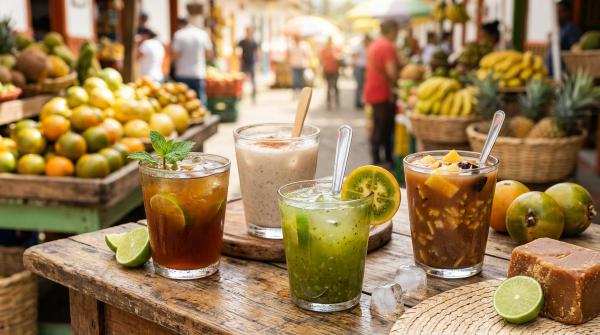
#This is where smoothies often look the most tempting.
You’re hot, the fruit is colorful, the blender is right there, and everyone else seems to be ordering one. It feels like part of the experience.
Sometimes it is. But this is also where you need to be the pickiest.
At markets, beaches, and street stalls, the biggest concerns are usually:
- Water source
- Ice source
- Blender cleaning
- Heat
- Cut fruit storage
- Hand hygiene
A stall without reliable running water may have a hard time cleaning equipment between customers. A beach vendor working in direct sun may struggle to keep fruit and dairy cold.
Better signs include:
- Whole fruit peeled in front of you
- No ice, unless the ice source is clearly safe
- Clean knives and cutting boards
- Covered fruit
- A clean blender and rinse setup
- High turnover
- No old ingredients sitting around
- Food and money handled separately
Skip it if:
- The blender is rinsed in a dirty bucket
- Cut fruit is warm, uncovered, or attracting flies
- Ice comes from an unknown source
- Milk or yogurt is sitting out
- The stall smells sour
- Everything looks sticky or neglected
- You have a long ride, tour, or flight coming up
When in doubt, buy whole fruit you can peel yourself. It may not be as fun as a beach smoothie, but it’s often the smarter choice.
Road Trips and Long Travel Days
#Smoothies can be useful on road trips, but fresh ones aren’t always the most practical option.
A fresh smoothie should be drunk soon after it’s made. It’s not something you want sitting in a warm car cup holder for hours, especially if it contains dairy. Heat affects both safety and taste.
For road trips, sealed bottled smoothies or other packaged drinks are often easier. If the label says the drink needs refrigeration, keep it cold. A cooler helps, but don’t treat perishable drinks like they can sit around all day.
Also think about comfort. A huge smoothie with dairy, fiber, or protein powder may not be ideal if the next bathroom stop is two hours away.
When Bottled Smoothies Are the Better Choice
#Sometimes bottled is just the calmer, smarter option.
Bottled smoothies for travel make sense when:
- You can’t judge the hygiene of a fresh smoothie stand
- You’re about to fly, drive, or take a long bus ride
- You have a sensitive stomach
- You’re recovering from stomach upset
- You’re traveling with kids, older adults, or someone more vulnerable
- Bathroom access will be limited
- You want something sealed and predictable
- You want to avoid local ice and shared blenders
A sealed bottled smoothie avoids several common travel issues. There’s no ice added at the counter, no shared blender, no exposed cut fruit, and less last-minute handling.
Still, check the bottle. Choose one that is sealed, within its date, and cold if it needs refrigeration. Avoid bottles that are swollen, leaking, warm when they should be chilled, or have broken seals.
Also look at the label. Some bottled smoothies are pasteurized and shelf-stable until opened. Others are fresh, refrigerated products that need more careful handling.
Other Easy Travel Drink Options
#If you can’t find a bottled smoothie, there are plenty of simple alternatives.
Good travel-friendly options include:
- Sealed bottled water
- Sealed coconut water from a reliable brand
- Pasteurized bottled juice
- Shelf-stable juice boxes or cartons
- Drinkable yogurt kept refrigerated
- Sealed milk or plant-based milk
- Sparkling water
- Hot tea
- Coffee
- Whole fruit you can peel yourself
If your stomach is already upset, keep things even simpler. Water, oral rehydration solution if appropriate, bananas, crackers, toast, rice, or other mild foods may be more helpful than a rich smoothie.
Be Extra Careful If Your Stomach Is Already Sensitive
#Travel can make digestion weird.
Even if you normally have a strong stomach, things like unfamiliar food, different water, long flights, dehydration, poor sleep, alcohol, spicy meals, stress, and schedule changes can all make you more sensitive.
Be especially cautious with fresh smoothies if:
- You recently had diarrhea or vomiting
- Your stomach already feels off
- You’re somewhere tap water isn’t recommended for visitors
- You’re pregnant
- You’re immunocompromised
- You’re traveling with young children or older adults
- You’re about to take a long flight, ferry, bus, or drive
- You won’t have easy bathroom access
- The smoothie contains dairy, raw greens, or unknown ice
If something feels off, skip it. You’re not failing at travel, and you’re not missing your only chance to eat something healthy. You’re protecting the rest of your trip.
Simple Buy, Skip, or Bottle Guide
#Buy Fresh
#Go ahead with a fresh smoothie when:
- The shop looks clean and organized
- Ingredients are cold and covered
- Fruit looks fresh
- Whole fruit is peeled or cut safely
- The blender is cleaned properly
- Ice is made from safe water
- Dairy is refrigerated
- Staff handle cups, straws, and money carefully
- You’re not rushing into long transit
- Your stomach feels fine
Skip Fresh
#Skip the fresh smoothie when:
- You don’t trust the water or ice
- The blender is rinsed in dirty water
- Cut fruit is warm, exposed, or attracting flies
- Dairy is sitting out
- The station looks sticky or smells sour
- Staff handle money and ingredients without washing hands
- Cups or straws look unhygienic
- You already feel unwell
- You have a long flight, drive, ferry, or tour coming up
Choose Bottled
#Choose a bottled smoothie when:
- You want something safer for the airport or road
- You need a portable snack
- You’re unsure about the fresh smoothie setup
- You have a sensitive stomach
- You’re traveling with someone more vulnerable
- Bathroom access will be limited
- You want to avoid local ice, raw prep, and shared blenders
Final Takeaway
#Smoothies while traveling can be refreshing, filling, and genuinely useful. The trick is not to judge them by how colorful or healthy they look. Judge them by how they’re made.
Safe ice, clean water, cold ingredients, good blender hygiene, careful dairy handling, and protected fruit are the details that matter.
If everything looks good, enjoy your smoothie. If not, grab a sealed bottled drink or choose something simpler.
Your stomach — and your itinerary — will thank you.