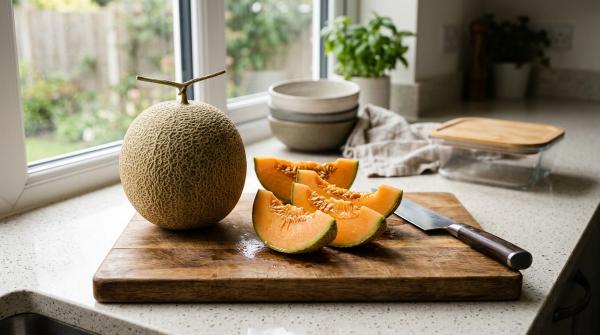
I first heard people around me call it sakar teti, and I kinda assumed it was some super niche fruit I’d never actually find. Turns out, not really. In many parts of India, sakar teti is basically musk melon, or a sweet variety of melon people eat like crazy in hot weather. And honestly... I get why. It’s juicy, light, sweet without being too heavy, and when summer gets brutal, it just hits different. I started eating it more often after a weird phase where I was constantly tired, mildly dehydrated, and basically surviving on chai and bad decisions. Not ideal.
Quick thing before we get into the wellness stuff: sakar teti isn’t some magic cure-all, and I’m not your doctor. But nutritionally, it’s actually pretty solid. It gives you water, some fiber, vitamin C, vitamin A from beta-carotene in orange-fleshed types, potassium, and natural carbs that can be easier on the stomach than a lot of heavy snacks. In 2026, with everybody obsessed with hydration, gut health, blood sugar balance, and “whole-food wellness”, this fruit weirdly fits right in without trying too hard.
What exactly is sakar teti, though?
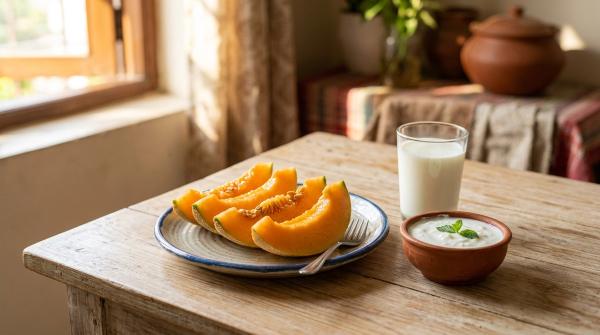
#Names can get confusing, and this is where people argue a bit. In a lot of everyday usage, sakar teti refers to a sweet melon, usually in the muskmelon/cantaloupe family. Depending on region, the exact variety may look a little different. Some are deeply netted outside, some more smooth-ish, some intensely fragrant. But nutritionally they’re in the same general lane: high water content, low-ish calories for the volume, and loaded with that refreshing summer-fruit vibe. You know the one.
I remember buying one from a roadside fruit seller who thumped it like it was a drum and told me, with total confidence, “Madam, this one is full meetha.” He was right, for once. Since then I’ve been mildly obsessed. Not in an influencer way. More in a normal person way where I keep cutting one up and putting it in the fridge because I know Future Me will be grateful.
Why people are suddenly talking about melon again in 2026
#Well, not suddenly exactly, but there are some current wellness trends making old-school fruits feel new again. The 2026 health scene is full of talk about hydration foods, fiber-first eating, “food as recovery”, and natural electrolyte support. People are burnt out on expensive powders and fake neon drinks, tbh. There’s more interest now in getting fluids and micronutrients from actual foods like watermelon, coconut water, cucumber, citrus, and yep, sakar teti.
- Hydration-focused eating is huge right now, especially in hotter climates and for people doing workouts, walking pads, hot yoga, and all that
- There’s also more awareness that fruit isn’t the enemy, despite old weird diet culture ideas
- Gut-friendly eating in 2026 tends to include simple whole foods with water + fiber, not just probiotic marketing
- Sports nutrition people are talking more about recovery meals that include potassium-rich plant foods, not only supplements
Also, with heat waves becoming more common in a lot of regions, foods that help you stay hydrated are getting way more attention from dietitians and public health folks. That doesn’t mean melon replaces water, obviously. But it can support your fluid intake, and for some people that makes a real difference.
Sakar teti nutrition, in plain English
#Let’s keep this simple and not too textbook-y. Sakar teti is mostly water, which is one reason it feels so cooling. It’s relatively low in calories compared with processed sweets, but it still tastes dessert-y. That’s probably why I reach for it when I want something sweet but don’t want to feel gross after. A typical serving gives you vitamin C, some folate, potassium, and depending on the flesh color, a nice amount of beta-carotene, which your body can convert into vitamin A.
| Nutrient/feature | What it does | Why people like it |
|---|---|---|
| Water content | Supports hydration | Helpful in hot weather and after sweating |
| Vitamin C | Supports immune function and collagen formation | Good everyday antioxidant support |
| Beta-carotene/Vitamin A potential | Supports eye health, skin, and immune function | Especially relevant in orange-fleshed melons |
| Potassium | Helps with fluid balance and nerve/muscle function | Useful if your diet is heavy on salty foods |
| Fiber | Supports digestion and fullness | Gentler snack option for many people |
| Natural sugars + carbs | Provides quick energy | Nice before or after light activity |
If you want the big picture, it’s not a protein food and it’s not a fat source, so no, it’s not “balanced” all by itself. But paired with yogurt, nuts, seeds, cottage cheese, or even a simple lunch, it works really well. I think some people expect one fruit to do every single thing. That’s not how food works, yaar.
The actual benefits of sakar teti that matter most
#1. It helps with hydration more than people think
#This is the biggest one for me. When I’m even a little dehydrated, I get headaches, low energy, and that cranky fog where everything feels harder than it should. Eating sakar teti doesn’t replace drinking water, but because it’s so water-rich, it kind of nudges me back in the right direction. In the summer, especially after walking outside or doing a home workout, chilled melon feels easier to eat than a heavy snack.
2. It’s good for skin, at least indirectly
#I’m always careful with skin claims because social media makes every fruit sound like botox in a bowl, which... no. But hydration matters for skin. Vitamin C matters for collagen production. Orange melons also bring carotenoids, which are tied to skin and immune health. So while sakar teti won’t erase your stress acne, it can absolutely be part of a nutrient-rich eating pattern that supports healthier skin overall.
3. It may support digestion in a gentle way
#This one depends on your body, obviously. For me, ripe melon sits lighter than a lot of packaged snacks. It gives some fiber and water, which can help keep things moving. In 2026, a lot of gastro-focused wellness advice has come back to basics: enough water, enough fiber, less ultra-processed stuff, more routine. Melon fits into that pretty nicely. If you have IBS or a very sensitive gut though, portion size matters. Too much at once can backfire. Been there, not fun.
4. It’s a smart sweet snack if you’re trying to eat more whole foods
#I don’t love the phrase “guilt-free”, because food guilt is messy and exhausting. But if you’re trying to cut down on highly processed desserts or random sugary snacking, sakar teti can help. It tastes naturally sweet, has volume, and usually leaves you feeling refreshed instead of sluggish. That said, if you eat it and then get hungry 20 minutes later, that’s normal too. Try adding protein or fat with it so it lasts longer.
5. It can support heart-friendly eating patterns
#Not in a dramatic miracle way, let me be clear. But diets that include more fruits, more potassium-rich foods, and fewer ultra-processed snacks are generally linked with better cardiometabolic health. Potassium helps balance sodium in the body, and most of us don’t exactly struggle to get enough sodium these days. So adding fruits like sakar teti into a DASH-style or generally balanced eating pattern makes sense.
What I like about sakar teti is that it’s not pretending to be medicine. It’s just a really useful fruit that makes healthy eating feel easier, and honestly that counts for a lot.
What recent research and current medical thinking say
#Up-to-date nutrition guidance in 2026 still strongly supports eating a variety of fruits and vegetables for long-term health. Recent reviews in nutrition science keep showing that whole fruits are associated with better diet quality, and for most people, fruit intake is linked with lower risk of chronic diseases as part of an overall balanced pattern. There’s also ongoing research into how carotenoid-rich produce, vitamin C intake, hydration status, and potassium intake affect immune health, vascular function, skin, and recovery. The point isn’t that sakar teti is uniquely magical. It’s that it checks a lot of useful boxes at once.
Another thing experts keep repeating, thankfully, is that whole fruit usually behaves differently in the body than sugary drinks. Fiber, chewing, water content, and food matrix stuff all matter. So if someone scared you away from sweet fruits because of “sugar”, that’s often missing the bigger picture. People with diabetes or prediabetes may still need to watch portions and pair fruit wisely, sure, but total avoidance usually isn’t neccessary unless a clinician told you so.
How I actually eat sakar teti without getting bored
#Plain and cold is still my favorite. But I’ve experimented a little, partly because I go through phases where I buy too much fruit and then panic-eat it before it turns. Very relatable problem. Here are the ways I keep coming back to:
- Cut cubes with a pinch of black salt and mint - super simple, weirdly addictive
- Blended with plain yogurt for a quick smoothie, especially after a walk
- With chia seeds and a few soaked basil seeds if I want it more filling
- Alongside cottage cheese or paneer for a sweet-salty snack
- Fruit bowl with sakar teti, papaya, kiwi, and pumpkin seeds
- Frozen melon pops when it’s offensively hot outside
One thing I don’t do much anymore is add a ton of sugar. If the fruit is ripe, it really doesn’t need it. A squeeze of lime, though? Amazing. Little cracked pepper? Also good, don’t judge me till you try it.
How to pick a good one, because a bad melon is just sad
#This matters more than people admit. An unripe sakar teti can taste like damp disappointment. A good one usually feels heavy for its size, smells mildly sweet near the stem end, and has a bit of give but not mushiness. If it has cracks, mold, or a fermented smell, skip it. If the seller lets you, smell it. The fragrant ones are often the best. Not always, but often.
- Look for a sweet, fresh aroma near the stem end
- Choose one that feels heavier than it looks
- Avoid soft spots, leaks, or bruises
- Once cut, refrigerate it quickly and eat within a couple of days for best taste and food safety
A few important precautions, because wellness should be sane
#Okay, this part matters. Cut melon can carry food safety risks if it sits out too long, especially in hot weather. Wash the outer rind before cutting, use a clean knife and board, and refrigerate it soon after. Don’t buy pre-cut fruit that’s been sitting warm for ages... I know it’s convenient, but still. If you’re pregnant, older, immunocompromised, or cooking for little kids, being careful with cut fruit is even more important.
And if you have diabetes, insulin resistance, kidney disease, severe IBS, or you’re on a medically restricted diet, just be a bit mindful. Sakar teti can still fit, but the right portion depends on the person. Pairing it with protein can slow the blood sugar spike for some people. If kidney function is seriously impaired, potassium intake might need supervision. This is where personalised advice beats internet wellness every single time.
My small, boring, very real experience with it
#I wish I had some dramatic story where sakar teti changed my life in 3 days and my skin glowed and my inbox got organized and I became spiritually aligned. Nope. What happened was more boring and more believable. I started eating it regularly in summer instead of reaching for biscuits and sweet iced coffee all afternoon. I felt less heavy. My water intake got better because fruit reminded me to hydrate. Digestion was a bit better too, though not perfectly, because bodies are annoying like that. It just made healthy choices easier, and honestly that’s enough for me.
Some weeks I love it, some weeks I forget it exists. That’s normal. Health doesn’t have to be all-or-nothing or hyper-optimized. Sometimes the best wellness habits are the ones that are easy enough to repeat when life gets messy.
So... is sakar teti worth adding to your diet?
#Yeah, I think so. Especially if you want a refreshing, hydrating fruit that gives you vitamins, some fiber, and natural sweetness without much fuss. It’s great in hot weather, useful as part of a balanced snack, and way more practical than a lot of trendy wellness products being sold in 2026 for silly money. Is it the single best fruit on earth? Probably not. Do I still buy it whenever I find a really fragrant one? absolutely.
If you try it, keep it simple first. Eat it chilled and ripe. Notice how your body feels. Pair it with protein if you want more staying power. Don’t expect miracles, but do expect a pretty lovely summer fruit that can support hydration, digestion, and overall healthy eating in a very low-drama way. And if you like casual wellness reads like this, you can always wander over to AllBlogs.in for more.