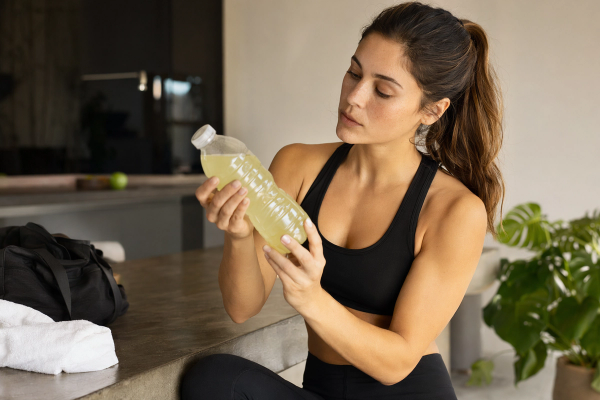
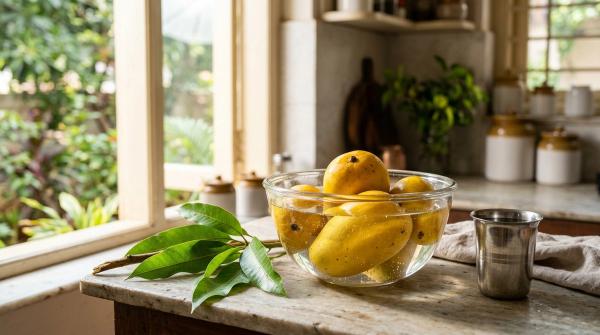
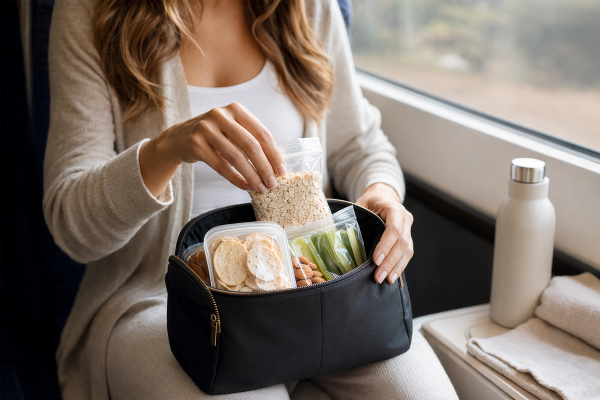
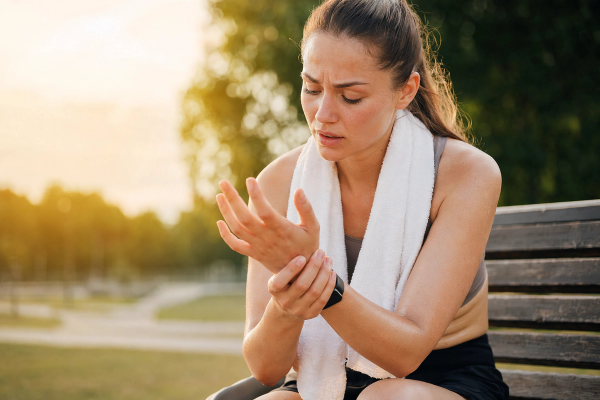
Every Indian summer I tell myself the same thing: this year I’ll be sensible, I’ll drink enough water, I won’t wait till I’m dizzy and annoyed and weirdly angry at everyone. And then, obviously, April hits, the loo starts blowing like a hair dryer from hell, and me being me, I forget. Last year I came back from a short afternoon errand in Delhi feeling absolutely wiped out, head pounding, shirt stuck to my back, and that gross cotton-mouth feeling that plain water somehow wasn’t fixing. That day sent me down a proper rabbit hole on rehydration drinks people in India actually use — chaas, sattu, and ORS. Not in a textbook way. In a real life way. Like, what helps after a normal sweaty day, what helps after gym or travel, and what is actually meant for dehydration when things get serious.
Quick thing before I ramble too far: I’m not your doctor, obviously. But I do care a lot about health stuff and I try to keep up with current guidance. The big medical point that gets missed online is this — hydration is not just water. When you sweat a lot, or have loose motions, vomiting, fever, heat exhaustion, you lose fluids plus electrolytes, especially sodium. That’s why the best drink depends on why you’re dehydrated. These three drinks are not interchangeable all the time, even if Instagram wellness folks act like they are.
Why everybody is suddenly talking about electrolytes in 2026
#If you’ve been online lately, you’ve probably noticed the electrolyte trend has gone absolutely bonkers. There are sachets, powders, “clean hydration” sticks, fancy sodium drops, influencer-approved pink drinks, all that. Some of it is useful, some of it is just expensive packaging and vibes. What’s interesting though is that the trend exists for a reason. Heat waves have been getting more intense across India, and public health messaging around heat illness has become louder. Doctors and health agencies keep repeating the same boring but important thing: when heat exposure is high, especially for outdoor workers, older adults, kids, athletes, and people fasting or travelling, fluid replacement has to be more intentional.
Recent wellness talk in 2026 is also more nuanced than before. People are finally realizing that not everyone needs a sports drink. If you’re sitting in AC all day and peeing pale yellow, relax. But if you’re sweating buckets, doing heavy work, recovering from gastroenteritis, or getting symptoms like weakness, dizziness, headache, cramps, dry mouth, low urine output — then yeah, fluids with electrolytes matter. That part is not hype. It’s basic physiology, just with better branding now.
My slightly blunt opinion: a lot of us don’t have a hydration problem, we have a noticing-the-signals-too-late problem.
First, what rehydration actually means... because I used to get this wrong
#For the longest time I thought rehydration meant “drink anything wet.” Coconut water, nimbu pani, iced tea, juice, whatever. But proper rehydration means replacing both fluid and, in some situations, the salts lost from the body. Water is great for everyday hydration. But if you’ve got diarrhea or vomiting, plain water alone may not be enough. Same if you’ve been sweating heavily for hours. Sodium helps your body hold onto water and supports nerve and muscle function. Potassium matters too. Glucose, in the right amount, actually helps sodium and water absorption in the intestine. That’s why ORS has a very specific role, and why grandma drinks and medical drinks are useful in different ways.
Chaas: my default summer drink, and honestly one of India’s best ideas
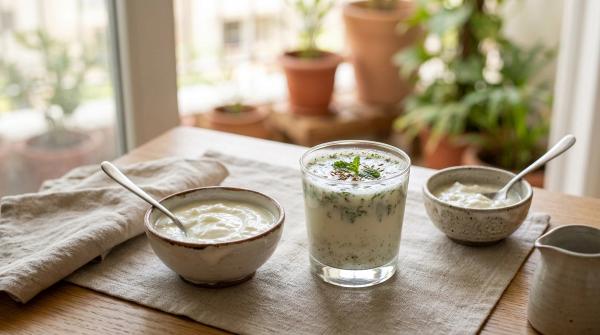
#Chaas, mattha, neer mor, majjige — call it what you want, it’s one of the most practical summer drinks ever. Basically diluted curd blended with water, usually with roasted cumin, salt, maybe mint, curry leaves, coriander, ginger, hing if your household is fancy. I grew up thinking of it as just “the thing after lunch,” but now I think of it as low-key functional hydration. It gives fluid, some sodium if salted, a bit of potassium, some calcium, and depending on how it’s made, some beneficial bacteria from fermented dairy. It’s also way easier on me in summer than heavy milk drinks.
The reason I keep coming back to chaas is simple — it cools me down without making me feel sugary or bloated. Also it’s food-adjacent. If I’ve been a little off, not wanting a full meal, a glass of chaas with jeera and a pinch of black salt kind of settles things. There’s also growing interest in gut health again in 2026, and fermented foods are back in every wellness conversation. I do think chaas deserves that attention, though not in a magical cure-all way. It can support hydration and digestion for many people, but it’s not a replacement for ORS during actual dehydration from diarrhea.
- Best use for chaas, in my experience: daily summer hydration, after spicy meals, after mild sweating, when appetite is low but not gone
- Not ideal if: you’re lactose intolerant, dairy triggers you, or you have vomiting/diarrhea and need measured electrolyte replacement
- Small caution: if you have high blood pressure or kidney issues, don’t go wild with extra salt just because social media said minerals!!!
Sattu: the underrated powerhouse that Bihar got right way before the rest of us
#I have such affection for sattu. The first time I really appreciated it was during a stupidly hot train journey where a relative handed me a steel bottle of sattu drink and said, “This will keep you standing.” She was right. Good sattu, usually roasted gram flour mixed with water, can be incredibly satisfying. It’s not just a rehydration drink, though. It’s more like hydration plus nourishment. You get fluid, some electrolytes depending on added salt, and importantly protein, fiber, and slow energy. So if chaas is refreshing, sattu is sustaining.
That matters in Indian summers because sometimes dehydration and fatigue happen together. You’re not only thirsty, you’re underfed, sweaty, maybe had breakfast too early, maybe you’ve been out doing errands or field work or commuting in heat. Sattu can help in that situation better than plain water and honestly better than many packaged drinks. It’s also become trendy again in 2026 wellness circles because people want traditional, low-cost, less ultra-processed options. Fair enough. This trend I actually like.
But here’s where people oversell it a bit. Sattu is nutritious, yes. It is not medically equivalent to ORS. If someone has acute diarrhea, repeated vomiting, signs of significant dehydration, weakness, sunken eyes, confusion, fast heartbeat, or can’t keep fluids down, sattu is not the first line fix. It just isn’t. Also some recipes online dump in too much sugar. For proper summer use, I prefer the savory version: chilled water, sattu, roasted cumin, black salt or regular salt in moderation, lemon, maybe mint. The sweet one is fine occasionally, but less rehydrating-feeling to me somehow.
ORS: not glamorous, not “clean girl wellness,” but medically the most important one here
#ORS — oral rehydration solution — is one of those things that sounds boring until you really need it. Then it’s kind of brilliant. The standard oral rehydration formula is designed around a specific balance of glucose and electrolytes to improve absorption from the gut. This is why doctors, WHO-style guidance, pediatricians, and basically every sensible health professional still recommend ORS for dehydration related to diarrhea and vomiting. It saves lives, literally. There’s a reason it remains a major public health tool.
I need to say this clearly because summer content online gets messy: ORS is not just salty water, and it’s not the same as random electrolyte beverages. The properly formulated sachets are the smart option when fluid loss is significant, especially in gastroenteritis, food poisoning, heat exhaustion, or after prolonged sweating where symptoms are more than mild thirst. In children and older adults, this matters even more because they can get dehydrated faster and may not communicate it well.
When I had a nasty stomach bug a couple summers ago, I made the classic dumb mistake — kept sipping plain water and some juice, then wondered why I felt shakier. Once I switched to ORS in small sips and stopped pretending I could self-will my intestines into behaving, I improved. Not instantly, but noticably. That experience permanently changed how I see ORS. It’s not an everyday wellness drink for most people. It’s a targeted tool.
So... chaas vs sattu vs ORS. Which one is actually best?
#Annoying answer, but true answer: best for what? If the question is best all-round summer drink for regular people eating normal meals and dealing with ordinary heat, I’d say chaas is the easiest winner. If the question is best for staying full, steady, and less drained during long hot days, especially if you miss meals or do physical work, sattu is fantastic. If the question is best for actual dehydration, especially from diarrhea, vomiting, or heat illness symptoms, ORS wins and it’s not even close.
| Situation | Best choice | Why |
|---|---|---|
| Normal summer lunch, mild sweating | Chaas | Hydrating, light, cooling, easy on stomach for many people |
| Long commute, outdoor work, you also need energy | Sattu | Gives fluids plus protein, some fiber, and staying power |
| Loose motions or vomiting | ORS | Designed for fluid and electrolyte absorption during dehydration |
| Post-workout in moderate heat | Chaas or ORS depending on sweat loss | Chaas for light recovery, ORS if heavy sweat or symptoms |
| Heat exhaustion signs like dizziness, weakness, headache | ORS and cooling measures | Electrolytes matter, and severe cases need medical help |
| Lactose intolerance | Sattu or ORS | Chaas may worsen symptoms |
What recent health research and current guidance seem to suggest
#The broad medical consensus still lines up with common sense, thankfully. Oral rehydration solutions remain the evidence-based standard for dehydration from acute diarrhea and related fluid losses. That hasn’t changed, and honestly probably won’t. Heat-health guidance in recent years has also emphasized proactive hydration, lighter meals, reduced alcohol, and attention to vulnerable groups during heat waves. There’s also been more conversation around gut-friendly traditional foods, fermented drinks, and lower-cost local nutrition options instead of hyper-processed wellness products. Chaas and sattu fit into that trend pretty naturally.
Another thing that’s become more talked about in 2026 is personalized hydration, which sounds very startup-y, but the practical version is simple: body size, climate, sweat rate, activity, age, illness, and medications all change your needs. Someone working on a construction site in Nagpur does not have the same hydration needs as someone in an office in Bengaluru. Someone with kidney disease, heart failure, uncontrolled diabetes, severe hypertension, or on fluid-restricting advice should not follow generic “drink more electrolytes” tips from random creators. Please, seriously, don’t.
My own summer rule now, after messing this up many times
#These days I keep all three in my life, which maybe sounds like a cop-out but it works. Chaas with lunch or mid-afternoon, especially at home. Sattu on days I know I’ll be out, travelling, or doing something physically annoying in peak heat. ORS in the house always, like always, because by the time you need it you don’t want to be running to a pharmacy looking half-dead. I also don’t wait for extreme thirst anymore. Dark urine, dry lips, headache, irritability, cramps, feeling weirdly tired — those are my personal signs that I’ve been careless again.
- My chaas formula: curd + lots of water + roasted jeera + pinch of salt + mint. Sometimes ginger.
- My sattu formula: 2-3 spoons sattu + chilled water + lemon + roasted cumin + pinch of salt. Stir really well or it clumps like crazy.
- My ORS rule: use as directed on the packet, don’t improvise the concentration, and don’t treat it like a gourmet beverage
A few mistakes people make with summer rehydration, me included
#One, assuming cold soft drinks count. I mean, technically fluid is fluid, but very sugary drinks can sit heavy and aren’t ideal for proper rehydration. Two, confusing energy drinks with hydration drinks. Totally different beast. Three, giving homemade salt-sugar mixtures in random amounts when packaged ORS is available. Home recipes can help in a pinch if made correctly, but inaccurate mixing happens a lot. Four, ignoring red flags because “it’s just heat.” Sometimes it’s not just heat.
- If there’s persistent vomiting, confusion, fainting, severe weakness, very little urine, very dry mouth, sunken eyes, fast breathing, or lethargy — get medical help
- For babies, small children, frail elderly people, and pregnant women, don’t wait too long if dehydration is suspected
- If diarrhea lasts more than a couple of days, there’s blood in stool, high fever, or inability to keep fluids down, a doctor needs to get involved
If you made me rank them anyway
#Fine, here’s my very non-scientific but experience-based ranking. For daily Indian summer life? Chaas is number one. It’s cheap, familiar, comforting, and actually useful. For nourishment plus hydration? Sattu is number two, though for some people it may be number one because it keeps hunger and weakness away better. For emergencies or illness? ORS is the most important of all, but I still won’t call it the “best summer drink” overall because it’s not meant to replace your normal hydration habits. It’s like comparing a home fan, a packed lunch, and a first-aid kit. All great. Different jobs.
If you’re healthy and just hot, drink like a person from this climate, not like a wellness ad. If you’re ill and losing fluids, use ORS and don’t get cute about it.
Final thoughts, and what I’d tell a friend
#If a friend asked me this in one line, I’d say: chaas for everyday summer comfort, sattu for stamina, ORS for real dehydration. That’s basically it. You don’t need to pick one forever and join a tribe. Honestly that’s what the internet does to everything, turns simple useful foods into identity politics. Meanwhile our grandmothers were just making chaas and getting on with life.
Try what suits your body. Notice how you feel. Keep ORS at home. Don’t overdo salt if you’ve got medical conditions. Don’t romanticize “natural” so much that you ignore evidence-based care. And if you’re anything like me — a little enthusiastic, a little forgetful, occasionally dehydrated for no good reason — just set reminders and keep it simple. Summer health doesn’t need to be fancy to work. Also, if you like reading wellness stuff that feels less robotic and more real, poke around AllBlogs.in sometime.