I used to think Seoul would be hard work for vegetarians. Not impossible exactly, but one of those trips where you survive on convenience store bananas, fries, maybe a sad salad if the universe is kind. Turns out... not really. Or, well, yes and no. Seoul in 2026 is way more vegetarian-aware than people in India often assume, especially in neighborhoods like Itaewon, Hongdae, Seongsu, and around temple-food restaurants. But you do have to know a few tricks, because in Korea “vegetable” does not always mean vegetarian. Sometimes broth has anchovy, kimchi has fish sauce, sauces have shrimp extract, and you’re sitting there smiling politely while your inner soul is like bro, what is happening.
I spent a little over a week in Seoul recently, mostly eating, walking, getting lost in subway stations, and trying to explain “no meat, no fish, no egg sometimes, and yes garlic is okay” in the simplest way possible. I’m Indian, I travel with my stomach basically leading the trip, and I care maybe too much about finding proper vegetarian food. This guide is for people like me. Folks who want Seoul to taste like Seoul, not just survive on pizza and Starbucks. And honestly, Seoul can be fantastic for us if you do it right.
First thing first: vegetarian in Seoul is possible, but you gotta ask questions
#This is the biggest thing I learnt in the first 24 hours. I walked into a small place near Myeongdong, saw a gorgeous-looking kimchi stew on someone’s table, and nearly ordered it. Then I remembered reading that a lot of kimchi in Korea is made with jeotgal, basically fermented seafood. Same for many soups and side dishes. So the rule I followed was pretty simple: if I didn’t ask, I didn’t assume.
A useful phrase to keep on your phone is: “I am vegetarian. No meat, no fish, no seafood broth, please.” If you’re vegan, make it clearer because egg and dairy can sneak in too. Papago was a lifesaver for me, way more practical than trying to mime a fish and then crossing my hands dramatically over it. I mean, that also worked once, but still.
Also, a 2026 travel trend I noticed all over Seoul is that menus are becoming more QR-based, multilingual, and allergen-aware, especially in newer cafes and international districts. That helps a ton. Lots of younger spots now mark vegan items directly, and some even note whether kimchi is vegan. Small thing, huge relief.
Where vegetarian Indian travelers should actually stay
#If food is your priority, I’d say choose your base carefully. This matters more than people think. I split my stay between Hongdae and Itaewon, and if I’m being honest, Itaewon made life easiest for vegetarian eating. It’s international, a bit chaotic, expensive in patches, but full of vegan bakeries, global restaurants, Middle Eastern spots, and Indian restaurants for those moments when you just need dal like emotionally need it. Hongdae was more youthful and fun, better for cafe-hopping, street energy, late-night dessert runs, and random discoveries.
Seongsu is another area food people are obsessed with in 2026, and I kinda get why. It’s trendy without being totally soulless yet. Loads of design-y cafes, plant-forward brunches, and these very Seoul-ish reinterpretations of traditional ingredients. Not cheap though. Nothing in Seoul is cheap now, let’s be real.
If it’s your first time, I’d shortlist:
- Itaewon for ease and international veg options
- Hongdae for cafes and younger food culture
- Insadong for temple food access and traditional vibes
- Myeongdong if you want convenience, though food there can be hit or miss unless you know where to look
Temple food changed the whole trip for me, no joke
#I knew about Korean temple cuisine before going, but in my head it sounded a bit too austere. Like something I would appreciate respectfully more than actually crave. I was wrong. Temple food in Seoul was one of the best culinary experiences of the trip, not because it was flashy, but because it felt so considered. Deeply seasonal, beautifully plated, and naturally vegetarian or vegan in many cases.
One of my most memorable meals was at a temple-food style restaurant around Insadong. The spread had lotus root, mushroom dishes, mountain greens, tofu preparations, perilla leaf, acorn jelly, pumpkin porridge, delicate pickles, and rice that somehow tasted calmer than normal rice... that sounds ridiculous but if you know, you know. Traditional Korean Buddhist cuisine usually avoids meat and often excludes the so-called five pungent vegetables too, though restaurants vary. For Indian travelers who are vegetarian for religious reasons, this can be a very comfortable and respectful way to eat local food.
And weirdly, after days of spicy, rich, salty city eating, this style of food reset my brain. I walked out feeling lighter, happier, less overloaded. A little smug too, if I’m honest. Like wow look at me having a spiritually superior lunch.
The biggest myth about vegetarian food in Seoul is that it’s all compromise food. Sometimes, yeah. But at its best, it’s thoughtful, seasonal, wildly flavorful, and so rooted in Korean food culture that you don’t feel like an outsider eating a modified meal.
The dishes I kept chasing across Seoul
#Okay so let’s talk actual food, because this is where Seoul gets properly exciting. Some dishes were easy to find in vegetarian versions, some took effort, and some I had to let go of with dignity.
Bibimbap was my dependable friend. Vegetable bibimbap is available in many places, but always ask about the sauce and side dishes. A few places will do a clean vegetarian version if you ask. Then there was sundubu-jjigae, soft tofu stew, which sounds vegetarian but often isn’t because broth. I only had it in explicitly vegan-friendly spots. Totally worth the caution. Japchae can also work, but same thing, ask. Kimbap was one of my everyday snacks, especially veggie or tofu versions, and triangle kimbap from convenience stores saved me a couple of times when everything else was shut.
Then the fun stuff. Hotteok in winter-ish weather? Amazing. Bungeoppang with red bean? yes please. Tteok, especially fresh rice cakes from markets, were hit and miss but often great. I also got weirdly into Korean breads and salt-butter rolls from vegan bakeries, which is not what I flew to Seoul for but here we are.
One surprise was how much I liked perilla-heavy dishes. Indian travelers often connect quickly with sesame, chilli, pickles, fermented foods, soybean richness, all that. But perilla has this green, slightly minty, nutty thing that took me a day and then fully won me over.
A few restaurants and food zones that made my vegetarian life easier
#Now, restaurant scenes change fast in Seoul, like really fast, and I’m not pretending every place will be there forever. But as of 2026, there are a few types of places and areas that are consistently useful.
Itaewon remains one of the safest bets for vegan and vegetarian travelers. You’ll find dedicated vegan cafes, international brunch spots with plant-based menus, and several Indian restaurants if you need familiar flavors. Around this area I found some excellent hummus, shakshuka-like breakfasts adapted for vegan diets, and good coffee, which mattered because Seoul coffee culture is still going very strong in 2026. Honestly sometimes too strong, every second door is a hyper-curated cafe with six beans and one croissant.
Insadong is where I’d send anyone wanting Korean vegetarian food that feels traditional rather than imported. Temple cuisine, tea houses with snacks, and hanok-style dining experiences are easier to find here.
Hongdae and Yeonnam are great for casual vegan cafes, desserts, and younger food trends. A lot of 2026 Seoul dining energy is around low-waste menus, seasonal produce, oat-cream desserts, and fancy vegetable-forward brunch plates that are almost too pretty to eat. Almost.
And yes, there are Indian restaurants in Seoul that can be a comfort blanket. Some are genuinely very good, some are just okay but still heavenly on day five. I had one butter-paneer-ish meal in Itaewon that probably wasn’t authentic to any country at all, but I nearly cried with happiness anyway.
What I’d personally seek out again
#- Temple food tasting menus in or near Insadong
- Vegan bakeries in Yeonnam and Seongsu for breakfast and coffee
- Vegetarian bibimbap spots where they clearly understand no fish sauce means no fish sauce
- Mangwon Market and selected market stalls for snacks, fruit, rice cakes, and banchan you can verify
- Itaewon for easy-mode dining when you’re tired of explaining your diet every single meal
Street food is fun... but for vegetarians it’s a bit of a minefield
#I love street food, maybe too much. It’s usually the first thing I hunt down in any city. In Seoul, the markets and street stalls are exciting, colorful, loud, and full of smells that make you do dumb things while hungry. But vegetarian travelers need to be slightly more alert here than in, say, Bangkok fruit markets or parts of India where veg signage is clearer.
Myeongdong’s street food scene is still busy in 2026, though more touristy and pricier than I expected. Fun for a night, not where I had my best food. Gwangjang Market is iconic and worth visiting for atmosphere, but a lot of famous dishes there are not vegetarian. I still loved going, just with lower expectations for what I’d eat. Mangwon Market was more manageable for me, less overwhelming, more neighborhood-ish.
What worked? Hotteok, roasted sweet potato, some tteok, fresh fruit cups, certain breads, cheese-less snacks if you ask, and occasionally veggie kimbap. What didn’t? Random sauces. Random broths. Random “vegetable dumplings” unless confirmed. Basically random anything.
A silly little memory: I bought what I thought was a harmless pancake from a stall because the aunty smiled and nodded at my veggie question. It was delicious. Then I noticed tiny seafood bits in the batter. Not loads, but enough to make me stand there on a cold street, betrayed and weirdly philosphical. So yeah, ask twice.
For Indian tastebuds, Seoul can feel familiar in unexpected ways
#This was maybe my favorite part. Even when the food was totally different, some flavor logic felt close to home. Fermentation, pickles, spice heat, rice-centered meals, shared side dishes, soups with depth, comfort food built around pantry staples... Indian travelers often adapt faster to Korean food than they expect.
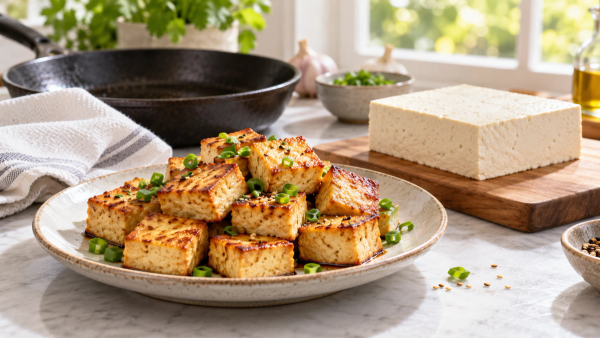
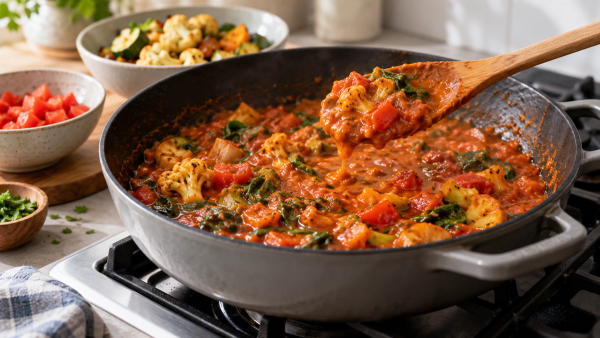
I kept thinking how many little bridges there are between the cuisines. Tofu in a spicy sauce can hit a similar comfort spot as paneer in masala, not the same obvously, but emotionally adjacent. Banchan culture reminded me of the joy of a full Indian thali, different textures and flavors on one table. Even the respect for seasonal produce felt familiar in a grandmother way.
That said, if you’re used to Indian vegetarian food being clearly understood, Seoul can be tiring. Back home, “veg” usually means something. In Korea, you may have to define it every time. If you’re Jain or avoid onion and garlic, planning becomes much harder, and temple food may be your best route. Carry snacks. I always do this anyway because I become deeply annoying when hungry.
Food trends in Seoul in 2026 that vegetarian travelers will notice
#Seoul’s food scene right now feels very split between old-school neighborhood places and trend-driven cafe culture, and both are interesting. In 2026, the trends I kept seeing were plant-based menu expansions, premium tea and zero-proof drink pairings, low-waste dessert concepts, and these beautifully designed cafes doing seasonal Korean ingredients in very modern ways. Mugwort, black sesame, chestnut, sweet potato, yuzu, omija, red bean, persimmon when in season... all over the place.
There’s also more visible interest in wellness-forward eating than on my previous Korea trip years ago. Not boring wellness, thank god. More like fermented drinks, grain bowls with Korean flavors, vegan soft serve, sugar-conscious desserts, and upscale temple-inspired plates. Even airport and rail travel food options seem to be getting better labelled now, which is a very unglamorous but important improvement.
A thing I loved was the rise of reservation-friendly apps and digital queue systems. Great in theory. In practice, I still spent twenty minutes outside one famous brunch place trying to figure out if I had joined a queue or just liked an Instagram post. But we move.
My best accidental meal happened because I got off at the wrong subway stop
#This is peak me. I was trying to get somewhere in Seongsu, missed the transfer, and ended up wandering side streets with that half-annoyed, half-curious travel mood. Found a tiny cafe with maybe eight seats, all pale wood and quiet music, serving a vegan lunch plate with grilled mushrooms, doenjang-seasoned greens, pumpkin salad, rice, soup, and the crispiest tofu cutlet thing. It wasn’t dramatic food. No smoke, no tableside theatrics, no viral cheese pull nonsense. Just balanced, deeply satisfying, very Seoul-in-2026 food.
I sat there watching office workers come in alone, eat quietly, and leave. That’s another thing I like about Seoul. Solo dining is normal enough in many places now, especially cafes and casual restaurants. As a solo traveler, that matters. I don’t always want to perform confidence. Sometimes I just want lunch.
And weirdly, that calm meal became one of my strongest memories, more than some of the famous places. Travel is like that. You plan for the headline moments and then remember the side street tofu.
Practical tips I wish someone had told me before I landed
#- Search for “vegan” more often than “vegetarian” on maps. You’ll get clearer results.
- Use Papago, not just Google Translate, for food-specific questions in Korea.
- Ask about broth, kimchi, and sauces every single time. Yes, every time.
- Keep a backup meal plan for late nights because some veg spots close earlier than you’d expect.
- Convenience stores are useful for fruit, yogurt if you eat dairy, kimbap, nuts, drinks, and emergency breakfast.
- If you need one guaranteed easy-food day, go to Itaewon and just relax.
What to eat when you’re homesick, tired, or just need a break from explaining yourself
#This deserves its own section because not every meal has to be a cultural deep dive. Some days I wanted Korean food. Other days I wanted something easy where no one looked panicked when I said vegetarian. Seoul is great for that now. Indian, Middle Eastern, Italian, Turkish, vegan burgers, bagels, bakery breakfasts, all of it exists.
I had a proper South Indian meal one evening after a long museum day and wow, I cannot explain the comfort. Sambar that wasn’t exactly like home but close enough, dosa that was maybe a bit too crisp, chai that was honestly kinda wrong, and yet I was incredibly happy. Don’t let anybody make you feel guilty for mixing local exploration with comfort meals. It’s not a failure. It’s smart travel. Also your stomach will thank you.
Same with coffee and dessert stops. Seoul cafe culture is reason enough to visit. Even as a food purist-ish person, I loved taking breaks for vegan financiers, black sesame cookies, sweet potato cakes, matcha drinks, and ridiculously good bread. A city is also how it pauses, not just how it dines.
So... is Seoul a good vegetarian destination for Indian travelers?
#Yes. Not the easiest in Asia, but much, much better than its old reputation. If you’re expecting every random restaurant to understand vegetarianism the way India does, you’ll struggle. If you come prepared, stay in the right areas, use translation tools, and balance temple food with modern vegan spots and a few comfort meals, Seoul becomes a seriously rewarding food city.
What I loved most was that vegetarian eating didn’t have to mean detached-from-local-culture eating. I had deeply Korean meals, not just substitutions. I learnt to notice ingredients more carefully. I appreciated subtlety more. And I came back craving things I never expected to miss, like lotus root banchan, perilla leaves, soft tofu stew done right, roasted sweet potatoes from the cold evening streets, and those neat little tea houses where time slows down a bit.
Would I go back just to eat? absolutely. In a heartbeat. I’d spend more time in Insadong and Seongsu, do another temple food lunch, hunt down more vegan bakeries, and maybe be braver at neighborhood places with better Korean. My accent alone caused enough confusion to write its own post, honestly.
If you’re an Indian vegetarian heading to Seoul soon, don’t overthink it but don’t wing it either. Keep a few translated phrases ready, build your day around neighborhoods with good options, and leave room for surprise. That’s where the best meals usually hide. And if you’re into this sort of messy food-and-travel rambling, you’ll probably find more of it on AllBlogs.in.