The snack bag I trust more than half my itineraries
#I learned the hard way that “vegetarian-friendly” and “protein-friendly” are not always the same thing when you’re traveling. Like, yes, I can find bread almost anywhere. I can find fries in a bus station in three countries before I find a decent protein option. But after one too many days of eating airport croissants and pretending a sad side salad was lunch, I got weirdly serious about shelf-stable vegetarian protein snacks. Not glamorous, I know. But honestly? My little snack pouch has saved more trips than any fancy packing cube ever did.
There was this overnight train ride from Delhi to Jaisalmer where dinner didn’t quite happen the way I thought it would. Me and my friend had assumed we’d grab something at the station, because that’s what you do, right? Except the platform was chaos, the train was moving, and suddenly we were in our berths with one packet of masala peanuts, two bananas, and a very dramatic sense of doom. Those peanuts tasted like a Michelin meal at midnight. Salty, crunchy, spicy, protein-ish. Since then, I don’t board anything longer than two hours without backup food. Planes, trains, ferries, road trips. Especially ferries, actually. Ferry food can be... confusing.
Why vegetarian travelers need a protein backup, even in great food cities
#Some destinations are absolute heaven for vegetarians. Istanbul with lentil soup and simit, Bangkok with tofu if you can navigate fish sauce, Mexico City with beans and tortillas and grilled corn, South India with dosa, sambar, sundal, all that gorgeous stuff. But travel days are a different animal. The day you are actually moving from one place to another is when your food life gets boring and expensive and weirdly low-protein. Breakfast is sweet pastry. Lunch is chips. Dinner is whatever is open near the hotel at 10:47 pm.
And protein matters because it keeps you full, not in a fake diet-culture way but in a “I don’t want to become a monster in passport control” way. I’m not a nutritionist, obviously, but I can tell when I’ve had only carbs for eight hours. I get foggy and dramatic. A handful of roasted chana, a nut bar, or even a scoop of plant protein shaken with water has pulled me back from the edge so many times. If you’re the kind of vegetarian traveler who already worries about hotel buffets being all muffins and fruit, I wrote down a lot of those survival tricks in Hotel Breakfast for Vegetarians: Buffet, Bakery, and Backup Tips, because morning protein is basically travel insurance.
My messy little formula: crunchy, chewy, salty, sweet
#I don’t pack snacks like a spreadsheet person. I tried once. Little labeled bags, exact servings, everything neat. By day two in Lisbon, the almonds had escaped and the protein bar was melted into my scarf. So now I pack by mood and texture. Something crunchy, something chewy, something salty, something sweet. If I’ve got those four, I can survive delayed trains, closed restaurants, and that awkward moment when everyone wants seafood and I’m smiling like “no, it’s fine, I’ll just eat olives.”
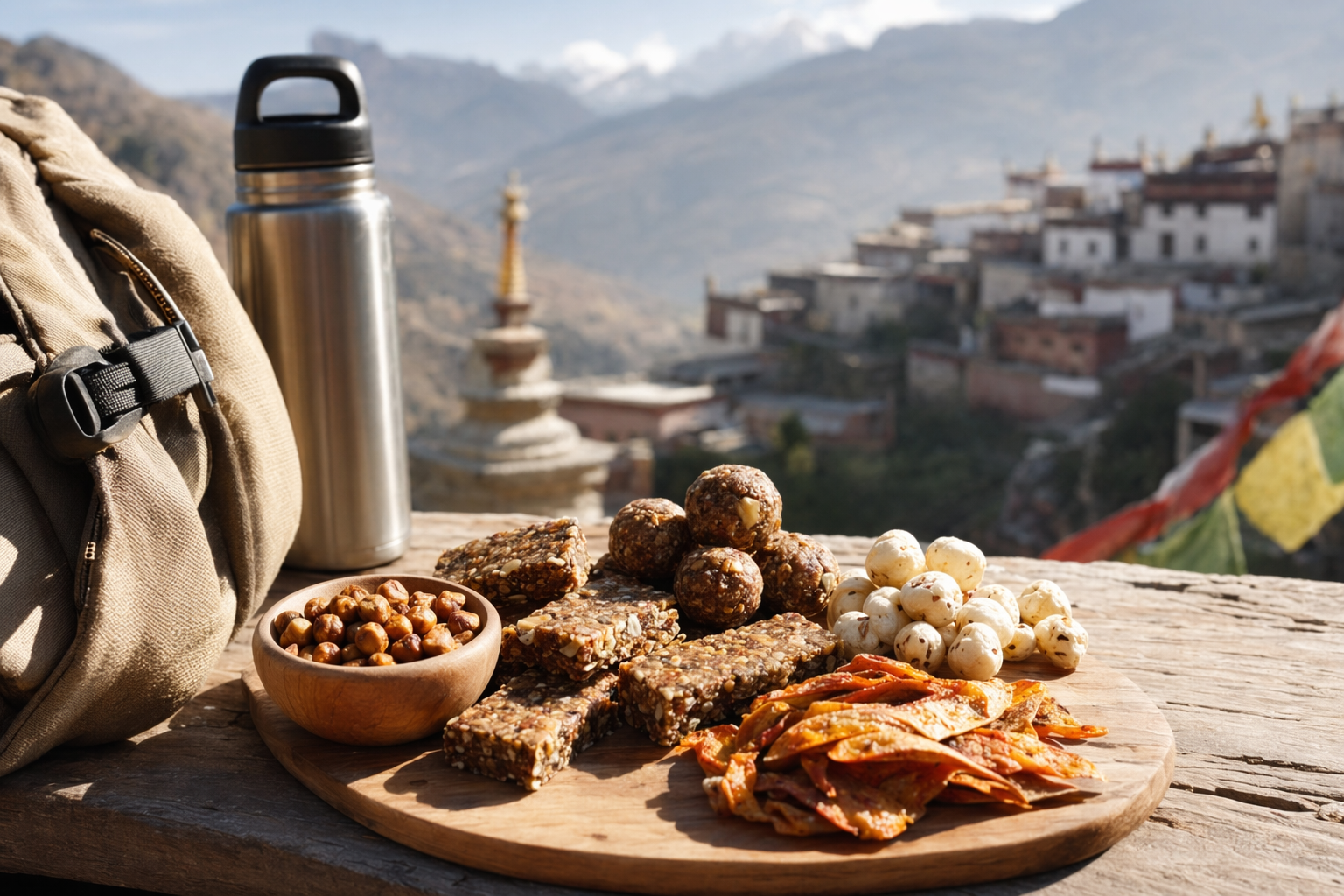
- Crunchy: roasted chickpeas, peanuts, soy nuts, trail mix, dry roasted edamame if I can find it
- Chewy: protein bars, date-nut bars, peanut chikki, sesame bars, dried tofu snacks where available
- Salty: masala peanuts, spiced pumpkin seeds, roasted makhana, salted cashews, savory granola clusters
- Sweet: nut butter sachets, dark chocolate with nuts, laddoo-style energy bites, dried fruit paired with seeds so it’s not just sugar
The trick is pairing. Dried mango alone is delicious but it will not hold you through a four-hour museum wander. Dried mango with almonds? Different story. Crackers alone are sad. Crackers with peanut butter sachets become lunch if you’re sitting on a curb in Porto watching trams rattle by, which is not the worst lunch setting, honestly.
Roasted chickpeas: the snack I keep coming back to
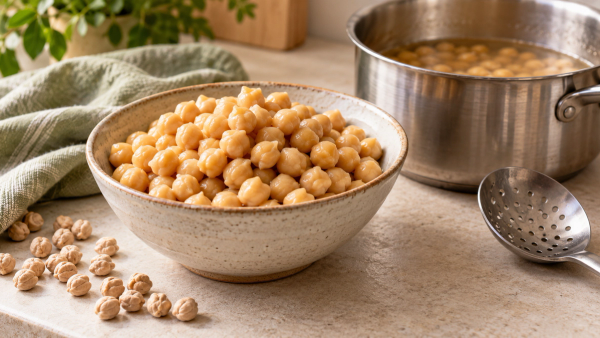
#If I had to pick one travel snack that feels both old-school and perfect, it’s roasted chickpeas. In India, roasted chana is everywhere if you know where to look, and it’s one of those snacks that makes you feel like someone’s grandmother solved travel hunger generations ago and we’re all just catching up. It doesn’t need a fridge, it doesn’t smell aggressively on airplanes, it doesn’t crumble too badly, and it has actual bite.
I bought a paper cone of spiced chana once near Mysuru after a long, sweaty palace day, and I swear the vendor tossed in chopped onion, chili, lime, coriander, and magic. Now, okay, that version is not shelf-stable anymore once it’s mixed fresh. Eat it right away. But plain roasted chana in a sealed packet? Fantastic for trains and long bus rides. At home I sometimes mix it with peanuts, sev, curry leaves, and a tiny pinch of amchur. Then I pack it in a zip pouch and act like I’m a practical adult. Works maybe 60% of the time.
A tiny note on hummus, because people always ask
#I love hummus. I would build a small shrine to hummus. But for travel, unless it’s a sealed shelf-stable cup and you’re eating it soon, I don’t count it as my reliable protein backup. Airport security liquid rules can be annoying with dips, and once opened it needs cold storage. Chickpeas in crunchy form are just easier. Not better, necessarily. Easier. Travel snacks are about lowering the number of things that can go wrong, because plenty of other stuff will go wrong anyway.
Nuts and seeds are boring until they save your afternoon
#I used to think almonds were the most boring snack on earth. Then I got stuck in a rental car somewhere between Granada and a tiny white village in Andalusia, with gorgeous olive groves outside and absolutely no open café because we had forgotten about siesta hours. Suddenly almonds were elegant. Sophisticated, even. We ate them with clementines and stale bread, parked beside a stone wall, and I still remember that meal more clearly than some restaurant dinners.
Peanuts are usually the cheapest and easiest, and they’re around 7 grams of protein per ounce, give or take depending on the brand. Almonds, pistachios, cashews, pumpkin seeds, sunflower seeds, sesame bars, all good. I try not to overpack only nuts though, because after two days they start tasting like responsibility. Mix them with something fun. Chili-lime peanuts in Mexico, rosemary almonds in Italy, jaggery peanut chikki in India, sesame snaps in Greece or Turkey. Food memory sticks harder when it has crunch.
Protein bars: useful, but don’t let them become your whole personality
#Protein bars are the most obvious answer and also the most disappointing one half the time. Some taste like compressed gym bag. Some are weirdly sweet. Some have that chalky aftertaste where you start questioning your life choices. But I still pack them, especially on flight days, because they’re clean, sealed, predictable, and easy to eat while standing in a queue.
My personal rule is to test bars before the trip. Do not buy a full box of mysterious “cookie dough vegan protein blast” bars the night before leaving. I did that before a trip to Japan and spent two weeks avoiding them while happily eating onigiri and edamame whenever I could. Japan, by the way, is both wonderful and tricky for vegetarians because convenience stores are amazing but ingredient labels can be hard if you don’t read Japanese, and dashi sneaks into things. A known protein bar in your day bag takes away some stress, even if dinner later is a proper meal.
Plant protein powder is my emergency button
#I don’t always travel with protein powder, but when I do, I feel smug in a very annoying way. A small pouch of pea, soy, or mixed plant protein can turn water, shelf-stable soy milk, or even instant oats into something filling. It’s not a romantic snack. Nobody is writing poetry about a shaker bottle in an airport lounge. But after a red-eye flight, when the only breakfast options are butter croissants and a fruit cup, it can be the difference between functioning and staring blankly at a metro ticket machine.
Security-wise, solid foods are usually easier than powders, and powders can get extra screening in some airports. In the US, TSA guidance says powders over 12 oz or 350 mL in carry-on may need additional screening and might be better in checked luggage. Rules vary by country, airline, and security staff mood, which is a real thing even if nobody admits it. If you’re flying out of India or carrying a bigger tub, this guide on Can You Carry Protein Powder on Flights from India? is worth reading before you start scooping beige powder into suspicious little bags.
Road trips: gas stations, glove boxes, and not eating only chips
#Road trips are where shelf-stable vegetarian protein snacks really shine. Airports at least have some kind of food court. Highways can be brutal. I’ve done road trips where every stop had ten kinds of jerky, a wall of soda, and vegetarian options that were basically pretzels and hope. So now I pack a “front seat snack kit” and guard it like treasure.
For road trips, I want snacks that don’t melt easily, don’t need utensils, and don’t make the car smell like a spice bazaar unless everyone in the car has consented to that. Roasted peanuts, trail mix, protein bars that don’t have chocolate coating, dry roasted edamame, shelf-stable nut butter packs, and wholegrain crackers are all good. If I do need to buy food at a petrol pump or gas station, I look for nuts, milk boxes if I drink dairy that day, roasted snacks, and sometimes cheese crisps if vegetarian rennet is clear, though that gets fussy. For a deeper buy-skip-save breakdown, Gas Station Food While Traveling: What to Buy, Skip and Save for Later is a handy companion.
Snacks I’ve carried through real places, not just pretty packing photos
#In Morocco, I carried almonds and dates everywhere, which felt almost too perfect because the markets were full of them. After wandering the medina in Fes, completely lost and slightly overwhelmed by tannery smells and scooter near-death moments, dates stuffed with walnuts tasted like tiny rescue packages. In Turkey, I kept roasted hazelnuts in my coat pocket and ate them on ferries across the Bosphorus, gulls screaming overhead like they wanted a review copy.
In Vietnam, vegetarian travel took more explaining for me, especially outside the big cities, so I carried soy nuts and sesame bars as backup. In Portugal, supermarkets saved me with lupini beans in jars, but jars are not exactly light, so I ate them in my room like a goblin and then carried almonds the next day. In Mexico City, I didn’t need my snacks as much because beans, esquites, tlacoyos with refried beans, and avocado kept appearing like blessings. Still, on museum days, a peanut bar in the bag was nice.
The destination snack rule: buy local when you can
#One thing I’ve changed over time is that I don’t pack every snack from home anymore. I bring enough for the first travel day, then I shop locally. This is partly practical and partly because supermarkets are my favorite museums. I mean that. Give me a neighborhood grocery store in another country and I’ll happily spend 45 minutes looking at lentil chips, yogurt labels, spice mixes, and weirdly specific biscuit flavors.
Local shelf-stable protein snacks make the trip taste like the place. In India, chana, peanuts, makhana, chikki, and khakhra with peanut chutney powder. In Spain, marcona almonds and little packets of roasted corn, though corn is more crunch than protein. In Greece, sesame pasteli and nuts. In Thailand, look for roasted broad beans, cashews, and soy snacks, while checking labels if fish sauce or shrimp powder is a concern. In the Middle East, nuts, seeds, chickpea snacks, and tahini-based sweets are everywhere, though sweets are still sweets, don’t kid yourself like I do.
How I read labels when I barely know the language
#Badly, sometimes. But better than I used to. I learn a few words before I go: milk, egg, fish, meat, gelatin, shrimp, chicken stock, lard. I use translation apps. I look for vegan symbols, vegetarian marks, allergen boxes, and ingredient lists that are short enough not to become a novel. In India, the green dot symbol on packaged foods is a very useful vegetarian marker. In Europe, allergen bolding can help, though it won’t tell you everything about vegetarian suitability. And when in doubt, I ask. Sometimes badly. Sometimes with mime. Travel is humbling.
Border rules: the unsexy part nobody wants to discuss
#Here’s where I get boring for a minute. Packaged shelf-stable vegetarian snacks are usually less risky than fresh fruit, homemade sandwiches, or open food when crossing borders, but customs rules are not all the same. Many countries are strict about fresh produce, seeds, dairy, and agricultural items because of pests and biosecurity. Australia and New Zealand, for example, are famously serious about declaring food. The US also asks travelers to declare food items. The safest habit is simple: keep snacks sealed when crossing borders, check official rules for the country you’re entering, and declare food if asked. Don’t try to be clever. Snack shame at customs is not worth it.
I once had an apple confiscated while entering another country and acted personally betrayed, as if the apple and I had a deep bond. But the officer was right. Fresh produce is often restricted. Since then, my border-crossing snacks are sealed bars, sealed nuts, roasted chickpeas in commercial packaging, or nothing at all until I’m through. Then I go shopping and make it fun.
My actual packing list for a 7 to 10 day trip
#This changes depending on where I’m going, but if it’s a mixed trip with flights, trains, city wandering, and maybe one long road day, I pack enough to avoid panic but not enough to become a mobile grocery store. I used to overpack food and come home with crushed bars and stale nuts. Now I pack lighter and restock.
- Two protein bars I already know I like, not experimental ones because life is short
- One pouch of roasted chickpeas or chana, preferably spicy but not so spicy I regret it on a bus
- A small bag of mixed nuts and seeds, with something salty and something sweet mixed in
- Two nut butter sachets for crackers, apples after arrival, or emergency spoonless eating, which has happened
- A mini pouch of plant protein powder only if I know breakfasts may be weak or travel days are long
- Electrolyte packets or instant coffee sometimes sneak in, not protein, but they improve my personality
I keep one day’s worth in my personal bag and the rest in my suitcase. If everything is in the suitcase, it’s useless when your bag is checked, delayed, or trapped in a luggage rack under someone’s enormous backpack. Also, bring a small clip or rubber band. Half-open nut bags are how you end up with sesame seeds in your passport holder. Ask me how I know.
When snacks become a meal, and when they really shouldn’t
#I’m pro-snack, clearly, but I don’t want to pretend snacks are the same as sitting down to local food. They’re not. The whole point of carrying shelf-stable protein is to keep you steady until the good meal happens. I don’t travel to eat bars in hotel rooms. I travel for the smoky rajma in a mountain dhaba, the bean tacos eaten standing at a busy counter, the lentil soup after a cold ferry ride, the breakfast dosa that arrives bigger than the table.
But there are days when snacks become dinner. A delayed train in Italy, a storm in the Greek islands, a late arrival in a small town where the only open restaurant had nothing vegetarian except wine and bread. On those nights, I’ve made dinner from almonds, crackers, peanut butter, dark chocolate, and hotel tea. Was it balanced? Eh. Was it better than going to sleep hungry and waking up furious? Absolutely.
A few snack mistakes I keep making anyway
#I still mess this up. I pack chocolate-coated bars in hot countries and then act surprised when they become sauce. I buy spicy snacks for flights and then drink all my water before takeoff. I forget that crunchy snacks sound incredibly loud in quiet train cars. I carry too many nuts and then crave anything that isn’t nuts. And sometimes I buy a local snack without reading properly and realize it has fish powder, which is always a tiny heartbreak.
The biggest mistake, though, is packing foods you think you “should” eat instead of foods you actually like. Travel is already full of friction. Don’t add punishment snacks. If you hate plain almonds at home, you will not magically love them while jet-lagged in Berlin. Get the chili ones, or the cocoa-dusted ones, or skip almonds and bring roasted chickpeas. The best snack is the one you’ll actually eat before you become cranky.
The snacks that feel most worth the luggage space
#If I had to narrow it down, my top shelf-stable vegetarian protein snacks for travel are roasted chickpeas, peanuts or mixed nuts, dry roasted edamame where available, sesame or peanut chikki, protein bars that I’ve tested, and plant protein powder for longer or more uncertain trips. I also love spiced makhana, though it’s lighter on protein than chickpeas or nuts, and it crushes easily if you pack like a raccoon. Still delicious. Worth it sometimes.
What I like about these snacks is that they’re not trying too hard. They fit into different food cultures. They can be cheap. They don’t require refrigeration. They help vegetarian travelers say yes to more wandering because hunger isn’t constantly making decisions for you. That’s the real luxury, I think. Not the perfect hotel or the famous restaurant booking. It’s being able to keep walking down one more street because you’ve got peanuts in your bag and dinner can wait another hour.
Final bites before the next train
#Shelf-stable vegetarian protein snacks are not the sexiest part of food travel, but they make the sexy parts easier to reach. They get you through the airport delay so you can enjoy the night market later. They keep you full on the bus ride to the village where somebody’s auntie makes the best dal you’ve ever tasted. They stop you from settling for sad fries when a proper meal is only a little farther away.
So yeah, I’m the person with roasted chana in my backpack and peanut butter sachets tucked beside my charger. I’m fine with it. Food travel isn’t just about the big, beautiful meals. It’s also about the small practical bites that keep you open, curious, and not completely unbearable. If you’re planning your own snack stash or just like reading about food on the move, poke around AllBlogs.in sometime. There’s always another trip, another bite, another slightly crushed packet of something delicious waiting.