If you ask me the best way to travel in India without burning all your money, patience, and skin in one go... it’s shoulder season. Not peak season, not total off-season where half the cafes are shut and landslides or heatwaves are trying to ruin your plan. That in-between sweet spot. Slightly cheaper rooms, fewer crowds, trains that are still packed because, well, India, but not impossible, and weather that’s mostly manageable. Honestly, some of my favorite trips in India happened in these weird in-between months when everybody else was either waiting for the season to “start” or had already gone home.
And shoulder season in India is not one single thing. April in Himachal can be lovely, but April in Rajasthan can make you question your life choices. September in Ladakh feels very different from September in Goa. So this post is basically the guide I wish I had when me and my cousin started doing budget trips with overconfidence and underpacked backpacks. It’s personal, yes, but also practical. If you want the best cheap travel months in India by region, this should help quite a bit.
First, what shoulder season actually means in India
#Simple version: it’s the period just before or just after peak tourist season. Prices start dropping or haven’t risen fully yet. Weather is usually decent, not always perfect. You might get a bit of rain, a chilly evening, some humidity, maybe haze in the plains, but in return you save money and avoid those horrible queues outside cafés, monuments, taxi stands, even public washrooms. That trade-off? Totally worth it, most of the time.
For Indian travelers, this matters extra because we usually travel around long weekends, school holidays, Durga Puja, Diwali breaks, New Year, summer vacation, and suddenly every hotel owner thinks their basic room deserves luxury-resort pricing. Shoulder months help you dodge that nonsense. I’ve found hotel rates can drop anywhere between 15% and 40% compared to peak periods in many domestic destinations, especially if you book 2 to 4 weeks ahead and avoid major festival dates. Flights too, though that’s become less predictable lately.
North India hills: Himachal, Uttarakhand, Kashmir — go just before the rush or right after it
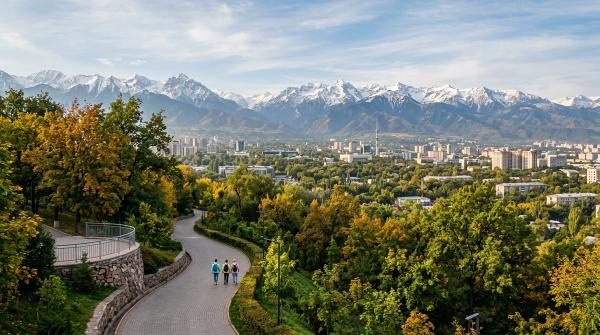
#For the north Indian hill states, my favorite cheap shoulder months are usually March to early April, and then September to mid-November depending on the place. Summer vacation crowds haven’t fully exploded in spring, and post-monsoon autumn often brings clear mountain views with lower hotel prices than May-June. This is especially true for places like Shimla outskirts, Tirthan Valley, Jibhi, Mussoorie, Almora side, and even parts of Kashmir once the biggest family holiday rush settles a little.
I made the mistake of doing Manali in peak June once. Big error. Massive traffic, expensive stays, loud crowds, and every viewpoint looked like a parking issue. Then I went again in late March and it felt like a different planet. Snow still visible on higher roads, mornings cold enough for chai to feel magical, but the room I got near Old Manali was almost 30% cheaper than what my friend paid in late May for a similar setup. Not luxury or anything, but clean room, mountain-facing balcony, hot water that mostly worked... good enough.
- Best cheap months for Himachal: March, early April, September, October
- Best cheap months for Uttarakhand hills: March, April, late September, October
- Best cheap months for Kashmir: April and late September to October, though always check local advisories first
One serious thing though. Safety and weather updates matter a lot in the hills now more than they used to. Monsoon patterns have become more erratic, road closures happen, landslides are not rare in parts of Himachal and Uttarakhand, and in Kashmir you should always keep an eye on local administration advisories and transport updates before locking your route. Don’t just watch pretty reels and leave. Check road status, especially if you’re doing self-drive or buses.
Budget-wise, a hostel bed in these hill regions in shoulder season can still start around ₹500 to ₹900 in popular towns, while decent guesthouses often sit in the ₹1,200 to ₹2,500 range. In peak time, the exact same places suddenly become painful. Food is still manageable if you eat local. Rajma chawal, thukpa, bun-omelette, siddu, aloo ke gutke, kahwa in Kashmir... this is where your wallet survives.
Ladakh and the high Himalaya: don’t blindly chase peak summer
#A lot of people think Ladakh is only worth it in June and July. I kinda disagree. Late May can work if routes open on time, and September is honestly one of the smartest months if your main goal is budget plus beauty. The skies are often clearer, the crazy biker rush begins thinning out, and rates in Leh can soften compared to the core rush. September in Ladakh has given me some of my best photos ever, not even joking, those sharp blue skies look fake.
That said, shoulder season in Ladakh is less forgiving than elsewhere. High altitude doesn’t care that you got a discount. Acclimatization is still everything. Spend the first 24 to 48 hours easy in Leh, avoid rushing to Pangong the same day you land, and keep buffer days because weather or road issues can mess up your plan. Shared cabs, bike rentals, and local tours are available, but prices move a lot based on fuel costs and demand. For stay, budget dorms and simple guesthouses in Leh can be around ₹600 to ₹1,500 in shoulder months, while mid-range rooms often hover around ₹2,000 to ₹4,000.
If you want mountain views and a lighter bill, September in places like Leh, Turtuk side, or even around Nubra planning-wise just makes more sense than fighting peak-season chaos. But go with flexibility, not ego.
Rajasthan and the desert belt: this is where timing saves your life, not just money
#Okay so for Rajasthan, shoulder season is not summer. Let’s just clear that up. Cheap? Maybe. Enjoyable? Depends how much you enjoy becoming a toasted papad. For most people, the best shoulder months are late August to September after monsoon freshness starts showing, and then February to early March when winter crowds start easing but it’s still comfortable enough to walk around forts and old bazaars.
Jaipur, Jodhpur, Udaipur, Jaisalmer, Pushkar, Bundi — all of these get pricey in the classic winter season from around October to January, especially around New Year and festival weekends. But February is such a nice compromise. Last time I did Udaipur in late Feb, the mornings were soft, afternoons warm but not cruel, and rooftop restaurants still had enough breeze to make you stay longer than planned. The haveli stay I booked near the old city was about ₹1,800 a night, and a similar room in December had gone for over ₹3,000. Painful difference.
- Best cheap months for Rajasthan cities: late August, September, February, early March
- For desert camps near Jaisalmer, compare inclusions carefully because “cheap” sometimes means no proper heating, bad washrooms, or a camp miles away from the dunes
A small warning. August and September can be surprisingly pretty in parts of Rajasthan because of post-rain greenery, but humidity can feel odd and some heritage properties may do maintenance. On the plus side, monuments are less crowded and local food is still glorious. Get the dal baati churma, laal maas if you eat non-veg, pyaaz kachori, mirchi bada, mawa kachori... honestly Rajasthan is one of those places where food alone can justify the trip.
Goa and the Konkan coast: the cheapest beautiful months are not what first-time tourists think
#I’ll say it straight. Goa in shoulder season is wildly underrated. Everybody either goes in peak December mode or writes off monsoon and post-monsoon completely. But late September, October, and even early November can be fantastic if your idea of Goa is not just loud parties and impossible shack rates. The state turns green, waterfalls are fuller, the air feels alive, and room prices in many areas are way better than year-end madness.
One of my most relaxing Goa trips was in October, when beach shacks were slowly reopening, scooters were easy to rent, and South Goa felt almost meditative. Some places in North Goa were still warming up for the busy season, yes, but that also meant less chaos. Budget guesthouses can start around ₹800 to ₹1,500, decent boutique stays maybe ₹2,500 upward, while beachy mid-range places that become ridiculous in December are often saner in shoulder season. Also, domestic flight prices into Goa can be lower if you avoid festival dates.
Transport note because people ask this a lot now: app-based cabs are still not always the smoothest option in Goa, local taxi pricing can be annoying, and scooter or car rental remains the practical choice if you’re comfortable driving. Just carry proper license, don’t drink and drive, and keep rain cover if it’s early shoulder season. For food, this is the time to enjoy local spots without waiting forever. Fish thali, cafreal, poi sandwiches, bebinca, prawn curry rice. Simple joy, bas.
Kerala and the South: post-monsoon is magic, and weirdly affordable in patches
#Kerala in shoulder season feels soft. That’s the only word I can think of. The best cheap months are usually September and October after the heavier monsoon phase starts calming, and then sometimes early March before summer turns sticky and school holidays push movement. Munnar, Wayanad, Vagamon, Alleppey, Kumarakom, Varkala — all have slightly different patterns, but post-rain greenery is unreal. Like, you look outside and think no camera can catch this properly.
I did Munnar in September once with zero expectations because everyone kept saying “wait for peak season”. Nonsense. Tea gardens looked freshly painted, waterfalls had proper volume, and the mist drifting in and out all day made the whole place feel cinematic. Was it dry all the time? No. Did that matter? Also no. My homestay was around ₹1,400 including breakfast and actual warm hospitality, not fake hotel smiles. Peak winter rates would’ve been much higher.
Now, practical side. Kerala roads in hilly areas can get slippery during and right after monsoon, so avoid reckless self-drive if you’re not used to it. Check weather alerts, especially in districts with heavy rain warnings. Houseboat prices in Alleppey fluctuate hugely by demand, but shoulder months often get you better deals if you travel on weekdays. In Varkala, hostels and surf stays have grown a lot, and digital nomad style cafés are more common now than before, but you can still eat cheap at local mess places and small seafood joints.
Tamil Nadu, Karnataka, and the Deccan: underrated shoulder season wins
#This region gets ignored in these conversations, which is a bit silly because there are so many good budget windows. For Coorg and Chikmagalur, September to November works really well if rains have eased enough. For Hampi, Pondicherry, Madurai, Thanjavur, Mysuru, and even parts of Hyderabad as a base city break, February and early March are often excellent shoulder months. Not dead cheap everywhere, but noticeably better than holiday peaks.
Hampi especially — go in late January to early March if you can. It’s still warm, yeah, but manageable in mornings and evenings, and the full winter backpacker wave starts thinning. Coracle rides, cycling around ruins, sunset points, cafés on the other side of the river if operational status allows... it’s one of those places where a slower season actually improves the vibe. In shoulder months, simple guesthouses may start around ₹700 to ₹1,500, and nicer stays a bit further out can still be fair.
- Best cheap months for Hampi: February, early March
- Best cheap months for Coorg and Chikmagalur: late September, October, November
- Best cheap months for Pondicherry: February and early March, also sometimes late July-August if you don’t mind humidity
Food note because this region is elite for budget eaters. Filter coffee, neer dosa, bisi bele bath, Chettinad meals, Andhra thalis, that random tiffin center you spot near a bus stand — some of my best meals while traveling in India have cost less than one fancy coffee in a metro city. Shoulder season travel works better when you stop trying to eat only at Instagram places.
Northeast India: beautiful in shoulder season, but please plan with weather realism
#The Northeast is tricky because each state behaves differently. But broadly, March to April and October to November are among the best shoulder months for budget-friendly travel in places like Meghalaya, Assam, Nagaland, parts of Arunachal, and Sikkim if conditions are stable. The landscapes are gorgeous in these periods, and you avoid some of the heaviest rain or sharp winter limitations, depending on the destination.
Meghalaya in April gave me those dramatic cloud-and-light moments without nonstop rain. Not zero rain, never assume that there, but enough clear windows to enjoy Shillong, Mawlynnong side, Dawki, and village roads without feeling trapped. In Sikkim, shoulder season can mean better deals than peak holiday weeks, but always verify permits, road conditions, and altitude/weather changes, especially for North Sikkim routes. In Arunachal too, buffer days are not optional, they’re basic common sense.
Accommodation in Northeast destinations ranges a lot. Shillong and Gangtok can get expensive fast on busy dates, but shoulder periods often bring guesthouses and homestays into the ₹1,000 to ₹2,500 comfort zone. Homestays are often the best value anyway because you get local food, route advice, and the kind of updates Google Maps simply cannot give you in hilly or remote areas. Trust me on that one.
A few money-saving patterns I keep noticing across India
#Some things work almost everywhere. Sunday-to-Thursday stays are often cheaper than Friday-Saturday in leisure destinations. Booking trains early still matters a lot, but for last-minute routes premium tatkal and buses can sometimes oddly make more sense than fighting for impossible seats. In many Indian destinations now, hostels are not just for broke 22-year-olds — couples, solo women travelers, workation people, everybody uses them. And honestly some are better run than budget hotels.
- Travel just before schools close for summer or just after major holiday periods end
- Compare homestays with hotels, not just hostels. In India, homestays often give more value for the same money
- Eat one “nice” meal a day and keep the rest local. Massive savings, better taste usually
- Build one buffer day in hill or coastal monsoon-prone regions
- Check state tourism advisories, weather alerts, road status, and local strikes before moving between towns
Also, a very current thing — many destinations now are stricter about waste, camping zones, vehicle permits, plastic use, drone restrictions, and eco-sensitive areas. This is good, frankly. But travelers need to stop assuming old blog posts are enough. Rules change. National park timings shift. Permits go digital. A route that was open last year may be restricted now. So use shoulder season for savings, yes, but don’t use outdated info.
So, which are the overall best cheap travel months by region?
#If you want the shortest answer possible, here it is. North hills: March-April and September-October. Ladakh: late May and September. Rajasthan: September and February. Goa: late September to early November. Kerala: September-October and early March in some parts. Karnataka/Tamil Nadu heritage and hill mixes: February-March or post-monsoon. Northeast: March-April and October-November with weather checks. None of these are universal rules, but as a planning shortcut, they’re pretty solid.
And maybe this is the real point... India rewards people who travel slightly off-beat. Not fully off-grid, not reckless, just a little sideways from the obvious crowd calendar. You get better conversations, calmer views, kinder prices, and a place that feels more like itself. Peak season can be fun, sure. But shoulder season? That’s when a destination actually talks back a bit.
If you’re planning a budget trip soon, I’d genuinely start with the shoulder window first and then choose the region. It saves money, but more than that, it saves the mood of the trip. And if you like this kind of practical, slightly-chaotic Indian travel writing, go browse AllBlogs.in too... there’s some really useful stuff there.